
Cape Town brings together dramatic mountains, Atlantic beaches, historic neighbourhoods, creative food and some of South Africa’s most memorable day trips. Beyond the city, the nearby Winelands add vineyard-covered valleys, elegant estates, excellent restaurants and a slower rural rhythm. A first-time Cape Town guide can help you plan the city’s main highlights.
For a first visit, plan around Table Mountain, the Cape Peninsula, one or two cultural attractions and at least one day in the Winelands. Weather can change quickly, and individual attractions may alter operating arrangements, so check official websites shortly before travelling.
Start with Table Mountain and the City Bowl
Panoramic views, short walks and changing weather define a visit to Table Mountain. The summit can be reached by the aerial cableway or by hiking routes, depending on conditions and your fitness level.
Once at the top, allow time to walk along the marked paths and look across the City Bowl, Table Bay, Robben Island and the Atlantic coastline. The flat-topped mountain is especially atmospheric when cloud spills over the summit, although cloud can also reduce visibility and affect cableway operations.

If you prefer a less demanding viewpoint, Signal Hill offers broad city and ocean panoramas, while Lion’s Head is a popular option for travellers seeking a more active hike. Do not underestimate mountain conditions: use marked routes, avoid walking alone in quiet areas and check local safety and weather advice before setting out.

Explore the V&A Waterfront
Harbour views, restaurants and cultural venues make the V&A Waterfront an easy place to begin or end a day in Cape Town. Its pedestrian areas overlook working harbour activity, with Table Mountain forming a dramatic backdrop.
Browse the Watershed for locally made design and crafts, visit the Two Oceans Aquarium, or spend time in the Zeitz Museum of Contemporary Art Africa if its exhibitions match your interests. The area also has boat excursions, cafés, shops and a wide choice of dining.
The V&A Waterfront is also the departure point for ferries to Robben Island. Ferry and museum arrangements are subject to availability and weather, so book through the official Robben Island Museum channels and leave enough time for the full excursion.
Discover Cape Town’s history and neighbourhoods
Bo-Kaap’s colourful houses, District Six’s difficult history and local food traditions reveal a more layered side of the city. A guided walking tour can provide useful context, particularly around forced removals, slavery, resistance and the cultural life of Cape Malay communities.
In Bo-Kaap, look beyond the brightly painted façades and explore the area’s mosques, kitchens and family histories respectfully. Ask permission before photographing residents, and consider a food or cooking experience led by local hosts.
The District Six Museum and other heritage institutions help explain how apartheid reshaped Cape Town. Exhibitions, opening arrangements and tour availability can change, so confirm details before visiting. For contemporary culture, explore galleries and creative spaces in areas such as Woodstock and the city centre during daylight hours.
Visit Kirstenbosch National Botanical Garden
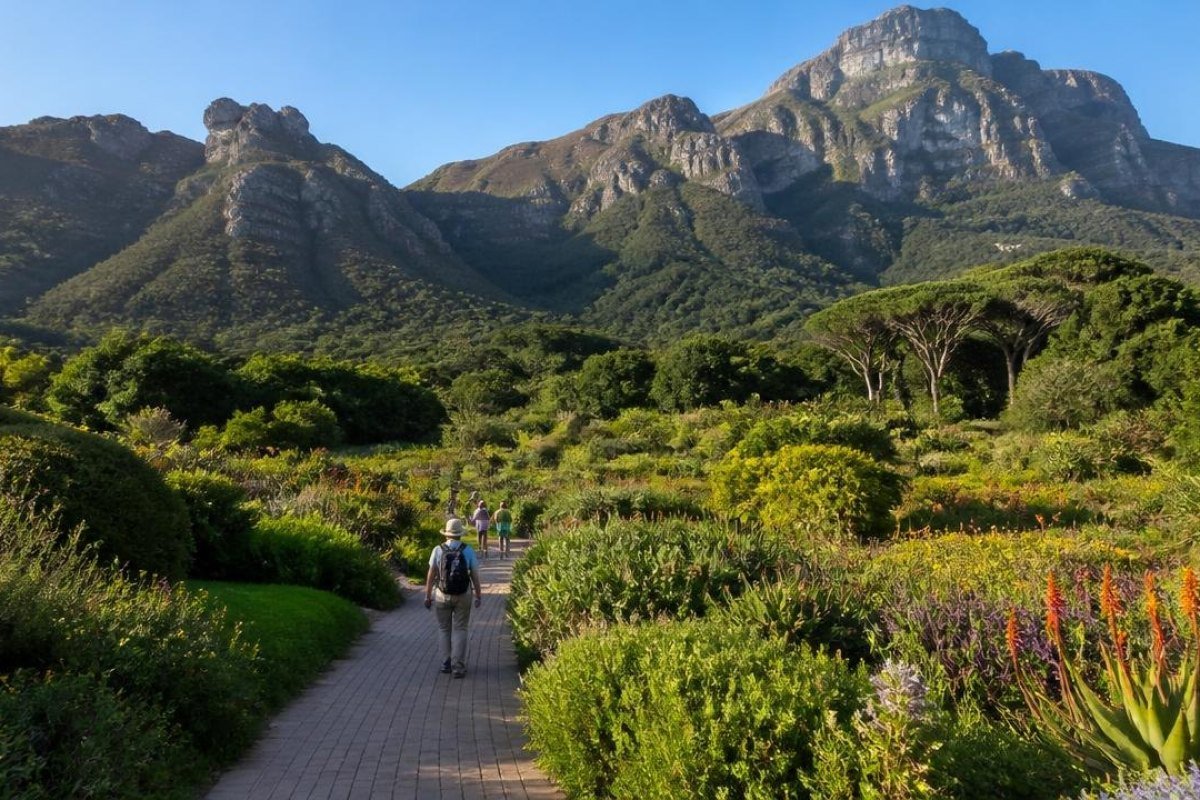
Indigenous plants, mountain scenery and peaceful pathways make Kirstenbosch one of Cape Town’s most rewarding outdoor attractions. The garden is set against the eastern slopes of Table Mountain and showcases the remarkable flora of the Cape Floristic Region.
Walk through themed plant collections, look for birds and take the elevated canopy walkway for a different perspective over the gardens. The experience changes with the seasons, from flowering displays to lush summer foliage.
Allow several hours if you want to explore slowly. Bring sun protection, comfortable shoes and water, and check the garden’s official calendar if you are interested in concerts or special events. Some paths and areas may be affected by maintenance or weather.
Take a Cape Peninsula day trip
Coastal roads, penguin colonies and dramatic headlands make the Cape Peninsula one of the best excursions from the city. A full-day route can combine Muizenberg, Kalk Bay, Simon’s Town, Boulders Beach, Cape Point and the Cape of Good Hope.
See the penguins at Boulders Beach
African penguins, boardwalks and protected beaches are the main attractions at Boulders Beach. Visitors can observe the colony from designated viewing areas without approaching, feeding or touching the birds.
Go early if you want a calmer experience, especially during busy periods. The beach and nearby conservation facilities are managed within the Table Mountain National Park system, so check current entry arrangements, capacity information and conservation rules before arrival.
Explore Cape Point and the Cape of Good Hope
Fynbos vegetation, lighthouse viewpoints and open ocean scenery define the southern section of the peninsula. Cape Point offers marked walks, scenic overlooks and opportunities to spot wildlife such as baboons, ostriches and antelope from a safe distance.
Do not confuse Cape Point with the Cape of Good Hope, which lies within the same national park but is a separate landmark. The area is exposed to strong winds, and baboons can be persistent around food. Keep belongings secure, never feed wildlife and follow park instructions.
Enjoy the coastal villages
Kalk Bay’s harbour, Muizenberg’s colourful beach huts and Chapman’s Peak scenery add variety to the drive. Stop for seafood, browse independent shops or take a short walk along the coast where conditions are suitable.
Chapman’s Peak Drive is a spectacular route when open, but closures can occur because of weather, rockfalls, maintenance or other operational reasons. Check the official road information before planning your itinerary around it.
Experience Constantia’s historic wine estates
Historic vineyards, cool-climate wines and green valley views make Constantia the most convenient wine region for visitors staying in Cape Town. It is suitable for a relaxed half-day, a long lunch or a full day of tastings.
Groot Constantia is particularly important for its place in South African wine history, while neighbouring estates offer different combinations of tasting rooms, restaurants, gardens and cellar experiences. You do not need to be a wine expert: staff can usually guide you through the styles and pairings.
Use a pre-booked driver, organised tour or reliable ride service if you plan to taste wine. Estate reservations, tasting formats and restaurant menus can change, so confirm directly with each property.
Spend a day in Stellenbosch
Cape Dutch architecture, vineyard routes and university-town energy give Stellenbosch a character that goes beyond wine tasting. Its compact centre is well suited to walking, with historic buildings, galleries, cafés, boutiques and restaurants close together.
Join a guided heritage walk, visit the Stellenbosch University Botanical Garden or explore the town’s museums. Outside the centre, the surrounding estates offer tastings, outdoor activities, art, farm shops and memorable lunches.
The Stellenbosch wine routes include a large range of estates with different personalities. Rather than trying to visit as many as possible, choose a small number that suit your interests, whether that means traditional cellars, mountain scenery, food pairings or family-friendly spaces.
Explore Franschhoek’s food and wine scene
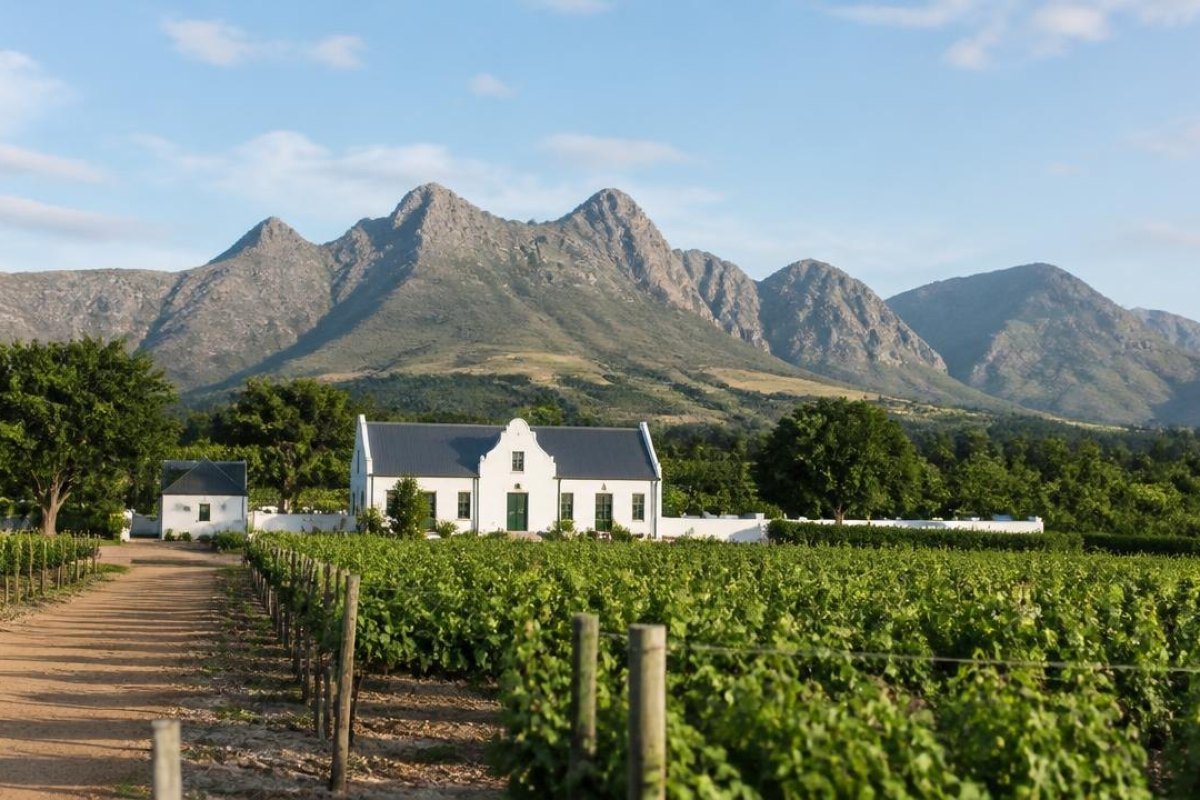
Gourmet dining, mountain scenery and French-influenced heritage make Franschhoek a favourite Winelands destination. The town is compact, attractive and surrounded by estates where wine, sparkling wine and farm-to-table cuisine are central to the experience.
Reserve restaurants and tastings in advance, particularly for weekends, public holidays and peak travel seasons. A dedicated wine-tour service is a safer and more comfortable option than driving between multiple estates after tastings.
The Franschhoek Wine Tram provides a popular way to explore selected estates on different routes. Routes, departure patterns, estate participation and ticket conditions can change, so consult the operator’s current information before building your day around it.
Consider Paarl and the wider Winelands
Granite mountains, historic estates and open rural landscapes make Paarl a worthwhile alternative or addition to Stellenbosch and Franschhoek. The area is known for wine, food, heritage attractions and scenic drives.
The wider Cape Winelands also include destinations such as Wellington, Worcester, Robertson and Ceres. These places are better suited to travellers with extra time, a hire car, a private guide or an interest in exploring beyond the best-known day-trip circuit.
For a more relaxed itinerary, stay overnight in the Winelands rather than returning to Cape Town after every tasting. This gives you more time for long lunches, country walks, markets and early-morning mountain views.
Plan transport and timing carefully
Flexible scheduling, responsible wine touring and official updates are essential for a smooth trip. Cape Town’s MyCiTi bus network serves selected parts of the city and the airport corridor, while ride services, taxis, private transfers and organised tours can be useful for attractions outside the central areas.
The Winelands are easiest to explore by hired car with a sober driver, private transfer or organised excursion. Public transport is not designed to connect every wine estate conveniently, and distances between properties can be greater than they appear on a map.
Keep plans flexible for Table Mountain, Cape Point and scenic mountain roads. Wind, low cloud, rain, road conditions and visitor capacity can affect access. Check official attraction, park and transport information on the day of travel.
Choose the right itinerary length
Three days, five days and one week produce very different Cape Town experiences. With three days, focus on Table Mountain, the Waterfront, one cultural day and either the Peninsula or Constantia.
With five days, add a full Cape Peninsula trip and a day in Stellenbosch or Franschhoek. A week allows a slower pace, an overnight stay in the Winelands, extra museums, Kirstenbosch, beach time and more flexibility around weather.
Avoid filling every day with long drives and reservations. Cape Town is best enjoyed when you leave room for a leisurely lunch, an unplanned viewpoint or a weather-related change of plan.
Practical tips for a better visit
Layered clothing, sun protection and comfortable footwear are useful throughout the year. Cape Town can feel warm in the sun but cool and windy on exposed mountains or beside the ocean.
Use reputable operators for hikes, boat trips, adventure activities and wine tours. Keep valuables discreet, follow local safety advice and avoid isolated routes after dark. In natural areas, stay on marked paths and respect wildlife boundaries.
For restaurants, wine estates, museum tours and popular excursions, booking ahead is wise. Check official websites for current prices, opening arrangements, transport changes, weather-related closures and accessibility information before setting out.
Final thoughts
Mountain landscapes, living history and exceptional food and wine are what make Cape Town and the nearby Winelands so rewarding. The city offers enough culture and nature for a full itinerary, while the surrounding valleys provide an easy change of pace.
The best trip balances iconic sights with time to wander: watch the light change over Table Bay, explore a historic neighbourhood, pause for lunch among the vines and let the weather guide your mountain plans. That combination captures the variety and spirit of the Cape.