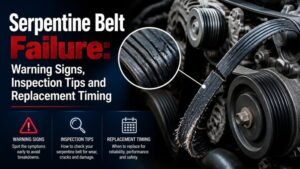
Serpentine Belt Failure: Warning Signs, Inspection Tips and Replacement Timing
Learn how to recognize serpentine belt failure, inspect the belt safely, understand replacement timing, and avoid costly damage from a broken belt.
The Vehicle Guides category is designed to provide clear, practical, and easy-to-understand information about different vehicles and their systems. In this section, you will find helpful content such as fault codes, troubleshooting tips, maintenance advice, and technical explanations for various types of vehicles including cars, trucks, and commercial vehicles. Whether you are trying to understand a warning code, diagnose a problem, or learn more about how your vehicle works, these guides aim to help drivers and technicians identify issues faster and keep their vehicles running safely and efficiently.
Learn how to recognize serpentine belt failure, inspect the belt safely, understand replacement timing, and avoid costly damage from a broken belt.
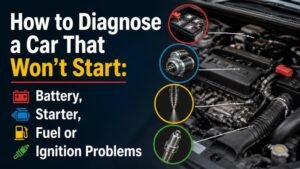
Learn how to diagnose a car that will not start by identifying the symptoms of a weak battery, faulty starter, fuel delivery issue, or ignition problem.
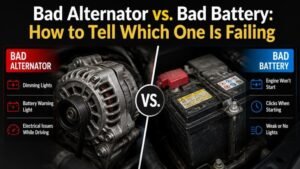
Learn how to tell whether a failing battery or alternator is causing starting problems, dim lights, warning signals, or repeated breakdowns—and what to check next.
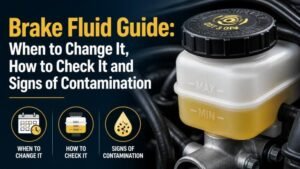
Learn when brake fluid should be changed, how to check its condition and level, and which signs may indicate moisture, contamination or a brake-system problem.

Learn how to recognize serpentine belt problems, understand typical replacement intervals, and know what can happen if the belt breaks while you are driving.

Car vibrations can point to anything from an unbalanced wheel to a serious braking or suspension problem. Learn how to identify the source, perform basic safety checks, and know when to stop driving.
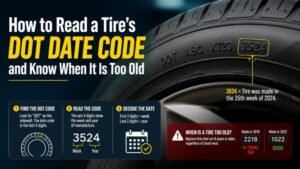
Learn how to find and decode a tire’s DOT date code, determine its age, recognize signs of deterioration, and decide when replacement is the safest choice.

Learn how to change a flat tire safely with this practical step-by-step guide, including the tools you need, roadside safety precautions, tire removal, spare-tire installation, and what to do afterward.
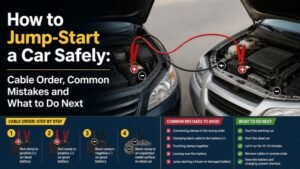
Learn how to jump-start a car safely, connect jumper cables in the correct order, avoid common mistakes, and decide what to do after the engine starts.
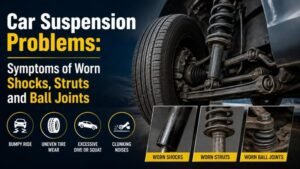
Learn how to recognize common car suspension problems, including worn shocks, struts and ball joints. Discover warning signs, safety risks and practical next steps for inspection and repair.