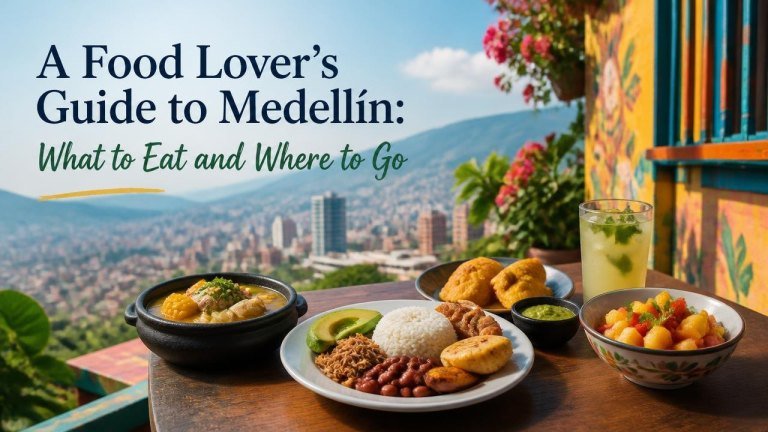
Medellín is one of Colombia’s most enjoyable cities to explore through food. Its culinary identity is rooted in Antioquian comfort cooking, but the dining scene also embraces tropical produce, specialty coffee, international flavors, and modern interpretations of regional ingredients. A where to eat in Medellín guide can help you narrow down the city’s many options.
The best way to eat well here is to combine different settings: begin with a traditional breakfast, browse a produce market, stop for coffee and a pastry, then choose between a relaxed neighborhood restaurant and a more creative dinner. Medellín’s steep hills and connected neighborhoods make each meal feel like part of a wider city adventure.
What Medellín food is known for
Medellín’s food culture is often associated with generous portions, beans and pork, and corn-based staples. Many meals are filling and practical, shaped by the agricultural traditions of Antioquia and the region’s cool, green mountain climate.
At the same time, the city’s food scene is not limited to traditional dishes. Local chefs work with ingredients from across Colombia, while cafés, bakeries, food halls, and international restaurants have made Medellín a diverse destination for curious eaters.

Essential dishes to try
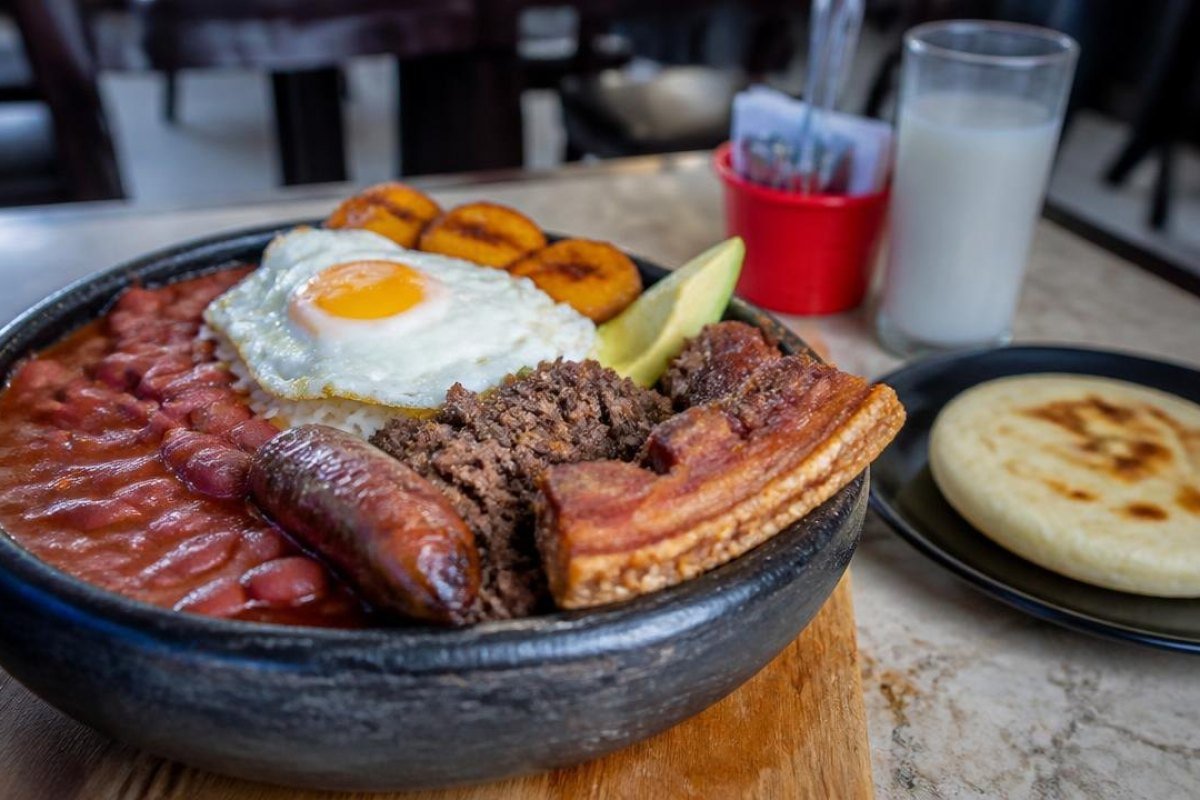
Bandeja paisa is the dish most visitors associate with Antioquia. It commonly combines beans, rice, ground meat, pork, egg, plantain, avocado, and an arepa, although the exact composition varies by restaurant. The serving can be substantial, so sharing or asking about the portion is perfectly reasonable.
Look for arepas with quesito, a fresh local cheese that is often served at breakfast or alongside other meals. Fríjoles antioqueños are another important staple, usually served with rice, plantain, avocado, or meat. For something smaller, try an empanada, buñuelo, almojábana, or pastel de pollo as a quick snack.
Do not overlook mazamorra, a simple corn-based drink or dessert traditionally enjoyed with milk and panela or sugar. It is a useful introduction to the everyday flavors of the region rather than a formal restaurant dish.
Where to eat traditional Antioquian food
For classic cooking, choose places that specialize in home-style Colombian meals, daily lunch plates, and regional recipes. Local restaurants and traditional eateries are often better for understanding everyday food than polished international venues.
Central Medellín is useful for visitors who want to combine food with museums, plazas, and historic streets. In neighborhoods such as Laureles and Envigado, you will find a broad range of restaurants where traditional dishes sit alongside cafés and contemporary Colombian menus.
When ordering, ask which dishes are prepared fresh that day. A menu del día can be an affordable way to try soup, a main course, a drink, and simple side dishes. Portions and ingredients vary, so ask whether a dish contains meat, dairy, or pork if dietary details matter to you.
The best food markets in Medellín
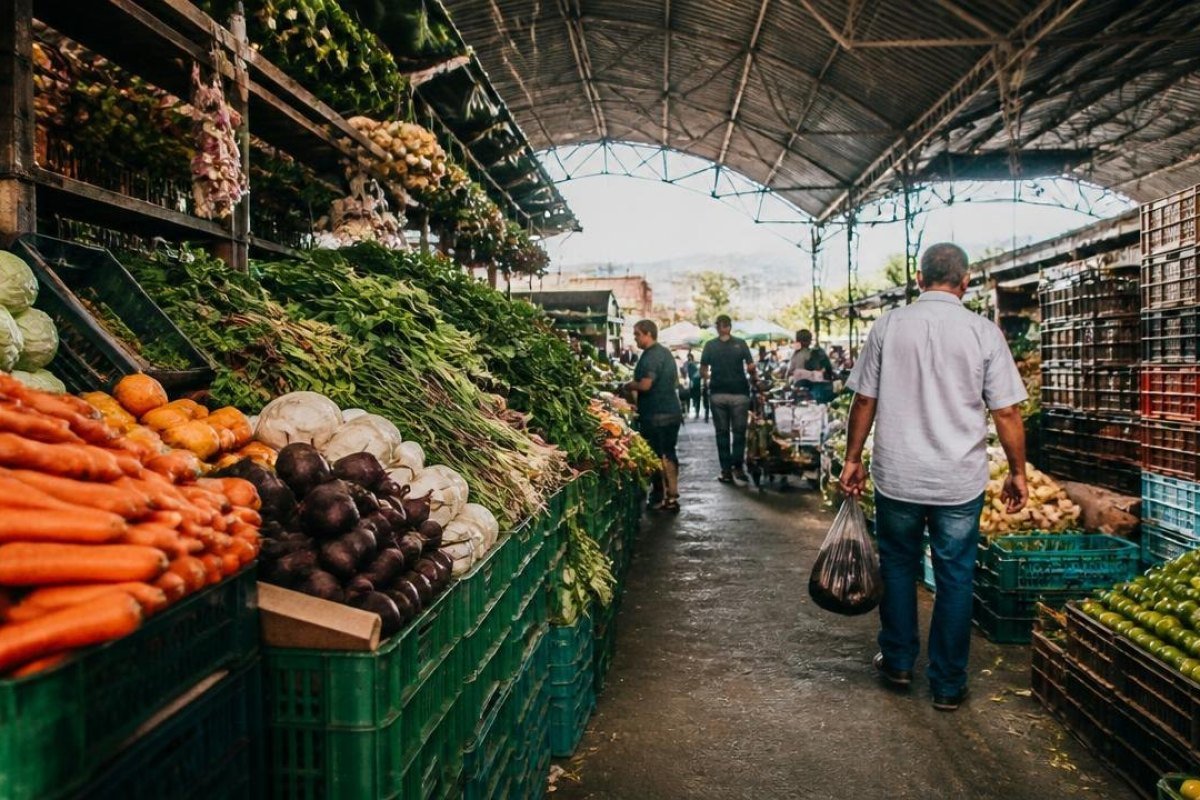
Markets are among the most rewarding places to explore Colombian fruit, local breakfast dishes, and everyday food culture. They are lively, informal, and especially useful for travelers who want to taste several small things instead of committing to one large meal.
La Placita de Flórez
La Placita de Flórez is a strong choice for seeing the city’s relationship with fresh produce. Browse stalls filled with tropical fruits, herbs, vegetables, and prepared foods, then look for a simple breakfast or lunch from one of the cooks inside the market.
Try fruits that may be unfamiliar, such as gulupa, uchuva, granadilla, or chirimoya. Vendors can often explain how to eat them and whether they are best enjoyed on their own, with juice, or in a fruit salad.
Plaza Minorista
Plaza Minorista offers a more intense market experience, with produce, meat, fish, grains, and prepared food reflecting the scale of Medellín’s food supply. It is best visited with a clear purpose and a respectful attitude toward vendors and workers.
Go during daylight, keep valuables secure, and consider visiting with a local guide if you want deeper context. The attraction is not a curated tourist market; its value lies in observing real working commerce, regional ingredients, and traditional market cooking.
Food halls and casual dining destinations
Medellín’s gastronomic markets are convenient when a group wants different cuisines in one place. They combine shared tables, multiple restaurant counters, and evening social atmosphere, making them easy choices for lunch, casual dinner, or drinks.
Mercado del Río
Mercado del Río brings together Colombian and international options in a large food-focused venue near the El Poblado area. Depending on the current selection, visitors may find grills, Italian food, Mexican dishes, Asian-inspired cooking, desserts, cocktails, and beer.
It works particularly well for groups with different preferences. Go early if you want a quieter meal, or later for a livelier atmosphere. Because individual vendors and operating times can change, check the venue’s official channels before planning a special visit.
Other gastronomic markets
Mercados de la Playa and Mercados de Laureles offer additional options for informal dining. These venues are useful for sampling small plates, local drinks, and international comfort food without committing to a formal restaurant.
Food halls are also a practical solution on rainy evenings, when Medellín’s weather can change quickly. They provide shelter, seating, and variety while keeping the experience more relaxed than a reservation-only restaurant.
Where to find coffee and pastries
Colombia’s coffee reputation is well deserved, but drinking coffee in Medellín is about more than ordering the most famous bean. Spend time in specialty coffee bars, neighborhood bakeries, and casual cafés to see how locals fit coffee into the day.
El Poblado, Laureles, Manila, and parts of the city center all have cafés with different personalities. Some focus on carefully prepared Colombian coffee, while others are designed for breakfast, conversation, or remote work.

Pair your drink with a buñuelo, almojábana, pastry, or arepa. If you prefer a lighter coffee, ask about preparation styles rather than assuming every cup will taste the same. A café that serves beans from several Colombian regions may be able to explain the differences.
Eating in El Poblado, Laureles, and Envigado
These areas are among the easiest places for visitors to build a varied food itinerary. You will find international restaurants, modern Colombian cooking, and specialty cafés within neighborhoods that are accustomed to welcoming travelers, much like São Paulo’s Liberdade neighborhood.
El Poblado and Manila
El Poblado has the city’s most concentrated visitor-oriented dining scene, especially around Provenza and Parque Lleras. Manila offers a somewhat more relaxed atmosphere, with cafés, bakeries, restaurants, and bars along walkable streets.
Choose El Poblado for variety and evening energy, but do not assume that the most visible venues are automatically the most local. Explore side streets, ask hotel staff for neighborhood recommendations, and reserve ahead when a restaurant is particularly popular.
Laureles
Laureles is known for a calmer, more residential feel and a broad mix of restaurants. It is a strong area for casual breakfasts, pizza and international food, and coffee stops between walks.
The neighborhood’s flatter streets can make it easier to move between several places on foot. It is also a good base for travelers who want dining options without the intensity of the busiest parts of El Poblado.
Envigado
South of central Medellín, Envigado offers traditional restaurants, cafés, bakeries, and a popular dining culture of its own. The area is worth considering for travelers who want to combine local atmosphere, classic Antioquian dishes, and evening restaurants away from the main tourist circuit.
Food experiences near Medellín’s main attractions
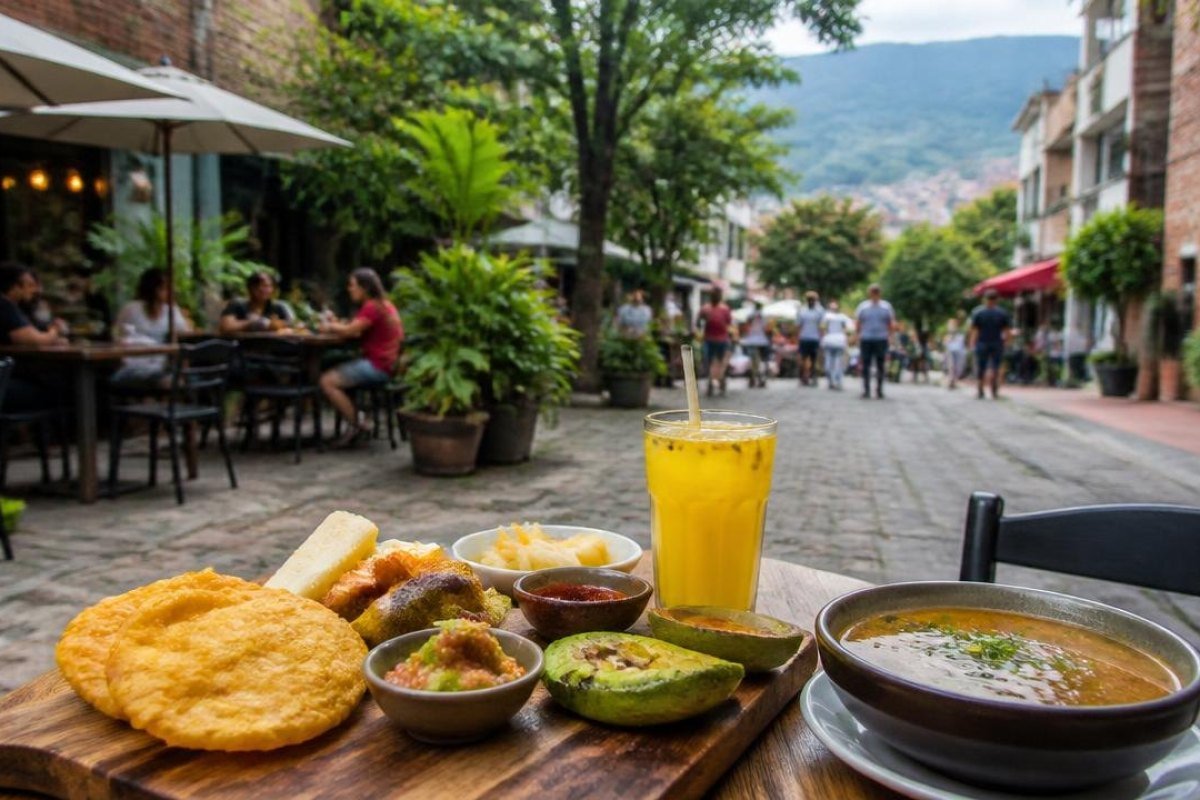
Some of the city’s best food memories come from pairing a meal with a cultural visit. After exploring the historic city center, stop for a traditional snack or lunch. After visiting a viewpoint, return to a neighborhood café for a slower meal.
Comuna 13 is primarily a cultural and community destination, known for art, music, viewpoints, and local guiding. You will find snacks, fruit drinks, sweets, and casual food along the visitor routes, but treat eating there as part of a respectful neighborhood visit rather than a checklist of dishes.
Pueblito Paisa offers panoramic views and a compact introduction to Antioquian architectural traditions. It is convenient for a short visit, although you may prefer to eat a fuller meal elsewhere and use the viewpoint stop for a drink or snack.
A practical Medellín food itinerary
On your first morning, start with arepa and quesito, eggs, fruit, or a calentao-style breakfast. Follow it with coffee at a specialty café, then visit a market such as La Placita de Flórez if you want to taste fresh fruit and observe local food shopping.
For lunch, order bandeja paisa, fríjoles, or a daily plate at a traditional restaurant. Keep dinner lighter if lunch was substantial: a shared meal at a food hall, contemporary Colombian dishes, or small plates in Laureles, Manila, or Envigado can provide more variety.
On a second day, make room for street snacks, regional fruit, and modern Colombian cooking. Try not to eat every famous dish in one sitting. Medellín is more enjoyable when meals are spread across the day and balanced with walks, museums, viewpoints, and neighborhood exploration, a strategy also useful when following a guide to Peruvian food.
Getting around for food stops
Medellín’s integrated transport network includes the Metro, Metrocable, tram, and buses. The system can be useful for reaching central areas and connecting with neighborhoods, but routes, operating conditions, and fares can change.
Check the official Metro de Medellín information before setting out, particularly if you are traveling early, late, during major events, or when rain may affect cable operations. For short journeys at night, use a reputable taxi or ride-hailing option and confirm the destination before leaving.
Walking is often the best way to connect cafés and restaurants within Laureles, Manila, Provenza, or central districts. Medellín is hilly in many areas, so allow extra time for steep streets and wear comfortable shoes.
Tips for eating well and responsibly
Drink bottled or properly treated water if you are unsure about local tap water, and choose busy food stalls where ingredients appear fresh and turnover is high. Wash fruit before eating it if you purchase it from a market, or ask the vendor to prepare it for you.
Be clear about dietary needs. Colombian dishes may include pork, beef stock, dairy, or egg even when those ingredients are not obvious from a short menu description. Useful phrases include “sin carne”, “sin cerdo”, and “soy vegetariano/vegetariana”.
Carry small amounts of Colombian pesos for markets and casual snacks, while keeping phones and wallets secure in crowded areas. At restaurants, check whether service has been included and confirm the final bill before paying.
Final advice for food lovers
The most memorable Medellín food trip is not built around one expensive reservation. It comes from combining traditional breakfasts, market discoveries, good coffee, and one or two carefully chosen dinners.
Eat with curiosity, ask questions, and leave room for the unexpected. A simple bowl of beans, a fresh fruit you have never tried, or a pastry from a neighborhood bakery may tell you more about Medellín than the city’s most photographed restaurant.