
The Best Things to Do in Cartagena, Colombia, for First-Time Visitors
Cartagena is one of Colombia’s most atmospheric destinations, combining Caribbean energy, colonial architecture, and a lively coastal culture. First-time visitors can spend their days walking through the historic center, exploring centuries-old fortifications, tasting local dishes, and taking boat trips to nearby islands.
The city is easy to enjoy at a relaxed pace, but it rewards thoughtful planning. The historic districts are best explored on foot, while beaches and islands require more preparation. Use this guide to build an itinerary that balances history, food, culture, and time by the sea.
Walk Through Cartagena’s Walled City
Begin in the Centro Histórico, the heart of Cartagena and the area most visitors picture when they imagine the city. The streets of Centro and San Diego are lined with colorful façades, wooden balconies, grand churches, small plazas, cafés, galleries, and boutique hotels.
Take your time rather than following a strict route. Look for details such as carved doorways, flower-filled balconies, brightly painted walls, and shaded courtyards. The area is particularly atmospheric in the late afternoon, when the heat begins to soften and the plazas become more animated.

Important landmarks include the Clock Tower, Plaza de los Coches, Plaza de la Aduana, and Plaza de Bolívar. Nearby, you can visit churches such as San Pedro Claver and Santo Domingo, as well as museums that explain Cartagena’s colonial, religious, and regional history.

Walk Along the Historic City Walls
The walls surrounding Cartagena’s old city are among its defining sights. They were constructed and expanded over centuries to protect the port, and today they provide a memorable way to understand the city’s relationship with the Caribbean.
Stroll along sections of the fortified ramparts for views over rooftops, church towers, the sea, and the modern skyline. Some sections are exposed to strong sun, so a hat, water, and light clothing are useful. The best experience usually comes from walking slowly and stopping at the larger bastions.
Sunset is a popular time to visit, but it can also be busy. For a quieter walk, go earlier in the day and return to the walls later if you want to enjoy the changing light.
Explore the Colorful Streets of Getsemaní
Across from the walled center, Getsemaní offers a more informal and neighborhood-focused side of Cartagena. Its streets are known for street art, colorful umbrellas, live music, local restaurants, and lively public spaces.
Spend time around Plaza de la Trinidad, where residents and visitors gather throughout the day. Continue toward the Camellón de los Mártires, Parque Centenario, and the neighborhood’s smaller streets, where murals and community stories appear around nearly every corner.
Getsemaní is especially enjoyable in the evening, when restaurants and bars become livelier. Stay aware of your belongings, keep valuables discreet, and choose well-used streets when walking after dark.
Visit Castillo de San Felipe de Barajas
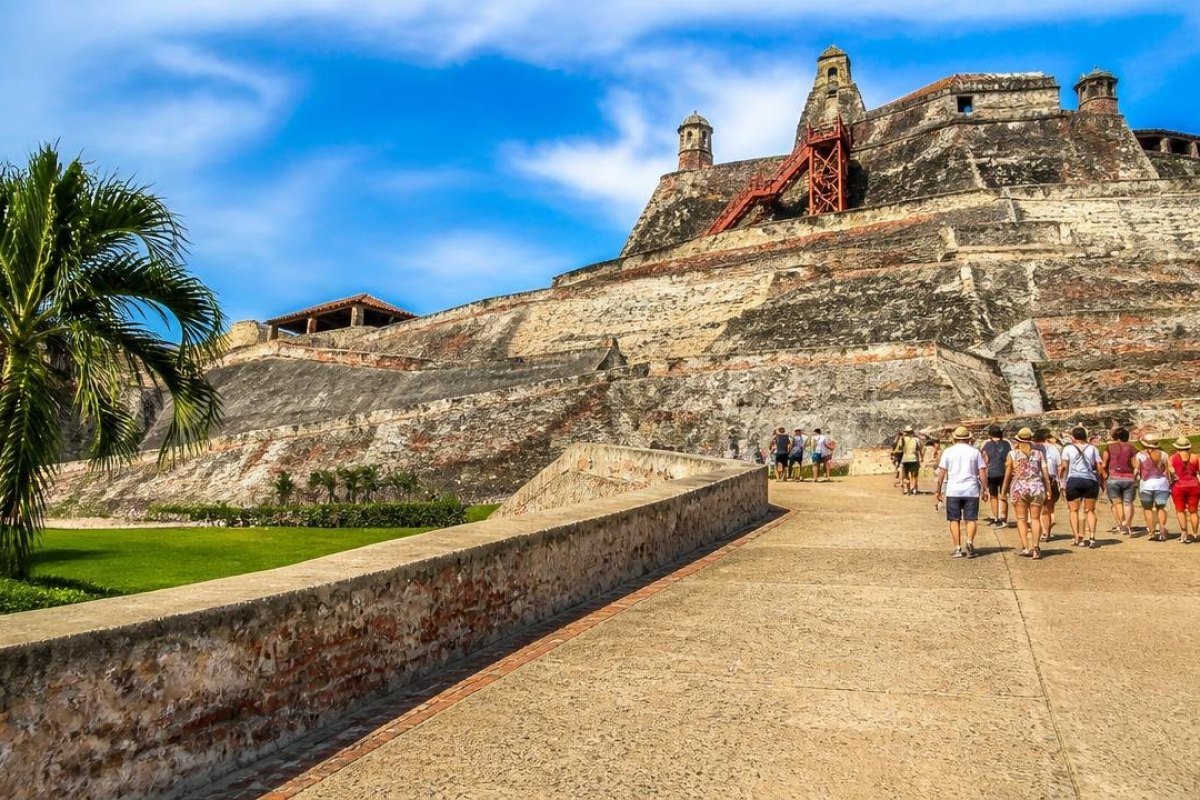
Castillo de San Felipe de Barajas is Cartagena’s most impressive military monument. Built on San Lázaro Hill, the fortress was designed to defend the city from attacks by land and sea.
Explore the stone ramparts, underground tunnels, and elevated viewpoints while learning how the fortress formed part of Cartagena’s wider defensive system. The site is expansive and largely outdoors, so comfortable shoes, sun protection, and water are important.
Because the fortress is outside the central walled area, you can reach it by taxi or another arranged transfer. Check the official fortifications website before visiting for current opening hours, admission prices, and any temporary access updates.
Discover Cartagena’s Museums and Cultural Heritage
Cartagena’s museums are useful when the midday heat makes outdoor sightseeing less comfortable. They also add historical context to the streets, churches, and fortifications you see throughout the city.
Learn About Indigenous Goldwork
The Zenú Gold Museum introduces visitors to the artistic traditions and archaeological heritage of the Zenú people. Its collection helps explain the importance of metalwork, symbolism, and regional identity in the Caribbean area.
Explore Naval and Religious History
The Naval Museum of the Caribbean focuses on Cartagena’s maritime history and its strategic role as a port. The Sanctuary and Museum of San Pedro Claver offers another perspective, connecting religious history with the difficult legacy of slavery and colonial society.
Museum schedules and exhibitions can change, so verify current details before making them the fixed centerpiece of your itinerary.

Try Cartagena’s Caribbean Food
Food is one of the best ways to experience Cartagena beyond its architecture. Look for dishes influenced by Caribbean ingredients, African traditions, and regional Colombian cooking.
Try arepas de huevo, fried fish with coconut rice and plantain, ceviche, patacones, fresh fruit, and sweets made with coconut or tropical fruits. Cartagena also has a wide range of restaurants, from casual local spots to refined dining rooms inside historic buildings, much like the variety covered in local dishes and modern food neighborhoods.
For the best experience, ask about prices before ordering from informal vendors or beach sellers. In restaurants, explore menus beyond the most familiar tourist dishes and consider choosing seafood from businesses that can explain its origin and preparation.
Spend Time by the Caribbean Sea
Cartagena’s urban beaches are convenient, but they are not always the calmest or most secluded places for a beach day. Bocagrande, Castillogrande, Marbella, and La Boquilla offer different settings, from city views to broader stretches of sand.
For a quieter experience, consider a day trip to Barú, Playa Blanca, or the Rosario Islands. Conditions and crowd levels vary, and the quality of the experience depends greatly on the operator and the exact beach or island you choose, just as it can when planning day trips for islands and escapes.
Use sun protection, keep an eye on personal belongings, and clarify the cost of chairs, umbrellas, food, drinks, and activities before accepting services on the beach.
Take a Boat Trip to the Rosario Islands
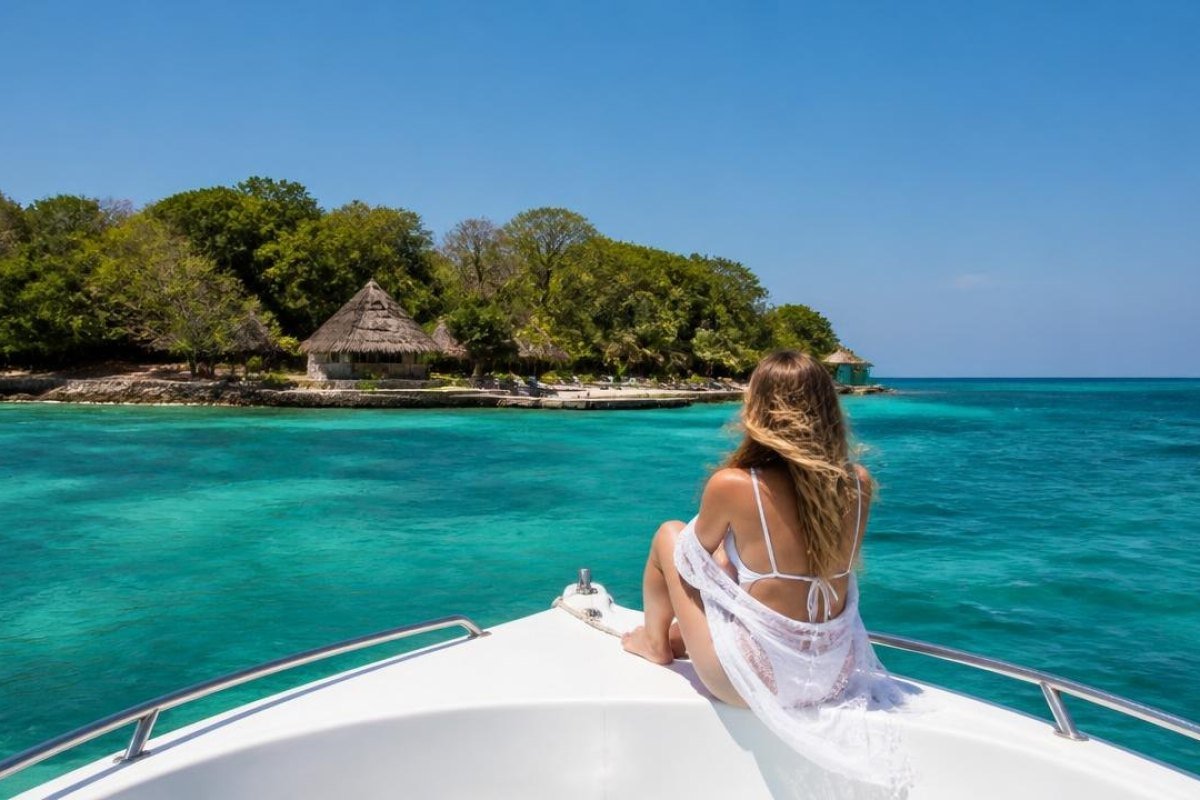
The Rosario Islands and San Bernardo area form part of a protected marine environment known for coral reefs, mangroves, and clear Caribbean waters. Popular activities include swimming, snorkeling, diving, and relaxing on the islands.
Boat trips generally depart from an authorized Cartagena pier, and the crossing can be affected by weather and sea conditions. Choose an authorized operator, confirm what the package includes, and check whether entrance fees, insurance, food, equipment, and transfers are covered.
Protect the marine environment by never touching coral, standing on reefs, collecting shells, or leaving waste behind. Before traveling, check the current requirements with Colombia’s national parks authority, including any rules about registration, insurance, capacity, or authorized guides.
Enjoy Cartagena’s Sunset and Nightlife
Cartagena becomes especially atmospheric around sunset. Choose between a walk on the walls, a drink in a historic courtyard, a viewpoint overlooking the bay, or a boat ride that follows the changing colors of the sky.
In the evening, Getsemaní is known for live music and a social atmosphere, while the walled city offers cocktail bars, restaurants, and elegant rooftops. Cartagena’s nightlife can be energetic, so use registered transportation, stay with companions, and avoid displaying expensive electronics or large amounts of cash.
Practical Tips for First-Time Visitors
Cartagena is hot, humid, and sunny for much of the year. Plan outdoor sightseeing for the morning or late afternoon, and leave time for breaks during the hottest part of the day.
- Pack light clothing, comfortable walking shoes, sunscreen, and insect repellent.
- Carry a reusable water bottle and protect electronics from sudden rain.
- Use reputable taxis, arranged transfers, or trusted transport apps where available.
- Confirm prices before tours, beach services, taxis, and informal purchases.
- Buy tours and boat trips from formal operators and check that they hold the required tourism registration.
- For island trips, use authorized departure points and confirm the operator’s safety equipment.
- Keep passports and extra cash secure at your accommodation, carrying only what you need.
How Many Days Do You Need in Cartagena?
A first visit works well with three full days, although four or five days allow for a more relaxed pace and an island excursion.
On day one, explore the walled city and its plazas. On day two, visit Castillo de San Felipe, discover Getsemaní, and choose a museum. On day three, spend time at the coast or take a boat trip, depending on weather and your interests, following the structure of a first-time city itinerary.
If you have additional time, add a second beach day, a food-focused experience, a longer museum visit, or a quieter exploration of Cartagena’s neighborhoods outside the main tourist route.
Final Advice for Your Cartagena Trip
The best Cartagena itinerary combines the city’s historic core with its local neighborhoods and marine landscapes. Do not try to rush every attraction into one day. Leave space for shaded plazas, spontaneous music, a long lunch, and an unplanned walk through streets that catch your attention.
Before departure, confirm current attraction schedules, boat conditions, entrance requirements, safety guidance, and transport arrangements through official sources. With a little preparation, Cartagena offers a rich first introduction to Colombia’s Caribbean coast.