
How to Use This 7-Day Bali Itinerary
This route is designed for first-time visitors who want a balanced introduction to Bali without trying to see the entire island at once. It combines beaches, temples, rice fields, local food, and cultural experiences while keeping most journeys within a manageable area, much like this 7-Day Bali itinerary.
Base yourself in Seminyak, Canggu, or Sanur for the first part of the trip, then move to Ubud for the final days. Bali’s traffic can make short distances surprisingly slow, so allow generous time for transfers and avoid scheduling too many distant attractions in one day.
International visitors should check Indonesia’s current entry requirements and visa eligibility before departure. Foreign tourists visiting Bali are also generally required to pay the provincial tourist levy through the Love Bali system or an approved payment point. Requirements, exemptions, and procedures can change, so verify them shortly before travelling.
Day 1: Arrive and Settle Into Southern Bali
Your first day should be deliberately easy. After arriving at Ngurah Rai International Airport, transfer to your accommodation and take time to adjust to the tropical climate, traffic, and local rhythm.

Choose your first base according to your travel style. Seminyak suits travellers who want restaurants, boutiques, and sunset venues. Canggu offers cafés, surf culture, and a more contemporary atmosphere. Sanur is calmer and convenient for a relaxed beach stay or a later boat connection.
Spend the afternoon walking locally rather than crossing the island. Enjoy a simple Balinese meal, visit a nearby beach, and keep your evening flexible. A gentle first day helps you begin the itinerary refreshed instead of exhausted.

Day 2: Beaches and Sunset at Uluwatu
Head south to the Bukit Peninsula, where limestone cliffs, surf beaches, and wide ocean views create one of Bali’s most scenic day trips.
Morning: Choose a Bukit Beach
Start with one or two beaches rather than attempting all of them. Padang Padang is known for its compact cove and dramatic setting, while Dreamland and Balangan offer broader coastal views. Swimming conditions vary by beach, so follow local signs and lifeguard guidance.
Bring water, sun protection, and footwear suitable for uneven steps or rocky access. The midday sun can be intense, particularly on exposed sand and cliff paths.
Late Afternoon: Uluwatu Temple
Continue to Uluwatu Temple, a sacred site positioned on a cliff above the Indian Ocean. The setting is especially striking late in the day, but the area can become crowded around sunset.
Wear clothing that covers the shoulders and knees, and follow temple instructions regarding entry and photography. Visitors are expected to behave respectfully because this remains an active place of worship, not simply a viewpoint.
Evening: Kecak Performance
If a performance is scheduled during your visit, consider watching the traditional Kecak dance near sunset. Confirm the current performance time and ticket arrangements directly with the temple or official venue before planning your evening.
Return to your accommodation after the show or enjoy dinner in Jimbaran, where seafood restaurants line the coast. Arrange a trusted driver or ride in advance, as traffic leaving Uluwatu can be slow after sunset.
Day 3: Tanah Lot and the Western Coast
Spend your third day exploring Bali’s southwestern coastline. This is a good day for a slower combination of ocean scenery, cultural landmarks, and a relaxed meal.
Morning: Coastal Breakfast and Local Exploration
Begin with breakfast near your accommodation, then travel west toward Tanah Lot. If you prefer a quieter start, stop at a less crowded coastal area or a local café along the way rather than rushing directly to the temple.
Afternoon: Tanah Lot Temple
Tanah Lot is one of Bali’s most recognisable landmarks, with a temple associated with a rocky coastal outcrop. The surrounding visitor area includes walking paths, viewpoints, shops, and places to eat.
Plan around the tide and sunset light, but do not assume that every part of the rock or temple is accessible. Respect barriers, ceremonial areas, and local instructions. The sunset period is popular, so arrive early enough to find a comfortable viewpoint.
Afterward, have dinner in the Tabanan area or return toward the south. If you are moving to Ubud the next day, ask your accommodation whether luggage transfer or an early check-in can be arranged.
Day 4: Transfer to Ubud Through Rice Landscapes
Move inland to Ubud, Bali’s best-known centre for arts, crafts, wellness, and cultural tourism. The transfer can be combined with selected stops, but avoid turning it into an overpacked sightseeing day.
Morning: Tegallalang Rice Terraces
Visit the Tegallalang rice terraces in the morning, when the light is softer and temperatures are more comfortable. Walk only on marked or locally permitted paths, because the terraces are working agricultural land rather than a conventional park.
The landscapes are part of Bali’s wider Subak irrigation tradition, in which water management, farming, community cooperation, and religious practice are closely connected. Supporting local guides and businesses can make the visit more meaningful than simply stopping for photographs.
Afternoon: Check In and Explore Ubud
After checking in, explore central Ubud at an unhurried pace. Visit an art gallery, browse craft shops, or walk through quieter side streets away from the busiest roads.
For dinner, try Balinese specialities such as ayam betutu, lawar, or a vegetarian dish featuring local vegetables and spices. Choose busy, well-reviewed establishments and drink treated or bottled water if you are unsure about the source.
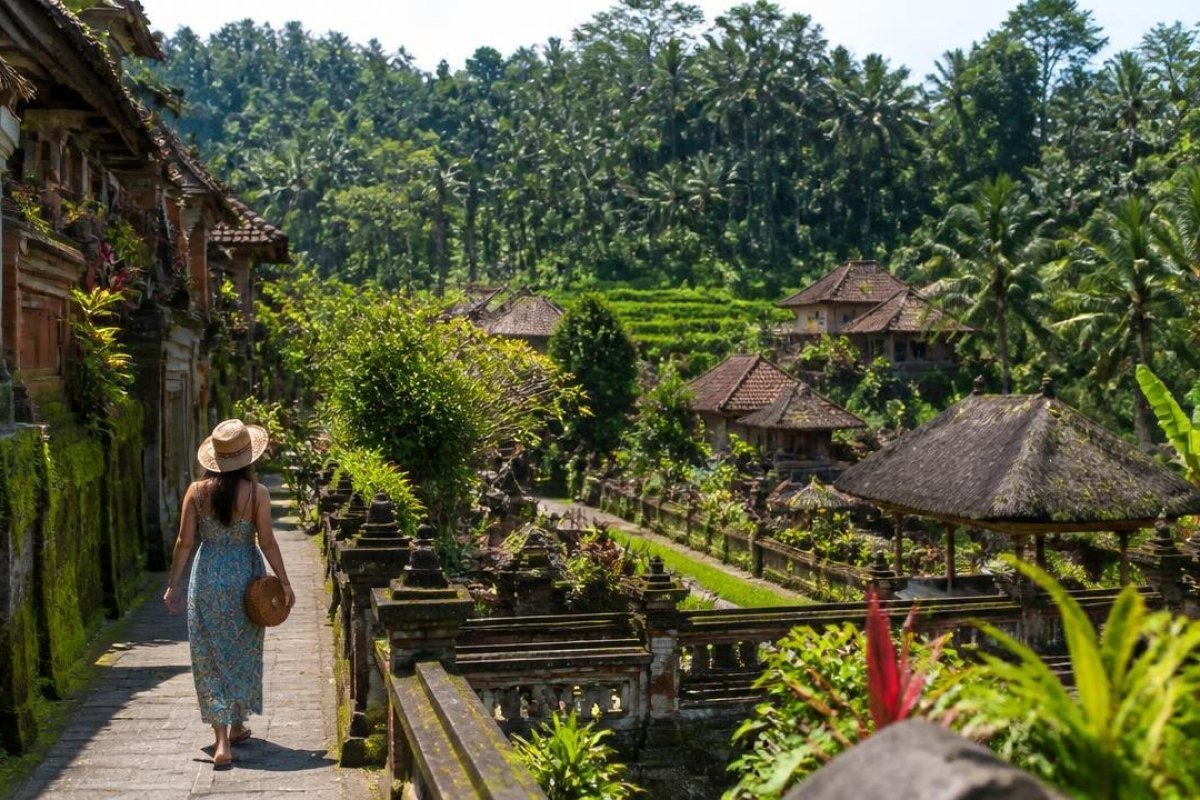
Day 5: Ubud Temples, Water, and Forest Scenery
Use your fifth day to experience Ubud beyond its shopping streets. A private driver or carefully planned tour is useful because several worthwhile places are spread across the surrounding villages.

Morning: Tirta Empul or Gunung Kawi
Choose between the sacred spring temple of Tirta Empul and the cliff-carved monuments of Gunung Kawi. Tirta Empul offers insight into Balinese water rituals, while Gunung Kawi combines archaeology, temple traditions, and a lush valley setting.
Temple visits require modest clothing and respectful conduct. Sarongs and sashes may be required, and ceremonial areas may be restricted. Do not enter a ritual or bathing area without understanding the local rules or receiving permission.
Afternoon: Ubud Monkey Forest or a Village Walk
If you visit the Ubud Monkey Forest, keep food, loose items, and sunglasses secured. Do not touch or feed the monkeys, and follow staff guidance. Travellers who prefer a quieter experience can choose a village walk, craft workshop, or rice-field path instead.
Evening: Balinese Performing Arts
Look for a local performance featuring Legong, Barong, or another traditional dance. Schedules vary by venue and day, so check the current programme locally. Treat performances as cultural events rather than photo opportunities, especially when ceremonies or religious elements are involved.
Day 6: Mountain Views and a Slower Ubud Day
Day six gives you two choices: a scenic highland excursion or a restorative day based around Ubud. Choose according to weather, energy levels, and how much driving you want to do.
Option A: Mount Batur and Lake Batur Area
For an active day, travel toward the Mount Batur region. A sunrise trek requires an early start and suitable footwear, and conditions can change quickly. Use a reputable local operator and confirm the route, weather policy, transport, and inclusions before booking, especially when planning experiences involving temples, volcanoes, and local food.
If you prefer not to hike, enjoy viewpoints around Lake Batur, visit a highland village, or take a slower scenic drive through the volcanic landscape.
Option B: Wellness and Local Culture
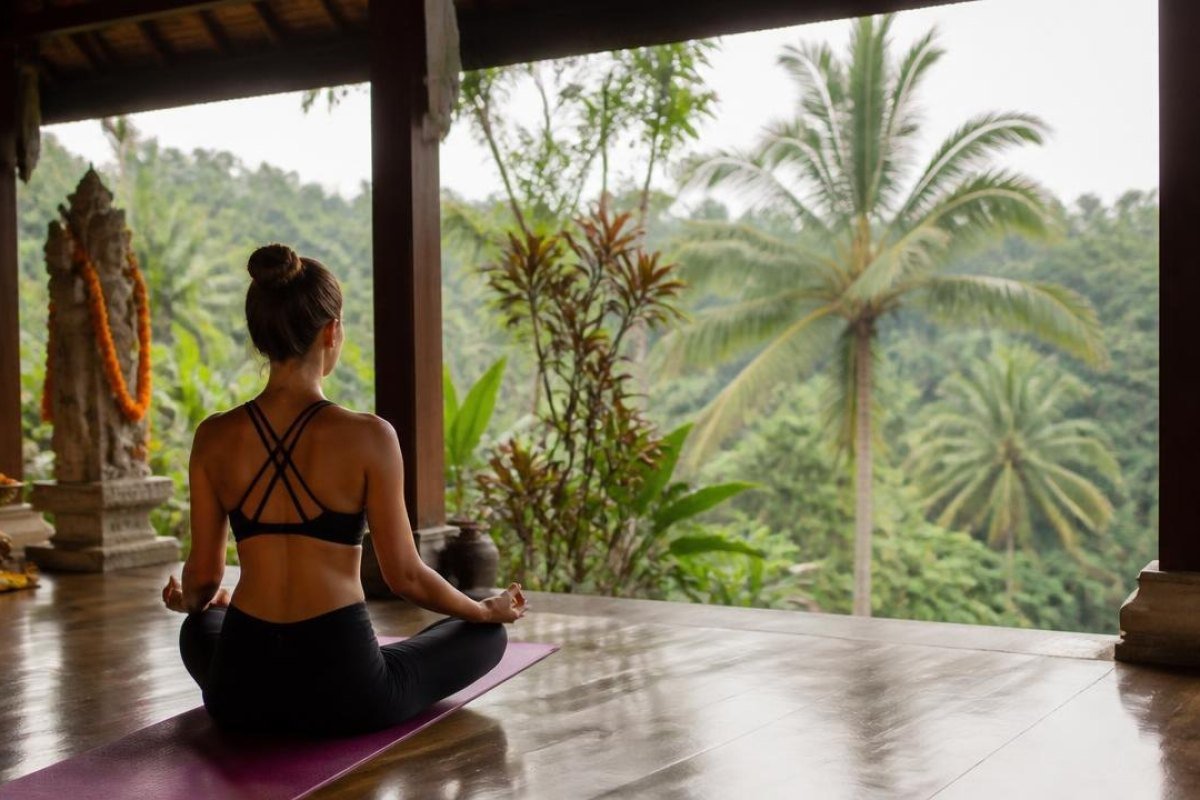
Stay in Ubud for a more relaxed day with a Balinese massage, yoga class, cooking experience, or guided walk through the countryside. This option leaves room for cafés, galleries, and spontaneous discoveries.
Whichever option you choose, keep the evening simple. A final dinner overlooking the rice fields or a quiet courtyard restaurant is often more enjoyable than another long transfer.
Day 7: Final Morning and Departure
Use your final morning for experiences close to your accommodation. A short rice-field walk, relaxed breakfast, or last visit to a craft market can be more rewarding than attempting a distant attraction before your flight.
Allow extra time for the journey from Ubud to the airport, especially during busy periods or heavy rain. Keep passports, travel documents, medication, and valuables in your hand luggage, and confirm your airline’s current check-in requirements before leaving.
If your flight departs late, consider storing luggage at your accommodation and booking a day-use room or airport-area hotel. This gives you a comfortable place to shower and rest without adding unnecessary sightseeing to your final hours.
Where to Stay in Bali
Your choice of neighbourhood can shape the entire trip. Seminyak works well for dining and nightlife, Canggu for cafés and surf culture, and Sanur for a quieter seaside atmosphere.
Uluwatu suits travellers focused on cliffs and beaches, while Ubud is the strongest base for temples, rice fields, wellness, and arts. For a seven-day first visit, splitting the stay between the south and Ubud reduces repeated long drives.
Getting Around Bali
For this itinerary, the most practical options are a private driver for full-day excursions, reputable ride-hailing services for shorter trips, and organised tours for activities that require local coordination.
Motorbikes can be convenient for experienced, properly licensed riders, but they are not suitable for everyone. Traffic, road surfaces, rain, unfamiliar routes, and local driving conditions can create significant risks. Never ride without the legally required licence, helmet, and appropriate insurance.
Do not judge journeys only by distance. Traffic, ceremonial road closures, and weather can substantially change travel times. Ask your accommodation for a realistic departure time before booking activities.
Respectful and Practical Bali Travel Tips
- Wear clothing that covers your shoulders and knees when visiting temples, and use a sash or sarong when required.
- Never step over or deliberately disturb canang sari, the small daily offerings placed around homes, shops, and streets.
- Ask before photographing ceremonies, worshippers, or private rituals.
- Carry a reusable water bottle, but refill it only where the water is confirmed safe to drink.
- Use reef-safe habits, avoid single-use plastic where possible, and do not remove shells, coral, or stones from beaches or temples.
- At waterfalls, cliffs, and beaches, follow warning signs and local advice rather than relying on photographs or social media recommendations.
- Keep a small amount of cash available for local warungs, parking, donations, and rural areas, while using secure payment methods for larger purchases.
What to Pack for This Itinerary
Pack light, breathable clothing for the heat, plus one modest outfit for temple visits. Include comfortable walking shoes, sandals, a light rain layer, sunscreen, insect protection, and a small day bag.
A lightweight sarong is useful, although many temples provide or rent one. Bring a dry bag or waterproof pouch during the rainy season, especially if you plan to visit waterfalls, beaches, or outdoor markets.
Best Time to Follow This Route
Bali can be visited throughout the year, but weather patterns, sea conditions, crowds, and local ceremonies influence the experience. The dry season is often popular for outdoor activities, while the wetter months can bring lush landscapes but less predictable rain.
Check the forecast close to departure and remain flexible. Boat trips, mountain walks, beach activities, and sunset plans may need to change because of rough seas, heavy rain, or temporary access restrictions.
Final Planning Checklist
Before departure, confirm your entry documents, Bali tourist levy, accommodation addresses, airport transfer, travel insurance, and any attraction reservations. Recheck opening arrangements and performance schedules shortly before each visit.
The best Bali itinerary is not the one with the most stops. It is the one that leaves enough time to appreciate a temple courtyard, watch farmers working the terraces, swim safely, share a meal, and travel respectfully through the communities that make the island distinctive.