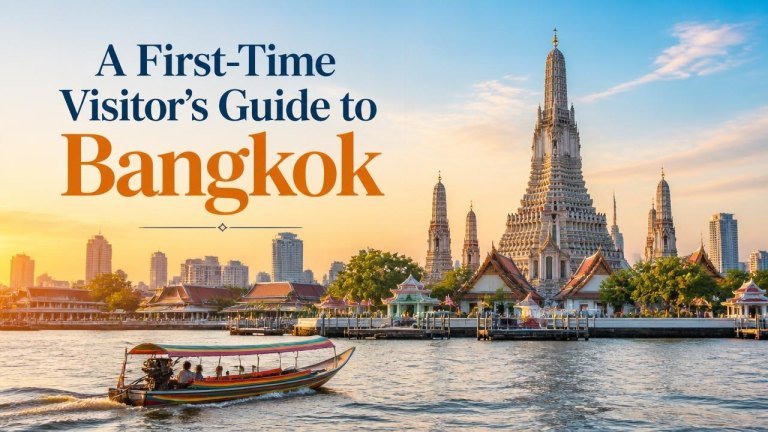
Bangkok can feel overwhelming at first: ancient temples stand beside glass towers, quiet canals cut through busy neighborhoods, and a short journey can involve a train, a boat, and a tuk-tuk. The good news is that the city becomes much easier once you understand its districts, transport network, and daily rhythm.
This first-time visitor’s guide to Bangkok explains what to see, where to stay, how to get around, what to eat, and how to enjoy the city respectfully without trying to do everything in one trip.
Why Bangkok Is Worth Visiting
Historic landmarks, exceptional street food, and energetic neighborhoods give Bangkok its unmistakable character. You can explore royal architecture in the morning, eat noodles beside a canal at lunchtime, browse a modern shopping complex in the afternoon, and watch the city lights from a rooftop in the evening.
Bangkok is also an excellent introduction to Thailand because it combines major cultural attractions with convenient international connections, a wide choice of accommodation, and plenty of experiences for different budgets.

When to Visit Bangkok
Hot weather, seasonal rain, and high humidity shape the experience throughout the year. The cooler, generally drier period is often comfortable for sightseeing, but it is also a popular time to visit. The hotter months can be tiring when walking between temples, while the rainy season may bring short but heavy showers.
Rather than relying only on a seasonal label, check the forecast before each day and plan outdoor sightseeing for the morning or late afternoon. Keep flexible indoor alternatives available, such as museums, shopping centers, cafés, and traditional massage.
Where to Stay in Bangkok
Choose your base according to the kind of trip you want. Bangkok is large, and the principles behind where to stay in Kyoto also show why staying near a useful transport connection can save significant time.
Rattanakosin and the Old City
Grand Palace access, temple visits, and historic atmosphere make the Old City ideal for travelers focused on Bangkok’s cultural landmarks. Many attractions are close enough to combine on foot, although the heat and traffic can make short taxi or boat journeys useful.
Sukhumvit
BTS connections, restaurants and cafés, and modern hotels make Sukhumvit a practical choice for first-time visitors who want easy access to shopping, nightlife, and a broad range of dining options. The neighborhood stretches a long way, so check the distance to the nearest station before booking.
Silom and Sathorn
Business-district convenience, food markets, and river access make Silom and Sathorn versatile areas for both short breaks and longer stays. They offer a mix of offices, restaurants, parks, hotels, and evening activity.
Chinatown
Yaowarat Road, Chinese-Thai heritage, and late-evening food stalls create one of Bangkok’s most atmospheric bases. It is especially appealing if eating and photography are central to your trip, though the streets can be busy and lively at night.
Top Things to Do in Bangkok
For a first visit, focus on a few contrasting experiences rather than rushing between every attraction. Bangkok’s major highlights include historic and religious sites, markets, museums, parks, shopping districts, and riverfront areas.
Visit the Grand Palace and Wat Phra Kaew
Royal architecture, intricate decoration, and important Buddhist heritage make this one of Bangkok’s essential cultural visits. Dress modestly, cover shoulders and knees, and follow all photography and visitor instructions. Conditions, entry arrangements, and access can change, so verify current details through the official attraction information before going.
See Wat Pho
Temple courtyards, ornate stupas, and traditional Thai massage heritage are the main reasons to visit Wat Pho. It is conveniently paired with the Grand Palace because both are in the Old City. Arrive earlier in the day if you prefer a calmer atmosphere.
Cross the River to Wat Arun
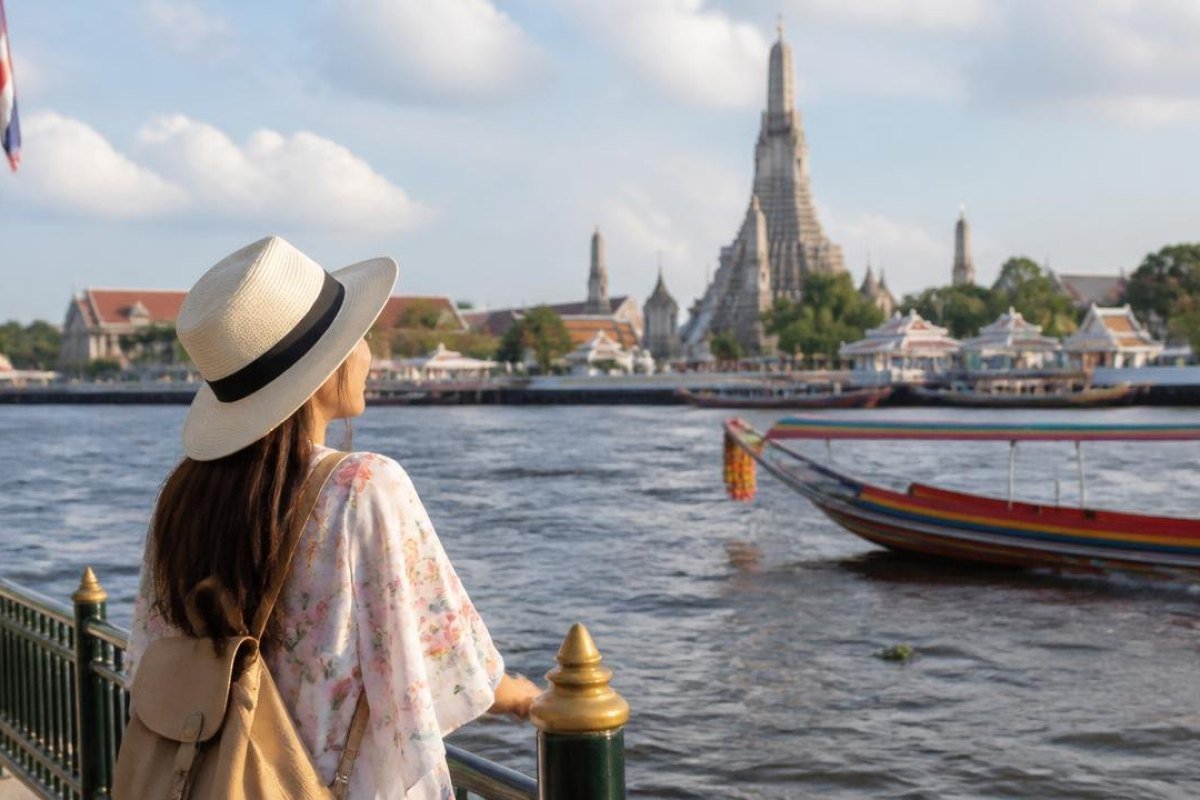
Riverside views, ceramic-covered details, and sunset photography make Wat Arun a memorable stop. The temple is especially striking from across the Chao Phraya River, but visiting the grounds gives you a closer look at its decorative surfaces and scale.
Explore Chinatown and Talat Noi
Street-food aromas, small shrines, and creative old-town streets reward slow exploration. Visit with an appetite, but avoid trying to cover the entire area in one rushed walk. The best experience often comes from wandering side streets and stopping wherever a stall or café looks busy with local customers.
Browse Chatuchak and Local Markets
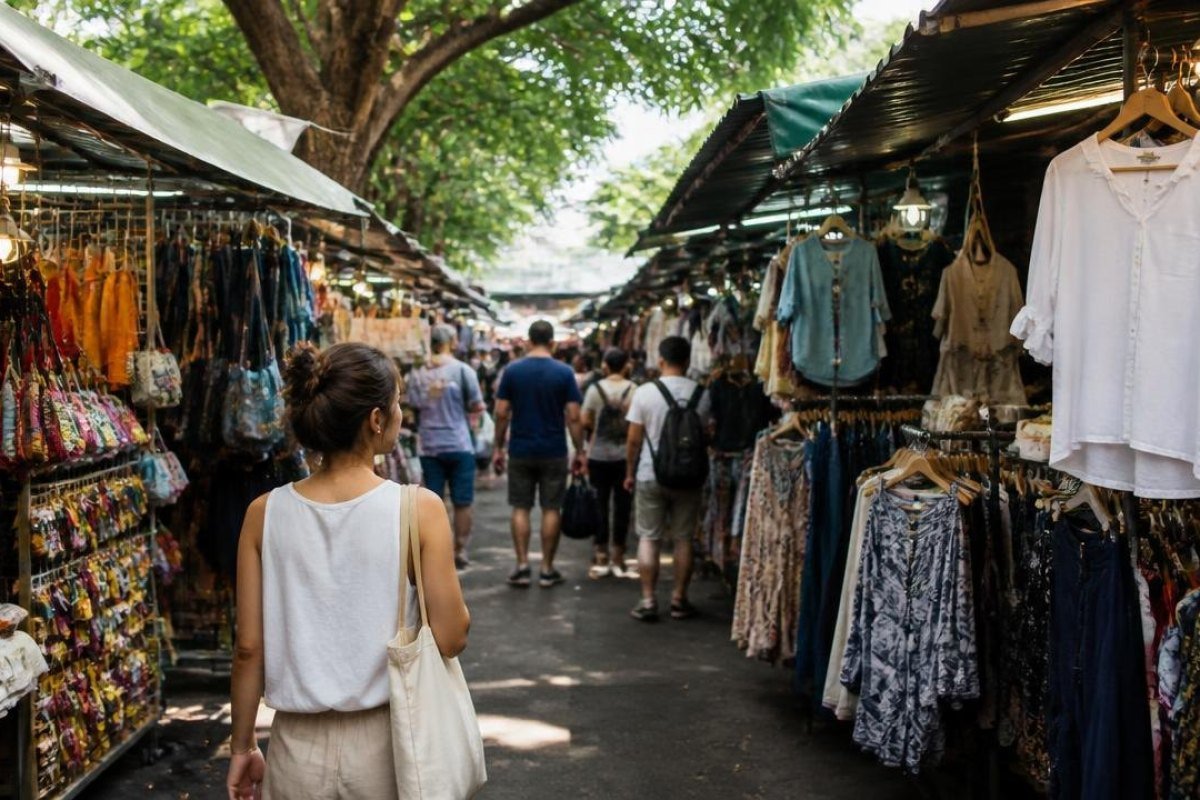
Weekend shopping, handmade goods, and local snacks make Chatuchak a popular choice for visitors. Bangkok also has neighborhood markets, flower markets, fresh-food markets, and evening bazaars. Opening days and operating areas can vary, so check current information before making a special journey.
How to Get Around Bangkok
BTS Skytrain, MRT subway, and river boats are often the most useful options for visitors. Rail services are particularly helpful when roads are congested, while boats can make journeys along the river both practical and scenic.

Use official route maps and station information to plan connections. Fares, operating arrangements, payment options, and interchange details can change, so confirm them on the relevant transport operator’s current website or at the station.
Using Taxis and Ride-Hailing Services
Metered taxis, app-based bookings, and hotel-arranged transfers can be convenient when public transport does not reach your destination directly. Ask for the meter when appropriate, confirm the destination in the app or on a map, and allow extra time during rush hour.
Taking a Tuk-Tuk
Short scenic rides, agreed pricing, and traffic awareness are key to using tuk-tuks comfortably. Agree on the total fare before departure and be cautious of unsolicited offers involving multiple stops, special shops, or unusually cheap sightseeing tours.
Using Boats on the Chao Phraya
River transport, landmark access, and cooler breezes make boats a useful alternative to road travel. Check the pier, route, direction, and fare before boarding, and be careful near wet platforms and during busy periods.
What to Eat in Bangkok
Bangkok is one of the world’s great food cities. Try a mix of best things to eat in Bangkok, regional Thai dishes, and fresh market snacks rather than eating only at restaurants aimed at tourists.
Good first choices include pad thai, boat noodles, green curry, som tam, grilled chicken, mango sticky rice, Thai-style omelets, and coconut-based desserts. Chinatown is known for lively evening eating, while local markets are useful for sampling small portions.
For a more comfortable introduction to unfamiliar dishes, choose stalls with a high turnover of food and observe basic hygiene. If you have allergies, communicate them clearly and carry a translated explanation if necessary. Tap water, ice, and raw ingredients may require extra caution depending on your personal health needs.
Bangkok Etiquette and Practical Tips
Modest temple clothing, quiet behavior in sacred spaces, and respect for local customs will make your visit smoother. Remove shoes where requested, never climb on religious structures, and avoid pointing your feet toward people or Buddha images.
Dress lightly for the heat, but carry a layer for strongly air-conditioned trains and shopping centers. Drink water regularly, use sun protection, and take breaks during long walking days. Bangkok’s pavements can be uneven, and motorbikes may use narrow spaces unexpectedly, so stay alert when crossing streets.
Keep valuables secure in crowded markets and transport hubs. Use official or clearly identified services, be wary of pressure to visit gem stores or tour offices, and confirm attraction closures before setting out.
A Simple Three-Day Bangkok Itinerary
Day One: Old Bangkok and the River
Grand Palace area, Wat Pho, and Wat Arun create a strong first day. Start early, pause for lunch, and leave time for a river crossing or a relaxed evening in Chinatown.
Day Two: Neighborhoods, Food, and City Views
Chinatown streets, Talat Noi lanes, and a rooftop or riverside viewpoint offer a different perspective on Bangkok. Keep the schedule flexible so you can stop for cafés, markets, and spontaneous discoveries.
Day Three: Shopping, Parks, or a Day Trip
Chatuchak Market, modern shopping districts, or a nearby cultural excursion can fill the final day. Choose one main area rather than attempting several distant destinations in heavy traffic.
How Long Should You Spend in Bangkok?
Three full days are enough for a first overview, but four or five days allow a more comfortable pace. With extra time, add a cooking class, museum visit, neighborhood walk, canal experience, or a practical Japan itinerary.
Bangkok rewards returning visitors because its appeal is not limited to a checklist of monuments. A second visit can focus on local markets, contemporary art, lesser-known temples, food neighborhoods, or a slower exploration of the riverside.
Final Advice for First-Time Visitors
Plan your must-see attractions, but leave space for unplanned discoveries and weather-friendly alternatives. Group nearby sights together, use rail and river transport when practical, and avoid judging the city by its traffic or heat during your first few hours.
Bangkok is at its best when you balance famous landmarks with ordinary moments: a bowl of noodles, a quiet temple courtyard, a train ride above the traffic, or an evening walk through a market. Arrive prepared, stay flexible, and let the city reveal itself at its own pace.