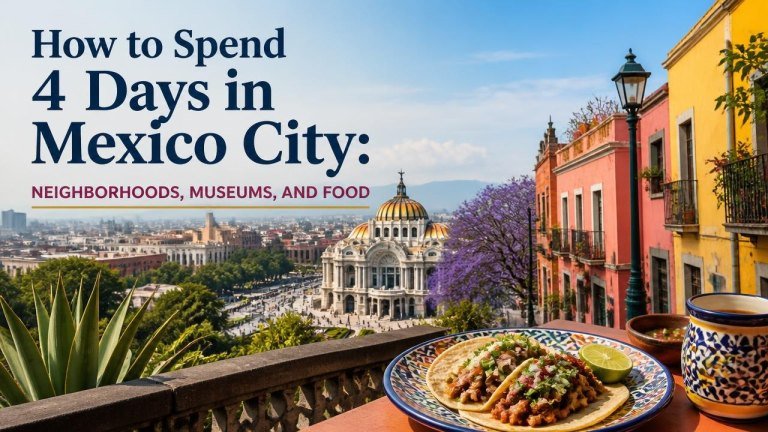
Mexico City rewards curious travelers with an extraordinary mix of things to do in Mexico City, creative neighborhoods, and regional Mexican cuisine. In four days, you can move from Aztec history and grand colonial plazas to Frida Kahlo’s Coyoacán, leafy Condesa streets, world-class museums, and a lively food scene.
This itinerary is designed to balance major sights with time to wander. Use public transportation when convenient, choose official taxis or reputable ride-hailing services at night, and check attraction websites before visiting because opening days, exhibitions, and ticket arrangements can change.
Before You Go: Planning a Four-Day Mexico City Trip
Choose accommodation in a neighborhood that matches your travel style. Centro Histórico is best for monuments and museums, while Roma Norte and Condesa offer cafés, restaurants, galleries, and a pleasant evening atmosphere. Polanco is convenient for upscale dining and Chapultepec museums.
Mexico City is at high elevation, so take your first day at a measured pace. Drink water, allow extra time when walking uphill or crossing large avenues, and avoid scheduling too many distant neighborhoods on the same day.
The Metro is useful for many parts of the itinerary, but stations and trains can be crowded. During busy periods, combine the Metro with walking, Metrobús, or a reputable ride-hailing service. Keep your phone and wallet secure in crowded areas, especially around transport hubs and busy markets.
Day 1: Centro Histórico and Mexico City’s Culinary Foundations
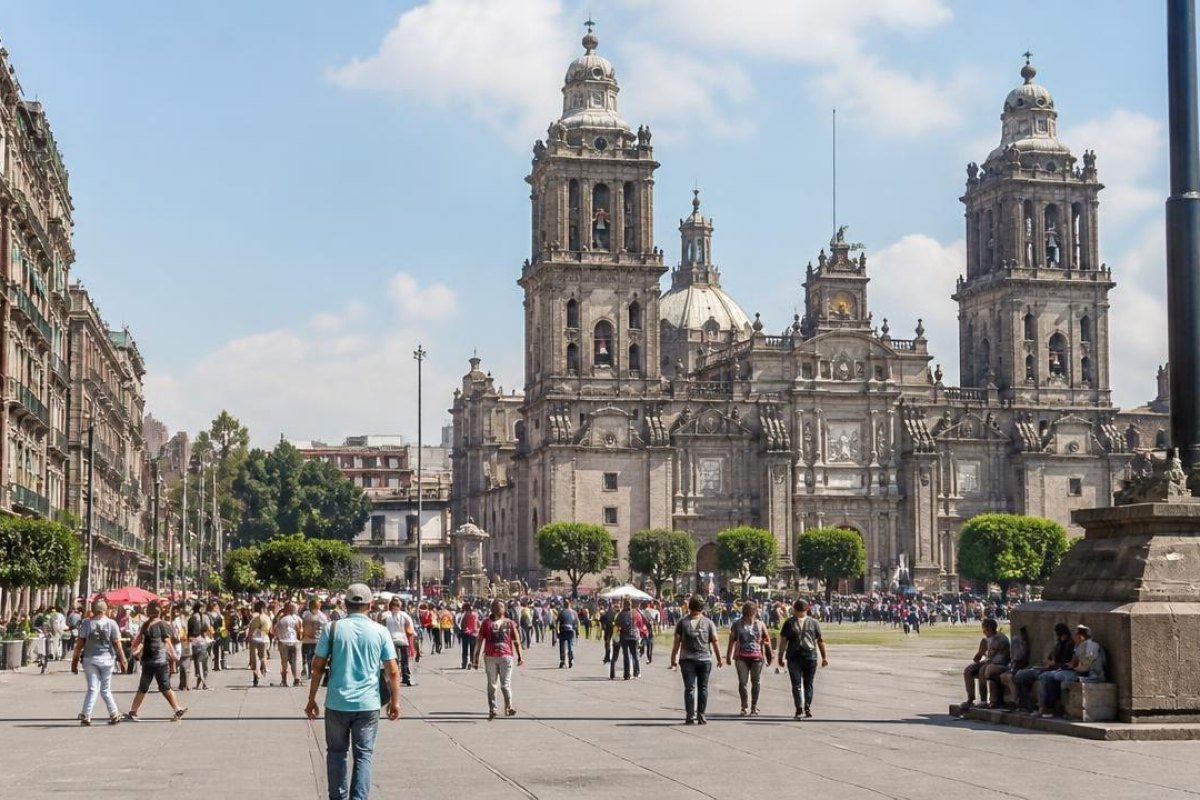
Begin in the historic center, where monumental architecture, Indigenous history, and everyday city life overlap. Start early at the Zócalo, the enormous central square bordered by the Metropolitan Cathedral and the National Palace.
Allow time to admire the cathedral’s interior and exterior details, then visit the National Palace if it is open and visitor access is available. Its Diego Rivera murals provide a sweeping visual interpretation of Mexico’s history, but entry procedures and access to individual areas can vary.
Continue to the Templo Mayor archaeological site and museum. The remains reveal how the Mexica capital once stood at the heart of the city, while the museum displays objects connected with the ancient ceremonial precinct. Wear comfortable shoes: the route includes uneven surfaces and extensive standing.
For lunch, explore the traditional eateries and market stalls around Centro Histórico. Look for tacos al pastor, tlacoyos, pozole, or a simple meal built around corn tortillas and seasonal salsas. Choose busy establishments with strong local turnover, and be cautious with raw garnishes if you have a sensitive stomach.
In the afternoon, walk along Madero Street toward the Palacio de Bellas Artes. The pedestrian route is lined with historic façades, shops, churches, and cafés. Visit Bellas Artes if the galleries and performance spaces fit your schedule, then step into Alameda Central for a more relaxed pause.
End the day with dinner in Centro or nearby Juárez. For a first evening, try a modern Mexican restaurant, a traditional cantina, or a casual taquería rather than attempting to cross the city for one reservation.
Day 2: Chapultepec, Anthropology, and Polanco
Dedicate your second day to Chapultepec, one of the city’s most important green spaces and the setting for several major cultural institutions. Start at the National Museum of Anthropology, which covers the archaeological heritage and living Indigenous cultures of Mexico through extensive collections and galleries.
The museum is large, so do not try to see every room in detail. Prioritize the Mexica, Maya, Oaxaca, and Gulf Coast collections, then spend time in the ethnographic rooms if your energy allows. Check the official museum information before going because opening hours, admission policies, and temporary exhibitions may change.
After the museum, walk through Chapultepec Forest. Depending on your interests and the day’s energy, visit Chapultepec Castle, explore the surrounding paths, or simply take a shaded break. The castle offers historical rooms and elevated views, but allow extra time for the uphill walk.
Continue toward Polanco for lunch or an afternoon coffee. The neighborhood combines upscale restaurants, designer shops, and calm tree-lined streets. Avenida Presidente Masaryk is polished and commercial, while nearby streets offer galleries and more intimate dining options.
Art lovers can add the Museo Soumaya or Museo Jumex, subject to current opening arrangements and exhibition schedules. If you prefer a slower afternoon, visit the Museo Nacional de Antropología only and spend the rest of the day in the park.
For dinner, Polanco is a strong choice for a special meal, but reservations are advisable at popular restaurants. Alternatively, return to Condesa or Roma Norte for a more casual selection of tacos, seafood, natural wine bars, and contemporary Mexican cooking.
Day 3: Roma Norte, Condesa, and Contemporary Mexico City
Begin with breakfast in Roma Norte or Condesa. These neighborhoods are ideal for a relaxed morning of specialty coffee, bakery stops, and neighborhood walks. Look for restored early twentieth-century buildings, Art Deco details, independent bookstores, and small design shops.
Morning Walk Through Roma Norte and Condesa
Walk around Avenida Álvaro Obregón, Plaza Río de Janeiro, and the tree-lined streets near Parque México. Notice the contrast between historic mansions, modern galleries, and everyday residential life. Keep the morning flexible because the pleasure of these neighborhoods comes from wandering rather than checking off a long list.
For lunch, choose a restaurant or market counter specializing in regional dishes. You might encounter food from Oaxaca, Veracruz, Yucatán, Puebla, or the northern states. Ask about ingredients and preparation, especially if you are unfamiliar with very spicy sauces or regional terms.
Afternoon Art and Local Flavor
Spend the afternoon at a museum or gallery that matches your interests. Options may include modern art, photography, design, or the history of Mexican popular culture. Check the official venue calendar in advance, since museums may close one day each week or change access for special events.

Later, visit Mercado Medellín or another neighborhood market for fruit, snacks, spices, and regional products. Markets are best experienced respectfully: ask before photographing vendors, keep valuables secure, and avoid blocking narrow aisles.
End with dinner in Roma Norte or Condesa. A good plan is to share several dishes, such as tostadas, quesadillas, tamales, or seasonal vegetables, rather than ordering one large entrée. Finish with churros, pan dulce, or a Mexican dessert if you still have room to explore these foods to try in Mexico City.
Day 4: Coyoacán and Xochimilco
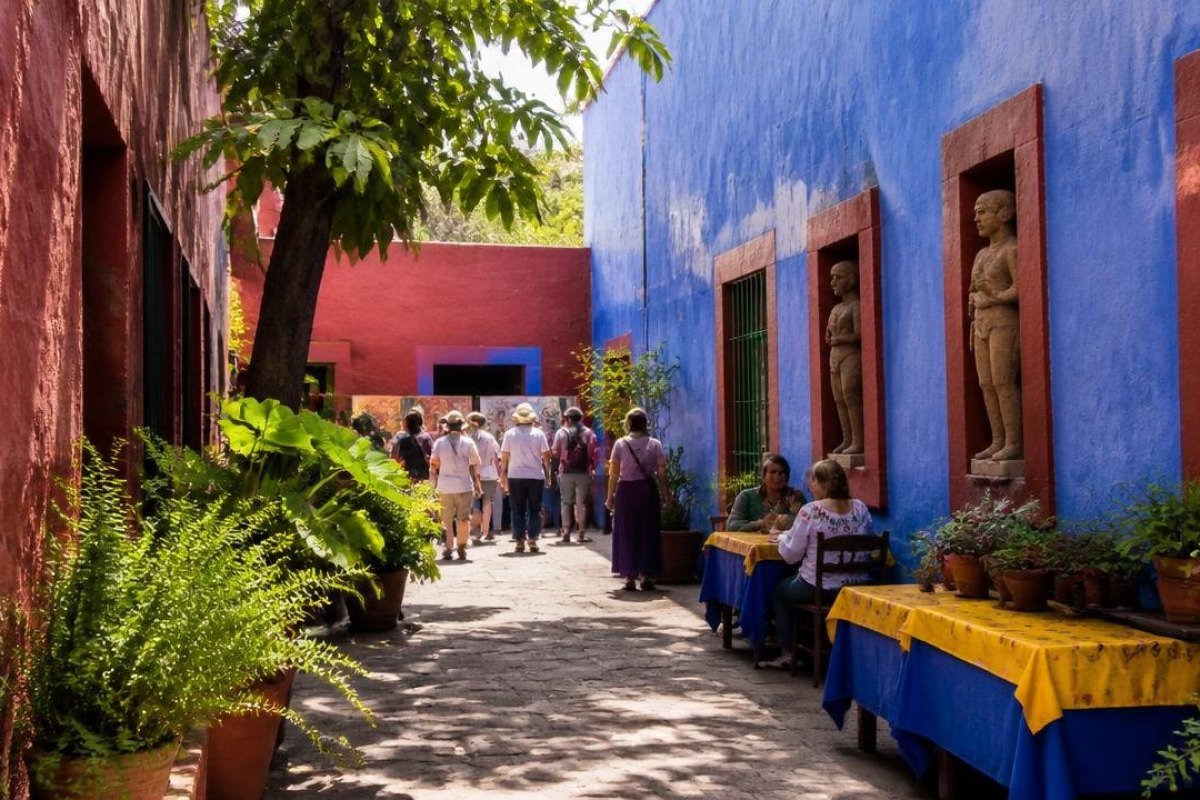
Spend your final day south of the historic center. Begin in Coyoacán, a neighborhood known for its cobblestone plazas, colonial churches, and artistic history. Arrive early enough to enjoy the area before the busiest hours.
Visit the Frida Kahlo Museum, also known as Casa Azul, only with advance planning. Tickets and time slots can be in demand, and the museum’s visitor rules may change. Confirm the official booking process before your trip rather than relying on informal sellers.
After Casa Azul, walk through Plaza Hidalgo and Jardín Centenario. Stop for coffee, churros, churros rellenos, or a light lunch, then browse the local market for colorful sweets, crafts, and Mexican snacks.
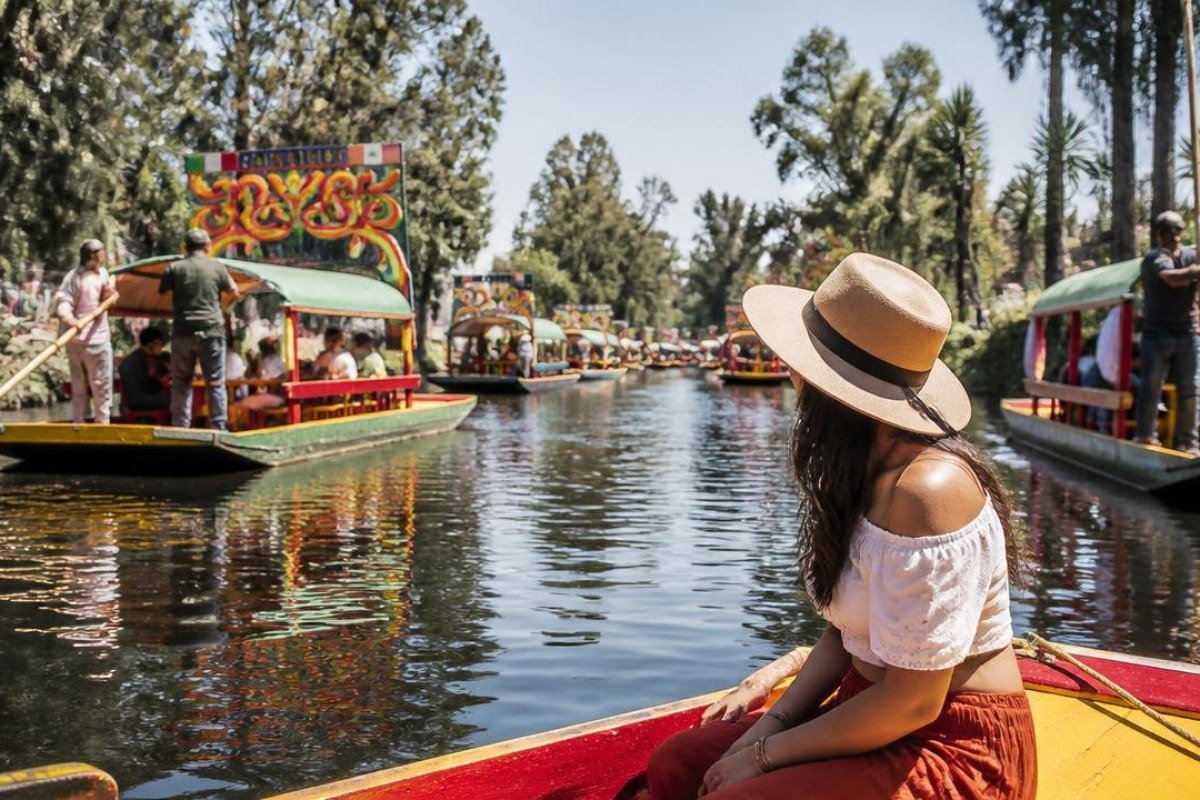
In the afternoon, continue to Xochimilco if you want a distinctly local and festive experience. The canals are explored by trajineras, brightly painted boats traditionally used for group outings. Confirm the official embarcadero arrangements, agree clearly on the boat price and duration before boarding, and bring water, sun protection, and small cash.
Xochimilco is most enjoyable when treated as a social outing rather than a quick sightseeing stop. Mariachi boats, food sellers, and floating vendors may add to the atmosphere, but costs can vary. Ask about prices in advance and keep personal belongings close while the boat is moving.
If you prefer a quieter final afternoon, replace Xochimilco with the Anahuacalli Museum or another southern Mexico City cultural attraction, checking its current schedule before setting out.
What to Eat During Four Days in Mexico City
Mexico City’s food culture is too broad to summarize in a single checklist, but a few dishes make a useful starting point. Try tacos al pastor for a classic city favorite, chilaquiles for breakfast, and tamales from a busy morning stall.
Look for regional specialties such as Oaxacan moles, Yucatecan cochinita pibil, Pueblan cemitas, or seafood from Mexico’s Pacific and Gulf coasts. For an easy snack, sample esquites, elotes, fresh fruit with lime, or pan dulce from a respected bakery.
Mexican beverages are equally varied. Try aguas frescas, café de olla, horchata, tepache, or a carefully prepared mezcal cocktail. If drinking alcohol, pace yourself: the altitude, heat, and long walking days can make its effects stronger.
Getting Around Mexico City
The Metro is inexpensive and connects many major areas, while Metrobús and other public transport services can be useful for routes along major avenues. Use official maps and current service notices because maintenance work, temporary closures, and special-event changes can affect journeys.
Walking works well within Centro Histórico, Roma Norte, Condesa, Coyoacán, and Polanco, but distances between these neighborhoods are substantial. For late-night travel or cross-city trips, use a reputable ride-hailing service or an authorized taxi option.
Allow more time than a map estimate suggests. Traffic can be heavy, museum entrances may involve queues, and large sites such as Chapultepec and the National Museum of Anthropology require more walking than expected.
Practical Tips for a Smooth Visit
Carry a refillable water bottle, comfortable shoes, sunscreen, and a light layer for cool mornings or rainy afternoons. Cash remains useful for markets, small food stalls, transit top-ups, and informal purchases, although many restaurants and museums accept cards.
Use only bottled or properly filtered water if you are unsure about local supplies, and choose busy food stalls where ingredients are cooked fresh. Respect museum rules, religious spaces, and neighborhood residents, particularly when photographing people or private homes.
Mexico City’s weather can change quickly, especially during the rainy season. Keep a compact rain jacket in your day bag and protect your phone during sudden downpours. Before each major outing, verify official opening times, ticket requirements, and transport conditions.
How to Adjust This Itinerary
Travelers interested in history can spend longer in Centro Histórico and add the National Museum of History in Chapultepec. Art-focused visitors may prefer extra time in Roma Norte, Coyoacán, and the city’s contemporary galleries.
Food lovers should reserve one evening for a destination restaurant and use the other meals for markets, bakeries, taco shops, and neighborhood restaurants. Families may want to reduce the number of museums per day and include more parks, plazas, and boat time in Xochimilco.
The key is to leave room for the city’s unexpected pleasures: a beautiful courtyard, a neighborhood bakery, live music from an open doorway, or a conversation over a plate of tacos. Four days will not cover all of Mexico City, but this route gives you a strong introduction to its history, neighborhood character, and food culture.