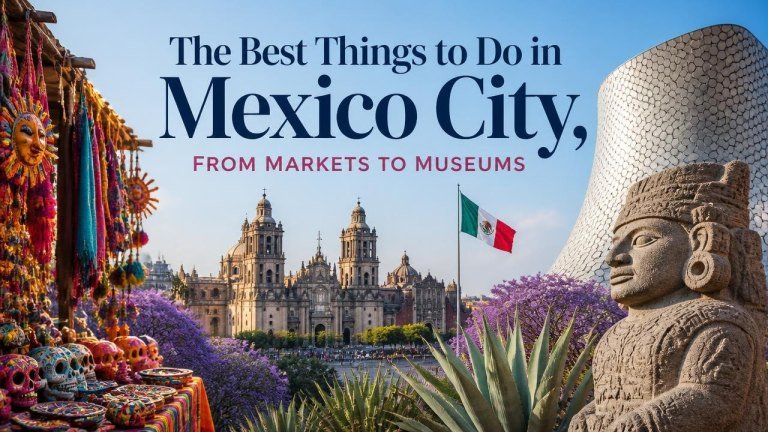
Mexico City is a destination of remarkable contrasts: ancient Mexica history sits beneath colonial façades, contemporary galleries share streets with traditional markets, and quiet parks open into one of the world’s most energetic capitals. The best way to experience it is to combine major landmarks with time spent simply walking, eating, and observing daily life.
Begin in the Historic Center
The Historic Center is the natural introduction to Mexico City. Start at the Zócalo, the vast central square surrounded by some of the capital’s most important buildings. From here, you can explore several centuries of history within a compact, walkable area.
Visit the Metropolitan Cathedral, admire the murals and architecture of the National Palace, and explore the archaeological remains of Templo Mayor, where the layers of the modern city reveal the former Mexica capital of Tenochtitlan. The contrast between pre-Hispanic ruins, colonial structures, and contemporary city life is one of the area’s defining experiences.
Continue along pedestrian-friendly Madero Street toward Alameda Central and the Palacio de Bellas Artes. Along the way, look for historic buildings, grand interiors, street performers, independent shops, and cafés that make the center feel like a living urban museum.

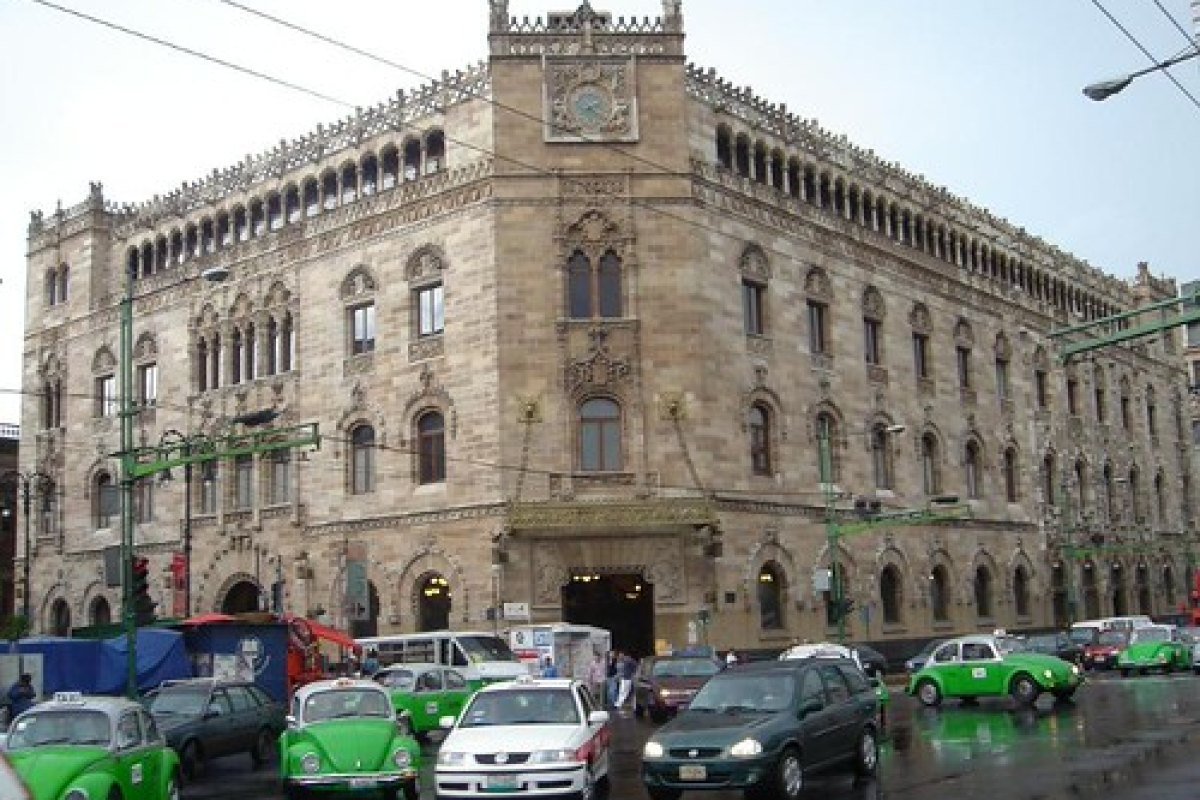
Explore Mexico City’s Museums
Mexico City rewards travelers who plan their days around museums. Its collections cover ancient civilizations, Mexican art, and modern cultural history, with institutions ranging from grand national museums to intimate neighborhood spaces.
Visit the National Museum of Anthropology
The National Museum of Anthropology is one of the city’s essential cultural experiences. Its galleries present the civilizations and communities of Mexico through archaeological objects, sculpture, architecture, and ethnographic displays.
Allow several hours if you want more than a quick overview. The Mexica, Maya, Oaxaca, and Gulf Coast collections are particularly important, while the central courtyard and its monumental water feature provide a memorable architectural pause between galleries. Check the museum’s official information before visiting for current opening days, admission details, and temporary exhibitions.
Discover Art Around Chapultepec and Reforma
Chapultepec and Paseo de la Reforma place several major museums within the same broad cultural corridor. Depending on your interests, add the National Museum of History inside Chapultepec Castle, the Museum of Modern Art, or the Tamayo Museum to your itinerary.
For contemporary and design-focused collections, the Polanco area offers destinations such as the Soumaya Museum and the Jumex Museum. Their collections and exhibitions differ, so review the current programs before choosing which ones to visit.
Spend Time in Chapultepec Park
Chapultepec Park is more than a green space between museums. It is a vast urban landscape of forest paths, cultural institutions, and quiet viewpoints where visitors can slow down after exploring the city’s busiest districts.
Walk through the first section toward Chapultepec Castle, which stands on a hill and offers historic interiors as well as elevated views across the capital. The park also includes lakes, monuments, gardens, family attractions, and cultural venues spread across multiple sections.
Because the park is extensive, avoid trying to see everything in one visit. Choose one or two museums, combine them with a walk, and leave time for a relaxed meal or coffee nearby. Review official venue information in advance, since individual attractions may follow different schedules.
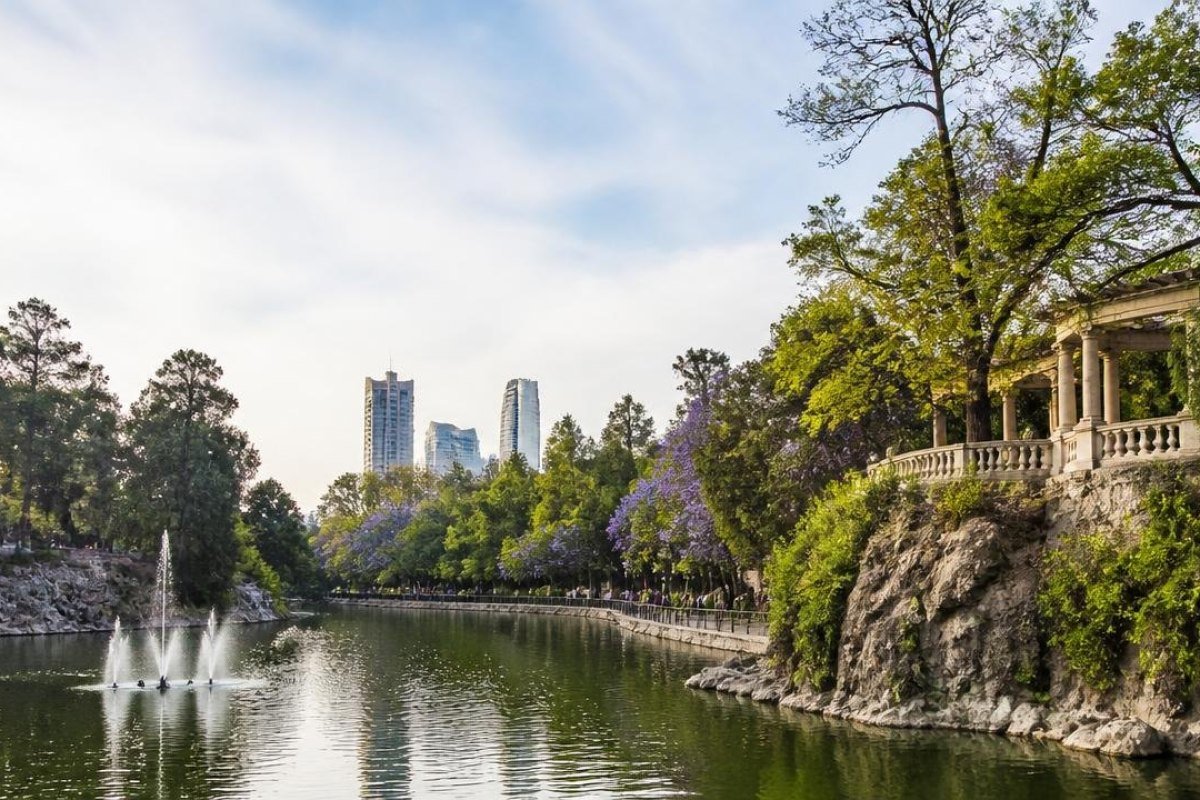
Shop and Eat in Mexico City’s Markets
Markets are among the best places to experience the city’s everyday energy. They bring together regional ingredients, street food, and handmade goods in environments that are often more colorful and spontaneous than formal attractions.
Try Traditional Foods at Local Markets
Mercado de la Merced is one of the city’s best-known market districts, with stalls selling produce, spices, sweets, flowers, and prepared food. Mercado de San Juan is known for unusual ingredients, specialty products, and a more culinary-oriented atmosphere; these markets are among the best foods to try in Mexico City.
Come with an appetite and try a few small portions rather than committing to one large meal. Look for fresh tortillas, tacos and antojitos, seasonal fruit, and traditional sweets. Busy stalls with a steady local crowd are often a useful sign of quality, although travelers should still choose food that appears freshly prepared and handled carefully.
Find Crafts and Vintage Treasures
For Mexican crafts, textiles, ceramics, and souvenirs, explore the Ciudadela area and other established artisan markets. La Lagunilla is especially interesting for vintage objects, clothing, furniture, and weekend street-market browsing.
Prices may vary according to the material, workmanship, and provenance of an item. Ask politely before taking photographs, compare several stalls, and carry purchases securely in crowded areas.
Walk Through Roma, Condesa, and Juárez
The neighborhoods of Roma, Condesa, and Juárez offer a different view of the capital, shaped by tree-lined streets, Art Deco architecture, and independent cafés. They are ideal for travelers who enjoy exploring without a strict checklist.
In Roma Norte, browse galleries, bookstores, restaurants, and small design shops. Condesa is known for its leafy avenues and relaxed parks, while Juárez combines historic buildings with contemporary dining, nightlife, and creative businesses.
Set aside an afternoon to walk between neighborhoods, stopping for coffee, a casual lunch, or a cocktail. These districts are particularly enjoyable when you focus on their street life rather than trying to visit every recommended venue.
Experience Coyoacán and Frida Kahlo’s Mexico City
Coyoacán has a slower rhythm, with cobblestone streets, plazas and fountains, and a strong artistic identity. Its central squares are pleasant places to wander before exploring nearby markets, cafés, and cultural sites.
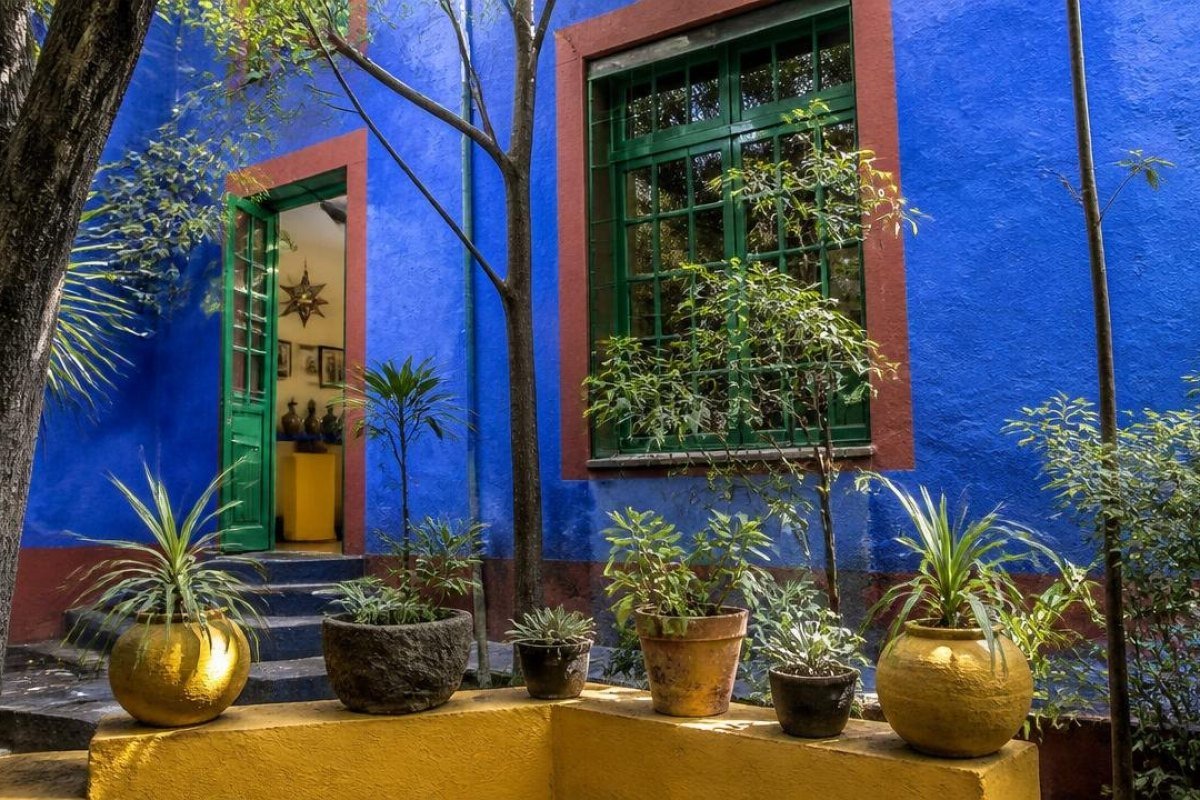
The Frida Kahlo Museum, known as Casa Azul, is one of the area’s most popular attractions. Tickets and entry arrangements can be in high demand, so check the museum’s official booking information well before your visit. The blue-painted house, personal objects, and artistic context make it especially meaningful for travelers interested in Kahlo and Diego Rivera.
Combine Casa Azul with a walk through the neighborhood and a visit to a local market. If you prefer a broader look at Mexican folk art and cultural traditions, investigate the other museums and cultural centers in Coyoacán as well.
Take a Trajinera Ride in Xochimilco
Xochimilco is famous for its network of historic canals and brightly decorated trajineras. A boat ride offers a lively experience shaped by floating gardens, music on the water, and groups gathering for meals and celebrations.
The atmosphere can range from peaceful to festive depending on the canal, day, and time of visit. Agree on the price and duration of your ride before boarding, and confirm what is included if you plan to hire musicians, buy food, or add other services.
Xochimilco is farther from the central sightseeing areas, so allow generous travel time. Go for the cultural experience rather than expecting a quiet nature excursion; the canals are part of a living recreational tradition.
See the City from Above
Mexico City’s scale becomes easier to understand from an elevated viewpoint. Consider a rooftop, observation deck, or hilltop attraction for views of the central skyline, Chapultepec’s greenery, and the surrounding mountains.
The observation area at Torre Latinoamericana is a classic choice near the Historic Center, while Chapultepec Castle provides a more historic setting. Sunset can be especially atmospheric, but visibility depends on weather and air conditions, so keep your plans flexible.
Eat Your Way Through the Capital
Food is one of the strongest reasons to spend several days in Mexico City. Try a mix of street-side tacos, neighborhood bakeries, and regional Mexican cooking rather than relying only on famous restaurants.
Sample what to eat in Mexico City, including tacos al pastor, tamales, tlacoyos, quesadillas, churros, and seasonal fruit drinks. For a more formal meal, explore restaurants in Roma, Condesa, Polanco, or the Historic Center, where traditional techniques meet modern interpretations.
Mexico City’s altitude can affect some visitors during their first day. Drink water, pace yourself, and plan lighter activities if you feel tired while adjusting.
Getting Around Mexico City
The city is too large to explore entirely on foot, but many attractions work well in clusters. Use the Metro and Metrobús where practical, and consider app-based taxis or licensed transport for longer journeys and late-night travel.
Plan by neighborhood: combine the Zócalo, Templo Mayor, Bellas Artes, and nearby markets on one day; pair Chapultepec with its museums on another; and reserve separate time for Coyoacán, Xochimilco, or Teotihuacán. A first-time visitor’s guide to Mexico City can help with the city’s layout, while traffic can be heavy, so allow extra time between districts.
Check official transport updates before setting out, especially during public events, demonstrations, major celebrations, or temporary service changes. Keep valuables discreet in crowded areas and use normal urban travel precautions.
How to Plan Your Mexico City Visit
For a first visit, prioritize the Historic Center, Chapultepec and its museums, and one neighborhood-focused day in Roma, Condesa, or Coyoacán. With additional time, add markets, Xochimilco, and a day trip to Teotihuacán.
Avoid overloading your schedule. Mexico City’s best moments often happen between major attractions: a breakfast at a market, an unexpected mural, a quiet park bench, or a conversation over coffee. Leave room for these unplanned discoveries, and verify current opening hours, ticketing rules, and transport conditions shortly before each outing.