Japan can feel wonderfully overwhelming on a first visit: neon city streets, quiet temples, efficient trains, regional food, and centuries of tradition all compete for your attention. This 7-day Japan itinerary focuses on the classic route through Tokyo, Kyoto, and Osaka, giving you a practical introduction without trying to see the entire country in one week.
The schedule works best for travelers arriving in Tokyo and departing from Osaka, although it can easily be reversed. Keep your plans flexible around weather, seasonal events, attraction reservations, and transport conditions. For the latest opening information and train reservations, always check official websites before departure.
How to Use This 7-Day Japan Itinerary
This route combines big-city energy, historic neighborhoods, and regional cuisine while keeping the number of hotel changes manageable. Spend four nights in Tokyo, two nights in Kyoto, and one night in Osaka, or adjust the final night according to your departure airport.
Japan’s major cities are connected by frequent rail services, but stations can be large and transfers may take longer than expected. Allow extra time when changing trains, navigating luggage, or finding the correct platform.

For a smoother trip, reserve accommodation near a convenient station, travel with a compact suitcase, and avoid scheduling too many distant attractions on the same day.
Day 1: Arrive in Tokyo and Explore Shibuya
After arriving in Tokyo, check in, leave your luggage, and keep your first day relatively gentle. Jet lag, airport transfers, and unfamiliar train stations can make an ambitious sightseeing plan tiring.
Evening in Shibuya
Begin with Shibuya Crossing, then explore the surrounding streets, department stores, cafés, and observation venues. The area is especially lively after sunset, but it is also worth returning during daylight for a different atmosphere.
Walk toward Center-gai and the quieter side streets, or continue to Ebisu for restaurants and bars with a more local feel. For dinner, try a casual izakaya, ramen shop, sushi counter, or a restaurant specializing in grilled dishes.
Do not worry about seeing every famous viewpoint on your first evening. The best approach is to enjoy Tokyo’s atmosphere and recover before a full sightseeing day.
Day 2: Tokyo’s Traditional and Modern Highlights
Start early in Asakusa, one of Tokyo’s historic neighborhoods and most atmospheric districts. Visit Senso-ji Temple, walk along Nakamise-dori, and explore the smaller streets around the temple grounds. Early morning is generally more peaceful than the middle of the day.
From Asakusa, continue toward Ueno or Akihabara. Ueno offers museums, parks, and traditional shopping streets, while Akihabara is known for electronics, anime, gaming, and themed shops.
Finish the day in Ginza or around Tokyo Station. Ginza is ideal for department stores, polished dining, and evening walks, while the Marunouchi area offers impressive architecture and broad city views.
Use the subway strategically rather than crossing the city repeatedly. Tokyo Metro serves many major visitor areas, but Tokyo also has JR lines and other railway operators, so check the complete route before entering a station.
Day 3: Meiji Shrine, Harajuku, and Shinjuku
Visit Meiji Jingu in the morning, entering through its forested approach near Harajuku. The shrine provides a calm contrast to the surrounding shopping districts and is best experienced respectfully, without rushing through the grounds.
Continue through Harajuku and Omotesando. Takeshita Street is associated with youth fashion and colorful snacks, while Omotesando has contemporary architecture, boutiques, and cafés.
Afternoon and Evening in Shinjuku
Spend the afternoon in Shinjuku Gyoen if it is open and fits your schedule, or explore the department stores and underground passages around Shinjuku Station. Opening days and seasonal arrangements can change, so verify details before visiting.
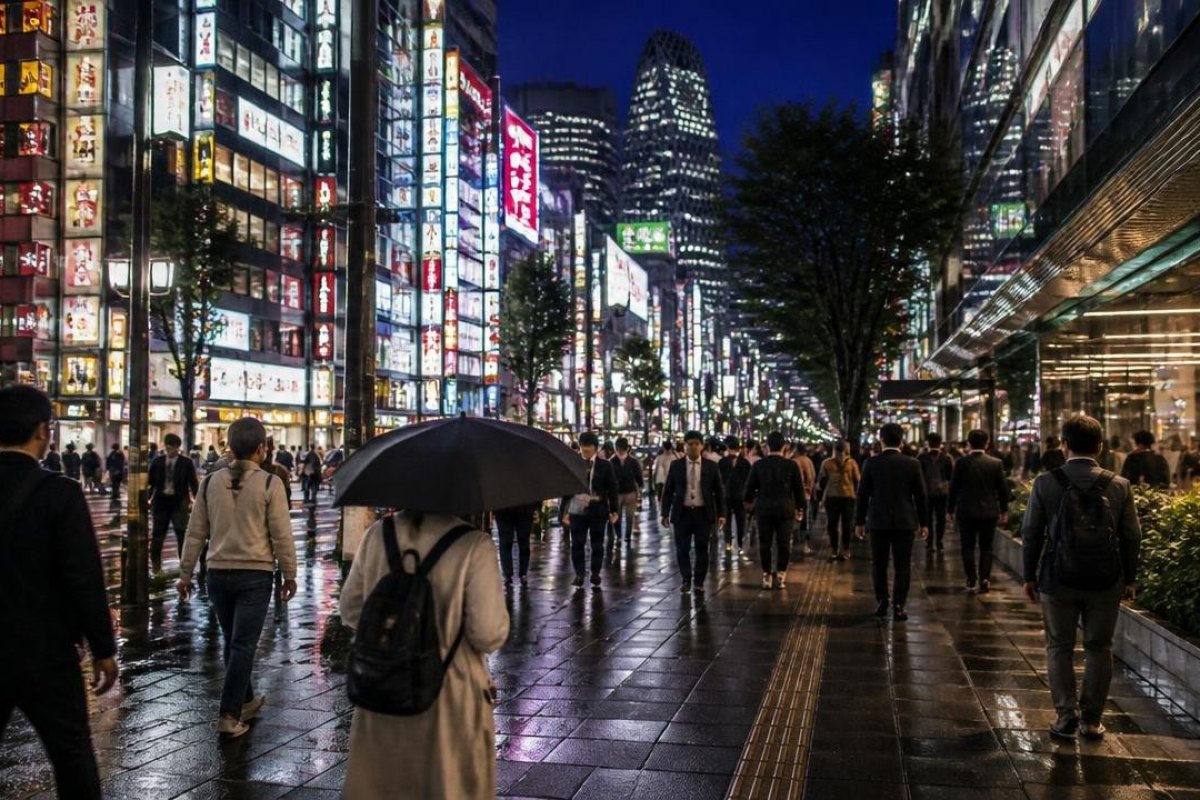
At sunset, head toward the Tokyo Metropolitan Government Building or another officially operated observation venue. Then explore Omoide Yokocho or the entertainment areas around Kabukicho while remaining aware of restaurant touts and unusually aggressive offers.
Tokyo’s train network is highly useful, but Shinjuku Station is vast. Save the exact exit number and destination name on your phone before leaving the platform.
Day 4: Choose a Tokyo Day Trip or a Flexible City Day
Your fourth day should remain flexible. Choose a day trip if you want a change of scenery, or stay in Tokyo if you prefer museums, shopping, gardens, and neighborhoods at a slower pace.
Option A: Kamakura
Kamakura combines temples, coastal scenery, and a relaxed small-city atmosphere. A typical visit may include the Great Buddha, Hase-dera, and Tsurugaoka Hachimangu, although the exact order depends on transport and crowd levels.
Wear comfortable shoes because the town is best explored on foot between stations and temple areas. Keep in mind that some religious sites have admission rules, photography restrictions, or changing schedules.
Option B: Nikko
Nikko is a stronger choice for forested landscapes, historic shrines, and mountain scenery. The journey takes longer than a central Tokyo neighborhood visit, so start early and check regional transport conditions before setting out.
Option C: Stay in Tokyo
For a relaxed city day, consider Daikanyama, Yanaka, Kiyosumi-Shirakawa, or the waterfront areas. You can also dedicate the day to a museum, food market, or shopping district that you skipped earlier.
Day 5: Tokyo to Kyoto by Shinkansen
Travel from Tokyo to Kyoto on the Tokaido Shinkansen. The journey takes roughly two hours on the fastest services, though the precise duration depends on the train selected. This route forms part of Japan’s Golden Route. Reserve seats through an official channel and check current conditions, especially during busy travel periods.
Try to sit on the side offering a possible view of Mount Fuji when traveling in the appropriate direction, but visibility depends entirely on weather. Do not build your entire day around seeing it from the train.
After arriving at Kyoto Station, check in and begin with an easy neighborhood walk. Good first-evening choices include Gion, the Kamo River area, or Nishiki Market if its operating hours suit your plans.

Kyoto is not simply an open-air museum. It is a living city, so keep noise low in residential streets, avoid blocking narrow paths, and never photograph private homes or people without permission.
Day 6: Kyoto’s Temples and Historic Districts
Start early at Fushimi Inari Taisha. The vermilion torii gates extend up the wooded hillside, and walking farther along the trail usually provides a quieter experience than staying near the entrance.
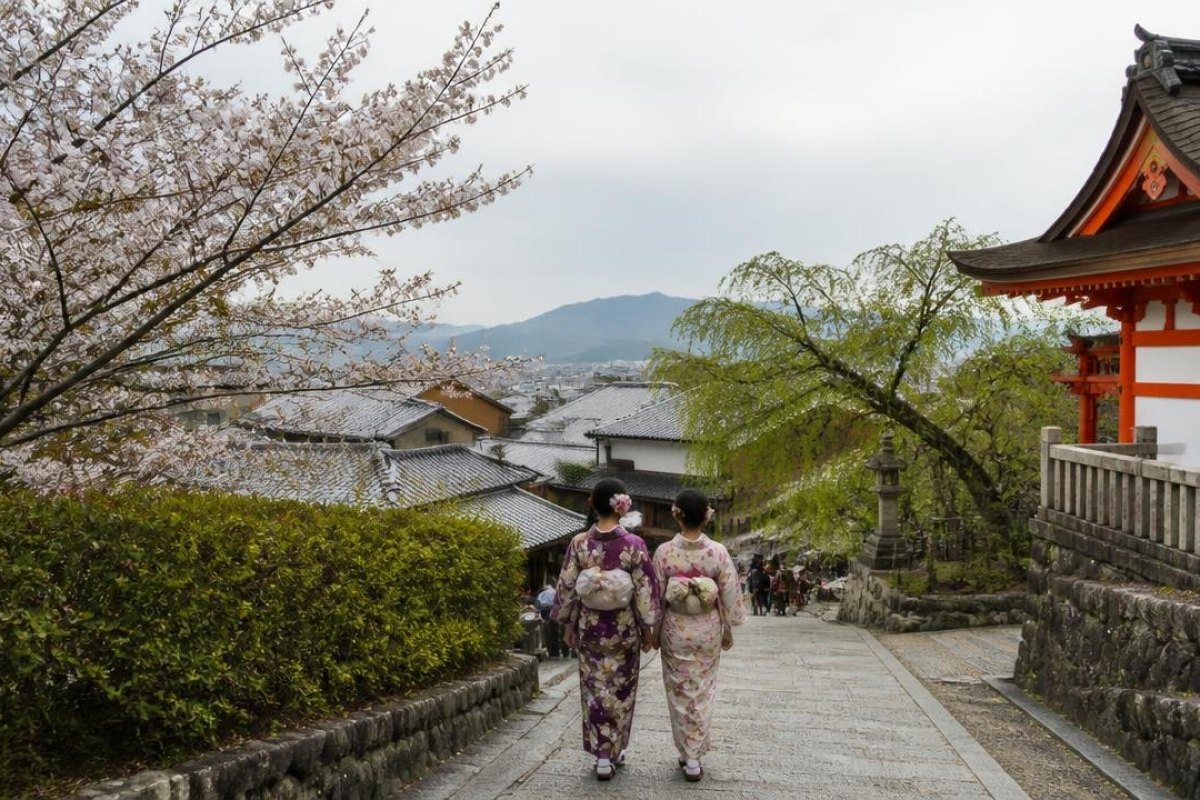
Continue to Kiyomizu-dera and the historic lanes of Higashiyama. Plan extra time for slopes, crowds, small shops, and photo stops. Comfortable footwear is essential.
In the afternoon, choose either Gion and the Philosopher’s Path area or the northwest temples around Kinkaku-ji and Ryoan-ji. Trying to visit every major temple in one day can turn a beautiful itinerary into a rushed checklist.
For dinner, look for kaiseki, tofu cuisine, seasonal vegetables, grilled seafood, or a casual noodle restaurant. Reservations may be necessary for popular dining rooms, particularly during holidays and peak seasons.
Day 7: Kyoto to Osaka and Departure
Travel from Kyoto to Osaka in the morning, leaving enough time for hotel checkout and luggage storage. Osaka is close to Kyoto by train, but your preferred route depends on your destination and departure airport.
Osaka Highlights
Explore Dotonbori and the canal area for Osaka’s famous signs, street food, and energetic nightlife. Continue to Shinsaibashi for shopping, or visit Kuromon Market if its current trading hours and stall availability match your plans.
If you prefer history, visit Osaka Castle and its surrounding park. If you have an evening departure, keep your final sightseeing close to a convenient rail connection rather than crossing the city with heavy luggage.
Make time for Osaka specialties such as takoyaki, okonomiyaki, kushikatsu, or udon. Eat at established venues, follow local queuing practices, and confirm the last practical train or airport connection before settling in for dinner.
Where to Stay on a First Japan Trip
In Tokyo, Shinjuku is convenient for transport and nightlife, while Shibuya suits travelers who want shopping, cafés, and a youthful atmosphere. Asakusa and Ueno offer a more traditional feel and straightforward access to several attractions.
In Kyoto, staying near Kyoto Station makes intercity travel easy. Gion and Higashiyama place you closer to historic sights, though accommodation may be more expensive and streets can be quieter at night. A first-time Kyoto guide can help you compare these areas.
In Osaka, consider Namba for food and nightlife or Umeda for major rail connections. Choose based on your departure plans, not only on the neighborhood’s reputation.
Transport Tips for Japan
Use an IC card where accepted for convenient local travel, but remember that coverage and payment methods can vary between operators and regions. Keep some cash available for smaller businesses, lockers, or locations that do not accept every payment type.
For the Tokyo–Kyoto journey, compare the cost of individual tickets with any rail pass before buying. A nationwide pass is not automatically the cheapest option for a short itinerary concentrated along the Golden Route.
Large stations can involve long walks and multiple levels. Follow line colors, station numbers, and English signs, and allow extra time for transfers. For Shinkansen travel, check luggage rules and reserve an oversized-baggage area when required.
Keep your luggage compact. Coin lockers are useful, but availability is not guaranteed at every station, especially during busy periods.
Food and Cultural Etiquette
Japan offers everything from convenience-store breakfasts to refined seasonal menus. Do not feel pressured to eat only at famous restaurants; neighborhood cafés, train-station dining floors, and small family-run shops can be excellent.
Remove shoes when required, avoid eating while walking in crowded areas, and do not leave tips unless a venue specifically explains otherwise. At temples and shrines, observe signs about photography, purification, and appropriate behavior.
Public transport is generally quiet. Keep phone conversations brief, use headphones, queue neatly, and let passengers exit before boarding.
What to Book Before You Go
Reserve international flights, accommodation, and any highly popular attractions well in advance. Some restaurants, observatories, cultural experiences, and seasonal events use timed entry or advance reservations.
Check passport and entry requirements through official government sources for your nationality, as rules can change. Travel insurance, medication documentation, and emergency contact details are also worth preparing before departure.
Download offline maps, save hotel addresses in Japanese characters, and keep digital copies of key documents. Before each travel day, check official railway updates, weather forecasts, and attraction notices.
How to Adjust This Itinerary
For a slower trip, remove the Tokyo day trip and add another day in Kyoto. For more nightlife and food, give Osaka two nights and shorten Tokyo by one night. Travelers arriving in Osaka can reverse the route and finish in Tokyo.
Families may prefer fewer temples and more interactive museums or parks. Food-focused travelers can add market visits and cooking experiences, while photographers should schedule early mornings for Fushimi Inari, Asakusa, and quieter Kyoto streets.
The best first trip is not the one with the longest attraction list. It is the one that leaves enough time to notice the details: a quiet shrine, a perfect train connection, a bowl of noodles, or an evening walk with nowhere else to be.