The Best Neighborhoods to Explore in Tokyo
Tokyo is not one single city experience but a collection of distinct neighborhoods, each with its own rhythm, food culture, shopping scene, and architectural character. The best way to explore is to choose areas that match your interests rather than trying to see everything at once, while using a guide to things to do in Tokyo to shape your plans.
This guide highlights the neighborhoods that offer the most rewarding mix of local atmosphere, landmarks, and walkable streets, whether you are visiting Tokyo for the first time or returning for a deeper look.
Shibuya: Tokyo’s Energetic Modern Center
Shibuya is the obvious choice for travelers who want to experience Tokyo’s fast-moving, fashion-conscious side. The famous Shibuya Scramble Crossing is only the beginning: surrounding streets are packed with department stores, independent boutiques, music venues, cafes, and restaurants.
Spend time around Center-gai for youthful energy, then move toward Miyashita Park or the quieter streets near Shibuya’s western side. For a more relaxed walk, continue toward Daikanyama or Nakameguro, where the atmosphere becomes greener and more residential.

Best for: fashion, nightlife, shopping, contemporary culture, and first-time Tokyo experiences.

Shinjuku: Skyscrapers, Nightlife, and Endless Choices
Shinjuku combines monumental city views with some of Tokyo’s most atmospheric backstreets. The area around the west exit is known for towering skyscrapers and business districts, while the east side leads to lively shopping streets and nighttime entertainment.
Do not miss the contrast between the spacious paths of Shinjuku Gyoen National Garden and the neon-lit lanes around Kabukicho. Omoide Yokocho offers a compact alleyway experience, while Golden Gai is known for its tiny bars and distinctive nighttime character.
Shinjuku Station is one of the city’s major transport hubs, so it is convenient for combining with nearby Harajuku, Yoyogi, or Nakano. Because the station area is large and exits can be confusing, allow extra time when meeting someone or changing trains.
Best for: nightlife, city views, shopping, gardens, and a high-energy urban atmosphere.
Asakusa: Historic Tokyo Along the Sumida River
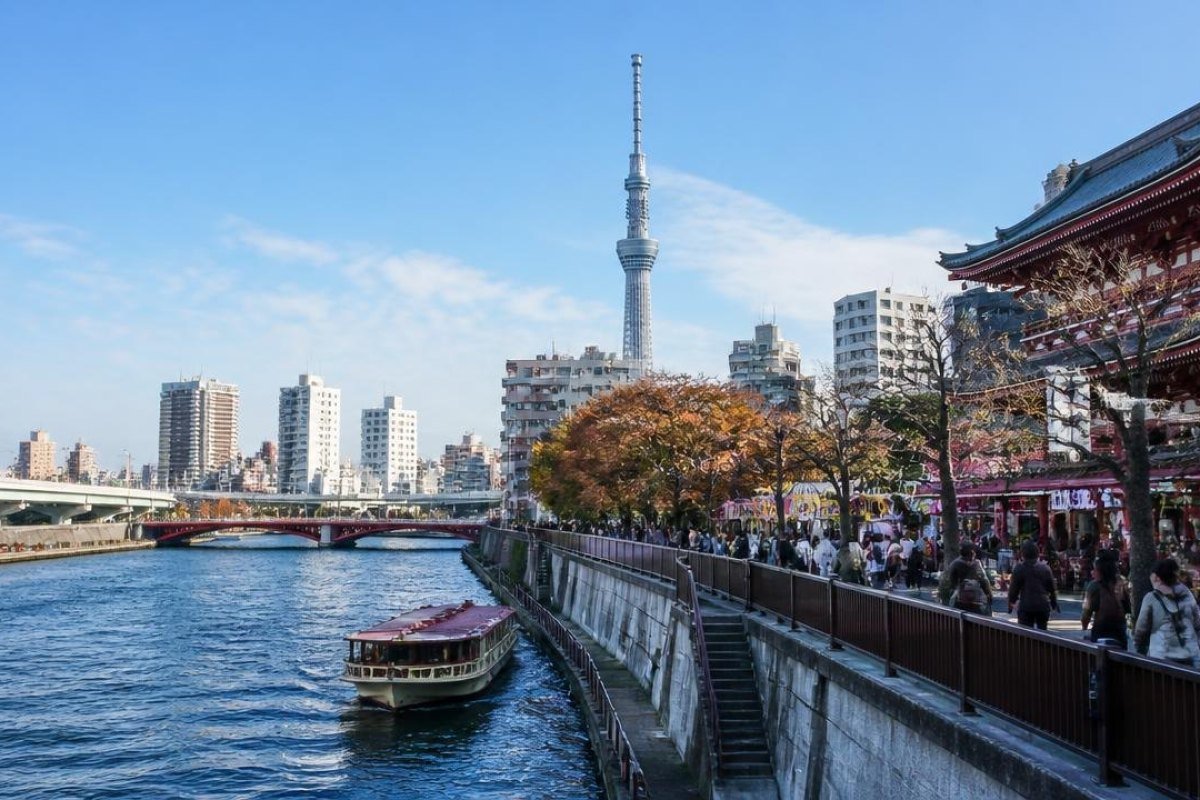
Asakusa is one of the best neighborhoods for seeing Tokyo’s traditional side. Begin at Senso-ji Temple, approach through Nakamise-dori, and then explore the surrounding lanes at a slower pace. The area is especially atmospheric in the morning, before the busiest crowds arrive.
Beyond the temple grounds, you will find traditional sweets, casual restaurants, souvenir shops, and views toward the Sumida River. The neighborhood also provides an excellent base for exploring nearby Kuramae, known for craft studios and design-led stores, or crossing toward the Tokyo Skytree area.
Asakusa is ideal for travelers who want memorable architecture and street scenes without relying entirely on large modern attractions.
Best for: temples, traditional streets, riverside walks, local snacks, and cultural photography.
Ueno and Yanaka: Museums, Markets, and Old Tokyo
Ueno brings together major cultural institutions, open green space, and the lively Ameyoko shopping street. Ueno Park is home to several museums and is a pleasant place to slow down between indoor visits. Check individual museum websites before visiting, as exhibitions and opening arrangements can change.
Ameyoko, beneath and beside the railway tracks, has a more bustling feel, with food shops, cosmetics stores, clothing retailers, and casual places to eat. From Ueno, continue north toward Yanaka for a quieter experience of temple-lined streets, small galleries, traditional homes, and independent cafes.
Yanaka is particularly rewarding when explored on foot. Its narrow lanes and slower pace offer a striking contrast with the scale of central Tokyo.
Best for: museums, markets, historic neighborhoods, photography, and a less polished side of Tokyo.
Harajuku and Omotesando: Youth Culture Meets Design
Harajuku is associated with colorful street fashion, creative retail, and the busy lanes of Takeshita Street. It can be crowded, but the area remains a useful introduction to Tokyo’s youth culture and playful approach to style.
A short walk away, Meiji Jingu offers a forested setting and a more contemplative atmosphere. Continue toward Omotesando, where broad tree-lined avenues, modern architecture, and design-focused boutiques create a very different mood.
For a balanced visit, combine the energetic shopping streets with Meiji Jingu and the quieter paths around Yoyogi Park. This makes the area suitable for travelers who want both cultural landmarks and contemporary Tokyo.
Best for: fashion, architecture, shrines, design, and people-watching.
Ginza and Marunouchi: Elegant Shopping and City Landmarks
Ginza is Tokyo’s classic luxury district, defined by department stores, flagship boutiques, refined cafes, and polished side streets. The main avenue is especially pleasant when pedestrianized on selected weekends, although arrangements can vary.
Nearby Marunouchi offers a more business-oriented setting around Tokyo Station, with landscaped promenades, modern office towers, and views toward the Imperial Palace area. The contrast between historic facades and contemporary interiors makes this one of the city’s best neighborhoods for architecture and upscale dining.
Ginza is also a good choice for rainy-day exploration because many shopping complexes and underground passages are connected to public transport. Plan ahead for restaurants and special exhibitions, as popular venues may require reservations.
Best for: luxury shopping, dining, architecture, department stores, and central-city sightseeing.
Daikanyama and Nakameguro: Stylish Streets and a Slower Pace
Daikanyama feels more intimate than nearby Shibuya, with leafy lanes, design stores, independent fashion labels, and attractive cafes. It is a strong choice for travelers who prefer neighborhood wandering over major attractions.
Nakameguro is best known for the Meguro River and its concentration of restaurants, coffee shops, boutiques, and galleries. The river area can become particularly busy during blossom season, so understanding Japan’s seasonal travel patterns may help you choose a more relaxed time to visit.
These neighborhoods work well together and can be explored on foot, with Ebisu and Shibuya also within practical walking distance for many visitors.
Best for: cafes, independent shops, design, relaxed walks, and stylish local life.
Shimokitazawa: Independent Shops, Music, and Creative Energy
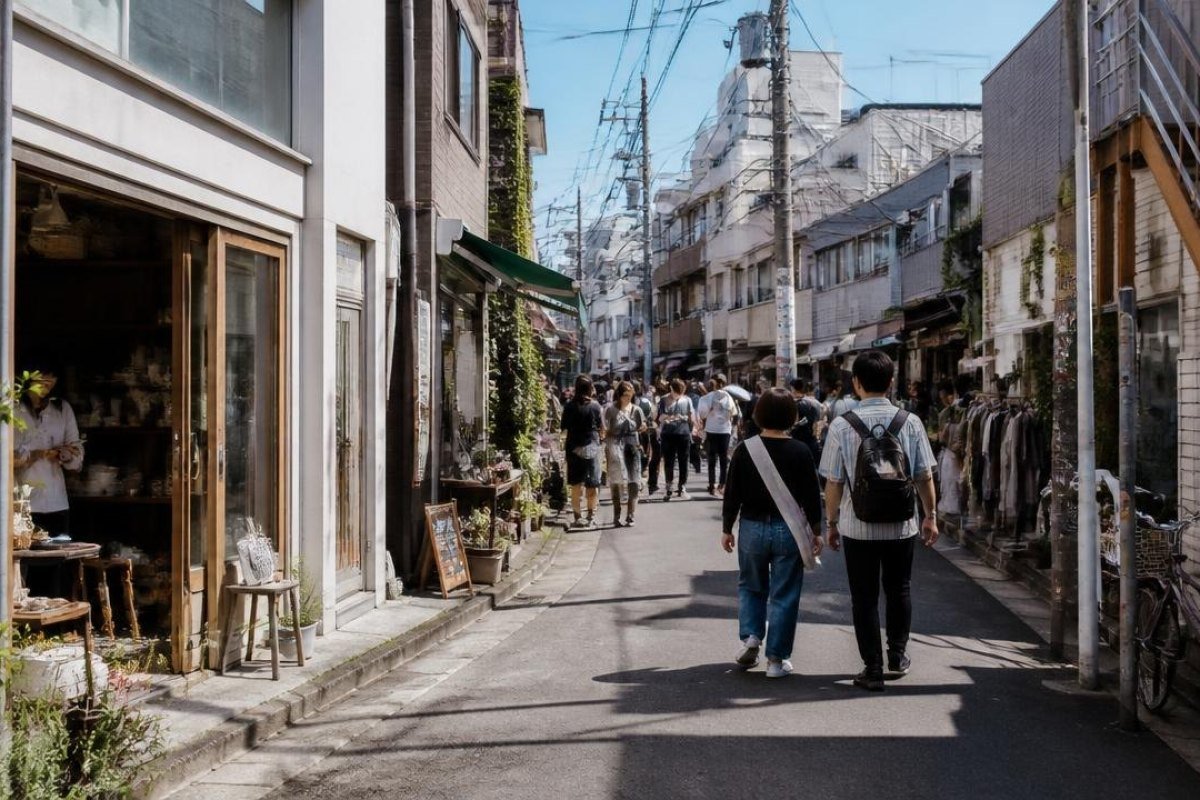
Shimokitazawa has a distinctly alternative character, shaped by live music venues, secondhand clothing shops, small theaters, record stores, and casual restaurants. Its compact streets are ideal for browsing without a fixed itinerary.
The neighborhood has changed over time, but it has retained a strong independent spirit. Explore the main shopping lanes, then look for quieter side streets where small businesses and creative spaces are often found. Evening is a good time to experience its live music scene and informal dining culture.
Shimokitazawa is less about ticking off landmarks and more about discovering an atmosphere that feels personal and spontaneous.
Best for: vintage shopping, music, theater, local dining, and alternative culture.
Kichijoji: Parks, Shopping Streets, and Neighborhood Comfort
Kichijoji is a favorite for travelers who want a more relaxed urban day. Inokashira Park provides a welcome green setting, while the streets around the station offer a broad mix of restaurants, boutiques, bakeries, and everyday shops.
The neighborhood is easy to enjoy at different speeds: take a park walk in the morning, browse the shopping streets in the afternoon, and settle into a small restaurant or bar later in the day. Its appeal comes from the balance between green space, convenience, and local character.
Kichijoji is farther west than Tokyo’s central sightseeing districts, so it is best treated as a half-day or full-day outing rather than squeezed between several distant areas.
Best for: parks, relaxed shopping, families, cafes, and a residential side of Tokyo.
How to Choose the Right Tokyo Neighborhood
Choose Shibuya or Shinjuku if you want a lively first impression and easy access to shopping and nightlife. Pick Asakusa or Yanaka for traditional streets, temples, and a slower pace. Ginza and Marunouchi suit travelers interested in polished architecture and high-end shopping, while Shimokitazawa and Daikanyama are better for independent businesses and creative neighborhoods.
For a balanced first visit, combine one modern district, one historic district, and one neighborhood known for everyday local life. For example, Shibuya can pair well with Daikanyama, while Asakusa combines naturally with Ueno. Avoid planning too many distant districts on the same day; Tokyo’s attractions may look close on a map, but getting around Tokyo through large stations and transfers can take time.
Getting Around Tokyo’s Neighborhoods
Tokyo Metro and Toei Subway connect many major sightseeing areas, while JR lines and private railways are essential for neighborhoods such as Kichijoji, Daikanyama, and Nakameguro. Use a route-planning app and check the exact station exit before setting out, since one station may have many entrances spread across a large area.
Rechargeable IC cards are convenient for many journeys, and visitors may also consider a Tokyo Subway Ticket when their itinerary involves frequent travel on Tokyo Metro and Toei Subway lines. It does not cover every railway operator, so confirm the participating lines before buying.
At busy stations, follow directional signs, stand behind platform safety markings, and let passengers leave the train before boarding. Walking between nearby neighborhoods can often be more enjoyable than making several short train journeys.
Practical Tips for Exploring Tokyo
Start popular temples, markets, and major viewpoints early if you prefer fewer crowds. Keep an adaptable plan for shops and restaurants because opening days, reservations, and temporary closures can change. Always check the official website of a specific attraction before traveling.
Wear comfortable shoes, carry a small bag for purchases, and keep noise low on public transport. In residential neighborhoods, be considerate with photography and avoid blocking narrow entrances or streets.
Most importantly, leave room for unplanned discoveries. Tokyo’s most memorable moments often come from a quiet alley, a tiny restaurant, or a local shopping street between the headline attractions.
A Simple Neighborhood Itinerary
For a first day, begin in Asakusa for temples and traditional streets, continue to Ueno for museums or Ameyoko, and finish with an evening meal nearby. On another day, explore Meiji Jingu and Harajuku before walking toward Omotesando and Shibuya.
For a more local-feeling day, combine Kichijoji with Shimokitazawa, or Daikanyama with Nakameguro and Ebisu. These combinations allow time for cafes, independent shops, and relaxed walking rather than rushing between major landmarks.
Tokyo rewards curiosity, so the best itinerary is not necessarily the one with the most stops. Choose a few neighborhoods with contrasting personalities and give each enough time to reveal its character.