Greece rewards travelers who combine its ancient history, island landscapes, and relaxed Mediterranean rhythm. This 10-day itinerary is designed for a first visit, linking Athens with Santorini and Naxos while leaving enough time for archaeological sites, local food, swimming, and scenic walks.
The route works best from late spring through early autumn, although conditions, ferry services, attraction schedules, and prices vary by season. Always confirm transport times and archaeological-site information shortly before departure.
At a Glance: The Best 10-Day Greece Route
This itinerary balances city sightseeing, Cycladic island life, and ancient monuments without adding too many travel days.
- Days 1–3: Athens, including the Acropolis and historic neighborhoods
- Days 4–6: Santorini, with caldera views, villages, and volcanic scenery
- Days 7–9: Naxos, for beaches, mountain villages, food, and archaeology
- Day 10: Return to Athens and depart, or add a final overnight if your flight schedule requires it
For a smoother trip, book accommodation near convenient transport points and avoid scheduling an international flight immediately after a long ferry journey whenever possible.

Days 1–3: Discover Athens
Athens is more than a gateway to the islands. Its combination of classical landmarks, neighborhood tavernas, and contemporary city life makes it an essential part of the journey.
Day 1: Arrival and the Historic Center
After checking in, begin with an easy walk through the historic center. Plaka’s narrow streets lead toward Anafiotika, while Monastiraki offers lively squares, markets, cafés, and views toward the Acropolis.
Keep your first evening flexible. A relaxed dinner of grilled vegetables, seafood, local cheese, or classic Greek dishes is a better introduction than trying to fit in another major attraction after a long journey.
Day 2: The Acropolis and Acropolis Museum
Start early at the Acropolis to see the Parthenon, Temple of Athena Nike, and Erechtheion before the strongest heat and busiest visitor periods. Wear shoes with good grip, carry water, and allow time for uneven surfaces.
Continue to the Acropolis Museum, where sculptures and architectural details help explain what you have seen on the hill. The museum is also a useful choice during the hottest part of the day.
Because entry arrangements and opening times can change, check the official archaeological-site and museum websites before visiting. Advance booking is especially sensible during the busiest travel months.
Day 3: Ancient Agora, Syntagma, and Local Athens
Visit the Ancient Agora to explore one of the city’s most important civic spaces and see the remarkably preserved Temple of Hephaestus. Then walk toward Syntagma Square and the National Garden.
In the afternoon, choose between the National Archaeological Museum, a longer neighborhood walk, or a food-focused exploration of central Athens. Consider sampling moussaka, souvlaki, and loukoumades, while also looking for regional cheeses, beans, olives, and seasonal seafood.
Athens is best explored on foot in compact areas, with public transport or a taxi used for longer connections. Keep valuables secure in crowded stations and tourist areas, as you would in any major city.
Days 4–6: Santorini’s Caldera and Villages
Santorini brings a dramatic change of scenery, with volcanic cliffs, whitewashed settlements, and wide Aegean views. It is one of Greece’s most popular destinations, so advance planning matters.
Day 4: Travel from Athens to Santorini
Travel to Santorini by ferry or domestic flight, depending on your budget, preferred pace, and available schedule. Ferries commonly depart from Piraeus, while flight options use Athens International Airport. Services vary by date and season, so confirm the current timetable with the transport operator.
After arriving, settle into your accommodation and explore Fira. The capital has museums, cafés, shops, and viewpoints overlooking the caldera. For dinner, reserve ahead if you want a popular restaurant with a sunset-facing terrace.
Day 5: Fira, Oia, and the Caldera Walk
Spend the morning walking through Fira and, if conditions and your fitness allow, continue along the scenic route toward Firostefani and Imerovigli. The path offers some of the island’s most memorable views.
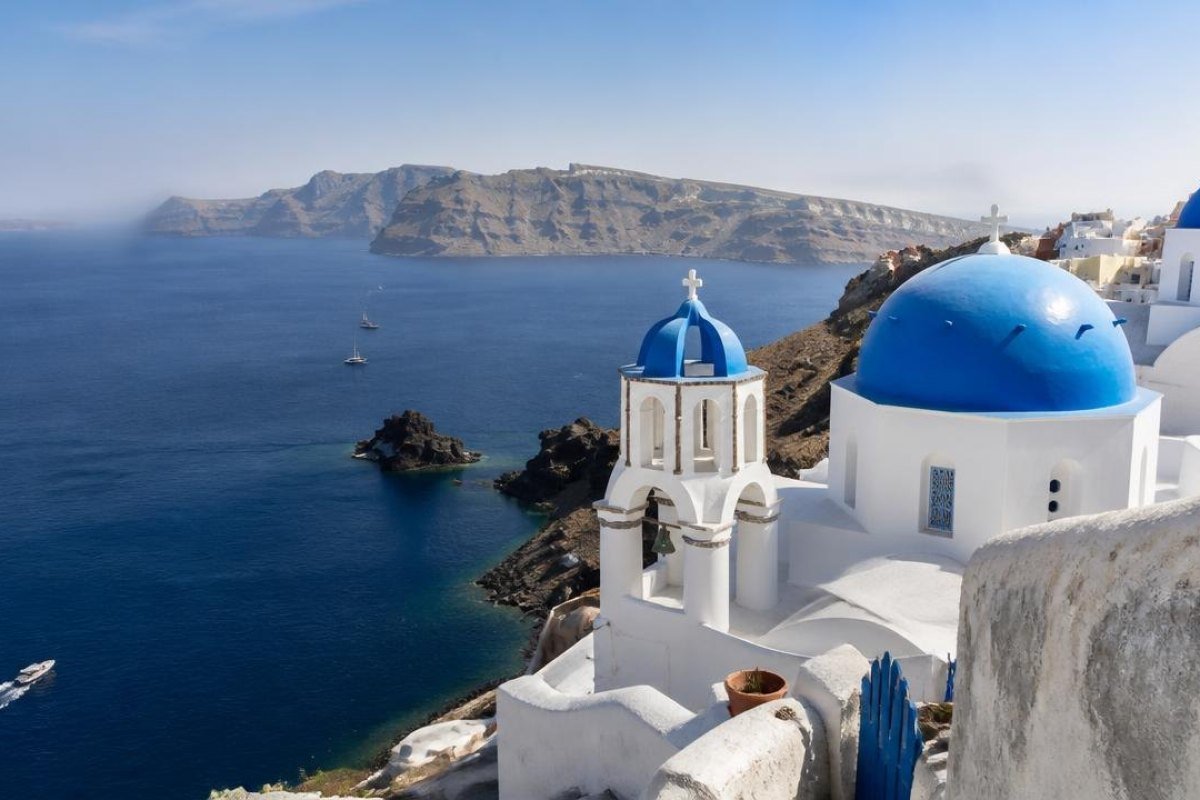
In the late afternoon, travel to Oia for its blue-domed churches, caldera panorama, and famous sunset atmosphere. Expect crowds at the most popular viewpoints. Returning before or after the main sunset rush can make the experience more comfortable.
Public buses connect major settlements, but routes and frequency can change. Taxis and rental vehicles may be useful, though narrow roads, limited parking, and busy traffic require patience.
Day 6: Ancient Akrotiri and Volcanic Landscapes
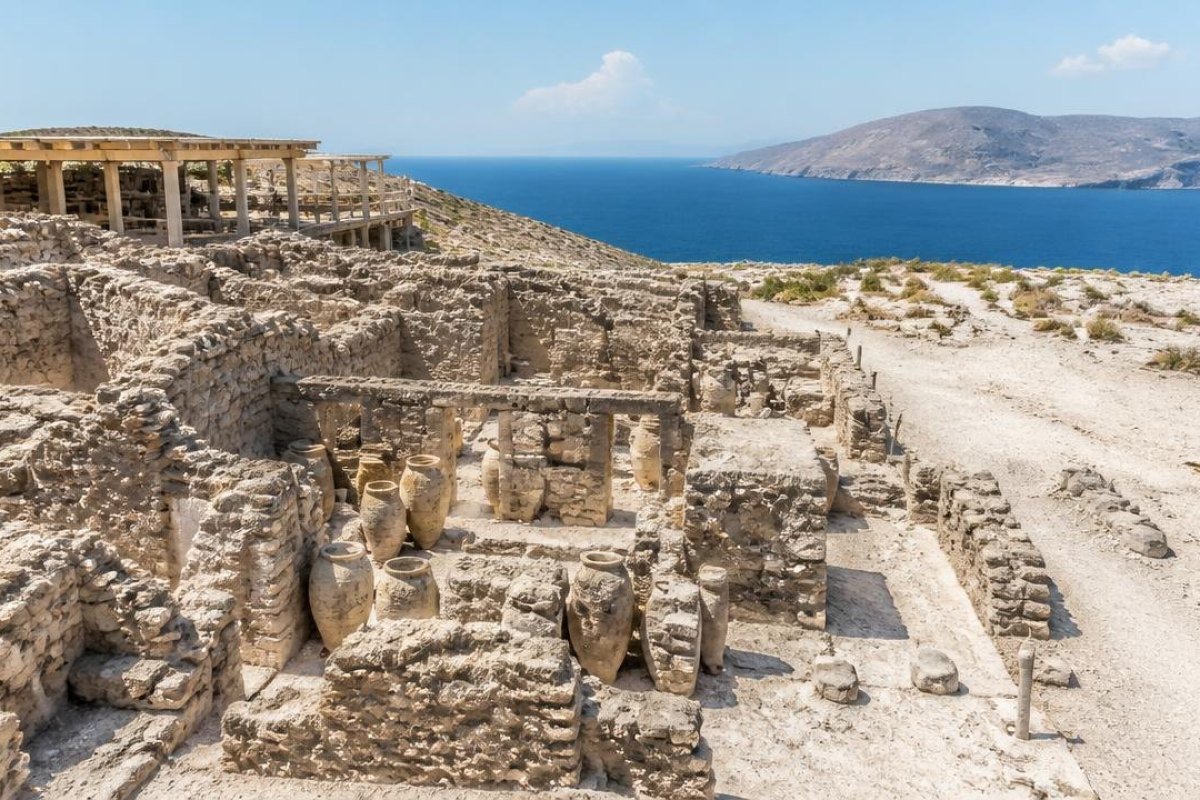
Visit the archaeological site of Akrotiri to see the remains of a Bronze Age settlement preserved by volcanic material. Pair the visit with Red Beach viewpoints or a boat excursion around the volcanic islands if the weather and operating schedule permit.
Santorini is also known for distinctive local produce and wine. Look for Assyrtiko, fava, and tomatoes grown in the island’s dry volcanic conditions. A winery visit can offer a calmer alternative to another crowded viewpoint.
Check current access information before visiting archaeological sites, beaches, or boat tours. Conditions can change because of heat, wind, sea conditions, or conservation measures.
Days 7–9: Naxos for Beaches, Villages, and Food
Naxos complements Santorini with a more spacious and varied experience. Its appeal lies in long sandy beaches, fertile inland villages, and traditional island cuisine.
Day 7: Ferry to Naxos and Chora
Take a ferry from Santorini to Naxos. Several operators serve the Cyclades, but departure times, crossing duration, and frequency change throughout the year. Recheck your booking and allow extra time to reach the port.
Explore Naxos Chora after arrival. Walk through the old Venetian quarter, visit the harbor, and see the Portara, the monumental marble gateway that has become one of the island’s signature sights.

For accommodation, staying in Chora is convenient for restaurants and transport. Beach areas may suit travelers who prioritize swimming and a slower resort atmosphere.
Day 8: Beaches and Coastal Villages
Spend the day exploring the western coast, where beaches such as Agios Prokopios, Agia Anna, and Plaka are popular for swimming and relaxation. Facilities and seasonal services vary, so bring essentials if you plan to move between quieter stretches of coast.
If you prefer active travel, consider a morning of sea kayaking, wind sports, or a coastal cycling route with a reputable local provider. Avoid the hottest hours for strenuous activities and protect yourself from the sun.
Day 9: Halki, Apeiranthos, and Inland Naxos
Use your final full day for an inland route through villages such as Halki and Apeiranthos. The landscape changes from coast to olive groves, mountain slopes, churches, workshops, and small family-run restaurants.
You can also visit the Temple of Demeter, an important ancient monument built largely from marble. Combine the stop with a village lunch featuring Naxos potatoes, local cheeses, and grilled meats or vegetables.
A rental car gives the greatest flexibility inland, but narrow roads and mountain driving require care. Organized tours are a practical alternative if you prefer not to drive.
Day 10: Return to Athens and Departure
Choose a ferry or flight back to Athens according to your departure time. Build in a generous buffer because ferry delays, weather changes, and port transfers can affect island travel.
If your international flight leaves later, spend the final hours near the airport or in central Athens only if the connection is comfortably timed. Travelers with an early departure should consider sleeping near the airport or returning to Athens the previous evening.
For a less rushed version of this route, make Day 10 an overnight in Athens rather than a same-day international departure.

How to Travel Between Athens and the Islands
The most practical choices are domestic flights, conventional ferries, and high-speed ferries. Each option involves a different balance of cost, travel time, luggage rules, and weather sensitivity.
Ferries to Santorini and Naxos commonly use Piraeus, while some Cycladic services may depart from other Attica ports. Confirm the departure port carefully before leaving your accommodation, especially if you are traveling from central Athens.
High-speed services can shorten the journey but may be more affected by rough seas. Conventional ferries are often slower but provide more space and a different travel experience. Always check the operator’s current conditions, baggage policy, and boarding instructions.
Where to Stay on This Greece Itinerary
In Athens, choose between Plaka and Monastiraki for atmosphere and walkability, Syntagma for central transport, or quieter districts with good metro connections.
In Santorini, Fira and Firostefani offer convenient access to restaurants and transport. Imerovigli is known for elevated caldera views, while Oia suits travelers focused on scenery and sunset. Beach settlements may be more convenient for swimming than cliffside villages.
In Naxos, Chora works well for first-time visitors without a car. Agios Prokopios, Agia Anna, and Plaka are better suited to travelers who want easy beach access and a resort-style stay.
What to Eat in Athens, Santorini, and Naxos
Greek food is regional, seasonal, and often best enjoyed in simple surroundings. Look for small plates, fresh seafood, and local produce rather than relying only on familiar tourist dishes.
- Athens: meze, grilled meats, pies, modern Greek cuisine, and pastries
- Santorini: fava, tomato fritters, local wines, capers, and seafood
- Naxos: potatoes, mountain cheeses, meats, honey, vegetables, and citrus-based desserts
Restaurants may have different hours outside the main season. Ask about daily specials, reserve popular tables in advance, and carry water during sightseeing days.
Practical Planning Tips
A successful trip depends on comfortable footwear, advance reservations, and realistic pacing. Ancient sites often have little shade, while island roads and paths can be uneven.
- Check official attraction websites for current opening times, ticket rules, and temporary closures.
- Reconfirm ferry and flight schedules shortly before travel.
- Carry a light layer for windy ferry decks and cooler evenings.
- Use sun protection and schedule demanding walks outside the hottest part of the day.
- Keep accommodation details and transport confirmations accessible offline.
- Allow extra time when connecting from an island ferry to an international flight.
Peak summer is lively but busy and hot. Late spring and early autumn can offer a more comfortable balance of weather, swimming conditions, and visitor numbers, although exact conditions vary each year.
Easy Adjustments to the Itinerary
If you prefer more history, replace one island day with a trip to Delphi, Mycenae, or Epidaurus from Athens. These excursions add archaeological depth but also increase travel time.
If beaches are your priority, reduce Athens to two nights and add a full day to Naxos. If you want a slower holiday, stay on only one island and use the extra days for boat trips, villages, and relaxed meals.
Travelers who want Mykonos and Delos can substitute them for Naxos, but the route becomes more focused on nightlife, maritime connections, and archaeological excursions. Naxos is generally the better choice for a broader mix of beaches, food, villages, and landscapes.
Final Thoughts
This 10-day route captures Greece’s essential contrasts: classical Athens, volcanic Santorini, and authentic Naxos. It is ambitious enough to feel varied, yet compact enough to remain manageable with careful planning.
Book the most time-sensitive parts first, especially accommodation and island transport. Then leave room for the experiences that cannot be scheduled precisely: a long taverna lunch, a quiet village walk, a swim at sunset, or a view that makes you stop and stay awhile.


