A Practical 7-Day Japan Itinerary for First-Time Travelers
Japan rewards curious travelers with a remarkable mix of ultra-modern cities, historic neighborhoods, and carefully preserved traditions. For a first visit, this seven-day route follows the classic Tokyo–Kyoto–Nara–Osaka corridor, giving you a balanced introduction without trying to cover the entire country. A first-time guide to Japan can help you understand the route in broader context.
The itinerary works best as an open-jaw trip: fly into Tokyo and leave from Osaka or nearby Kansai International Airport if your flights allow it. If you must return from Tokyo, you can reverse the route or take the Shinkansen back at the end.
Before You Go: How to Plan the Route
Keep your schedule flexible because seasonal weather, crowded attractions, and reservation requirements can affect your days. Japan’s rail network is efficient, but stations can be large, so allow extra time when changing trains or navigating with luggage.
The Tokaido Shinkansen links Tokyo, Kyoto, and Osaka, making it the most practical long-distance option for this itinerary. The Tokyo–Kyoto journey takes roughly two hours and ten minutes on some services, but exact journey times and fares vary by train type, date, and booking conditions. Check the official railway provider before departure, and compare the route with this 7-day itinerary by train.

For local travel, use a rechargeable IC card where accepted, or purchase individual tickets when necessary. A nationwide rail pass is not automatically the best value for a seven-day trip; compare the cost of your planned journeys with current pass prices before buying.
Day 1: Arrive in Tokyo and Explore Shibuya
After arriving, settle into your accommodation and avoid planning too many major attractions. Tokyo’s scale, station layouts, and time difference can make the first day tiring, so focus on an easy introduction through Shibuya Crossing, Shibuya Sky, and the surrounding shopping streets.
Evening in Shibuya
Watch the famous crossing from a nearby viewpoint, then wander through Shibuya’s energetic streets. For dinner, try a casual ramen shop, yakitori restaurant, or izakaya. Many popular restaurants use ticket machines or have limited seating, so be prepared for a short wait during peak hours.
Stay in Shibuya, Shinjuku, Tokyo Station, or Asakusa for convenient access to different parts of the city. Choose the neighborhood that best matches your arrival airport and preferred atmosphere.
Day 2: Tokyo’s Traditional and Modern Sides
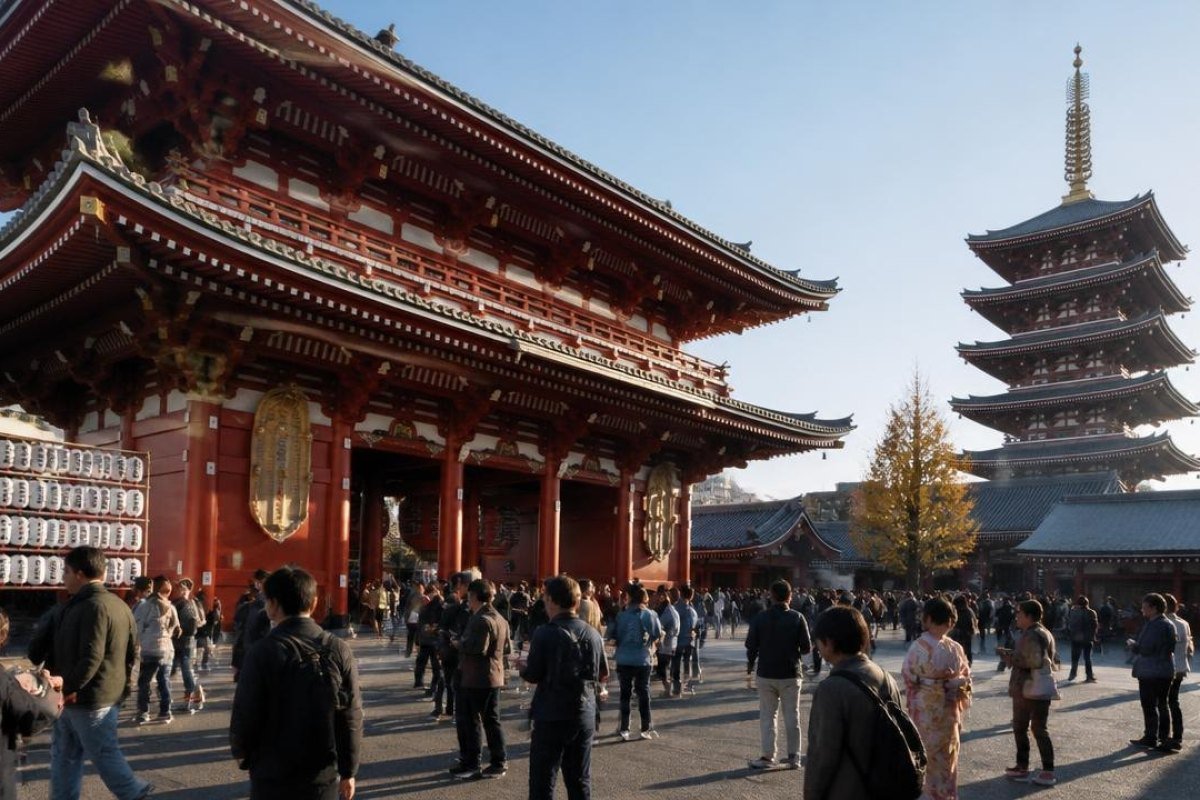
Begin in Asakusa, where Senso-ji and Nakamise-dori offer one of Tokyo’s most accessible introductions to historic streets and temple culture. Visit early if you want a quieter experience, particularly on weekends and during holiday periods.
Continue to Ueno Park or the nearby museums, depending on your interests. In the afternoon, travel toward Akihabara for electronics, anime, games, and distinctive cafés, or choose Ginza for department stores, galleries, and polished architecture. Travelers extending this part of the trip can use a guide to 7 days in Tokyo.
End the day in Shinjuku. Explore the neon-lit streets around Omoide Yokocho and Golden Gai from the outside or enjoy a meal in one of the district’s many restaurants. Respect venue rules, check prices before ordering, and be cautious of unsolicited invitations.
Day 3: Meiji Shrine, Harajuku, and the Journey to Kyoto
Start with Meiji Shrine, set within a large forested area near Harajuku. Combine it with a walk along Takeshita Street and the more relaxed boutiques of Omotesando. The contrast between the shrine grounds and the surrounding fashion districts captures Tokyo’s varied character.
After lunch, collect your luggage and travel to Tokyo Station or Shinagawa Station for the Tokaido Shinkansen to Kyoto. Reserve a seat in advance when traveling during busy periods, and confirm the station, departure time, and luggage rules on your booking.
Evening in Kyoto
Check in around Kyoto Station, Shijo, Kawaramachi, or Gion. Keep the evening simple with a walk beside the Kamo River and dinner featuring tofu dishes, yuba, or seasonal Kyoto-style cuisine. Avoid overloading the evening because the next morning is best started early.
Day 4: Eastern Kyoto’s Historic Highlights
Dedicate the morning to Fushimi Inari Taisha. Its long sequence of vermilion torii gates extends up Mount Inari, and the full walk can take considerably longer than the lower viewpoint. Wear comfortable shoes and bring water, especially in warm weather.
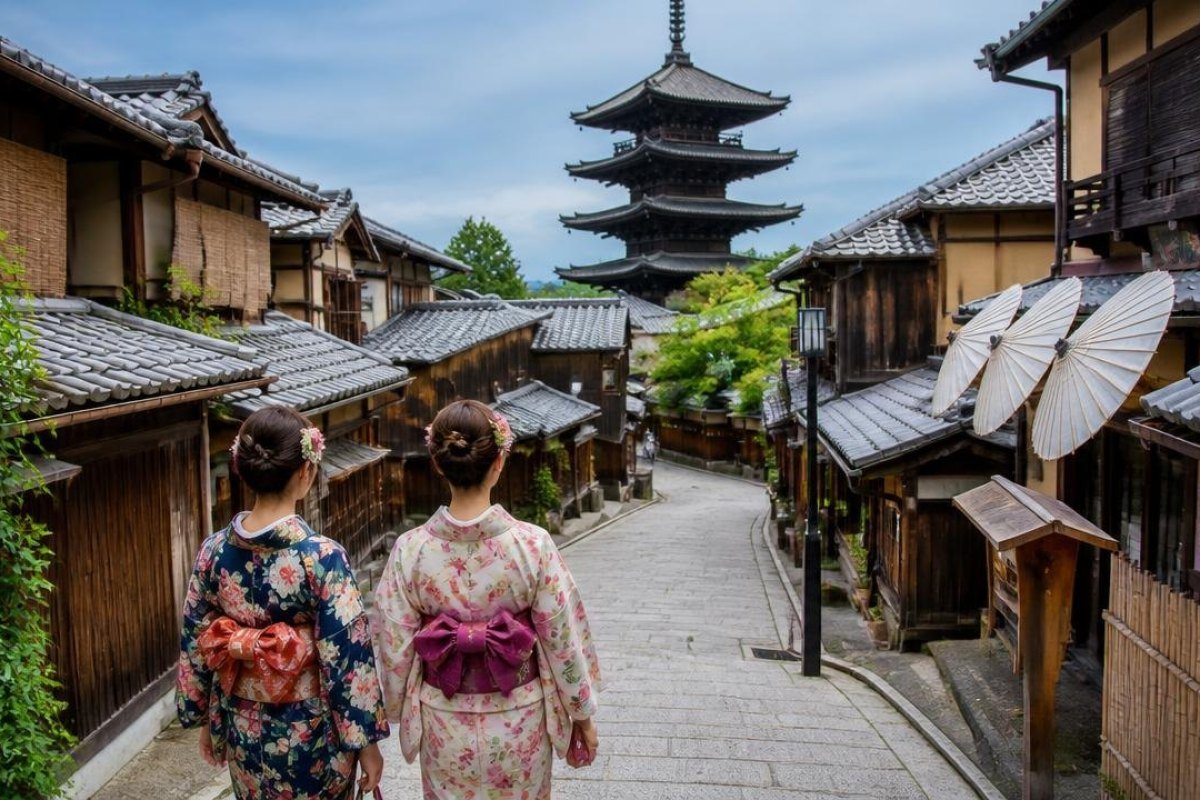
Continue to Kiyomizu-dera and the atmospheric lanes of Higashiyama. Ninenzaka and Sannenzaka are enjoyable for traditional architecture, tea shops, crafts, and snacks, but their narrow streets can become very crowded.
In the late afternoon, walk through Gion and nearby Hanamikoji. Treat private residences and working geisha districts respectfully: do not block entrances, chase performers, or photograph people without permission.

Day 5: Arashiyama and a Slower Kyoto Experience
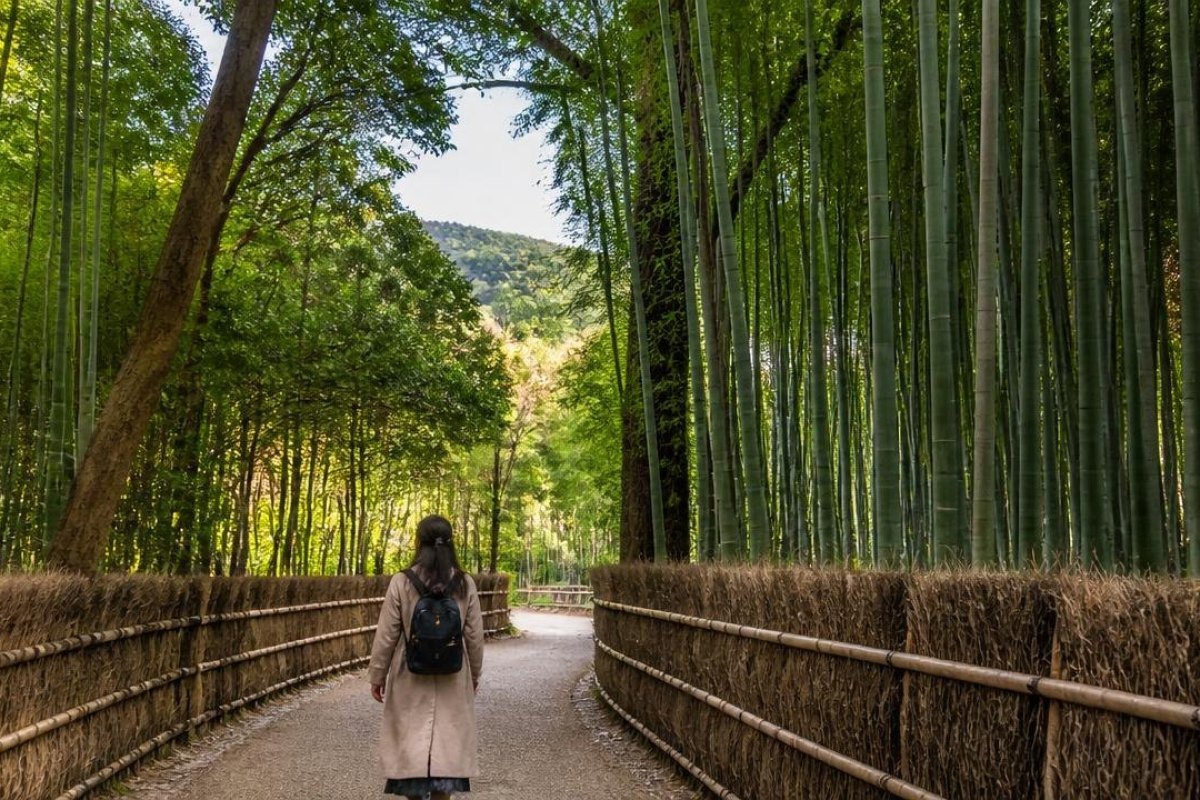
Travel to Arashiyama early for the famous bamboo grove. The area is more enjoyable before the busiest hours, when the paths are less congested and the surrounding temples are easier to appreciate.
Visit Tenryu-ji and take time to enjoy its garden before exploring the riverside. If you want a quieter alternative, walk toward the scenic area around Okochi Sanso or explore less central lanes away from the main tourist route.
Spend the evening trying a tea ceremony, joining a guided food walk, or visiting a small restaurant. Kyoto experiences often require advance reservations, so check the current booking arrangements before your trip.
Day 6: Nara and Osaka
Leave Kyoto in the morning for Nara Park. The park is known for its free-roaming deer, but remember that the animals are wild and should be approached calmly. Feed them only with approved deer crackers and stop when your supply is gone.
Visit Todai-ji and its Great Buddha before walking through the park’s wooded paths. Depending on your energy, add Kasuga Taisha or Naramachi’s traditional streets. You do not need to see every attraction; a focused half-day makes the day more comfortable.
Continue to Osaka and check in around Namba, Umeda, or Tennoji. In the evening, explore Dotonbori and sample Osaka specialties such as takoyaki, okonomiyaki, kushikatsu, or regional sushi.
Day 7: Osaka Castle, Markets, and Departure
Begin with Osaka Castle Park and the castle museum if you want history and city views. Opening times, admission prices, and temporary closures can change, so confirm the details through the official attraction website before visiting.
For lunch, explore Kuromon Market or choose a local restaurant in Namba. Markets can be busy, and not every stall is designed for takeaway, so observe signs and follow each vendor’s instructions.
Use your remaining time for Umeda, Shinsekai, or a relaxed café stop. If departing from Kansai International Airport, plan your transfer with a generous buffer for luggage, airport navigation, and possible train delays.
Where to Stay on This Seven-Day Route
Tokyo
Shinjuku suits travelers who want nightlife and extensive transport connections. Asakusa offers a more traditional atmosphere, while Tokyo Station is convenient for the Shinkansen and central sightseeing.
Kyoto
Stay near Kyoto Station for easy regional transport, around Shijo or Kawaramachi for restaurants and shopping, or near Gion for historic streets. Accommodation availability can become limited during cherry blossom season, autumn foliage, and major holidays.
Osaka
Namba is ideal for Dotonbori, food, and nightlife. Umeda works well for rail connections and a modern city atmosphere, while Tennoji offers another practical base with access to southern Osaka and nearby attractions.
Practical Tips for First-Time Visitors
Pack light whenever possible. Many Japanese stations have stairs and long passageways, and compact hotel rooms may offer limited storage. Use a luggage-forwarding service when appropriate, but confirm collection times and delivery conditions in advance.
Carry a small amount of cash for smaller eateries, temple offerings, and local businesses, while using cards or mobile payments where accepted. Keep your passport secure, follow train platform markings, and avoid eating while walking in crowded areas unless it is clearly permitted.
Japan has four distinct seasons, so pack for the forecast rather than relying on general assumptions. During hot or rainy periods, schedule outdoor sightseeing for mornings and keep indoor alternatives available.
How to Adjust the Itinerary
If you prefer a slower trip, remove Nara and add its day to Kyoto. If modern culture is your priority, spend more time in Tokyo and reduce Osaka to one evening. Families may want to replace some temple visits with interactive museums or entertainment attractions, while food-focused travelers can add a market tour or cooking class.
The most important principle is to protect your energy. A successful first visit depends on realistic pacing, convenient hotel locations, and advance planning for high-demand experiences, not on checking every famous landmark off a list.

