Introduction
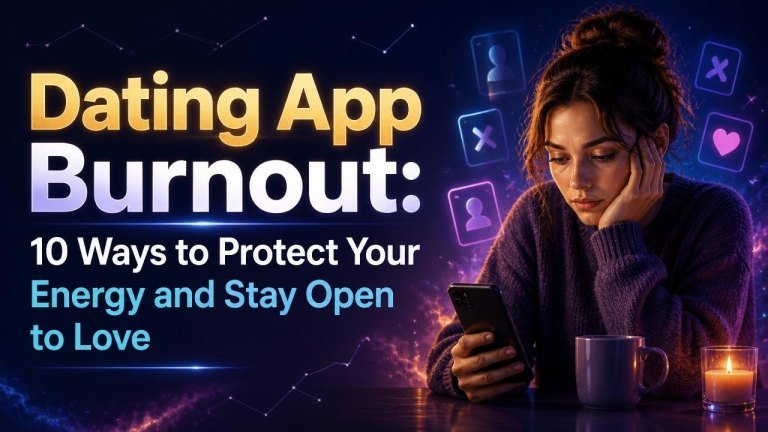
Dating apps can make meeting people more accessible, but constant swiping, inconsistent replies, and disappointing conversations can gradually drain your emotional energy. If you feel tired of starting over, unusually cynical, or tempted to delete every app, you may be experiencing dating app burnout rather than losing interest in love itself.
The solution is not to push yourself harder or remain available at all times. A healthier approach combines clear boundaries, realistic expectations, and intentional breaks so dating can become one part of your life instead of its emotional center. These ten strategies can help you protect your peace while staying genuinely open to connection.
What Dating App Burnout Really Means
Dating app burnout is the mental and emotional exhaustion that develops when online dating begins to feel repetitive, demanding, or discouraging. It may show up as compulsive checking, irritation toward new matches, emotional numbness, or a belief that every interaction will end badly.
Burnout does not necessarily mean you are not ready for a relationship. Often, it means your current dating habits are asking for more attention than they can sustainably receive. Recognizing the difference between temporary exhaustion and a genuine desire to stop dating is the first step toward making a calm decision.

10 Ways to Protect Your Energy and Stay Open to Love
1. Define What You Actually Want
Before opening an app, clarify whether you are seeking a committed relationship, casual dating, new experiences, or simply exploring possibilities. A clear intention gives your decisions more direction and helps you avoid conversations that consistently conflict with your needs.
Your goal can change, and it does not need to sound perfect. What matters is knowing your current priorities, relationship values, and non-negotiables well enough to recognize when an interaction is worth your time.
2. Set Specific App Hours
Unrestricted access can make dating feel like a second job. Choose a reasonable schedule, such as checking your apps for twenty minutes in the evening, and turn off unnecessary notifications. This creates protected personal time and prevents every match from demanding an immediate response.
There is no advantage to being constantly available. Respond when you have the emotional capacity to be present, not when an alert interrupts dinner, work, sleep, or time with friends.
3. Reduce the Number of Apps
Using several platforms may seem like a way to increase your chances, but it can quickly create duplicate conversations and decision fatigue. Choose one or two apps that match your preferences and remove the rest for a while. Fewer platforms often mean less mental clutter and more thoughtful interactions.
Evaluate each app by the quality of conversations it supports, not only by its number of users. A smaller pool with better alignment can be more useful than endless low-effort attention.
4. Stop Treating Every Match as a Promise
A match is only an invitation to learn more about someone; it is not evidence of compatibility or a future relationship. Holding that distinction protects you from attaching too much meaning to a profile, a quick exchange, or one enjoyable date.
Focus on curiosity over fantasy. Let trust, consistency, and shared effort develop gradually rather than building a complete story before you have enough information.
5. Use Your Standards as a Filter
Healthy standards are not the same as searching for perfection. Decide which qualities are essential, such as kindness, emotional availability, or respect for your boundaries, and use them to identify suitable matches. This supports intentional selection instead of endless swiping.
At the same time, leave room for harmless differences. A rigid checklist can create unrealistic expectations, while thoughtful standards help you protect your time without closing yourself off to people who may be pleasantly unexpected.

6. Move Meaningful Conversations Offline
Long messaging exchanges can create emotional investment without revealing how you communicate in person. When there is mutual interest and basic comfort, suggest a brief phone call or a simple public date. Moving forward with reasonable momentum helps you avoid endless digital uncertainty.
Do not rush into meeting before you feel safe, but do not use messaging as a substitute for real compatibility. A short, low-pressure meeting provides useful information about chemistry, manners, and conversational ease.
7. Learn to End Conversations Gracefully
You do not owe every match a lengthy explanation, and you are allowed to leave a conversation that feels disrespectful, confusing, or one-sided. A brief message such as “I do not think we are the right fit, but I wish you well” can offer clear closure when it feels appropriate.
If someone becomes hostile or ignores your boundaries, you can stop responding and block them. Protecting your safety and peace is more important than appearing endlessly polite or avoiding all disappointment.
8. Take Breaks Before You Reach a Breaking Point
A dating break works best when it is proactive rather than dramatic. Pause when you notice persistent frustration, emotional numbness, poor sleep, or the urge to accept attention that does not meet your standards. A planned reset can restore emotional perspective.
Use the break for activities that make you feel like yourself again: exercise, friendships, creative work, travel, or quiet time. The aim is not to become more desirable; it is to rebuild energy and self-trust.
9. Keep Your Life Larger Than Dating
Dating becomes more stressful when it is your main source of excitement, validation, or hope. Continue investing in friendships, goals, health, and interests that have value regardless of your relationship status. A full life provides emotional balance and makes dating feel less like a test.
Romantic progress should complement your identity, not define it. When your happiness has several reliable sources, a disappointing date remains one experience rather than a verdict on your future.
10. Measure Success by the Quality of the Process
Online dating does not always produce immediate results, and judging every week by the number of matches can make the experience feel like a performance review. Instead, ask whether you communicated honestly, respected your limits, and noticed how interactions made you feel.
Success may mean identifying an incompatibility quickly, having a pleasant conversation, or showing up with greater self-awareness. These outcomes build valuable relationship skills even when they do not lead to a partnership.
Common Dating App Burnout Mistakes
Many people respond to burnout by swiping more aggressively, lowering standards without reflection, or disappearing without examining what went wrong. Others keep using an app because they fear that taking a break means missing their only chance at love.
These reactions usually increase pressure rather than improving results. Avoid comparing your timeline with other people’s, interpreting rejection as a personal judgment, or treating app activity as proof of your worth. Sustainable dating depends on self-respect and patience, not constant effort.
Practical Recommendations for a Healthier Routine
- Review your profile occasionally so it reflects your current personality and intentions.
- Have conversations with people who show reciprocal effort, not only strong initial attraction.
- Keep early dates short, affordable, and easy to leave if the connection feels uncomfortable.
- Discuss difficult experiences with trusted friends, but avoid letting group opinions replace your judgment.
- Delete or pause an app if it repeatedly harms your mood, confidence, or daily routine.
General Evaluation
Dating app burnout is a useful signal, not a personal failure. It often indicates that your pace, boundaries, or expectations need adjustment. By creating intentional limits, choosing quality over volume, and maintaining a meaningful life outside dating, you can protect your energy without shutting the door on love.
Staying open does not mean accepting every invitation or tolerating inconsistent behavior. It means remaining connected to your values while allowing the right relationship to develop at a healthy and realistic pace.