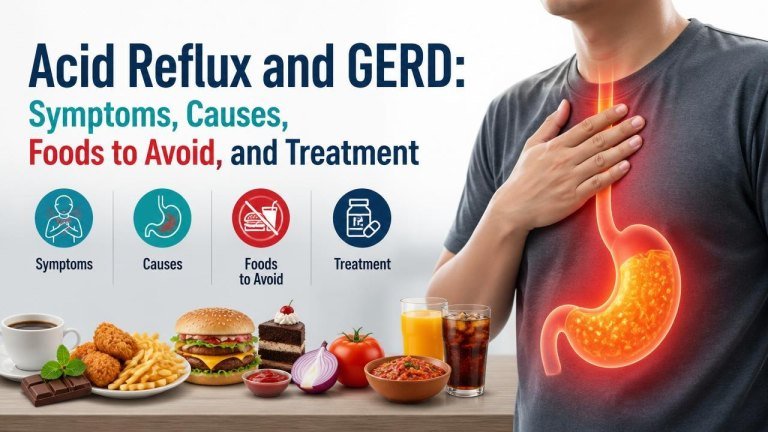
Acid reflux is common, but frequent or troublesome symptoms may indicate gastroesophageal reflux disease (GERD). Understanding the difference can help you choose appropriate lifestyle changes and know when to seek medical advice.
What Are Acid Reflux and GERD?
Acid reflux occurs when stomach contents flow back into the esophagus, the tube that carries food from your mouth to your stomach. This backflow can cause heartburn, a burning feeling behind the breastbone, or a sour taste in the mouth. GERD is a longer-term condition in which reflux happens repeatedly or causes complications and persistent symptoms.
Occasional reflux may occur after a large meal, while lying down, or after eating certain trigger foods. Symptoms that happen often, interfere with sleep, or require frequent medication deserve discussion with a healthcare professional, particularly when sleep-related breathing problems are also present.
Common Symptoms of GERD
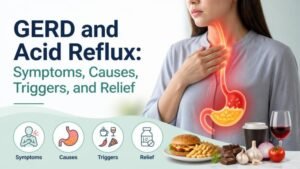
GERD symptoms can vary from person to person. The most familiar symptoms include burning chest discomfort, regurgitation, and an unpleasant sour or bitter taste.
- Heartburn, especially after meals or when lying down
- Food or liquid coming back into the throat or mouth
- Chest or upper-abdominal discomfort
- Difficulty or pain when swallowing
- A feeling of a lump in the throat
- Chronic cough, hoarseness, or throat irritation
- Worsening symptoms at night or disrupted sleep
Some people experience throat or breathing-related symptoms without obvious heartburn. These symptoms can have many possible causes, so persistent problems should be evaluated rather than self-diagnosed.
When to Seek Medical Care
Seek urgent medical attention for chest pain accompanied by shortness of breath, cold sweating, nausea, dizziness, or pain spreading to the arm, jaw, back, or neck, because these can be signs of a heart problem rather than reflux.
Arrange a medical evaluation for trouble swallowing, unexplained weight loss, repeated vomiting, vomiting blood, black stools, anemia warning signs, or symptoms that are persistent or worsening. A healthcare professional can distinguish GERD from other conditions and recommend an appropriate plan.
What Causes Acid Reflux?
Reflux often develops when the lower esophageal sphincter, a ring of muscle between the esophagus and stomach, relaxes too often or does not close effectively. Large meals, lying down after eating, and increased pressure on the abdomen can make backflow more likely.
Other contributing factors may include pregnancy, hiatal hernia, smoking, certain medications, and individual food sensitivities. Excess body weight can also increase abdominal pressure and worsen symptoms for some people. Not every trigger affects everyone, so tracking your own pattern is often more useful than avoiding every food on a general list.
Foods and Drinks That May Trigger Reflux
There is no universal GERD diet, but some foods and beverages commonly worsen symptoms. Common triggers include fatty or fried foods, spicy dishes, and acidic foods.
- Tomatoes and tomato-based sauces
- Citrus fruits and juices
- Chocolate
- Peppermint and spearmint
- Coffee and other caffeinated drinks
- Alcohol
- Carbonated beverages
- Rich, greasy, or fried meals
- Spicy foods, if they worsen your symptoms
Instead of removing many foods at once, keep a symptom diary. Record what you eat, the portion size, when you lie down, and how you feel afterward. This can help identify personal triggers while keeping your diet varied and balanced.

Lifestyle Changes That May Help
Small, consistent changes can reduce reflux for many people. Focus on smaller portions, upright posture after meals, and a regular eating routine.
- Eat smaller meals and avoid overeating.
- Remain upright for several hours after eating instead of lying down immediately.
- Raise the head of the bed if nighttime reflux is a problem; extra pillows alone may not provide reliable support.
- Wear clothing that does not tightly compress the abdomen.
- Stop smoking, if you smoke.
- Limit alcohol if it triggers symptoms.
- Work toward a healthy weight if excess weight contributes to reflux, ideally with professional guidance.
Medical Treatment for GERD
Treatment depends on symptom frequency, severity, and the presence of complications. A healthcare professional may recommend antacids for occasional relief, medicines that reduce acid production, or other therapies when symptoms are more frequent.
Over-the-Counter Medicines
Antacids can provide short-term relief by neutralizing stomach acid. H2 blockers reduce acid production and may last longer, while proton pump inhibitors are often used for more persistent symptoms. Follow the product instructions and ask a pharmacist or clinician if you take other medicines, have chronic health conditions, are pregnant, or need frequent treatment.
Prescription Care and Further Evaluation
If symptoms do not improve, a clinician may review your diagnosis, adjust treatment, or recommend testing. An upper endoscopy or other evaluation may be considered for alarm symptoms, persistent symptoms, or suspected complications. In selected cases, procedures or surgery may be options when medication and lifestyle measures are not effective.
How to Manage GERD Long Term
Successful management usually combines personal trigger awareness, consistent habits, and appropriate medical care. Follow the treatment plan you receive, avoid stopping prescribed medication without advice, and schedule follow-up if symptoms continue.
A food diary, regular meal timing, and attention to nighttime symptoms can help you and your healthcare professional identify what works. The goal is not to follow an unnecessarily restrictive diet, but to control symptoms while maintaining nutritious, enjoyable meals.
Frequently Asked Questions
Is acid reflux the same as GERD?
They are related but not identical. Acid reflux describes the backflow of stomach contents, while GERD describes reflux that is recurrent, troublesome, or associated with complications. Occasional reflux does not necessarily mean you have GERD.
Can drinking water help heartburn?
Small sips of water may help some people clear irritating material from the esophagus, but water is not a guaranteed treatment. Persistent heartburn may require an evaluation for underlying causes and a suitable treatment plan.
Should I avoid all acidic foods?
Not necessarily. Some people react to citrus or tomatoes, while others do not. Identify your own food triggers rather than eliminating nutritious foods without a clear reason.
The Bottom Line
Acid reflux is often manageable with thoughtful meal habits, trigger awareness, and appropriate treatment. Pay attention to frequent symptoms, seek care for warning signs, and consult a healthcare professional when lifestyle changes or occasional medicines are not enough.
This article is for general information and does not replace individualized medical advice, diagnosis, or treatment.