Sleep apnea is a common sleep disorder in which breathing repeatedly stops or becomes too shallow during sleep. These interruptions can reduce oxygen levels, disturb restorative sleep, and affect how you feel during the day. Because many symptoms occur while a person is asleep, the condition may go unnoticed for years.
Recognizing the warning signs and seeking medical advice can help reduce the risk of complications. Sleep apnea is treatable, and the right approach depends on the type of apnea, its severity, and a person’s overall health.
What Is Sleep Apnea?
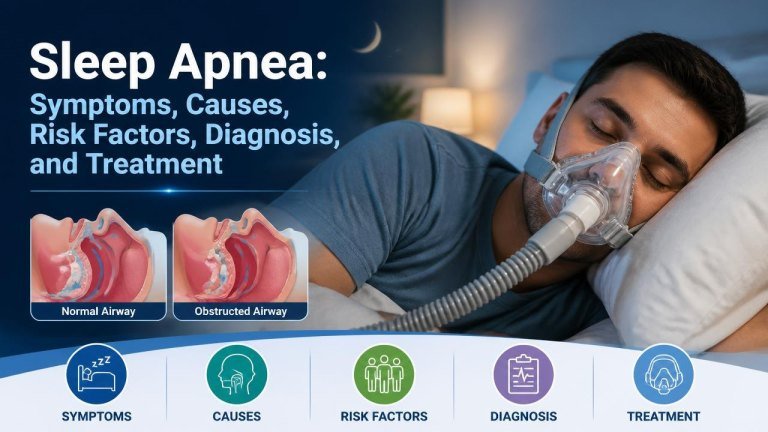
Sleep apnea causes repeated pauses in breathing during sleep. These pauses may happen when the upper airway becomes blocked, when the brain does not send the correct breathing signals, or through a combination of both. Each interruption can trigger a brief arousal that restores breathing but fragments the sleep cycle.
The most common form is obstructive sleep apnea, which occurs when throat tissues relax and narrow or close the airway. Central sleep apnea is less common and involves a problem with the brain’s breathing signals. Some people have mixed or complex sleep apnea, which includes features of both types.

Sleep Apnea Symptoms
Symptoms may be noticed by the person with sleep apnea, a bed partner, or another family member. They can vary in intensity and may be mistaken for stress, poor sleep habits, or another health condition.
- Loud or persistent snoring, especially when it is interrupted by silence, gasping, or choking sounds
- Breathing pauses during sleep observed by another person
- Waking with a dry mouth, sore throat, headache, or a feeling of not getting enough air
- Excessive daytime sleepiness or a tendency to doze during quiet activities
- Difficulty concentrating, forgetfulness, irritability, or mood changes
- Restless sleep, repeated nighttime awakenings, or frequent trips to the bathroom
- Reduced alertness while driving or working
Not everyone with sleep apnea snores. In children, signs may include mouth breathing, bed-wetting, behavioral changes, attention difficulties, or poor school performance. Persistent symptoms deserve medical evaluation, particularly if daytime sleepiness affects safety.
Causes of Sleep Apnea
Obstructive Sleep Apnea
Obstructive sleep apnea develops when the muscles supporting the throat relax during sleep. This can allow the tongue, soft palate, tonsils, or other tissues to narrow the airway. Airway blockage, reduced muscle tone, and changes in throat anatomy can all contribute to repeated breathing interruptions.
Central Sleep Apnea
Central sleep apnea occurs when the brain temporarily fails to send consistent signals to the muscles responsible for breathing. It may be associated with certain medical conditions, medications, or high-altitude exposure. Neurological signaling, underlying illness, and medication effects can influence this type of apnea.
Sleep Apnea Risk Factors
Some people have a higher likelihood of developing sleep apnea because of anatomical features, health conditions, or lifestyle factors. Having a risk factor does not guarantee that someone has the disorder, while people without obvious risks can still develop it.
- Excess body weight, particularly when tissue around the neck narrows the airway
- A naturally narrow throat, enlarged tonsils, or certain jaw and facial structures
- Increasing age, although sleep apnea can affect people of any age
- Family history of sleep apnea or anatomical traits that increase susceptibility
- Alcohol use or sedating medications, especially near bedtime
- Smoking and nasal congestion, which may worsen airway narrowing
- Some heart, neurological, hormonal, or respiratory conditions
Risk may also increase during pregnancy or with conditions that affect the upper airway. A healthcare professional can help distinguish sleep apnea from other causes of fatigue and disturbed sleep.
How Sleep Apnea Is Diagnosed
Diagnosis begins with a medical and sleep history. A clinician may ask about snoring, witnessed breathing pauses, daytime alertness, medications, alcohol use, and existing health conditions. A physical examination may assess the mouth, throat, nose, neck, and other factors that can affect breathing.
A sleep study is commonly used to confirm the diagnosis. An overnight test in a sleep center can monitor breathing, oxygen levels, brain activity, heart rate, and body movements. In some cases, a clinician may recommend a home sleep apnea test, which records selected breathing and oxygen measurements in a person’s usual sleeping environment.
Test results can show the type and severity of apnea and help guide treatment. A home test is not suitable for everyone, and additional evaluation may be needed when results are unclear or another sleep disorder is suspected.
Sleep Apnea Treatment
Treatment is tailored to the cause and severity of sleep apnea, as well as personal preferences and other health needs. The goal is to keep the airway open or improve the signals that control breathing during sleep.
Positive Airway Pressure Therapy
Positive airway pressure therapy uses a device to deliver air through a mask while a person sleeps. Continuous positive airway pressure (CPAP) is widely used for obstructive sleep apnea, while other pressure settings may be appropriate for some patients.
Success often depends on finding a comfortable mask, adjusting pressure when necessary, and addressing dryness, leaks, or nasal congestion. Regular use can improve breathing stability, sleep quality, and daytime alertness.
Oral Appliances
A custom oral appliance may help some people with mild to moderate obstructive sleep apnea or those who cannot tolerate a PAP device. It works by repositioning the jaw or tongue to help maintain an open airway. A qualified dental professional should fit and monitor the appliance, with follow-up testing when appropriate.
Lifestyle and Positional Measures
Healthy habits can support treatment and may reduce symptoms in some people. Helpful measures can include achieving a healthy weight when appropriate, avoiding alcohol close to bedtime, stopping smoking, treating nasal congestion, and maintaining consistent sleep routines.
Side sleeping may reduce breathing events for people whose apnea is worse on their back. These steps may be useful but should not replace a recommended sleep apnea treatment plan.
Surgery and Other Treatments
Surgery may be considered when enlarged tissues, jaw structure, or another anatomical problem contributes significantly to airway obstruction. Options vary and may involve the nose, throat, tonsils, palate, or jaw. In selected cases, an implanted device that stimulates airway muscles may be discussed.
Central sleep apnea requires treatment of contributing conditions when possible. A specialist may recommend adjusted breathing support or other therapies based on the person’s medical history and sleep-study findings.
Why Treating Sleep Apnea Matters
Untreated sleep apnea can lead to ongoing sleep disruption and reduced daytime alertness. It may also be associated with high blood pressure, cardiovascular problems, impaired concentration, mood changes, and a higher risk of accidents caused by drowsiness.
Effective treatment can support better sleep quality, improved alertness, and overall health. People who feel sleepy while driving should avoid driving and seek prompt medical advice.
When to Speak With a Healthcare Professional
Make an appointment if you have loud habitual snoring, witnessed breathing pauses, nighttime choking, or persistent daytime sleepiness. Evaluation is especially important when symptoms affect work, school, mood, or driving.
Seek urgent help for severe breathing difficulty, chest pain, fainting, or sudden neurological symptoms. For ongoing sleep concerns, a healthcare professional can recommend appropriate screening, testing, and treatment.
Key Takeaway
Sleep apnea is a treatable condition that can affect breathing, sleep quality, and daytime function. Recognizing warning signs, understanding personal risk factors, and completing appropriate diagnostic testing are important steps toward effective care. Treatment may include PAP therapy, an oral appliance, lifestyle measures, positional strategies, surgery, or a combination of approaches.