
A 7-Day Bali Itinerary for Beaches, Temples, and Rice Terraces
Bali is easiest to enjoy when you avoid changing hotels every night. This itinerary combines a southern beach base, the cultural heart of Ubud, and a final day focused on coastal scenery. It is designed for first-time visitors who want a varied introduction to the island without trying to see every attraction at once.
Expect traffic to influence your schedule, especially around southern Bali and popular temple areas. A private driver, reputable tour operator, or carefully planned ride-hailing journey can make longer day trips more comfortable. Scooter travel is suitable only for confident, properly licensed riders who understand local road conditions.

Before You Go: Planning Your Bali Trip
Check the latest entry requirements, visa options, and passport validity rules through Indonesia’s official immigration service before departure. International visitors should also review Bali’s current tourist levy information and keep the payment confirmation accessible. Policies can change, so do not rely on older travel posts.
Pack clothing suitable for both beach days and temple visits. Lightweight clothes, comfortable walking shoes, sun protection, insect repellent, a reusable water bottle, and a light rain layer are useful throughout the year. At sacred sites, cover your shoulders and knees and follow instructions about sarongs, entrance areas, photography, and ceremonies.

Bali observes important religious celebrations, including Nyepi, the Balinese Day of Silence. On that day, normal travel and activity are heavily restricted, including airport operations, so check the cultural calendar before confirming your dates.
Day 1: Arrive and Settle into Southern Bali
After landing at Ngurah Rai International Airport, keep your first day simple. Transfer to accommodation in Seminyak, Jimbaran, or Nusa Dua, depending on whether you prefer restaurants and nightlife, a relaxed bay, or a resort-focused beach area.
Once checked in, take a gentle walk along the coast and allow time to recover from your journey. Seminyak is convenient for cafés, boutiques, and sunset drinks, while Jimbaran is known for its bay and seafood restaurants. Nusa Dua offers manicured resort grounds and an easy-going beach atmosphere.
Keep the evening flexible. A relaxed dinner, early night, and preparation for the next day are more valuable than adding another distant attraction to an arrival day.
Day 2: Uluwatu Cliffs, Beaches, and Sunset Culture
Begin with the dramatic coastline of the Bukit Peninsula. Choose one or two beaches rather than rushing between all of them. Padang Padang is compact and scenic, Balangan is popular for its cliff views, and Melasti combines a striking access road with broad coastal scenery.
Spend the afternoon near Uluwatu Temple, perched above the Indian Ocean. Wear respectful clothing, stay on marked paths, and protect loose belongings around the resident monkeys. Temple areas remain places of worship, so avoid blocking ceremonies or treating religious activity as a photo prop.
If available on your chosen date, consider an evening Kecak performance near the temple. Seating and performance arrangements can change, so check the official attraction or ticketing information before visiting. Leave extra time for traffic when returning to your hotel.
Day 3: Tanah Lot and the Journey to Ubud
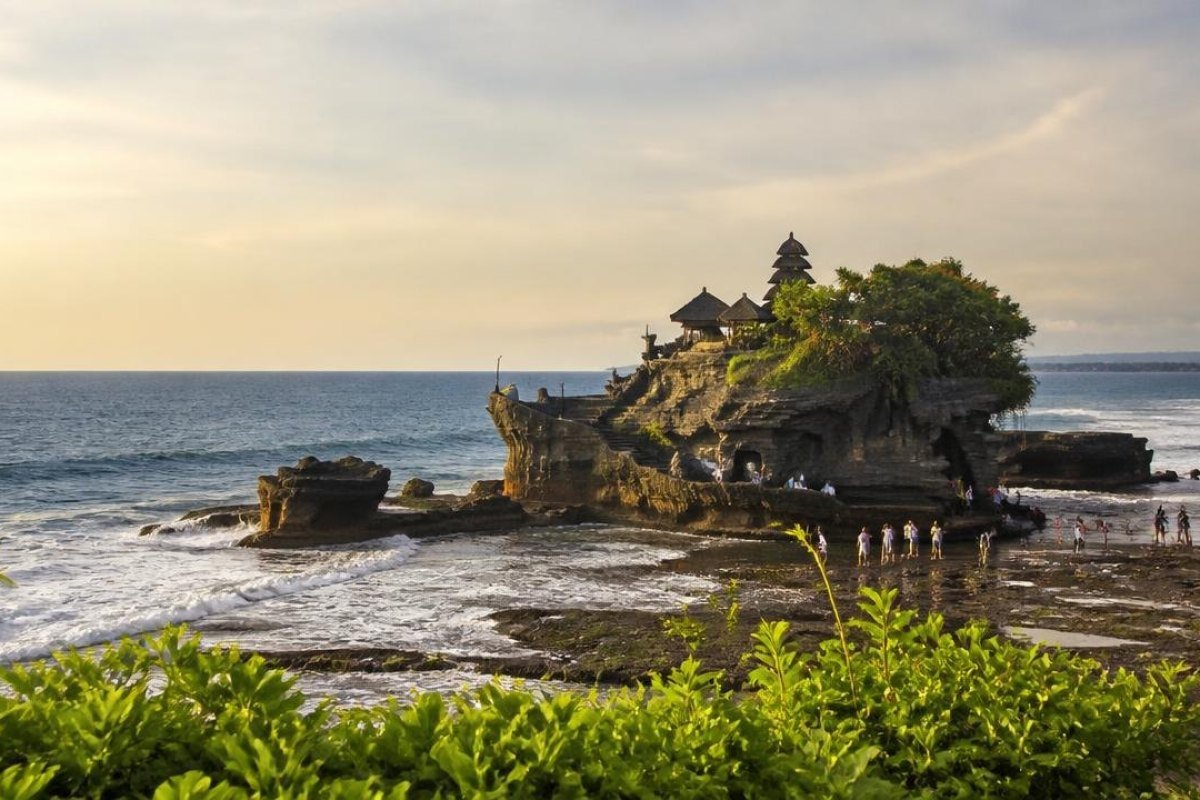
Check out after breakfast and travel north toward Ubud, stopping at Tanah Lot along the western coast. The sea temple is especially atmospheric near sunset, but visiting earlier can make the journey less crowded and gives you more time for the surrounding grounds.
After exploring, continue inland to Ubud. The drive can take considerably longer than the map distance suggests because of traffic and narrow roads. Once you arrive, settle into a guesthouse, boutique hotel, or villa near central Ubud, Penestanan, or the quieter outskirts.
Spend the evening walking through Ubud’s restaurant and arts district. Keep the night unhurried so that you can enjoy the town’s atmosphere rather than treating it as another checklist stop.
Day 4: Ubud Culture, Forest, and Rice-Field Walks
Start with a quiet morning at the Campuhan Ridge Walk or another nearby countryside path. Go early for cooler conditions, bring water, and wear shoes with good grip. Some routes include uneven ground, steps, and muddy sections after rain.
Continue to the Sacred Monkey Forest Sanctuary if it fits your interests. Follow the sanctuary’s rules, do not feed the monkeys, and keep food, sunglasses, phones, and loose accessories secure. Allow time for a proper lunch rather than combining too many distant attractions.
In the afternoon, visit an Ubud museum, craft workshop, market, or local cooking class. This creates a more balanced day and gives you a closer look at Balinese art, daily rituals, and the island’s living creative traditions.
Day 5: Tegallalang Rice Terraces, Tirta Empul, and Kintamani
Travel north of Ubud to the Tegallalang rice terraces. The landscape reflects Bali’s traditional subak irrigation culture, not simply a photographic backdrop. Stay on permitted paths, respect farmers at work, and be prepared for narrow trails and changing ground conditions.
Continue to Tirta Empul, a sacred spring temple near Tampaksiring. Visitors may be able to observe or participate in purification rituals according to local rules, but participation should always be respectful and guided by temple procedures. Bring or rent appropriate clothing when required.
If weather and visibility are favorable, finish in the Kintamani area for views toward Mount Batur and its caldera. Mountain conditions can change quickly, so treat the viewpoint as an optional addition rather than a guaranteed panoramic stop.

Optional Alternative: A Sunrise Trek
Active travelers can replace the relaxed Kintamani viewpoint with a guided Mount Batur sunrise trek. This requires an early start, suitable footwear, and honest consideration of your fitness and weather conditions. Confirm current access arrangements and guide requirements before booking.
Day 6: Jatiluwih or a Slower Ubud Day
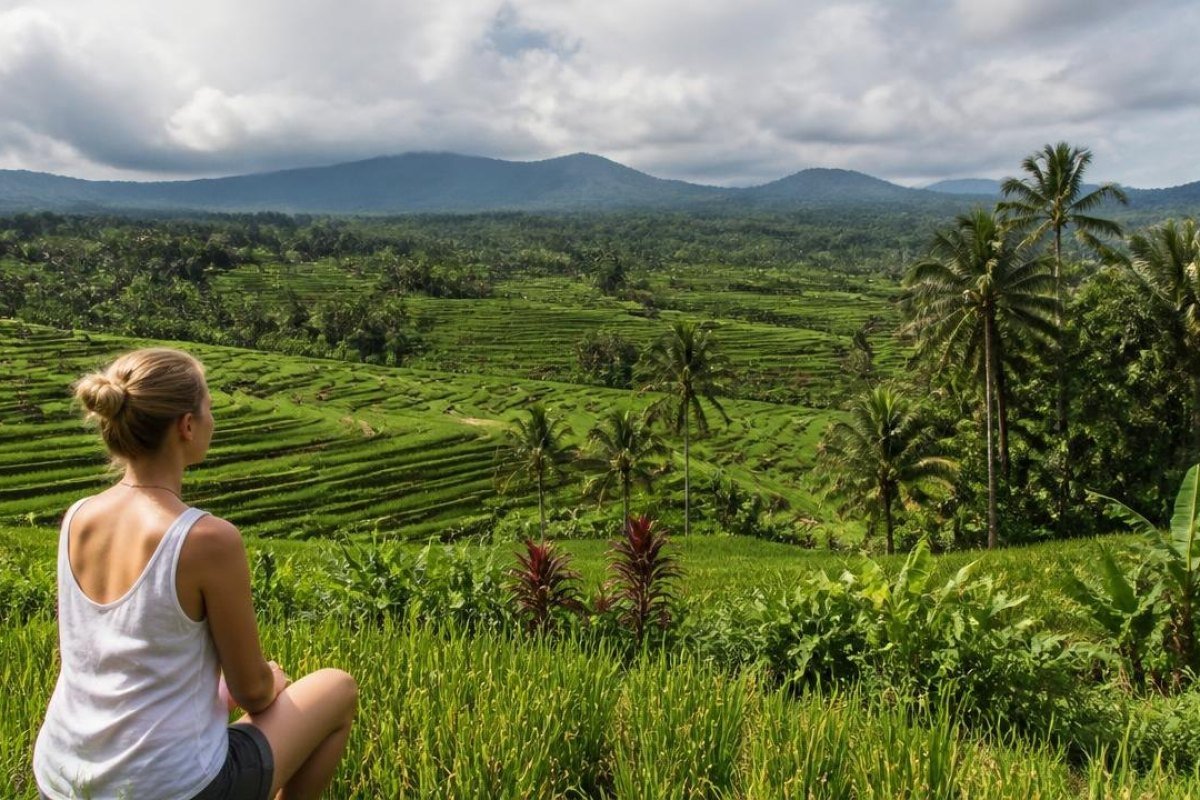
For a deeper rice-landscape experience, take a day trip to Jatiluwih Rice Terraces. The wider scenery feels more rural and expansive than the compact viewpoints around Tegallalang. Walking routes vary, so choose a path that matches your time, footwear, and weather.
Combine the visit with a stop at Taman Ayun Temple or another suitable attraction along the route. Do not overload the day: western and central Bali journeys can be slow, and the best part of Jatiluwih is often the unhurried landscape between formal viewpoints.
If you prefer less driving, remain in Ubud for a Balinese massage, yoga class, cooking experience, or leisurely café morning. A slower day can be the better choice after several excursions.
Day 7: Sanur, Nusa Dua, or a Relaxed Departure
On your final day, choose a destination that matches your departure time. Sanur is a good option for a calmer seaside walk and sunrise atmosphere, while Nusa Dua suits travelers who want an easy beach day with resort facilities.
If you are flying late, return to southern Bali and leave plenty of time for traffic and airport procedures. You can also use the day for last-minute shopping, a spa treatment, or a relaxed meal featuring nasi campur, ayam betutu, or sate lilit.
For an evening departure, avoid scheduling a distant full-day excursion. Keeping your final hours flexible reduces stress and gives you a safer margin for road delays.
Where to Stay on This 7-Day Route
Base the first two nights in southern Bali if beaches, restaurants, and sunset viewpoints are priorities. Seminyak offers more dining and nightlife, Jimbaran feels more relaxed, and Nusa Dua is convenient for resort-style stays.
Spend the middle nights in Ubud to reduce travel time for rice terraces, temples, cultural attractions, and countryside walks. Central Ubud is practical for restaurants and evening strolls, while the outskirts offer more greenery and quieter accommodation.
If your trip includes Jatiluwih or northern Bali, consider one night outside Ubud only if you are comfortable changing hotels. Otherwise, a single Ubud base keeps the itinerary simpler.
Getting Around Bali
For this itinerary, a private driver is usually the most convenient option for temple and rice-terrace days. Agree on the route, inclusions, waiting time, and payment before setting off. For short journeys, use a reputable ride-hailing service where available or ask your accommodation to arrange transport.
Scooters can be practical but are not automatically the safest choice. Only ride if you have the correct license and insurance, wear a proper helmet, and feel comfortable with heavy traffic, road surfaces, rain, and unfamiliar local driving patterns.
Allow generous buffers between attractions. Distances that look short on a map can take much longer around Ubud, Canggu, Kuta, and southern coastal roads.
Responsible and Respectful Travel in Bali
Treat temples and ceremonies as sacred spaces, not entertainment venues. Dress modestly, follow local instructions, ask before photographing people, and never step over offerings. During processions, move aside and allow participants to pass.
Support local communities by choosing locally owned restaurants, guides, workshops, and accommodation where possible. In rice fields and villages, stay on public or permitted paths and avoid entering planted areas without permission.
Reduce plastic waste, refill water when safe, use reef-conscious habits at the coast, and avoid attractions that involve inappropriate wildlife handling. Small choices help protect the landscapes and traditions that make Bali special.
Practical Tips for a Smooth Seven-Day Trip
Travel with flexible expectations. Rain, ceremonies, road closures, traffic, and changing attraction procedures can alter a day’s plan. Keep one or two optional stops rather than booking every hour.
Carry small cash for donations, local snacks, parking, or community-managed areas, while using secure cashless payment options when appropriate. Keep important documents and digital confirmations available offline.
Most importantly, slow down. Bali’s strongest experiences often come from a temple courtyard, a village road, a quiet rice-field path, or a sunset enjoyed without rushing to the next location.