Rome rewards curiosity, but one day calls for a focused plan rather than an attempt to see everything. This practical 24-hour Rome itinerary combines ancient landmarks, Baroque squares and Roman food in a route that is ambitious yet manageable on foot.
The itinerary begins near the Colosseum and gradually moves through the historic centre before ending in Trastevere. It assumes you are staying centrally and are comfortable walking several miles over the course of the day.
Before You Start: Plan the Important Details
Reserve the attractions that matter most before arrival. The Colosseum requires a timed entry, and official ticket sales generally open in advance for specific visit dates. The Vatican Museums also use timed admissions, but fitting them into the route below would make the day considerably more rushed.
Wear comfortable walking shoes, carry a refillable water bottle and keep a little flexibility in the schedule. Rome’s historic centre is best experienced at walking pace, and queues, photography stops and busy streets can easily add time.

For current public-transport information, the official ATAC app can help with route planning, real-time arrivals and digital tickets. Check service updates on the day, especially if you plan to use the metro between distant neighbourhoods.
Morning: Ancient Rome and the Colosseum
Start early at the Colosseum. An opening-time visit usually gives you the best chance of entering before the largest crowds and the strongest midday heat. Allow roughly one hour inside the amphitheatre, depending on your ticket and interest in the exhibitions.
Look beyond the famous exterior: the arena reveals the scale of Roman entertainment, engineering and political spectacle. Keep your timed ticket and identification document accessible, as entry procedures can be strict and ticket names may matter.
Walk Through the Roman Forum and Palatine Hill
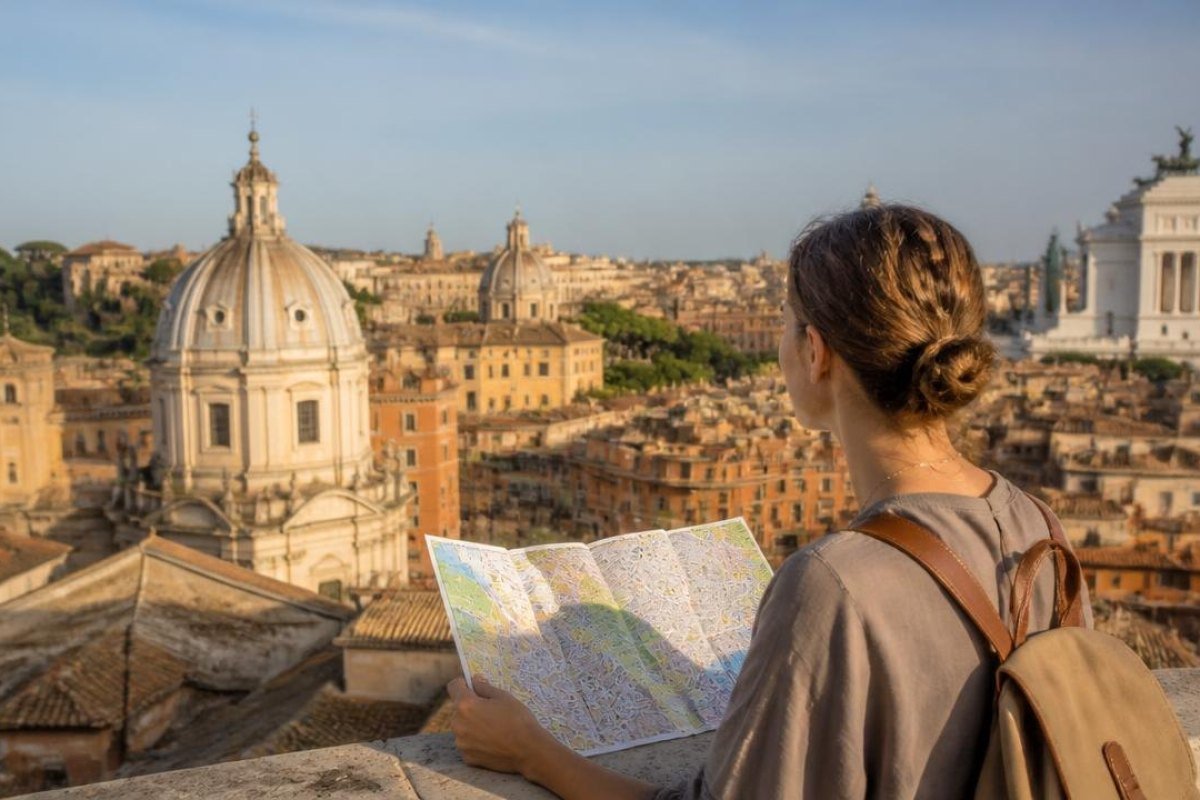
Continue into the archaeological park, where the Roman Forum and Palatine Hill provide context for the city’s political and religious history. Rather than trying to inspect every ruin, choose a few viewpoints and monuments that help you understand the layout.
The walk includes uneven surfaces, steps and limited shade. Take time at the elevated areas for views over the Forum, then exit toward Via dei Fori Imperiali and the neighbourhood of Monti.
Lunch in Monti
Monti is a convenient place for lunch because it sits between the archaeological area and the city centre. Look for a relaxed trattoria, pizzeria or small food counter serving supplì, pasta or a simple Roman-style meal.
Keep lunch reasonably short if you want to stay on schedule, but do not rush the meal completely. A coffee break and a few minutes in a shaded square can make the afternoon much more enjoyable.
Afternoon: Rome’s Fountains, Squares and Pantheon
From Monti, walk toward Piazza Venezia and continue through the historic centre. This section is less about entering every monument and more about enjoying the sequence of monumental streets, fountains and lively piazzas.
Pause at the Trevi Fountain, preferably from the edge of the square rather than blocking the central viewing area. The fountain is usually crowded, so keep valuables secure and avoid stopping in the busiest pedestrian flow.
Visit the Pantheon
Walk onward to Piazza della Rotonda and visit the Pantheon if opening arrangements and queues suit your schedule. Its vast concrete dome, central oculus and transformation from an ancient temple into a church make it one of Rome’s most rewarding short visits.

Entry conditions can change, and religious services may affect access. Check the official information shortly before your visit rather than relying on an old timetable.
Take a Break at Piazza Navona
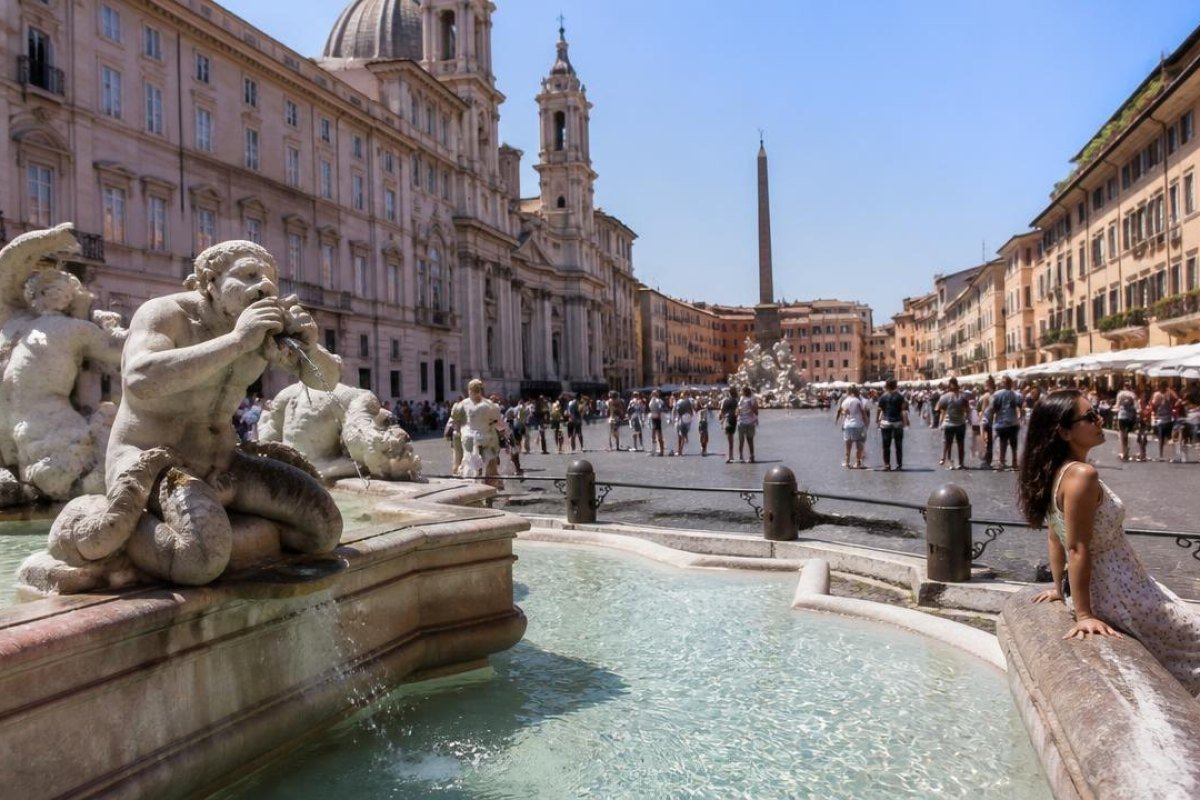
Continue to Piazza Navona, one of the city’s most theatrical urban spaces. Admire the Fountain of the Four Rivers, the elongated former stadium shape and the surrounding Baroque architecture.
This is a good place for a brief espresso, gelato or people-watching stop. Prices around major squares can be higher, so compare menus before sitting down and consider exploring the nearby side streets for better-value options.
Late Afternoon: Choose Your Final View
With limited time, choose one final area rather than adding another major museum. You can walk through Campo de’ Fiori and toward the Tiber, or head to the Capitoline area for a final look at the Roman Forum panorama.
If you prefer a slower afternoon, stay around Piazza Navona, the Pantheon and the smaller lanes between them. This option leaves more time for photographs, shopping and an unhurried aperitivo.
Evening: Dinner and Atmosphere in Trastevere
Cross the river and spend the evening in Trastevere. Its cobbled lanes, ivy-covered façades and busy restaurant terraces create a different mood from the monumental centre. Arrive before dinner if you want to explore without committing immediately to a table.
For dinner, look for classic Roman dishes such as cacio e pepe, carbonara, amatriciana or seasonal vegetables. Restaurant quality varies, so avoid choosing solely from the most crowded street; read the menu carefully and check whether service charges are listed.
End at Santa Maria in Trastevere
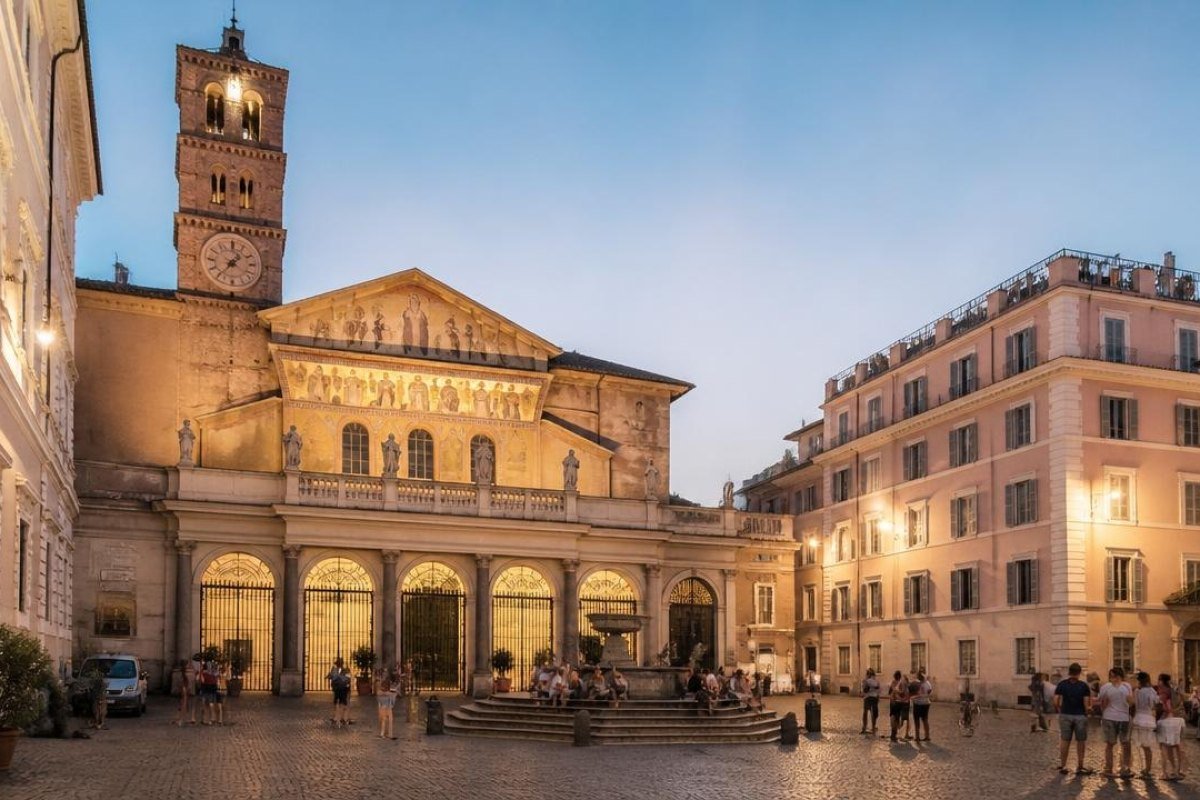
Finish near the Piazza di Santa Maria in Trastevere and take a final evening walk. The square’s church façade, fountain and relaxed local atmosphere offer a memorable closing scene without requiring another ticket.
If you still have energy, wander along the quieter lanes toward the river. Otherwise, use a taxi or public transport according to the latest service information and your where to stay in Rome location.
How to Adapt This Rome Itinerary
If the Vatican is your highest priority, replace the Colosseum and Forum with the Vatican Museums, Sistine Chapel and St Peter’s area. Book the museum entry in advance, begin early and use the historic centre only for a shorter evening walk.
If you prefer art and quieter spaces, consider replacing the archaeological park with the Borghese Gallery, but remember that this attraction also depends on advance reservations and a fixed visit time.
On hot days, spend less time exposed on the Forum and schedule longer indoor breaks. On rainy days, concentrate on the Pantheon, churches, museums and cafés, using short walks between covered stops.
Practical Tips for One Day in Rome
- Book timed attractions before travelling, especially the Colosseum and Vatican Museums.
- Use the metro for longer connections, but expect to walk between stations and monuments.
- Carry water and refill it at public drinking fountains where appropriate.
- Dress respectfully when entering churches and follow photography restrictions.
- Keep bags and phones secure in crowded squares, transport hubs and busy attractions.
- Build in spare time rather than scheduling every minute of the day.
What to Skip on a 24-Hour Visit
Do not try to combine the Colosseum, Vatican Museums, Trevi Fountain, Spanish Steps, Pantheon and several museums in one continuous rush. You may technically reach them all, but queues and travel time will leave little room to appreciate Rome.
A better strategy is to choose one major archaeological site, one compact historic-centre route and one neighbourhood for dinner. That balance gives you memorable sights while preserving the unplanned moments that make a practical first-trip itinerary special.