
A 9-Day Java Itinerary for Temples, Volcanoes, and Local Food
This 9-day Java itinerary combines the island’s most rewarding experiences without trying to cover every corner of it. You will explore cultural heritage beyond its temples, visit the monumental temples of Borobudur and Prambanan, watch sunrise over Mount Bromo, and finish with the dramatic landscapes of Ijen.
The route works best from west to east: begin in Yogyakarta, continue by train and private transfer toward East Java, and end in Banyuwangi or continue onward to Bali. Expect several early starts and long travel days, but the variety of temples, volcanoes, and local food makes the effort worthwhile.
How to Use This Java Itinerary
This plan is designed for travelers who want a balance of culture, nature, and regional cuisine. Yogyakarta is the best base for the opening days, while Malang or the Bromo area helps break up the journey east.
Travel times on Java can vary considerably because of traffic, weather, road conditions, and train availability. Book important rail journeys in advance, allow extra time for transfers, and confirm attraction rules, entrance arrangements, and volcanic access conditions shortly before traveling.

Day 1: Arrive in Yogyakarta and Explore the City
Arrive in Yogyakarta and settle into a central neighborhood such as Malioboro, Prawirotaman, or the area around the Kraton. Keep your first day relaxed so you can adjust to the heat, traffic, and local pace.
Begin with a walk through Malioboro Street, one of the city’s liveliest areas for shopping, street food, and people-watching. Continue toward the Yogyakarta Palace and nearby heritage streets, checking local opening information before setting out.
For dinner, look for classic Javanese dishes such as gudeg, a sweet jackfruit-based specialty, or a simple meal of rice, vegetables, chicken, and sambal. Yogyakarta food often leans sweeter than dishes in other parts of Indonesia, so ask for a spicier sambal if you prefer more heat.
Day 2: Borobudur and the Villages of Central Java
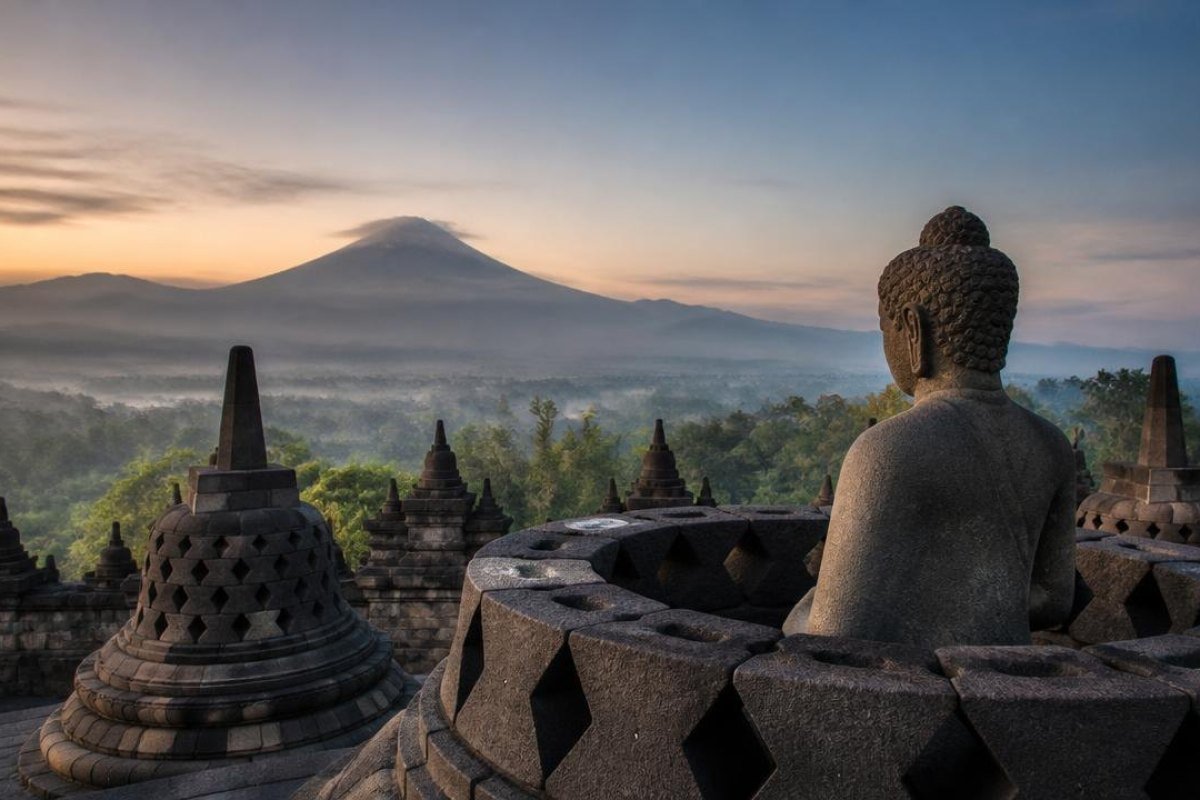
Start early for Borobudur Temple, the world-renowned Buddhist monument in Magelang. The temple is best appreciated slowly: follow the galleries, study the narrative reliefs, and take time to understand the monument’s layered design rather than rushing straight to the upper terraces.
Access arrangements can vary between the surrounding grounds and climbing the monument itself. Reserve through the official ticketing channel and check the latest time slots, visitor limits, and conservation requirements before your visit.
After Borobudur, explore the surrounding countryside with a village walk, cycling route, craft workshop, or visit to nearby Mendut and Pawon temples. Return to Yogyakarta in the afternoon or evening and keep dinner simple after the early start.
Day 3: Prambanan, Heritage, and Javanese Performance
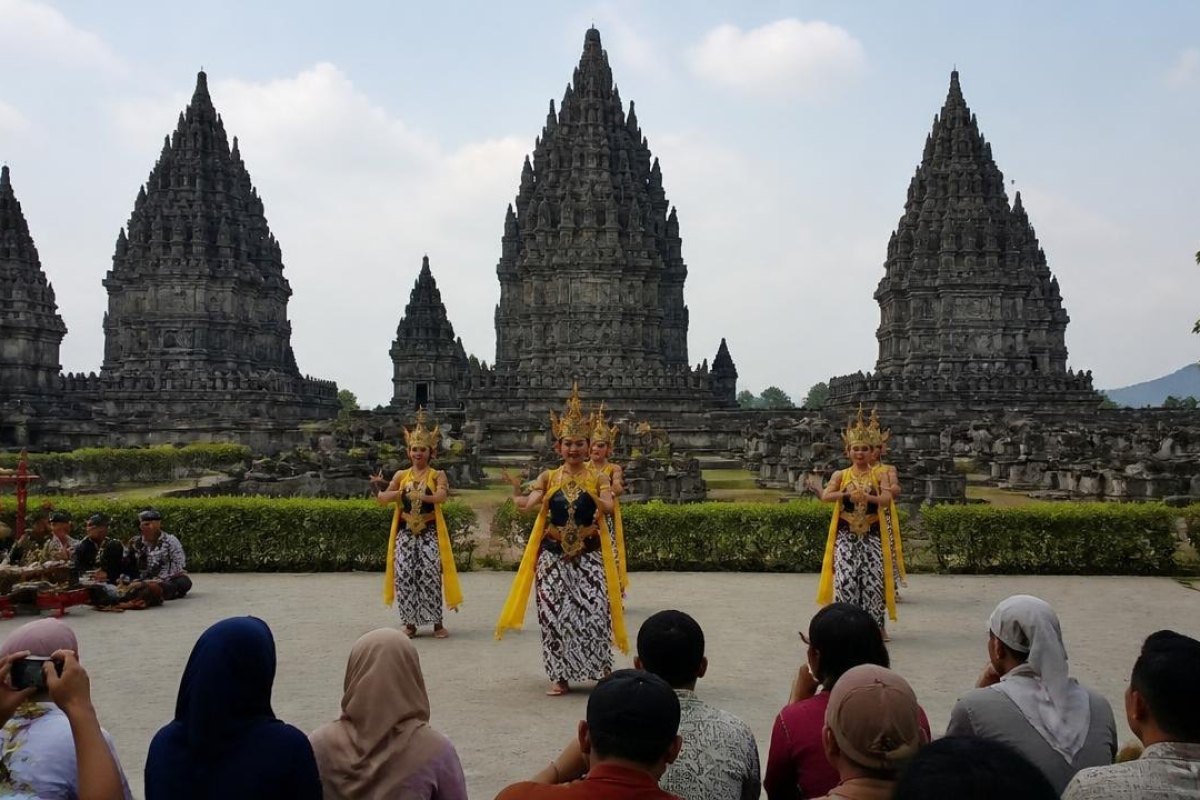
Visit Prambanan Temple in the morning, when the light is softer and the open grounds are usually more comfortable for walking. The complex is dedicated primarily to the Hindu trinity of Shiva, Vishnu, and Brahma, with richly carved architecture and a broad archaeological landscape.
Wear comfortable shoes because the temple compound is explored on foot. Give yourself enough time to examine the main shrines and the smaller surrounding temples, then take a break in the landscaped areas before continuing.
In the evening, consider a traditional dance performance if one is scheduled during your stay. The Ramayana ballet is a popular cultural experience, but performances and venues can change by season, so confirm the current program before booking.
Finish the day with Yogyakarta favorites such as bakmi Jawa, satay, or a rice dish from a busy local warung. Popular food stalls are often a useful sign that a place has a steady local following.
Day 4: Yogyakarta to Malang or the Bromo Gateway
Use today as a transition day from Central Java to East Java. The most practical choice is usually a train toward Malang or another agreed meeting point for a Bromo transfer, depending on your tour arrangement and accommodation.
Java’s railway network is one of the most comfortable ways to cover long distances, but schedules and seat availability should be checked through the official railway booking system. Keep your passport details handy and arrive at the station with time to spare.
After arrival, rest rather than filling the afternoon with activities. You may need to leave for Bromo during the night, so prepare warm layers, water, snacks, a headlamp, and sturdy footwear. Temperatures at viewpoints can feel surprisingly cold before sunrise.
Day 5: Mount Bromo Sunrise and the Tengger Caldera
Most Bromo itineraries begin before dawn. The classic experience includes a sunrise viewpoint followed by the Tengger caldera, the volcanic sea of sand, and the walk or ride toward Mount Bromo’s crater area.
Mount Bromo lies within Bromo Tengger Semeru National Park, where access procedures, routes, vehicle rules, and safety restrictions may change according to volcanic activity and local management decisions. Use official channels or a reputable local operator and follow instructions from park staff.
The landscape is highly exposed, so bring a jacket, sun protection, water, and a face covering for dusty sections. Do not approach restricted zones or attempt to cross barriers for photographs. After the excursion, continue to Malang or stay near the park entrance for a more restful evening.
Day 6: Malang’s Heritage and Local Flavors
Use Day 6 to slow down and explore Malang after the demanding Bromo morning. Stroll through colonial-era streets, colorful neighborhood lanes, or a local market, depending on your interests and energy level.
Malang is known for casual comfort food, including bakso Malang, spicy noodles, fried snacks, and apple-based products from the surrounding highlands. Try small portions from several places instead of planning one long formal meal.

If you prefer a more active day, arrange a visit to a nearby waterfall or rural viewpoint. Avoid adding too many distant attractions, however, because the following transfer toward Banyuwangi can be long and the Ijen excursion often begins late at night.
Day 7: Travel to Banyuwangi and Prepare for Ijen
Travel east toward Banyuwangi, the main base for visiting Ijen. Depending on your transport plan, the journey may involve a train, private vehicle, or organized transfer. Confirm the final meeting point with your accommodation or guide.
Keep this day intentionally light. Walk around town, visit a nearby coffee shop, or enjoy a relaxed meal featuring East Javanese flavors. Banyuwangi cuisine may include rice dishes, grilled seafood, chicken, and strongly seasoned sambal.
Before going to Ijen, check the latest park access, weather conditions, trail status, and local safety guidance. Conditions around volcanic craters can change, and access is not guaranteed simply because a tour has been advertised.
Day 8: Ijen Crater and Banyuwangi
Many visitors leave during the night for the climb to Ijen Crater. The route is physically demanding in darkness and may include steep sections, uneven ground, cold temperatures, and sulfur fumes. A local guide can help with navigation and current conditions.
The crater is famous for its turquoise lake and the blue flames sometimes visible in darkness, but the blue-fire experience is not guaranteed and may be restricted for safety reasons. Never enter closed areas, descend without authorization, or ignore official instructions about volcanic gases.
After returning, rest at your hotel and keep the afternoon unhurried. If you have energy, explore Banyuwangi’s markets or nearby coastal areas. Otherwise, a long breakfast and recovery time are a sensible part of the itinerary.
Day 9: Finish in Banyuwangi or Continue to Bali
Use your final morning for a slow breakfast, coffee, and a final walk through Banyuwangi. The region is known for coffee-growing areas and distinctive East Javanese food, making it a pleasant place to end the journey rather than rushing immediately onward.
From Banyuwangi, travelers commonly continue toward Ketapang Harbour and Bali, or depart from the local airport depending on their onward plans. Check ferry, train, and flight arrangements close to departure because operating conditions and schedules can change.
If you are continuing to Bali, keep the rest of the day flexible. The crossing and onward road journey may take longer than expected, especially during busy travel periods.
What to Eat Along the Route
Food is one of the best ways to understand Java’s regional differences. In Yogyakarta, try gudeg, Javanese noodles, and traditional snacks. Around Borobudur, look for simple village meals, coconut-based dishes, and locally grown coffee.
In Malang, sample bakso Malang, fried dumplings, noodles, and savory snacks. In East Java, expect stronger chili, bolder seasoning, and dishes such as rawon, grilled chicken, rice plates, and seafood near the coast.
Eat at busy stalls, choose food that is cooked thoroughly, and carry bottled water on long excursions. Travelers with allergies should keep a translated note explaining ingredients such as peanuts, shrimp paste, eggs, or dairy.
Getting Around Java
For the opening section, Yogyakarta works well as a base for Borobudur and Prambanan. Use trains for longer intercity journeys where practical, then arrange a private car, licensed tour, or local transfer for remote temples and volcano areas.
Bromo and Ijen are not simple city-center day trips. A private driver or organized multi-day tour can reduce logistical stress, especially when coordinating night departures, park access, luggage, and transfers between accommodation areas.
Do not judge a journey only by distance. Traffic, mountain roads, station transfers, and weather can make short-looking routes take much longer than expected.
Practical Tips for a Smooth Trip
Pack for several climates: light clothing for Yogyakarta, warm layers for Bromo and Ijen, and comfortable walking shoes for the temple grounds. A small daypack is more useful than carrying your main luggage on every excursion.
Protect your phone and camera from dust, rain, and sudden temperature changes. Bring sun cream, insect repellent, a reusable water bottle, basic medication, and a power bank for long transfer days.
Check official attraction and national park information before each visit. Rules, access, ticketing, and safety restrictions can change, particularly at active volcanoes and heritage monuments.
Is Nine Days Enough for Java?
Nine days is enough for a focused route through Yogyakarta, Bromo, and Ijen, but it is not enough to see all of Java. This itinerary prioritizes iconic highlights and accepts that some transfer days will be tiring.
To make the trip more comfortable, add one or two nights in Malang or Banyuwangi. To travel faster, remove Ijen or reduce the time in Yogyakarta, but do so only if you are comfortable sacrificing either a major volcanic landscape or part of Java’s cultural depth.
The best version of this journey is not the one with the most stops. It is the one that leaves enough time to appreciate ancient temples and volcanic scenery, and the everyday food and hospitality that make Java memorable.
hagai?