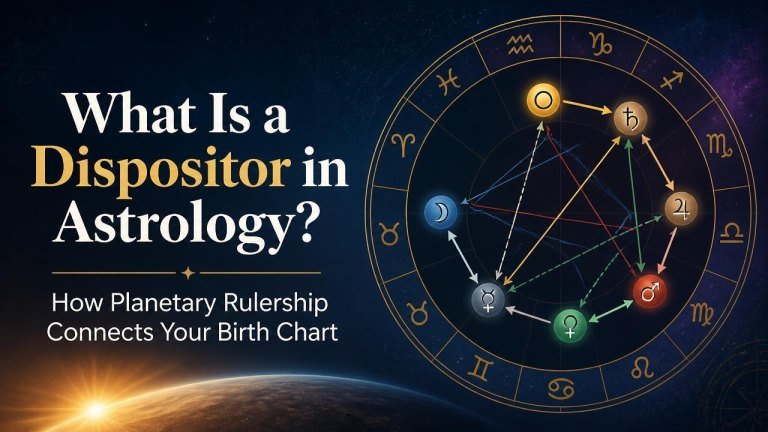
Astrology often describes planets as symbols of different drives, needs, and life experiences. To understand how those symbols interact, astrologers also look at planetary rulership. One of the most useful concepts connected to rulership is the dispositor.
A dispositor can show which planet ultimately influences another planet in a birth chart. By following these connections, you may discover patterns of motivation, areas of dependence, and themes that are not immediately obvious from individual placements alone.
What Is a Dispositor in Astrology?
A dispositor is the planet that rules the zodiac sign where another planet is located. For example, if Venus is in Aries, Mars is Venus’s dispositor because Mars rules Aries in traditional astrology. In this relationship, Venus expresses itself through the style and conditions associated with Mars.
The dispositor does not erase the meaning of the placed planet. Instead, it adds a layer of context. The planet in the sign shows what is expressing itself, while the dispositor can describe how that expression is directed and which planetary influence supports or modifies it.
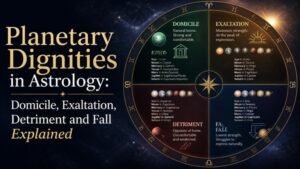
How Planetary Rulership Creates the Connection
Each zodiac sign is traditionally associated with a ruling planet. When a planet occupies that sign, the ruling planet becomes its dispositor. This creates a symbolic link between the two planets.
- Aries is ruled by Mars.
- Taurus is ruled by Venus.
- Gemini is ruled by Mercury.
- Cancer is ruled by the Moon.
- Leo is ruled by the Sun.
- Virgo is ruled by Mercury.
- Libra is ruled by Venus.
- Scorpio is traditionally ruled by Mars and associated with Pluto in modern astrology.
- Sagittarius is ruled by Jupiter.
- Capricorn is traditionally ruled by Saturn.
- Aquarius is traditionally ruled by Saturn and associated with Uranus in modern astrology.
- Pisces is traditionally ruled by Jupiter and associated with Neptune in modern astrology.
For example, Mercury in Sagittarius is disposed by Jupiter, because Jupiter rules Sagittarius. This may connect communication, learning, and decision-making with beliefs, meaning, and the search for a broader perspective.
How to Find a Planet’s Dispositor
Finding a dispositor involves three simple steps. First, identify the planet you want to examine. Next, note the zodiac sign containing that planet. Finally, find the planet that rules that sign.
A Simple Example
Suppose your Moon is in Capricorn. Capricorn is ruled by Saturn, so Saturn is the Moon’s dispositor. To understand the Moon more fully, you would then study Saturn’s sign, house, aspects, and overall condition.
This process can reveal whether the Moon’s needs are expressed through discipline, responsibility, and practical control, or whether Saturn’s own chart placement changes the way those themes operate, as it can during a Saturn return in astrology.
What Is a Dispositor Chain?
A dispositor chain develops when one planet disposes of another, and then is itself disposed of by a third planet. For instance, if the Moon is in Capricorn, Saturn disposes of the Moon. If Saturn is in Libra, Venus disposes of Saturn. If Venus is in Pisces, Jupiter disposes of Venus.
You can continue tracing the chain until it reaches a planet that returns to a previous planet, forms a closed loop, or occupies its own sign. These patterns are sometimes called mutual reception, dispositor loops, or a final dispositor structure, depending on the configuration and astrological tradition being used.
What Is a Final Dispositor?
A final dispositor is a planet that ends a dispositor chain, often because it is in the sign it rules. In traditional astrology, a planet in its own sign is considered especially self-directed, so it may function as a strong endpoint for the chart’s planetary relationships.
For example, if Mercury is in Gemini, Mercury disposes of itself because it rules Gemini. Other planets may lead back to Mercury through their own dispositor chains. This can make Mercury a particularly important organizing influence in the chart.
Not every chart has one final dispositor. Some charts contain multiple endpoints, closed chains, or placements that require interpretation through more than one rulership system.
Why Dispositors Matter in a Birth Chart
Dispositors can help connect separate parts of a chart. Instead of interpreting each planet as an isolated symbol, you can see how one placement directs attention toward another planet, house, or life area.

This may help answer questions such as:
- Which planet has a strong influence over several other placements?
- Where do different parts of the personality converge?
- Which planet may describe the underlying motivation behind a placement?
- Why might a planet express itself differently from its zodiac sign alone?
For example, Mars in Libra is disposed by Venus. This can connect action, desire, and assertion with relationships, harmony, and negotiation. The result does not necessarily mean a person avoids conflict; it suggests that their approach to action may be shaped by Venusian concerns.
Dispositors and Chart Interpretation
A dispositor should be interpreted alongside the planet’s sign, house, aspects, and strength. It is not a standalone verdict about personality or life events. Instead, it acts as a thread that links different chart factors.
Consider the Dispositor’s Sign
The dispositor’s sign shows the style through which the original planet may operate. A Moon in Aquarius, for example, is disposed by Saturn in traditional astrology or associated with Uranus in modern astrology. The meaning will depend on which framework you use and on the condition of that ruling planet.
Consider the Dispositor’s House
The house containing the dispositor can show where the influence becomes focused. If Venus disposes of your Mars and Venus is in the tenth house, themes involving career, public life, and achievement may shape how you pursue goals.
Consider Aspects to the Dispositor
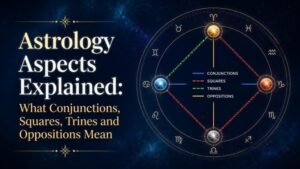
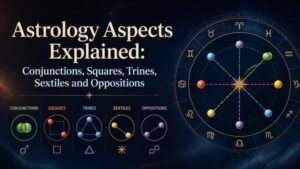
Aspects can modify the relationship between a planet and its dispositor. Supportive aspects may make the connection easier to express, while tense aspects may describe conflict, delay, or internal pressure. The nature of the aspect matters, but so do the planets and houses involved.
Traditional and Modern Rulership Systems
Astrologers do not all use the same rulership scheme. Traditional astrology assigns Scorpio to Mars, Aquarius to Saturn, and Pisces to Jupiter. Modern astrology often includes Pluto, Uranus, and Neptune as co-rulers or modern rulers of those signs.
When examining dispositors, consistency is important. You may compare traditional and modern rulerships, but you should understand that they can produce different chains and interpretive emphases. Neither approach should be applied mechanically without considering the complete chart.
Common Mistakes When Using Dispositors
One common mistake is treating the dispositor as more important than the original planet. A dispositor adds context, but it does not replace the planet’s own meaning. Another mistake is assuming that every chain has a single final answer.
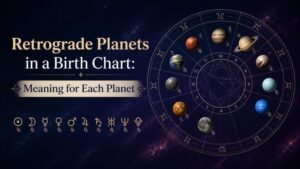
It is also useful to avoid interpreting a dispositor without checking its house placement, aspects, and condition, including whether it is among the retrograde planets in a birth chart. A planet may rule several placements while expressing itself in a complex or conflicted way.
How to Use Dispositors in Your Own Chart
Choose one planet or a prominent chart placement to begin. Identify its sign, find that sign’s ruler, and then examine the ruler’s sign and house. Continue tracing the chain while taking notes on repeated themes.
Pay attention to planets that appear repeatedly, especially when they connect several personal planets or important houses. These may point to central themes in your experience, such as communication, relationships, ambition, or emotional security, much like a stellium in astrology can emphasize concentrated chart themes.
Finally, compare the dispositor pattern with the rest of the chart. The most helpful interpretation is usually the one that connects multiple factors rather than relying on a single placement.
Final Takeaway
A dispositor is the planet that rules the sign occupied by another planet. By following these rulership links, astrologers can explore how different chart placements influence one another and where planetary themes may ultimately lead.
Dispositor chains are most useful when treated as interpretive guides rather than fixed rules. When combined with houses, aspects, dignities, and the chart’s broader pattern, they can offer a clearer view of the motivations, connections, and deeper structure within a birth chart.