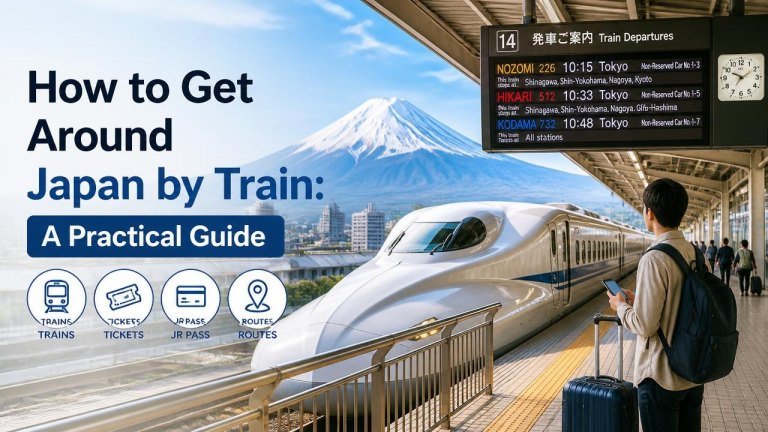
How to Get Around Japan by Train: A Practical Guide
Japan is one of the easiest countries to explore by rail. The network connects major cities, regional towns, airports, mountain destinations, and coastal communities with a combination of high-speed Shinkansen, conventional JR services, private railways, subways, and local trains. A Japan itinerary by train can help you move between destinations efficiently without renting a car.
The key is understanding which train system you need, when to reserve a seat, and whether an IC card or a paper ticket is the better choice. Rural areas may require more planning because services can be less frequent than in Tokyo, Kyoto, or Osaka.
Understanding Japan’s Train Network
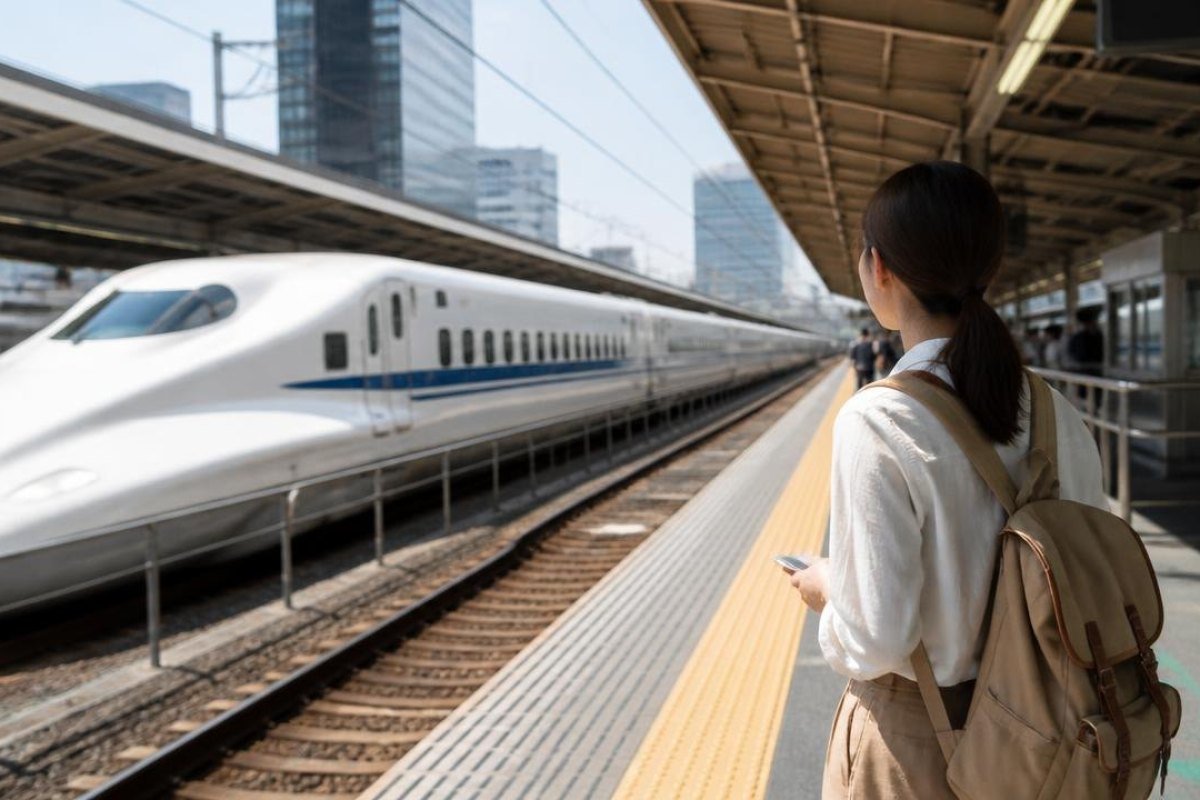
Japan’s railways are operated by several companies. The JR Group runs nationwide and regional services, while companies such as Tokyo Metro, Toei Subway, Hankyu, Keihan, Kintetsu, and many others operate private lines. A journey may involve more than one company, particularly in large metropolitan areas.
Train categories generally include local trains, which stop at every station; rapid trains, which skip some stops; and limited express services, which are faster but may require an additional surcharge or reservation. Subways are especially useful within major cities, while private railways often provide convenient routes to attractions outside city centers.

JR trains and private railways
JR trains are useful for intercity travel, airport connections, and many regional routes. Private railways can be the better option for specific urban or sightseeing journeys. For example, the fastest route is not always operated by JR, so check the complete route rather than assuming that every trip should use a JR train.
When changing companies, follow the signs carefully. Some stations have separate ticket gates, while others allow passengers to transfer within the same station area. Route-planning apps can show whether a fare includes multiple operators.
Taking the Shinkansen
The Shinkansen, or bullet train, is the most convenient option for many long-distance journeys. Major routes link Tokyo, Nagoya, Kyoto, Osaka, Hiroshima, northern Honshu, Kyushu, and other regions. Services differ by route and stopping pattern, so check the train name and destination before boarding.
On the Tokaido Shinkansen between Tokyo and Shin-Osaka, for example, faster services stop at fewer stations than slower services. Similar differences exist on other Shinkansen lines. Your ticket will show the departure station, arrival station, date, time, and seat information, so keep it available until you leave the final gate.
Reserved and non-reserved seats
Many Shinkansen services offer reserved seats and non-reserved cars, although some trains or periods may operate with reserved seating only. Reserving a seat is sensible during weekends, holidays, major festivals, and the best time to visit Japan. It is also useful when traveling with children or when you want to sit together.
Seat reservations can usually be made at ticket machines, JR ticket offices, or through the relevant railway company’s online booking service. Booking systems differ by region, so use the official service for the line you intend to travel on.
Oversized luggage
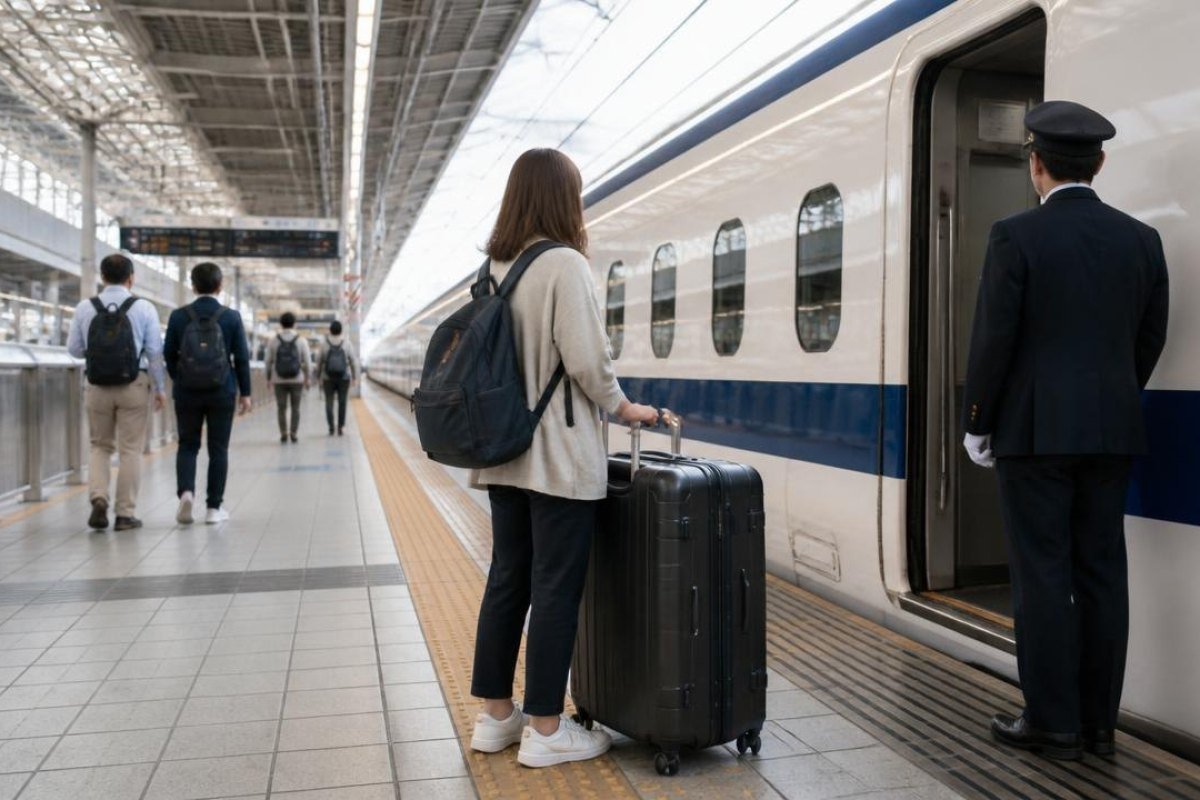
If your suitcase has total dimensions above the applicable limit, some Shinkansen routes require an oversized-baggage reservation or a seat with designated luggage space. This is particularly important on services connecting Tokyo, Kyoto, Osaka, and destinations farther west. Check the current luggage rules before traveling, and avoid blocking aisles or door areas with large bags.
Using IC Cards for Everyday Travel
Prepaid IC cards such as Suica, PASMO, ICOCA, and regional equivalents are convenient for local trains, subways, and many buses. You normally tap the card at the entrance and again at the exit. The fare is deducted automatically, which saves time when you do not know the exact price of a short journey.
IC cards can also be accepted at participating convenience stores, vending machines, station lockers, and other small businesses. However, acceptance is not universal. Some rural routes, highway buses, and isolated transport systems may require cash or a separate ticket.
Buying and charging an IC card
Physical cards are generally available from station machines or staffed counters, while visitor-oriented products may be sold at selected airports and stations. Mobile versions may work on compatible smartphones, but overseas devices, payment cards, and phone settings are not all supported.
Before leaving a major city, make sure your card has enough stored value for the next part of your journey. Keep a small amount of cash as a backup, especially when visiting rural areas or traveling on buses with limited payment options.
Buying Train Tickets
For short local journeys, an IC card is usually the simplest option. If you are not using one, look at the fare map above the ticket machines, select your destination, and purchase a paper ticket. Machines commonly offer English-language instructions.

For longer journeys, you may buy a ticket from a staffed counter, a reserved-seat machine, or an official online booking platform. A long-distance ticket may include several components, such as the basic fare and a separate limited-express or Shinkansen surcharge.
Keep every ticket until you have exited the destination station. If you are unsure which ticket to buy or whether a transfer is covered, ask station staff before passing through the gate.
Is the Japan Rail Pass Worth It?
The nationwide Japan Rail Pass is designed for eligible international visitors who plan to make extensive JR journeys. It can be useful for an itinerary with several long-distance trips, but it is not automatically the cheapest choice for every traveler. Compare the current pass price with individual fares and regional passes before buying.
The pass covers many JR services, including most JR local, rapid, limited-express, and Shinkansen trains, subject to its conditions. The fastest Nozomi and Mizuho services require a separate additional ticket for pass holders. Eligibility rules, prices, coverage, and reservation procedures can change, so check the official Japan Rail Pass information before purchase.
Regional passes may be more suitable if your trip focuses on one area, such as Kansai, Kyushu, Hokkaido, or western Japan. They can provide better value than a nationwide pass when your route is geographically concentrated.
Planning Routes and Transfers
Use a reliable route planner to compare departure times, train operators, transfer stations, and estimated fares. Google Maps, Japan-focused transit apps, and railway company websites can all be useful, but check the final details against the operator’s information for reserved trains and service disruptions.
Large stations can be confusing because they may contain JR platforms, subway lines, private railways, shopping areas, and several exits. Allow extra time for your first transfer, especially at Tokyo, Shinagawa, Shinjuku, Ueno, Kyoto, Shin-Osaka, and Osaka stations.
Pay attention to the exact station name. “Tokyo” and “Shin-Tokyo,” for example, are not interchangeable concepts, and “Osaka” and “Shin-Osaka” serve different purposes. A route planner may also direct you to a nearby station that belongs to another railway company.
Train Etiquette in Japan
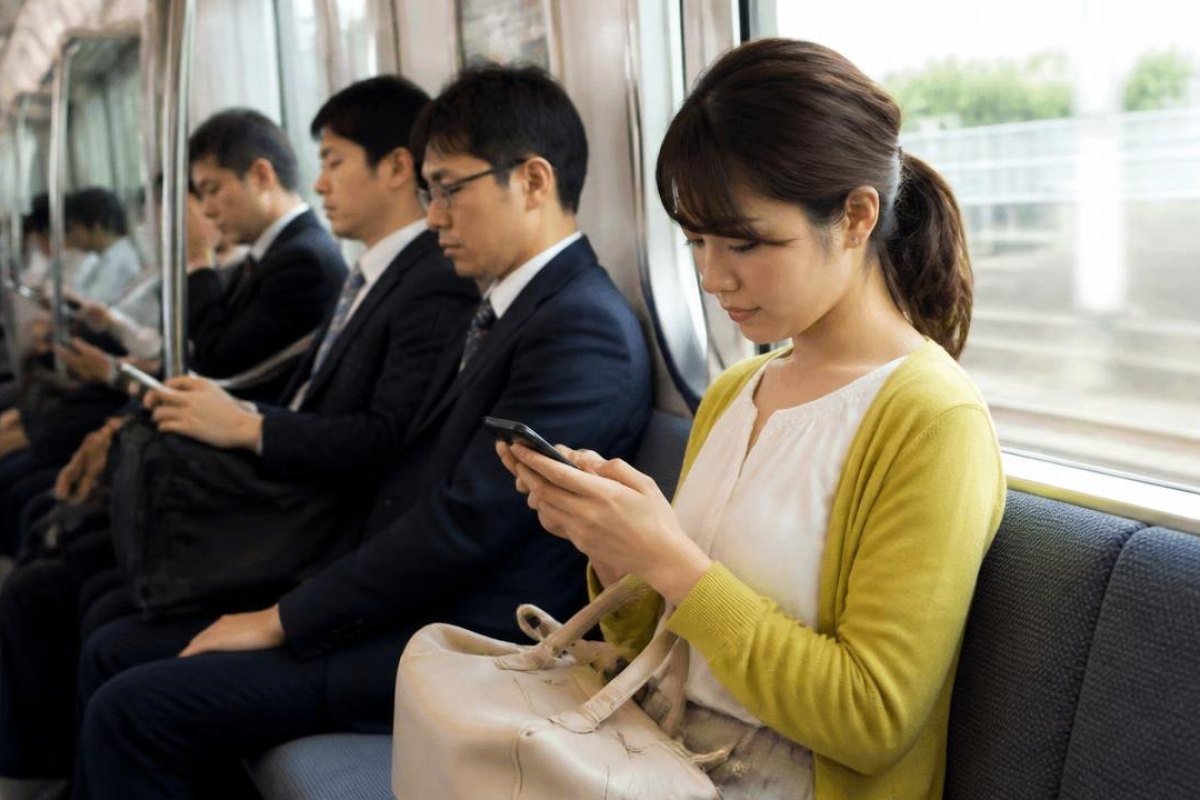
Good manners make train travel smoother for everyone. Keep your voice low, avoid phone calls in the passenger area, and place backpacks in front of you during crowded periods. Priority seats should be left available for passengers who need them.
Eating and drinking are generally acceptable on Shinkansen and some long-distance trains, where an ekiben boxed meal is a popular choice. Eating on crowded local trains and subways is usually discouraged. Dispose of rubbish when bins are available, and do not leave food or packaging behind.
Stand behind the marked lines on platforms, let passengers leave before boarding, and follow the arrows indicating where to queue. During busy commuting periods, some trains may include women-only cars according to local rules and operating times.
Traveling with Luggage and Mobility Needs
Station layouts vary considerably. Many major stations have elevators, escalators, accessible toilets, and staff assistance, but a transfer may involve a long walk or a different entrance. If you use a wheelchair, stroller, or mobility aid, contact the railway staff before travel when possible.
For standard luggage, overhead racks and designated spaces are available on many trains. Keep bags compact and avoid placing them where they obstruct doors, aisles, or other passengers. If you have several large suitcases, consider forwarding luggage between accommodations or confirming the train’s luggage-space requirements in advance.
Useful Tips for a Stress-Free Rail Journey
- Save your accommodation address in Japanese as well as English.
- Carry a charged phone, a portable battery, and some cash.
- Arrive early when using a reserved Shinkansen ticket or traveling from a large station.
- Check the platform number, train name, destination, and departure time before boarding.
- Keep your passport available if you are collecting or using an eligible rail pass.
- Do not assume an IC card works for every rural route or bus.
- Check official railway updates before journeys affected by storms, earthquakes, or major disruptions.
Final Advice
For most visitors, the simplest strategy is to combine an IC card for city travel with individual tickets or carefully chosen regional passes for longer journeys. Use the Shinkansen when distance makes speed worthwhile, reserve seats during busy periods, and leave extra time for large-station transfers.
Japan’s rail network rewards a little preparation. Once you understand the difference between JR and private lines, know when to reserve, and keep your tickets or IC card organized, traveling around the country by train becomes comfortable, reliable, and often one of the highlights of the trip, especially with a first-time guide to Japan.