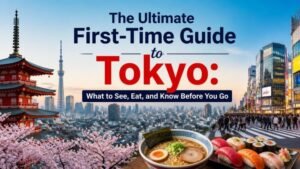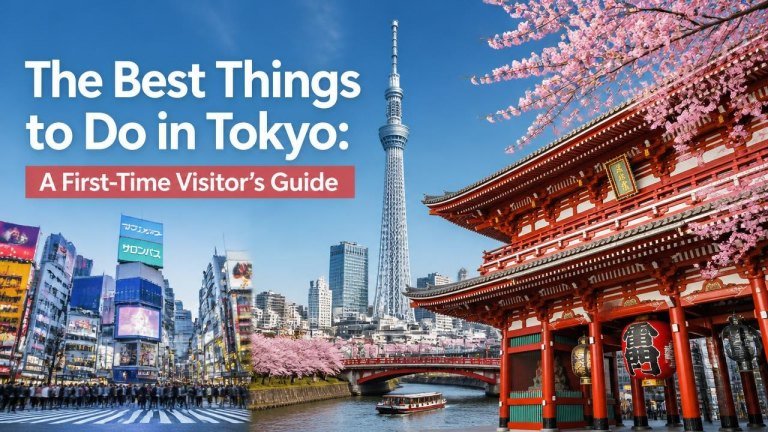
Tokyo is a city of striking contrasts: centuries-old temples stand beside futuristic towers, quiet garden paths lead to crowded shopping streets, and neighborhood cafés coexist with some of the world’s most ambitious restaurants. For a first visit, the best approach is to experience several sides of the city rather than trying to see everything at once.
This guide brings together Tokyo’s essential sights, distinctive neighborhoods, cultural experiences, food, transport advice, and useful planning tips for a rewarding first trip.
Why Tokyo Is Worth Visiting
Tokyo offers an extraordinary mix of traditional culture, modern design, and everyday local life. You can begin the morning at a Buddhist temple, spend the afternoon exploring an innovative art museum, and finish the evening with sushi, ramen, or a panoramic city view.
The city is also unusually rewarding for independent travelers. Its extensive rail network makes it possible to move between distant districts efficiently, while each neighborhood has its own atmosphere, architecture, and food culture.

Explore Tokyo’s Most Iconic Neighborhoods
Tokyo is best understood through its neighborhoods. Instead of treating the city as one enormous destination, plan your days around a few nearby areas and allow time to wander between major attractions.
Asakusa and Senso-ji Temple
Asakusa is one of the best places to experience old Tokyo, temple architecture, and traditional shopping. Enter through Kaminarimon, the famous Thunder Gate, then follow Nakamise Street toward Senso-ji, Tokyo’s best-known Buddhist temple.
Arrive early if you want a calmer atmosphere and better photographs. After visiting the temple, explore the surrounding side streets, browse crafts and souvenirs, or walk toward the Sumida River for views across the water. Nearby Kappabashi is especially interesting for kitchenware, tableware, and the remarkably realistic food displays used by Japanese restaurants.
Shibuya and Harajuku
Shibuya is Tokyo’s energetic modern face, famous for Shibuya Crossing, neon-lit streets, and fashion culture. Watch the crossing from an elevated viewpoint, then explore the surrounding department stores, independent boutiques, cafés, and entertainment venues.
From Shibuya, continue toward Harajuku and Omotesando. Takeshita Street is known for youthful fashion and colorful snacks, while the broad tree-lined avenues of Omotesando offer a more polished mix of architecture, flagship stores, and design-focused cafés.
Shinjuku After Dark
Shinjuku combines skyscraper views, late-night dining, and busy entertainment streets. The Tokyo Metropolitan Government Building is a useful stop for a city panorama, while the area around the station contains department stores, small restaurants, bars, arcades, and music venues.
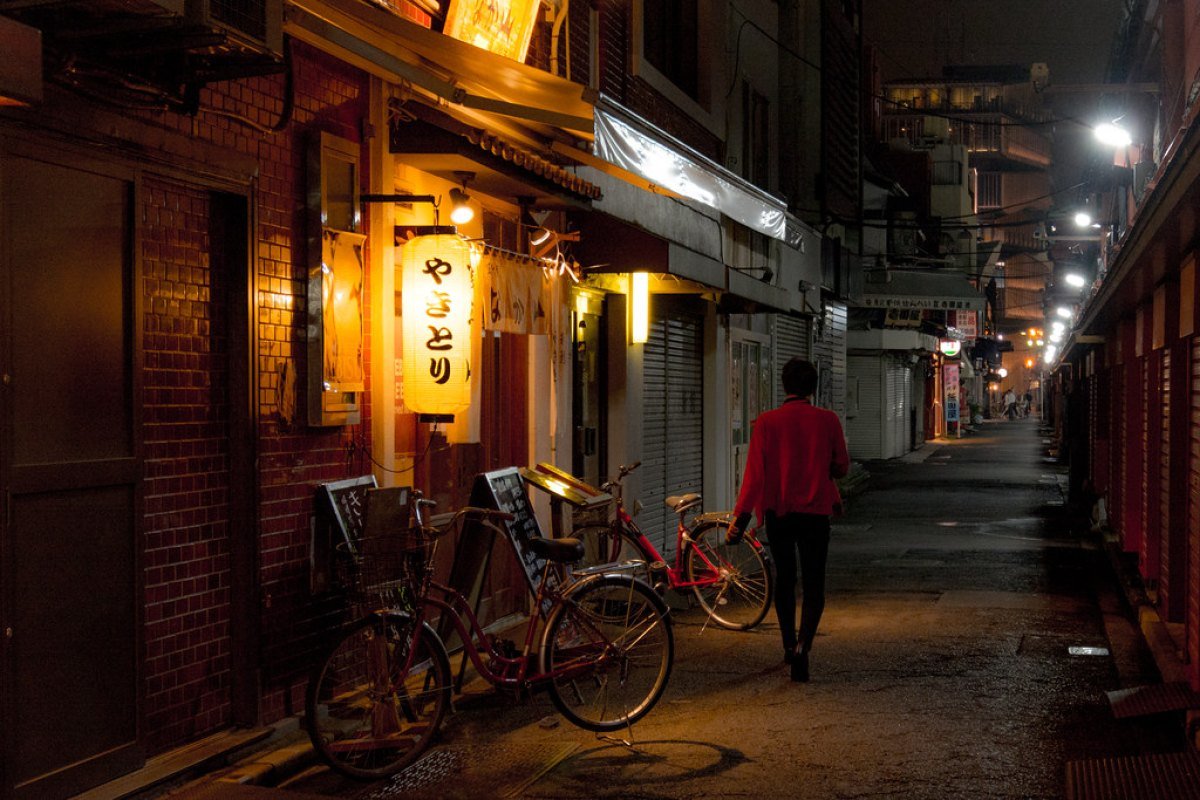
For a more atmospheric evening, explore Omoide Yokocho or Golden Gai respectfully. These compact areas are built around tiny establishments, so check seating rules and any cover charges before entering. Kabukicho is lively and visually impressive, but visitors should remain cautious around aggressive touts and avoid accepting unsolicited invitations.
Ginza and Marunouchi
Ginza is ideal for upmarket shopping, department-store food halls, and refined dining. Its wide avenues feel particularly spacious on weekend pedestrian periods, although schedules can change, so check locally if this is important to your plans.
Nearby Marunouchi offers elegant streets, modern office towers, and easy access to Tokyo Station. The station area is also convenient for exploring regional Japanese foods, character goods, gifts, and beautifully presented takeaway meals.
Visit Tokyo’s Best Cultural Attractions
Tokyo’s cultural attractions range from historic religious sites to immersive digital exhibitions. Mix one or two major museums with outdoor walks so your itinerary does not become too crowded or overly dependent on timed entry.
Meiji Jingu Shrine
Set within a large forested area near Harajuku, Meiji Jingu provides a welcome change of pace from crowded shopping districts, urban noise, and dense city streets. Walk through the large torii gates and wooded paths before reaching the shrine buildings.
Visitors should observe basic shrine etiquette: keep to the appropriate walking areas, avoid blocking worshippers, and follow posted guidance for photographs. The nearby Inner Garden may have separate access arrangements or seasonal highlights, so confirm details on the official site before visiting.
teamLab Borderless
teamLab Borderless is an immersive digital art museum built around moving installations, interactive rooms, and changing light environments. It is particularly appealing to visitors who enjoy contemporary art, photography, and experiences that feel unlike a conventional gallery.
Tickets are generally linked to a date or entry arrangement and may sell out. Check the official ticket page for current availability, admission conditions, and any changes to opening times. Comfortable shoes are helpful because the experience involves walking through several spaces, and some surfaces may be uneven or dimly lit.

Tokyo National Museum
Located in Ueno Park, the Tokyo National Museum is a strong choice for understanding Japanese art, historical objects, and regional cultural traditions. Its collections can help place temples, gardens, ceramics, textiles, armor, and prints seen elsewhere in the city into a broader historical context.
Allow several hours if you want to explore carefully. Exhibitions, galleries, and admission arrangements can vary, so consult the museum’s official visitor information before your trip.
Enjoy Tokyo’s Food Scene
Food is one of the easiest ways to experience Tokyo. You do not need to reserve every meal at a famous restaurant; some of the most memorable experiences come from small counters, neighborhood bakeries, department-store basements, and casual noodle shops.
Try Sushi, Ramen, and Izakaya Food
Make time for fresh sushi, regional ramen styles, and izakaya dishes. A sushi meal can range from a casual conveyor-belt restaurant to a carefully paced counter experience. Ramen shops often specialize in one style, so comparing different bowls across neighborhoods can be more rewarding than searching for a single universally “best” restaurant.

Izakayas are Japanese-style pubs serving small plates such as grilled skewers, sashimi, fried foods, tofu, and seasonal vegetables. They are excellent for sharing, although some establishments have ordering systems or menus that may be less familiar to first-time visitors.
Visit a Depachika and Local Market
Department-store food halls, often called depachika, showcase beautifully packaged sweets, regional specialties, and ready-to-eat meals. They are useful for an easy lunch, picnic supplies, or edible gifts.
Markets and food streets are best visited with curiosity and consideration. Follow signs about where eating is permitted, avoid blocking narrow walkways, and ask before photographing vendors or staff.
See Tokyo from Above
Tokyo’s scale becomes easier to appreciate from an elevated viewpoint. Choose a skyline experience based on the atmosphere you want: a landmark tower, a free civic observation deck, or a view paired with dining and shopping.
Tokyo Skytree
Tokyo Skytree offers high-elevation panoramas, far-reaching city views, and clear-weather visibility toward the wider metropolitan area. Combine the visit with nearby Asakusa or the Sumida riverside for a full eastern Tokyo day.
Visibility depends heavily on weather, and ticketing arrangements can vary. Check the official website for current admission options and reserve ahead when your schedule is fixed, especially after considering Japan’s seasonal weather.
Tokyo Tower and Roppongi
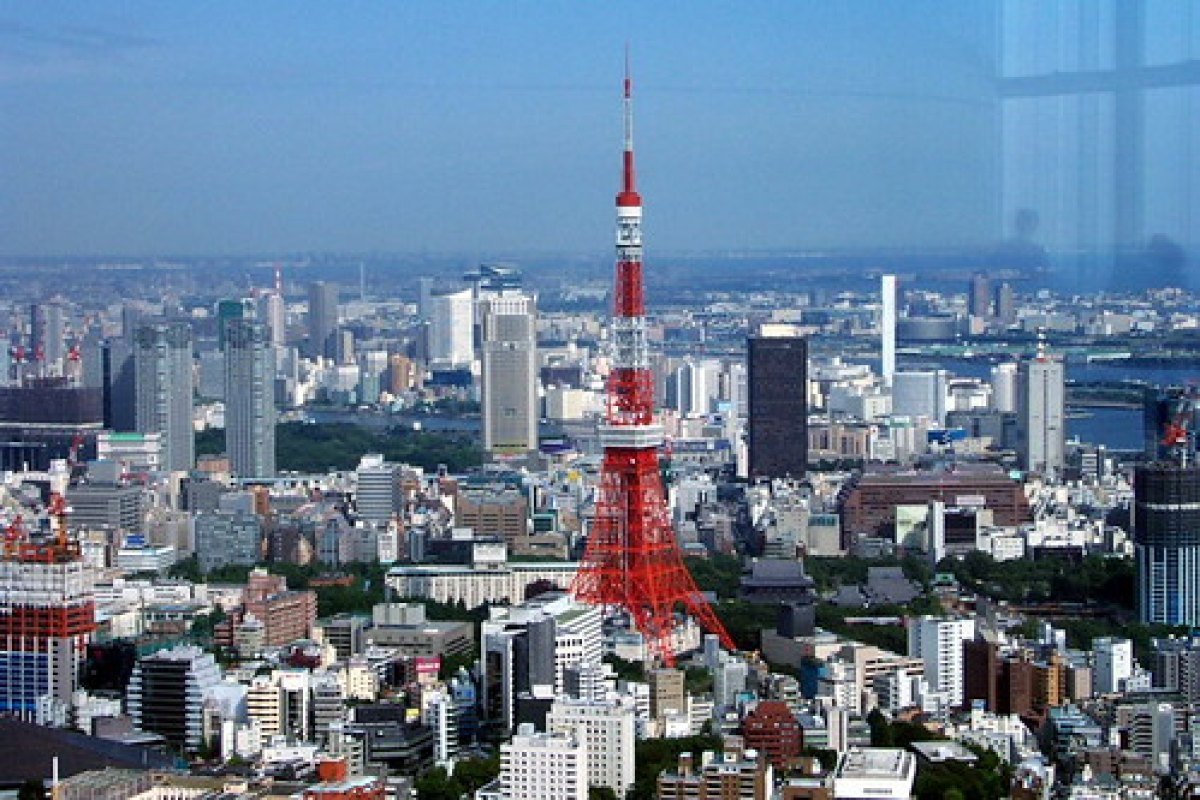
Tokyo Tower remains one of the city’s most recognizable landmarks, especially when viewed from surrounding streets after dark. Pair it with Roppongi galleries, modern architecture, and evening dining.
For a different perspective, look for public observation areas in major buildings. Some are free while others require tickets or reservations, so verify current visitor information before setting out.
Relax in Parks and Gardens
Tokyo’s parks are essential for balancing busy sightseeing days. They offer seasonal scenery, quiet walking routes, and local daily life in a city better known for its crowds.
Consider Shinjuku Gyoen for landscaped gardens and broad lawns, Ueno Park for museums and cultural attractions, or Hamarikyu Gardens for a historic garden setting near the waterfront. Opening arrangements, seasonal closures, and admission policies differ, so check official information before visiting.
Practical Tips for First-Time Visitors
A little preparation makes Tokyo much easier to navigate. Focus on comfortable footwear, station planning, and flexible timing rather than attempting an exhausting checklist.
Getting Around Tokyo
Tokyo’s rail system is the most practical way to travel between major districts. Tokyo Metro and Toei Subway operate different networks, while JR lines and private railways serve additional routes. An IC card can simplify everyday journeys, and visitors can also compare available day passes with the routes they actually expect to use.
Tokyo Metro provides tourist information at selected major stations, including Ueno, Ginza, Shinjuku, Omotesando, Tokyo, and Ikebukuro. Station exits can be far apart, so note the correct exit number before leaving the train.
How to Plan Your Days
Group nearby attractions into one day: Asakusa and Ueno, Harajuku and Shibuya, or Ginza and Marunouchi. This reduces unnecessary transfers and leaves more time for spontaneous discoveries while making the most of Tokyo’s rail network.
Reserve timed attractions early, especially immersive exhibitions and popular observation decks. Keep at least one flexible period in your itinerary for weather changes, shopping, food stops, or simply wandering through a neighborhood.
Respect Local Etiquette
Tokyo rewards visitors who pay attention to quiet train etiquette, queueing customs, and clean public spaces. Keep conversations quiet on trains, avoid eating while walking in crowded areas, and carry rubbish until you find an appropriate bin.
At temples and shrines, follow posted instructions and behave respectfully during ceremonies. In restaurants, check whether you should order through a machine, remove shoes, or pay at the counter before leaving.
A Simple Three-Day Tokyo Itinerary
For a first visit, this outline balances historic Tokyo, modern neighborhoods, and cultural experiences without requiring constant cross-city travel, making it a useful starting point for visiting Japan for the first time.
Day One: Asakusa, Ueno, and Tokyo Skytree
Start at Senso-ji and explore Asakusa’s traditional streets. Continue to Ueno for museums or a park walk, then finish near Tokyo Skytree or the Sumida River. This day introduces Tokyo’s historic character and eastern skyline.
Day Two: Meiji Jingu, Harajuku, and Shibuya
Begin with the forested approach to Meiji Jingu, then explore Harajuku and Omotesando. Spend the afternoon and evening in Shibuya, combining the famous crossing with shopping, cafés, viewpoints, or dinner.
Day Three: Shinjuku, Digital Art, and Ginza
Choose a morning view or museum in Shinjuku, visit a pre-booked digital art experience, and end the day around Ginza or Marunouchi. Adjust the order according to ticket times and weather.
Final Advice for Your Tokyo Trip
The best Tokyo itinerary leaves room for both famous sights and small discoveries. Prioritize a few neighborhoods, book time-sensitive attractions in advance, and use the rail network strategically. With a balance of temples, food, and neighborhood wandering, even a short first visit can reveal why Tokyo is one of the world’s most compelling cities.