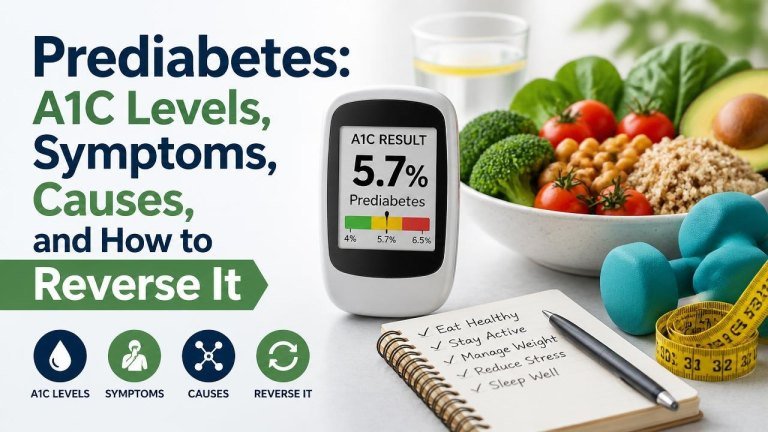
Prediabetes means your blood sugar is higher than normal but not yet in the diabetes range. It is an important warning sign, but it does not mean type 2 diabetes is inevitable. With informed choices, regular monitoring, and medical support, many people can improve their blood sugar and lower their health risks.
What Is Prediabetes?
Prediabetes develops when the body becomes less responsive to insulin, the hormone that helps move glucose from the bloodstream into cells. As a result, blood sugar gradually rises. Insulin resistance, elevated blood glucose, and future diabetes risk are central features of the condition.
Prediabetes can affect blood vessels and metabolic health even before diabetes develops. It is also associated with a higher risk of cardiovascular disease, fatty liver disease, and other complications. The good news is that early action can make a meaningful difference.
Prediabetes A1C Levels
The A1C test estimates your average blood sugar over roughly the previous two to three months. It does not require fasting and is commonly used to screen for prediabetes and diabetes.

- Below 5.7%: generally considered the normal A1C range
- 5.7% to 6.4%: generally considered the prediabetes range
- 6.5% or higher: may indicate diabetes and usually requires confirmation or additional testing
A single result does not always tell the complete story. Anemia, certain blood disorders, kidney disease, pregnancy, and other factors can affect A1C accuracy. Your clinician may compare the result with a fasting glucose test, an oral glucose tolerance test, or repeat testing. Learn more about the A1C range and symptoms associated with prediabetes.
Symptoms of Prediabetes
Prediabetes often causes no noticeable symptoms, which is why screening matters. Many people discover it during routine blood work or an evaluation for another health concern.
When blood sugar begins to rise more substantially, some people may notice increased thirst, frequent urination, or unusual fatigue. These symptoms can have many causes and do not confirm prediabetes on their own. Seek medical advice if they are persistent, worsening, or accompanied by unexplained weight loss, blurred vision, vomiting, or severe weakness.
What Causes Prediabetes?
The main underlying problem is usually insulin resistance. The pancreas may produce more insulin to compensate, but over time this response may not be enough to keep blood glucose within a healthy range.
Several factors can contribute, including excess body fat around the abdomen, low physical activity, family history, aging, sleep problems, and a history of gestational diabetes. Some medications and medical conditions can also affect blood sugar. Prediabetes is not caused by one food or a lack of willpower; it typically results from a combination of genetic, biological, and lifestyle factors.
How to Reverse or Manage Prediabetes
Prediabetes can often improve with consistent, realistic changes. The most effective plan is one that fits your health needs, culture, schedule, and preferences.
Choose a Balanced Eating Pattern
Build meals around vegetables, high-fiber carbohydrates, and protein-rich foods. Beans, lentils, whole grains, nuts, seeds, fish, poultry, eggs, and unsweetened dairy can help create satisfying meals. Limit sugary drinks, highly refined carbohydrates, and heavily processed foods when possible.

You do not need to eliminate all carbohydrates. Portion awareness, pairing carbohydrates with protein or healthy fats, and choosing less processed options can support steadier blood sugar. A registered dietitian can help create a personalized approach.
Increase Regular Physical Activity
Movement helps the body use glucose more effectively. Aim for a combination of walking or aerobic activity, strength training, and less sitting during the day, as medically appropriate. Even short activity breaks after meals may be useful for some people.
Start gradually if you are inactive. A healthcare professional can recommend safe activity levels if you have heart disease, joint problems, significant obesity, or other medical conditions.
Work Toward a Healthy Weight, If Appropriate
For people carrying excess weight, even a modest, sustainable reduction may improve insulin sensitivity and blood sugar control. Focus on long-term habits rather than rapid diets. Weight goals should be individualized, and health improvements can occur even before a major change on the scale.
Prioritize Sleep and Stress Management
Poor sleep and ongoing stress can make healthy eating, activity, and blood sugar management more difficult. Support consistent sleep, stress reduction, and a regular daily routine through habits such as a calming bedtime schedule, relaxation exercises, or professional counseling when needed. Persistent sleep problems may also warrant learning about sleep apnea symptoms and treatment.
Monitoring and Medical Treatment
Ask your healthcare professional how often to repeat your A1C or other glucose tests. Monitoring is especially important if you have a strong family history, previous gestational diabetes, cardiovascular risk factors, or rising blood sugar results.
Lifestyle changes are the foundation of care, but medication may be considered for some people. Your clinician may discuss options based on your A1C trend, overall risk, medical history, and ability to make lifestyle changes. Do not start supplements or prescription medicines without professional guidance.
Can Prediabetes Be Prevented?
Risk cannot always be eliminated, particularly when genetics or medical conditions play a role. However, regular activity, a high-fiber eating pattern, adequate sleep, and maintaining a healthy weight can support blood sugar control, heart health, and long-term prevention.
Screening is also valuable. If you have risk factors or symptoms of high blood sugar, ask a healthcare professional whether an A1C or other glucose test is appropriate.
When to Contact a Healthcare Professional
Make an appointment if you have risk factors for prediabetes, receive an abnormal glucose result, or develop persistent symptoms such as excessive thirst or frequent urination. Prompt evaluation is particularly important with unexplained weight loss, vision changes, or severe fatigue.
Prediabetes is a signal to act, not a reason to panic. Understanding your A1C, making manageable changes, and following up regularly can help protect your health and reduce the chance of progression to type 2 diabetes.