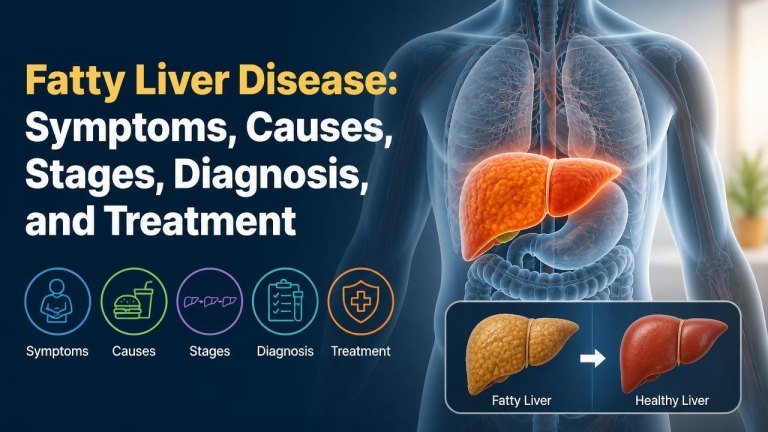
Fatty liver disease occurs when excess fat builds up in the liver. A small amount of liver fat can be normal, but significant accumulation may cause inflammation, scarring, and reduced liver function. The condition is often manageable, especially when identified early.
What Is Fatty Liver Disease?
Fatty liver disease means that excess fat has accumulated inside liver cells. It may be linked to alcohol use or to metabolic factors such as obesity, insulin resistance, and abnormal cholesterol levels. Many people have no noticeable symptoms, so the condition may be discovered during routine blood tests or imaging.
The liver performs important tasks, including processing nutrients, filtering substances from the blood, and producing proteins. Ongoing liver injury can lead to inflammation and scarring, making early evaluation important.
Types of Fatty Liver Disease
Metabolic dysfunction-associated steatotic liver disease
Metabolic dysfunction-associated steatotic liver disease, often called MASLD, is associated with excess body weight, type 2 diabetes, high blood pressure, or unhealthy cholesterol and triglyceride levels. It is not primarily caused by alcohol.

Alcohol-associated fatty liver disease
Alcohol-associated fatty liver disease develops when regular alcohol exposure causes fat to build up in the liver. Stopping alcohol can help the liver recover, although some people develop lasting injury if inflammation or scarring has already occurred.
Symptoms of Fatty Liver Disease
Early fatty liver disease commonly causes no symptoms. When symptoms do occur, they may include:
- Fatigue or reduced energy
- Discomfort in the upper right abdomen
- A general feeling of illness
- Unexplained weakness
More advanced liver disease may cause yellowing of the skin or eyes, swelling in the abdomen or legs, easy bruising, confusion, dark urine, or pale stools. These signs require prompt medical attention.
Causes and Risk Factors
Fatty liver disease can result from several overlapping factors. Common risks include insulin resistance, obesity, type 2 diabetes, high triglyceride levels, and metabolic syndrome. A diet high in added sugars, refined carbohydrates, or excess calories may also contribute.
Other possible causes include alcohol use, certain medicines, rapid weight loss, malnutrition, and some inherited or medical conditions. A healthcare professional can help determine the most likely cause rather than assuming that liver fat has only one explanation.
Stages of Fatty Liver Disease
Fatty liver disease can range from a mild, reversible condition to severe, permanent liver damage. The main stages include:
- Steatosis: Fat is present in the liver, but there may be little or no inflammation or injury.
- Steatohepatitis: Fat is accompanied by liver inflammation and cell damage. This stage may progress to scarring.
- Fibrosis: Repeated injury produces scar tissue, although much of the liver may still function normally.
- Cirrhosis: Extensive scarring changes the liver’s structure and can cause liver failure or other serious complications.
Progression is not inevitable. Addressing the underlying cause can reduce the risk of advanced fibrosis and may improve liver health.
How Fatty Liver Disease Is Diagnosed
Diagnosis usually begins with a medical history, physical examination, and blood tests. Liver enzymes may be normal even when disease is present, so results must be considered alongside other findings. Doctors may also assess blood sugar, cholesterol, triglycerides, and signs of metabolic disease.
Imaging tests such as ultrasound, computed tomography, or magnetic resonance imaging can show liver fat. Specialized tests may estimate liver stiffness and help identify fibrosis. In selected cases, a liver biopsy is used to clarify the diagnosis or determine the severity of inflammation and scarring.
Treatment for Fatty Liver Disease
Healthy weight and nutrition
If weight loss is appropriate, gradual and sustained changes can reduce liver fat and inflammation. Focus on vegetables, fruit, whole grains, legumes, lean proteins, and unsaturated fats. Limiting sugary drinks, highly processed foods, and excess saturated fat may also help.
Avoid crash diets or rapid weight loss unless medically supervised. A registered dietitian can create a plan that fits your health needs, culture, budget, and daily routine.
Physical activity
Regular exercise can benefit the liver even before major weight changes occur. Aim for a combination of aerobic activity and strength training, increasing gradually according to your fitness level and medical advice.
Managing related conditions
Controlling diabetes, blood pressure, and abnormal cholesterol is an important part of treatment. Your clinician may recommend medicines for these conditions and monitor whether they are affecting liver health. Do not stop prescribed medicine without professional guidance.
Alcohol and medicines
People with fatty liver disease should discuss alcohol use openly with a healthcare professional. Depending on the cause and severity, avoiding alcohol completely may be recommended. Tell your clinician about all prescription medicines, over-the-counter products, and supplements because some can injure the liver.
Can Fatty Liver Disease Be Reversed?
Early fatty liver can often improve when the underlying cause is addressed. Better nutrition, regular activity, appropriate weight management, and treatment of metabolic conditions may reduce liver fat and inflammation. Fibrosis may also stabilize or improve in some people, but cirrhosis is generally permanent and requires ongoing medical care.
Follow-up appointments and repeat testing help track liver health and identify progression early. Treatment should be personalized rather than based on a single test result.
When to Seek Medical Care
Arrange an evaluation if blood tests or imaging suggest liver disease, or if you have risk factors such as diabetes, obesity, or regular alcohol use. Seek urgent medical help for vomiting blood, severe confusion, rapidly increasing abdominal swelling, black stools, or yellow skin with serious illness.
Frequently Asked Questions
Is fatty liver disease serious?
It can be mild and reversible, but inflammation and scarring may lead to cirrhosis, liver failure, or liver cancer in some people. Testing helps determine personal risk.
Can a person have fatty liver without symptoms?
Yes. Many people feel well because early disease often causes few or no symptoms. Routine blood tests or imaging may reveal it unexpectedly.
Should everyone with fatty liver avoid alcohol?
Alcohol can add stress to an already affected liver. Ask your healthcare professional whether complete avoidance is appropriate, particularly if inflammation or fibrosis is present.
Key Takeaway
Fatty liver disease is common and often manageable, but it should not be ignored. Understanding the cause, stage, and risk factors makes it easier to choose effective treatment. Work with a healthcare professional on lifestyle changes, related medical conditions, and appropriate follow-up testing.