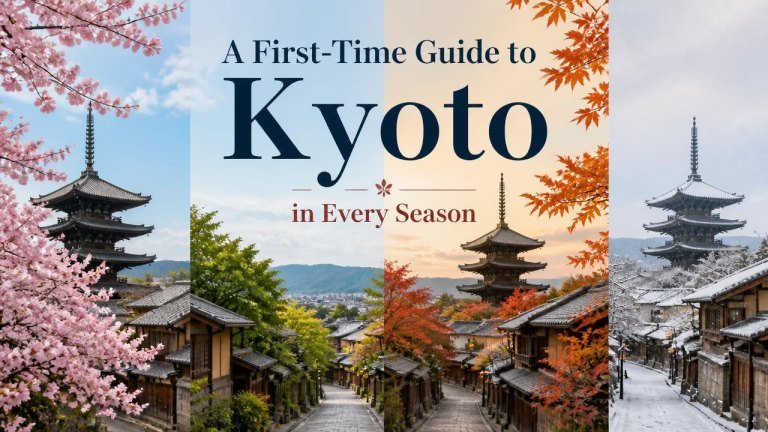
Kyoto rewards slow travel. Its temples, gardens, traditional neighborhoods, markets, tea houses, and mountain landscapes change character throughout the year, so the best time to visit depends on the experience you want rather than a single “perfect” season. A Japan’s seasonal travel guide can help you compare conditions beyond Kyoto.
A First-Time Guide to Kyoto in Every Season
Seasonal scenery, cultural traditions, and comfortable planning are the keys to enjoying Kyoto as a first-time visitor. Spring is famous for blossoms, summer brings festivals and lush greenery, autumn offers vivid foliage, and winter reveals a quieter, more contemplative side of the city.
Kyoto is compact in some areas but spread out in others. A thoughtful itinerary should combine nearby attractions instead of trying to cross the city repeatedly each day. Leave room for unplanned discoveries: a small garden, a quiet shrine, or a traditional street can become one of the highlights of your trip.

Spring in Kyoto: Blossoms, Gardens, and Fresh Energy
Cherry blossoms, pleasant walking weather, and busy sightseeing areas define spring in Kyoto. The season generally develops from March into April, although exact bloom timing changes from year to year.
Popular places for blossom viewing include the Philosopher’s Path, Maruyama Park, the Keage Incline, Arashiyama, and the grounds around many temples and shrines. These locations can become extremely crowded during peak bloom, particularly during the middle of the day.
For a more relaxed experience, begin early, choose a less famous garden, or visit in the evening when some areas take on a different atmosphere. Always follow local instructions, stay on designated paths, and avoid touching branches or entering restricted areas.
How to plan a spring day
Early starts, flexible routes, and weather-ready clothing make spring sightseeing easier. Begin with an outdoor walk, schedule a temple or museum visit around midday, and keep a nearby café or covered attraction as a backup.
Spring can feel cool in the morning and warmer later in the day. Comfortable walking shoes are essential, while a light layer and compact rain protection are useful additions to your day bag.
Summer in Kyoto: Festivals, Greenery, and Atmospheric Evenings
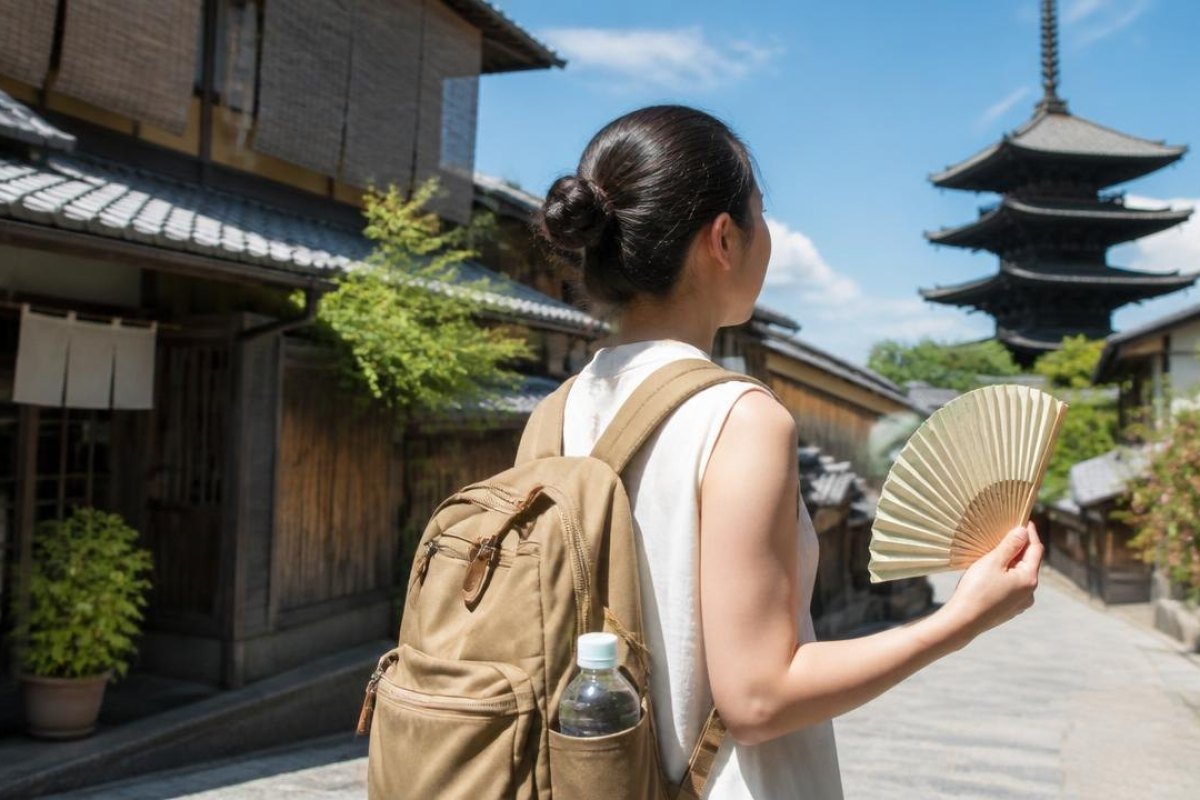
High humidity, seasonal festivals, and deep green landscapes shape Kyoto’s summer. The surrounding mountains can make the city feel especially warm and humid, so pacing matters.
Summer is a good time to explore temple gardens, shaded lanes, riverside areas, and indoor cultural attractions. The Gion Matsuri period is one of Kyoto’s major cultural highlights, with events taking place across July. Check the official event information before planning around specific processions or exhibitions, as schedules and access arrangements can change.
Plan outdoor sightseeing for the morning or late afternoon. Take regular breaks, carry water, and remember that some traditional buildings and gardens offer limited shade.
What to pack for summer
Breathable clothing, sun protection, and reliable hydration are especially useful. An umbrella can help with both strong sun and sudden rain, while a small towel is practical during humid walks.
Summer rain may affect transport and outdoor plans. Keep your itinerary adaptable, and avoid making every important activity dependent on a single outdoor time slot.
Autumn in Kyoto: Foliage, Clearer Days, and Temple Views
Red maple leaves, mild daytime weather, and popular evening illuminations make autumn one of Kyoto’s busiest seasons. Foliage usually develops from October into November, with timing varying by elevation and yearly weather conditions.
Arashiyama, the northern mountain areas, Tofuku-ji, Eikando, Kiyomizu-dera, and many temple gardens are well known for autumn scenery. Lower temperatures in the evening can make late visits feel chilly, so bring an extra layer.
Because demand is high, book accommodation and any reservation-based experiences early. To reduce congestion, consider visiting famous sites at opening time and exploring a quieter neighborhood afterward rather than spending the entire day in one crowded district.
Making the most of foliage season
Morning light, less crowded alternatives, and realistic travel times can transform your experience. Kyoto’s roads may become slow during peak foliage, so a route using trains and walking can be more dependable than relying entirely on buses.
Do not plan your entire trip around a precise foliage forecast. Build a list of several gardens and temple areas across the city, then choose according to current conditions and local travel times.
Winter in Kyoto: Quiet Streets, Seasonal Food, and Rituals
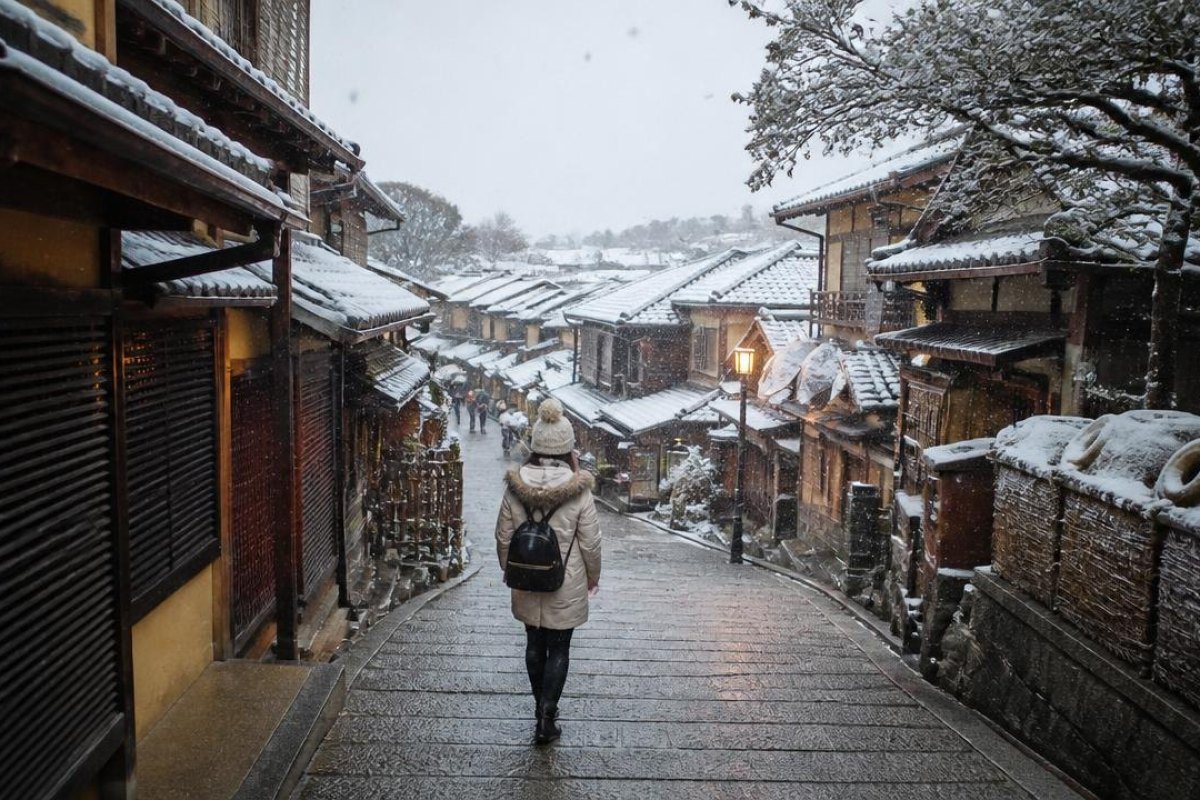
Fewer visitors, crisp air, and occasional snow scenes give winter a distinctive charm. Kyoto can be cold, especially near the mountains, although snowfall is not guaranteed.
Winter is an excellent season for temple architecture, museums, tea experiences, traditional inns, and unhurried meals. On a clear day, the city’s historic streets can feel wonderfully calm compared with the peak seasons.
Some temples and cultural sites offer special winter openings or illumination events, but dates and access arrangements change. Confirm details through official listings before making a dedicated journey.
Building a comfortable winter itinerary
Warm layers, short outdoor segments, and indoor alternatives help you stay comfortable. Combine one major outdoor sight with a museum, market, café, or restaurant rather than planning a full day outside.
If snow is forecast, allow extra travel time and wear shoes with good grip. A snowy temple garden can be beautiful, but conditions may also make paths slippery or affect transport.
Where to Stay in Kyoto for a First Visit
Kyoto Station, downtown Kawaramachi, and southern Higashiyama are practical areas for many first-time visitors. Each offers a different balance of transport, dining, atmosphere, and access to major sights.
Kyoto Station is convenient for Shinkansen arrivals, day trips, and travelers who prefer a major transport hub nearby. Downtown areas around Shijo and Kawaramachi are useful for restaurants, shopping, evening walks, and access to several train lines.
Southern Higashiyama places you closer to historic streets, temples, and traditional scenery, but some lanes can be especially busy. For a quieter stay, look beyond the most famous sightseeing corridors and check the walking distance to the nearest station.
How to Get Around Kyoto
Trains, subways, and buses work best as a combination. Kyoto’s official tourism guidance recommends using rail services where possible and choosing buses for destinations that are not conveniently served by train.
From Tokyo, the Tokaido Shinkansen provides a fast connection to Kyoto. From Osaka, several railway options serve different parts of the city, so choose your arrival station according to your first destination rather than automatically traveling through Kyoto Station. A Japan’s train travel guide can help with route planning.
City buses can be useful but are vulnerable to congestion, especially during blossom and foliage seasons. Check the route, direction, and boarding location carefully; large stations may have several bus stops serving different destinations.
Transport habits that save time
Use an IC card, travel light, and check routes before leaving. Luggage storage or delivery can make temple districts and buses much easier to navigate, particularly on arrival and departure days.
Before buying a day pass, compare its coverage with your actual itinerary. Different railway and bus operators may use separate tickets, while some passes exclude particular routes or services.
What to Eat in Kyoto Throughout the Year
Seasonal ingredients, kaiseki cuisine, and everyday neighborhood dining all belong in a Kyoto food itinerary. You do not need to reserve an elaborate meal every night to eat well in the city.
Look for tofu and yuba dishes, obanzai-style home cooking, Kyoto vegetables, matcha sweets, soba, udon, and carefully prepared seasonal menus. Nishiki Market is useful for browsing local specialties, but it is a working food market as well as a tourist destination, so behave respectfully and follow vendor rules.
For popular restaurants, especially during spring and autumn, reservations may be necessary. If you have dietary restrictions, communicate them clearly in advance and confirm what a restaurant can accommodate.
Etiquette and Responsible Sightseeing
Quiet behavior, photography awareness, and respect for residents are essential in Kyoto. Historic neighborhoods are also living communities, not open-air theme parks.
Stay on public roads, do not enter private property, and avoid blocking narrow streets for photographs. At temples and shrines, observe posted instructions regarding shoes, photography, purification areas, and restricted spaces.
In Gion and other traditional districts, never follow, touch, or photograph geiko and maiko without permission. On public transport, keep conversations quiet, queue properly, and make space for residents commuting to work or school.
A Simple First-Time Kyoto Itinerary by Season
Three well-paced days, neighborhood-based planning, and one flexible slot are a strong starting point. Avoid treating Kyoto as a checklist of distant landmarks.
On the first day, explore central Kyoto and become familiar with the transport network. Use the second day for eastern Kyoto or Arashiyama, depending on your interests. Reserve the third day for northern temples, Fushimi Inari and Fushimi, Uji, or a slower cultural experience. For a longer trip, consider Japan’s Golden Route itinerary.
In spring and autumn, begin earlier and allow more time between stops. In summer, protect the middle of the day from excessive heat. In winter, prioritize indoor attractions and atmospheric walks during the brightest part of the day.
Final Tips for Choosing Your Season
Spring for blossoms, summer for festivals, and autumn for foliage are the classic choices, while winter is ideal for visitors who prefer quieter streets and a more reflective pace.
There is no wrong season for Kyoto. The best trip usually comes from matching your expectations to the weather, accepting that famous sites may be busy, and leaving enough space to enjoy the city beyond its headline attractions.
Before departure, verify current transport information, event dates, attraction access, and any reservation requirements through official sources. Kyoto changes with the calendar, and a little current planning will help you spend more time appreciating the city itself.