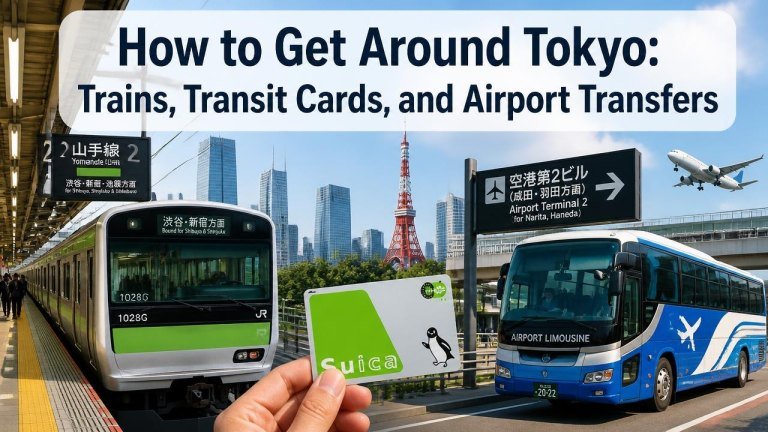
How to Get Around Tokyo: Trains, Transit Cards, and Airport Transfers
Tokyo is easiest to explore by combining trains, subways, and short walks. The network is extensive, punctual, and well signposted, but it is operated by several companies rather than one unified system. A little preparation will help you avoid unnecessary transfers and confusing station exits.
For most visitors, the simplest strategy is to use an IC transportation card, check routes with a navigation app, and allow extra time for large interchange stations. Tokyo’s stations can involve long underground passages, multiple platforms, and several exits serving different neighbourhoods.
Understanding Tokyo’s Main Train Networks
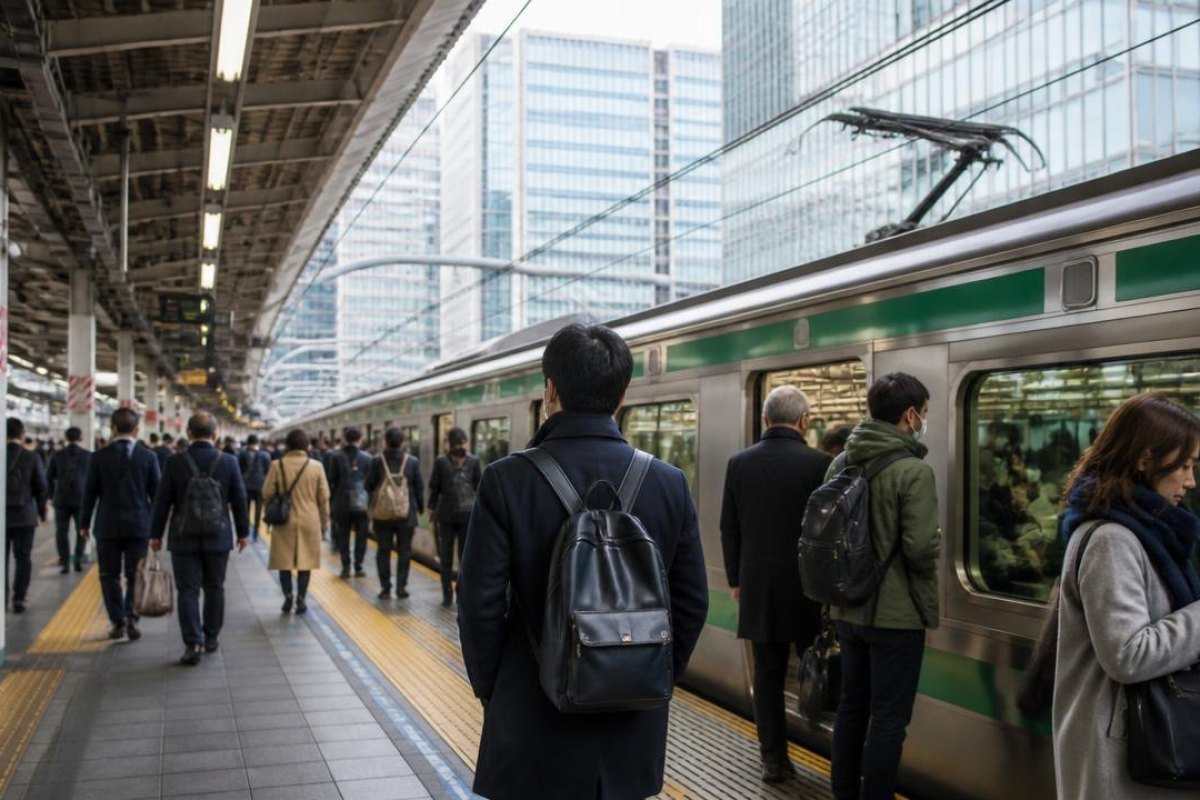
Tokyo’s urban transport is built around several networks. JR East operates important city routes such as the Yamanote Line, Chuo Line, and Keihin-Tohoku Line. Tokyo Metro runs nine subway lines, while the Toei Subway network operates four more.
Private railway companies connect central Tokyo with areas outside the city centre. These include lines serving destinations such as Asakusa, Odaiba, Yokohama, Hakone, and Tokyo Disney Resort. A route may therefore require changing from one operator to another, even when the stations appear to be part of the same complex.

Do not assume that the closest-looking station entrance is the correct one. Look for the line symbol, station number, and direction shown on signs before entering the gates.
JR trains or the subway?
Use JR trains when the route follows a major surface corridor, especially around the Yamanote loop or between Tokyo Station and Shinjuku. The subway is often more convenient for neighbourhoods such as Ginza, Asakusa, Roppongi, and Tsukiji.
There is no universal “best” network. The fastest route may involve an operator change, while the easiest route may mean walking a little farther to avoid a complicated interchange. Compare travel time, number of transfers, and station walking distance before leaving.
Using IC Cards in Tokyo
An IC card is usually the most convenient option for visitors. Suica and PASMO cards can generally be used on compatible trains, subways, and buses across the Tokyo metropolitan area. Touch the card on the reader when entering and leaving a station.
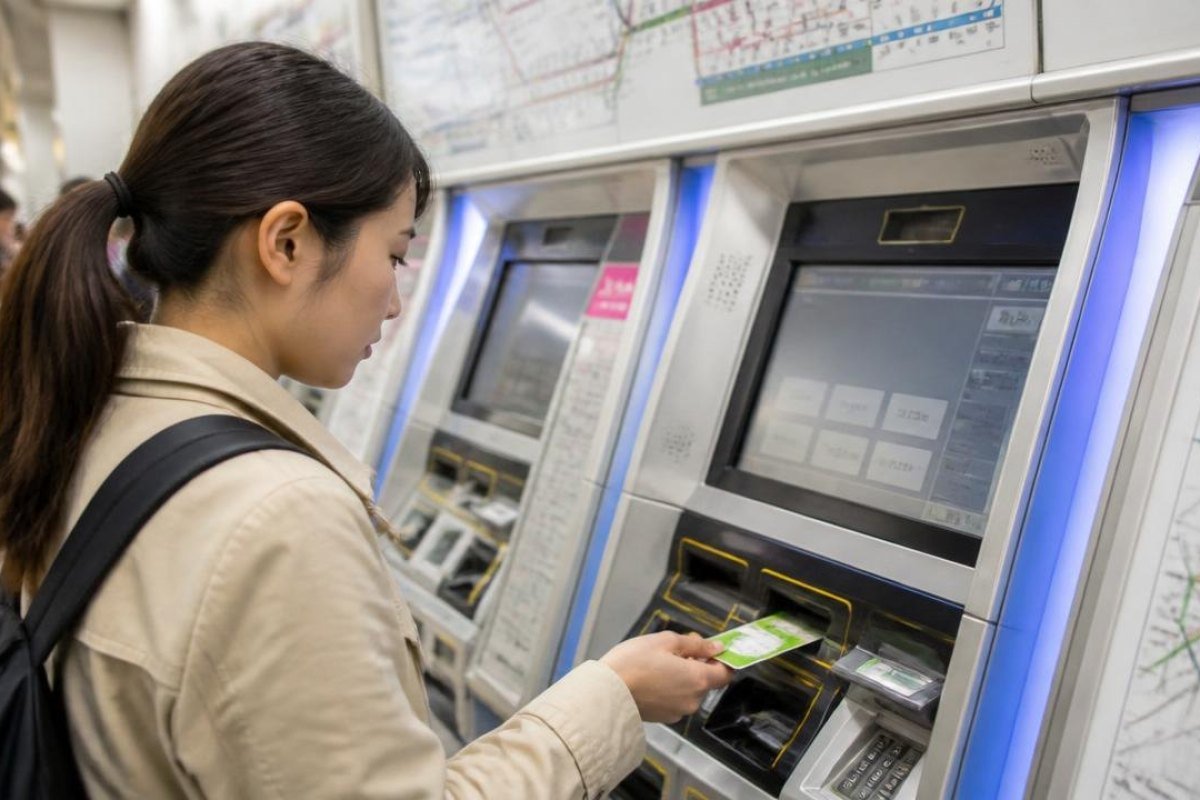
IC cards are rechargeable, and many ticket machines allow top-ups in cash. Some newer machines and services also support contactless bank cards or mobile payment options, but availability can vary by operator and station. Keep a small amount of cash available in case a machine does not accept your preferred payment method.
When changing between operators, follow the signs carefully. Some transfers keep you inside the paid area, while others require passing through a gate and entering another network. If the fare is not correctly recorded, use a staffed gate or fare-adjustment machine rather than attempting to enter again.
Buying and recharging a transit card
You can usually buy or recharge a card at a ticket machine, station office, or designated service counter. A standard physical PASMO card includes a refundable deposit, subject to the applicable operator’s conditions.
Mobile versions of Japanese IC cards may be useful for travellers whose phones and payment accounts support them. However, setup requirements can differ by device, region, and card issuer, so a physical card remains a practical backup.
Do not confuse an IC card with an unlimited pass. An IC card simply deducts the fare for each journey. It may be better value than a day pass if you are making only a few trips.
Should You Buy a Tokyo Day Pass?
A day pass can be useful when your itinerary involves many short rides on the same network. Tokyo Metro offers a 24-hour ticket for its own lines, while combined tickets cover selected Tokyo Metro and Toei Subway services. Other passes may include additional railways or buses.
Check the coverage before purchasing. A pass limited to Tokyo Metro will not automatically cover JR lines, private railways, or every airport train. If your sightseeing plan crosses several operators, an IC card may be simpler and more economical.
Calculate the likely cost of your planned journeys first. Unlimited tickets are most useful when the routes are concentrated in the areas covered by the pass and you expect to make repeated trips during its validity period.

How to Get from Haneda Airport to Tokyo
Haneda is relatively close to central Tokyo and has direct rail connections. The main choices are the Keikyu Line, Tokyo Monorail, and airport buses. Your best option depends on your hotel’s location and whether you prefer fewer transfers or a direct connection to a particular district.
The Keikyu Line is convenient for areas connected to stations such as Shinagawa and Asakusa. The Tokyo Monorail links Haneda with Hamamatsucho, where you can transfer to JR services. Airport buses can be helpful when carrying large luggage or staying near a hotel served by a limousine-bus route.
Before boarding, confirm your terminal, destination station, and service type. Haneda’s official access information provides route searches for trains, monorails, and buses, including current departure information.
Haneda transfer tips
Allow time to walk from the arrivals area to the station. If you arrive late at night or have an early flight, check the last train, first train, and alternative bus or taxi arrangements in advance.
Travellers transferring between terminals can use the airport’s free shuttle bus, rail services, or designated pedestrian connections where available. Confirm the current terminal-transfer arrangements before travelling because airport procedures and service times can change.
How to Get from Narita Airport to Tokyo
Narita Airport is farther from central Tokyo, so airport rail services are especially useful. The Keisei Skyliner provides reserved seating between Narita Airport and Nippori or Keisei-Ueno, with convenient connections to JR lines and central neighbourhoods.
Other options include JR airport services, regular Keisei trains, airport buses, and taxis. The right choice depends on your arrival terminal, final destination, luggage, and whether you value speed, comfort, or price.
The Skyliner requires a separate limited-express ticket in addition to the applicable base fare. Seats are reserved, so purchase the correct ticket before boarding. Always check current fares and departure times through the operator because these details can change.
How to Read Tokyo Station Signs
Tokyo’s transport signs commonly display information in Japanese and English. Look for the line colour, letter-and-number code, and station name. These details are often more reliable than trying to identify a platform from the train’s appearance.
At major stations, follow signs for your line rather than simply the station’s main exit. Interchanges can be spread across different buildings, and walking from one platform to another may take longer than expected when choosing where to stay in Tokyo.
Navigation apps are useful, but compare the suggested route with station signs once inside. A route that looks short on a map may involve a long underground walk or a transfer between separate ticketing areas.
Practical Tips for Smooth Journeys
Travel outside the busiest commuter periods when possible. Morning rush hours and evening rush hours can be crowded, especially on major JR and subway corridors. Stand to one side of escalators according to local station instructions and let passengers leave the train before boarding.
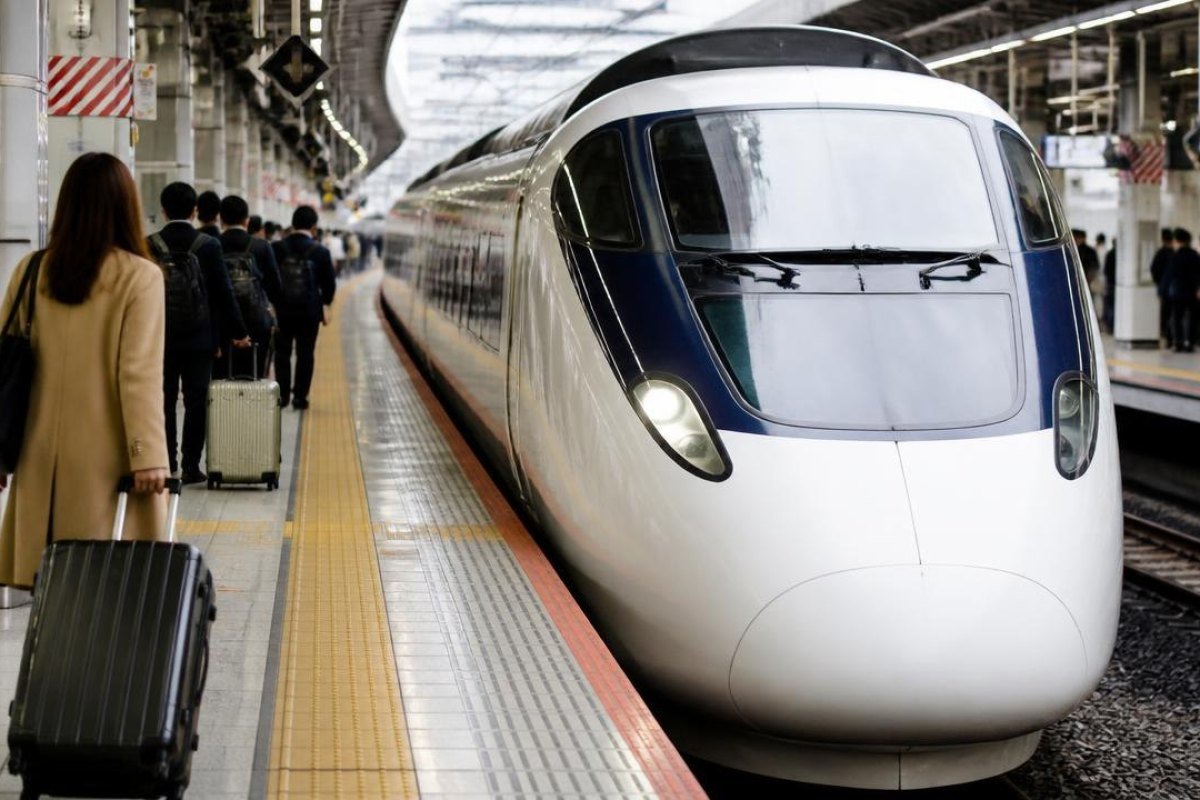
Keep luggage compact on crowded services. Large suitcases are easier to manage on airport trains, buses, or less busy services than during peak commuting times. Some trains and stations provide designated luggage areas, but space is not guaranteed.
Tokyo trains generally stop running overnight, although the exact final service varies by line and destination. Check the timetable for your specific route rather than relying on a general “last train” assumption. If you miss it, taxis are available, but fares can be substantially higher than public transport.
Choosing the Best Transport for Your Itinerary
For most sightseeing days, use an IC card and choose the fastest practical route. Select a day pass only after confirming that it covers the lines you plan to use. For airport travel, prioritise a direct service with manageable luggage handling over a small fare saving.
Tokyo rewards flexible planning. Group nearby attractions together, avoid unnecessary cross-city journeys, and identify the station exit closest to your destination. With these habits, the city’s complex network becomes a reliable and efficient way to explore neighbourhoods across Tokyo, as part of a Japan’s Golden Route itinerary.