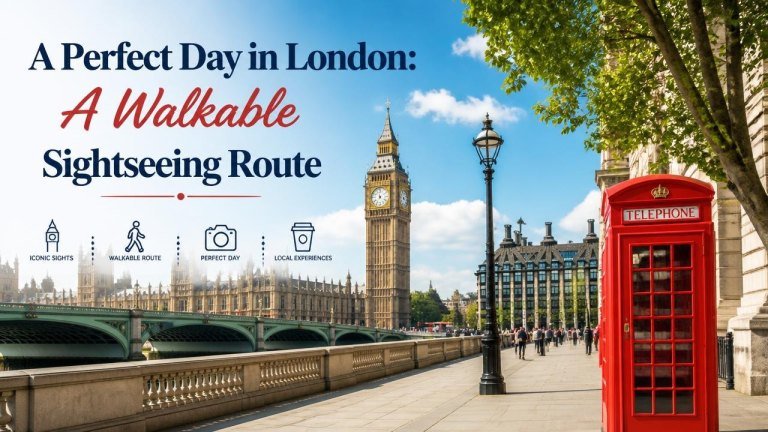
London rewards curious walkers. In a single day, you can move from royal parks and ceremonial avenues to medieval towers, lively markets and sweeping Thames views without relying on a sightseeing bus. This route is designed for first-time visitors who want to experience the city’s most recognisable sights while leaving room for photographs, snacks and spontaneous discoveries, much like this first-time London itinerary.
The full route is a substantial day of walking, so wear comfortable shoes and treat the itinerary as a framework rather than a race. You can shorten it with public transport, skip an attraction, or spend longer in one neighbourhood.
Quick overview of the London walking route
This itinerary begins near St James’s Park, continues through Westminster, crosses Westminster Bridge, follows the South Bank and finishes around Tower Bridge. It works particularly well on a clear day, when the river, bridges and skyline are at their most rewarding.
- Start: St James’s Park or Green Park
- Morning highlights: Buckingham Palace, Westminster Abbey, Big Ben and the Houses of Parliament
- Midday break: South Bank or Borough Market
- Afternoon highlights: Shakespeare’s Globe, Tate Modern, St Paul’s Cathedral views and Tower Bridge
- Finish: Tower of London or the riverside near Tower Bridge
For a more relaxed day, choose either the Westminster-to-South-Bank section or the Bankside-to-Tower-Bridge section rather than attempting every stop.

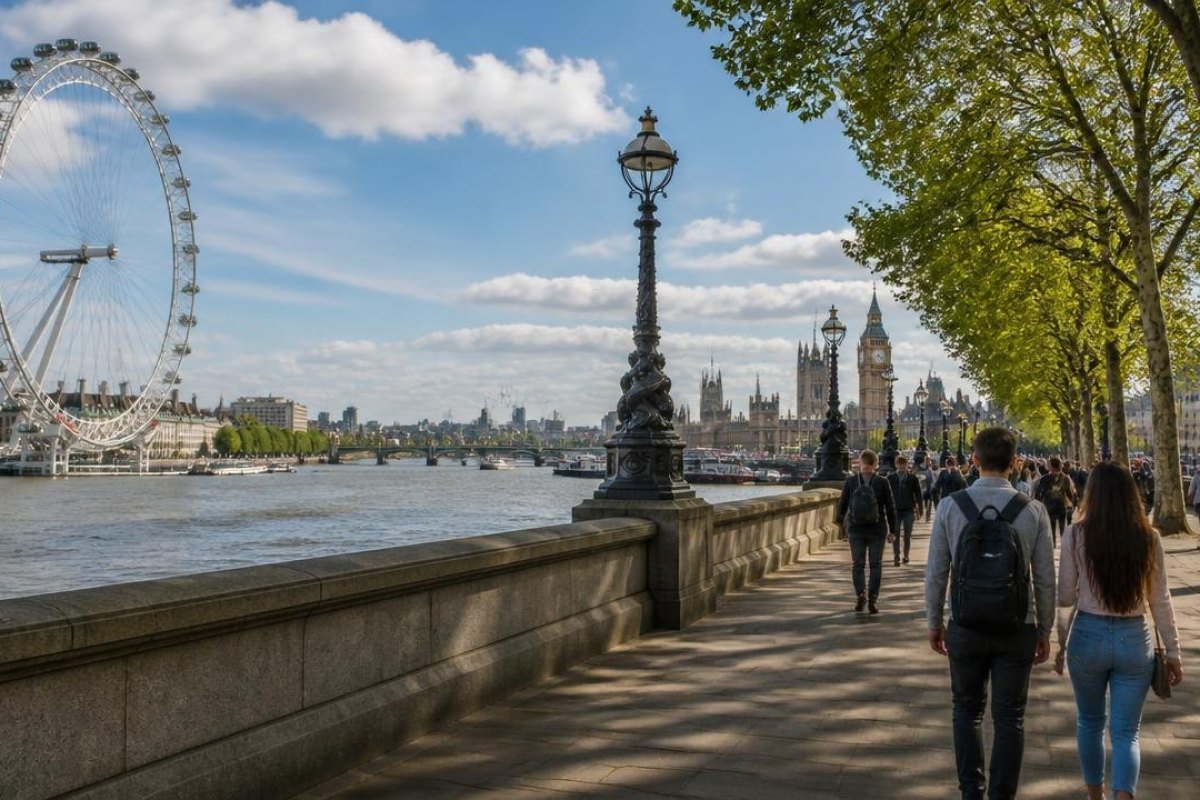
Morning: St James’s Park and Buckingham Palace
Begin with a gentle walk through St James’s Park, one of central London’s most attractive green spaces. Follow the paths towards the lake, where open views, bridges and garden borders create a calm contrast with the surrounding government buildings. The park is also known for its resident pelicans, which are often an entertaining surprise for visitors.
Leave the park towards The Mall, the broad ceremonial avenue leading to Buckingham Palace. Pause outside the palace for photographs, but check the official royal schedule if you specifically want to see a ceremonial event. Timings and access can vary, and the palace’s State Rooms are only open to visitors during selected periods.
What to see around the palace
Look back along The Mall towards Admiralty Arch, then continue towards St James’s Park or Constitution Hill depending on how much time you have. The area is best enjoyed slowly: notice the formal gates, memorials and changing perspectives of the palace rather than staying only at the main viewpoint.
If you are visiting on a particularly busy morning, avoid blocking the pavement while taking photographs. The palace forecourt and nearby ceremonial areas can become crowded, especially during major events.
Late morning: Westminster Abbey, Parliament Square and Big Ben
Walk east towards Westminster Abbey, a landmark associated with royal ceremonies, political history and centuries of national life. The exterior is impressive from Parliament Square, while entering the abbey offers a much deeper experience of its architecture, memorials and historic interiors.
Admission is timed or subject to visitor arrangements on some days, so check the official website before building your schedule around an interior visit. If you do not enter, allow time to admire the surrounding buildings and continue towards Parliament Square.
From the square, take in the Palace of Westminster and Big Ben. The clock tower is one of London’s defining views, but the surrounding riverside setting is just as memorable. Walk towards Westminster Bridge for a classic photograph looking back at the Houses of Parliament.
Best photo stops in Westminster
Use Parliament Square for architectural views, the bridge for a broader skyline and the riverside for reflections across the Thames. Keep the pedestrian flow in mind on Westminster Bridge, particularly during busy periods.
From the bridge, look downstream towards the London Eye and the South Bank. This is the moment when the route shifts from royal and governmental London to the city’s cultural riverside.
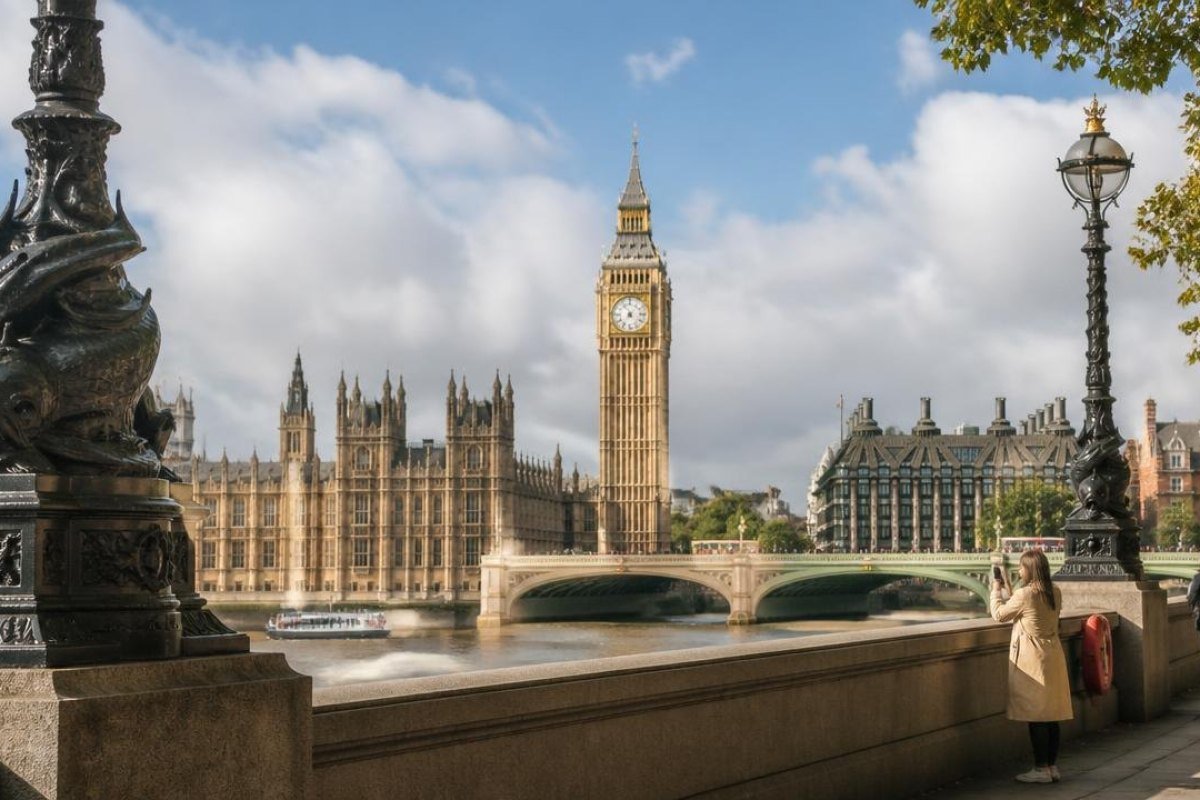
Midday: Cross Westminster Bridge and explore the South Bank
Cross Westminster Bridge and arrive on the South Bank, where theatres, galleries, food stalls and riverside paths create a lively change of pace. The London Eye is immediately ahead, and its capsules provide a dramatic view over the Thames if you have reserved a time and want to add a paid attraction.
Continue east along the river past the Southbank Centre, the National Theatre and the riverside promenade. This section is ideal for an unhurried lunch because you can choose between casual food, cafés and restaurants without leaving the main route.
Choosing a lunch stop
For the widest choice, continue towards Borough Market, where independent traders and food stalls make it easy to assemble a quick meal. It can be very busy, so arrive with patience and keep personal belongings secure in crowded areas.
If you prefer to sit down, choose a restaurant around South Bank or Bankside and accept that a longer meal may mean shortening the afternoon. London’s riverside is more enjoyable when you leave a little flexibility rather than trying to fit every landmark into a fixed timetable.
Afternoon: Bankside, Shakespeare’s Globe and Tate Modern
After lunch, follow the Thames east through Bankside. Shakespeare’s Globe offers a vivid connection with London’s theatrical history, while the surrounding riverside combines historic buildings with modern cultural venues.

At Tate Modern, you can pause for modern and contemporary art, use the building as a weather-friendly break or simply enjoy the views from the surrounding riverside. Entry policies differ between free collection areas and special exhibitions, so check current arrangements if a particular show is important to you.
Look across the river towards St Paul’s Cathedral. The view from the Millennium Bridge is one of the route’s most recognisable urban compositions, with the cathedral aligned at the western end of the pedestrian crossing.
A worthwhile optional detour to Borough Market
If you skipped lunch earlier, make time for Borough Market before continuing east. It is best treated as a food-focused stop rather than a place to rush through. Opening days and individual trader availability can change, so check the market’s official information before relying on it.
Alternatively, continue along the river and save your appetite for dinner near Tower Hill or one of the nearby historic districts. This keeps the walking route moving and gives you more time around Tower Bridge.
Late afternoon: Tower Bridge and the Tower of London
Continue east past riverside views, historic wharves and the approach to Tower Bridge. The bridge’s towers are especially striking from the southern bank, where you can photograph the structure with the river and City skyline behind it.
Cross the bridge on foot, then explore the north-bank promenade. If you want to go inside, the official Tower Bridge attraction explains the bridge’s engineering and history, including access to its elevated walkways. Advance booking may be useful during popular periods.
Nearby, the Tower of London provides a very different experience: a fortified historic complex with royal, political and military associations. It deserves several hours if you want to explore properly, so consider making it your main paid attraction rather than trying to combine it with every other interior visit.
How to finish the route
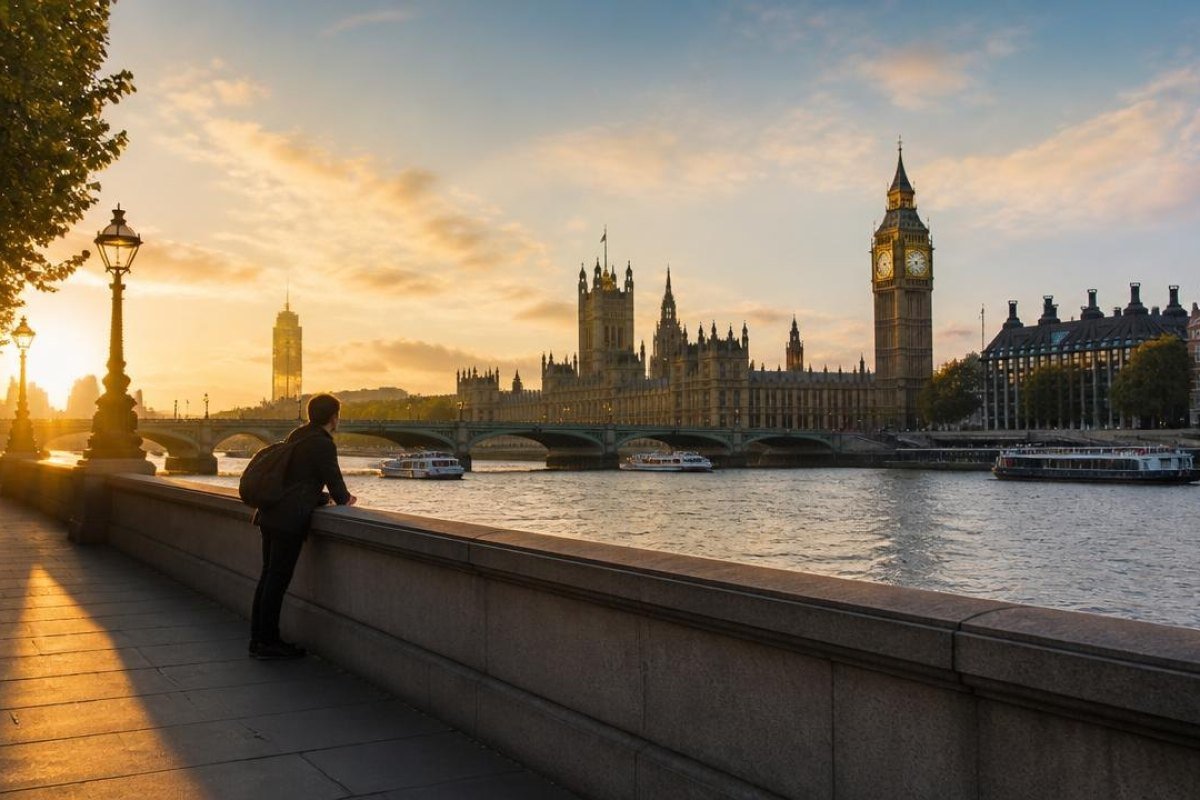
End beside Tower Bridge for evening photographs, or walk towards Tower Hill for convenient transport connections. If you still have energy, continue along the river for changing views of the bridge as the light softens.
For dinner, look around St Katharine Docks, Tower Hill or the City fringes. Restaurant hours and availability vary, especially on weekends, so reserve ahead when a particular venue matters.
How to use transport without losing the walking experience
London’s contactless system makes it easy to shorten the route when your feet need a break. On eligible services, use the same contactless card or device to touch in and out. Avoid switching between a phone, watch and physical card during one journey, as this can create payment problems or separate journey records.
The Tube, buses and river services can all help you return to your accommodation after the walk. Check the TfL journey planner on the day because planned works, events and temporary disruptions can affect the quickest connection.
Do not assume that every attraction is best reached by Tube. For this itinerary, the riverfront walking sections are a major part of the experience, and short transport hops are most useful when you are tired or running late.
Practical tips for a smoother day
- Start early: Westminster and the South Bank are generally more comfortable before the largest crowds arrive.
- Wear supportive shoes: pavement, bridge approaches and long riverside stretches can be tiring.
- Carry a light rain layer: London weather can change quickly, even when the morning begins brightly.
- Book key interiors: Westminster Abbey, the London Eye, Tower Bridge and the Tower of London may require advance planning.
- Keep plans flexible: choose two or three paid attractions at most if you want time to enjoy the route.
- Use official updates: confirm opening arrangements, ticket requirements and transport conditions shortly before your visit.
A perfect one-day London itinerary at a glance
Morning: St James’s Park, Buckingham Palace, Westminster Abbey and Parliament Square.
Midday: Westminster Bridge, the London Eye area and the South Bank.
Afternoon: Bankside, Shakespeare’s Globe, Tate Modern, Borough Market and the Millennium Bridge views.
Evening: Tower Bridge, the Tower of London area and dinner near Tower Hill or St Katharine Docks.
The strength of this route lies in its variety. Within one day, you experience royal London, historic Westminster, creative Bankside and the Thames skyline—all connected by one memorable walk, with plenty more to discover in London beyond the classic sights.