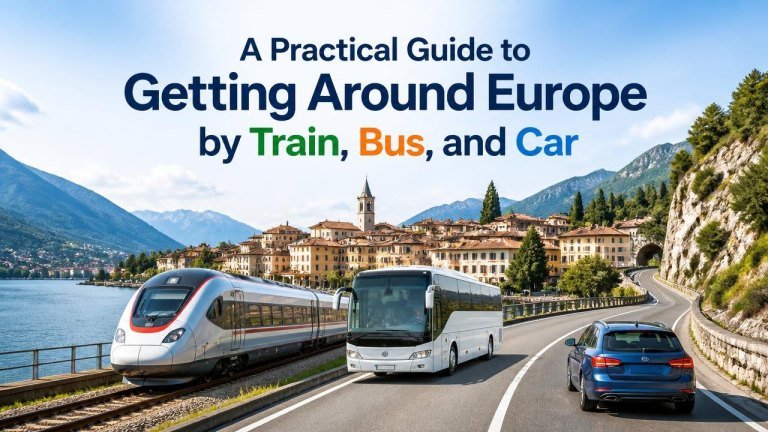
Europe is easiest to explore when you choose transport according to the route rather than trying to use one method everywhere. Travel by train in Europe is usually ideal between major cities, long-distance buses can reduce costs on selected routes, and rental cars offer flexibility in rural regions, islands, and mountain areas.
This guide explains how to plan a multi-country journey, compare travel times and costs, avoid common booking mistakes, and move confidently between European transport systems. Rules, fares, reservations, road restrictions, and border requirements vary by country, so always confirm final details with the relevant operator before departure.
Choosing the Best Way to Travel Around Europe
The right option depends on distance, city access, and travel style. Trains are often the most comfortable choice for city-to-city travel, while buses can be useful when rail connections are limited or expensive. Cars become more practical when your itinerary includes small villages, remote coastlines, national parks, or several stops that are poorly connected by public transport.
Consider the complete journey rather than only the time spent in motion. A train station may be located in the city centre, while an airport or bus terminal may require a long transfer. Likewise, a car can save time in the countryside but create extra costs through fuel, tolls, parking, insurance, and one-way rental fees.

For many itineraries, the most efficient approach is a mixed transport plan: use trains between major urban centres, buses for selected regional links, and a car for a short countryside section.
Travelling Europe by Train
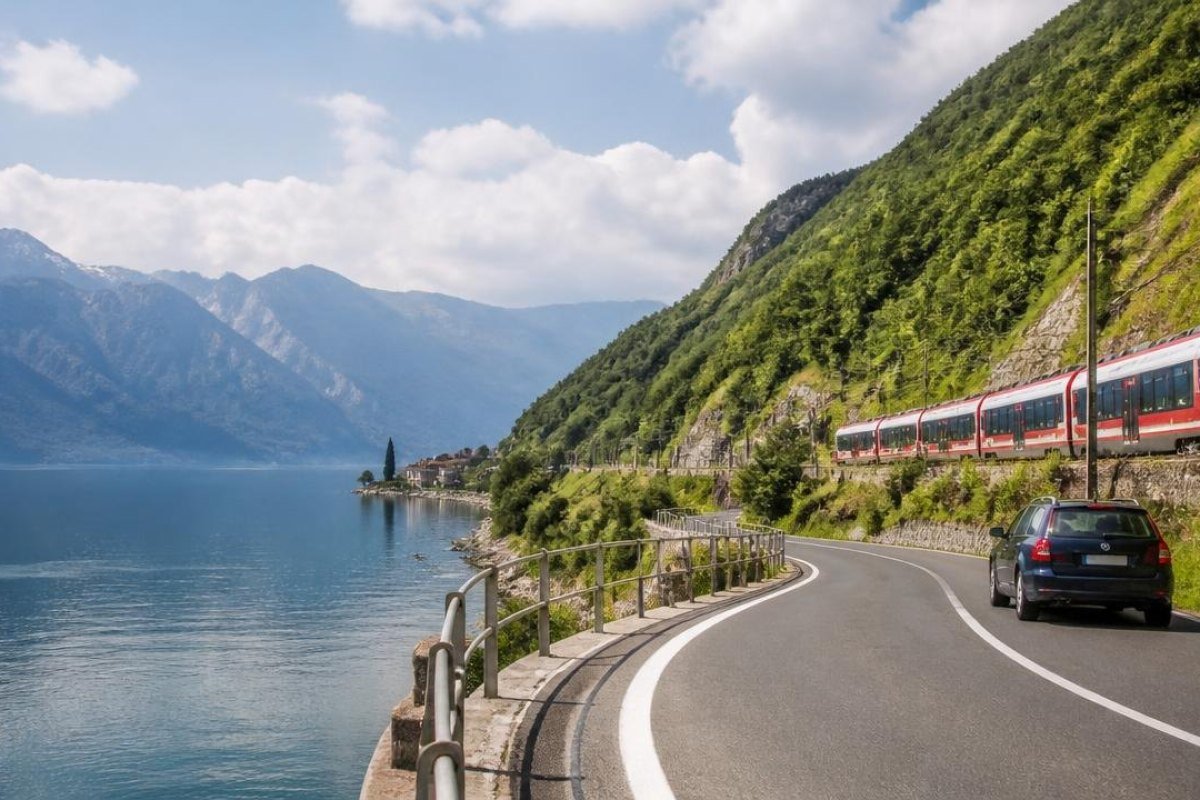
Rail travel is particularly convenient for journeys between major cities in Western, Central, and parts of Southern Europe. Many routes offer comfortable seating, generous luggage space, onboard toilets, and direct access to central stations. International journeys may involve separate national operators, so check whether your booking covers the entire route or creates separate transport contracts.
When Trains Are the Best Choice
Choose trains for city-centre connections, scenic routes, and journeys where you want to work, rest, or avoid airport procedures. They are especially useful when travelling between neighbouring countries with frequent cross-border services.
High-speed services can make long distances manageable, but the lowest fares may have limited flexibility. Regional trains are often more adaptable, although they can require several changes and may take considerably longer.
Before booking, check the departure station, connection time, seat reservation rules, luggage conditions, and whether the ticket is refundable or changeable. Some international routes require a reservation even when you hold a rail pass.
Rail Passes, Point-to-Point Tickets, and Reservations
A rail pass may suit travellers taking several long journeys across multiple countries, while individual tickets can be better for a short itinerary with only a few planned routes. Compare the total cost, including reservation fees, supplements, and any required booking charges.
Rail passes generally do not mean that every train is reservation-free. Popular high-speed, overnight, and international services may require a separate reservation. Book these segments early when travelling during holidays, major festivals, or summer weekends.
Keep your digital ticket, passport or identification document, and reservation details accessible offline. If your journey includes multiple operators, save every confirmation separately so that you can show the correct document during inspections.
What to Do if a Train Is Delayed or Cancelled
If a disruption occurs, first ask the railway operator about re-routing options, refund procedures, and onward connections. Do not automatically purchase an expensive replacement ticket before checking the operator’s instructions, because reimbursement conditions can depend on the type of ticket and the circumstances of the disruption.
For eligible journeys covered by European passenger-rights rules, travellers may have rights related to information, assistance, re-routing, refunds, or compensation. These protections can have exemptions and different applications depending on the service and country, so retain your ticket, delay confirmation, and receipts.
If you miss a connection, determine whether all segments are included in one through-ticket or were purchased as separate bookings. This distinction can affect who is responsible for helping you reach your destination.
Using Long-Distance Buses in Europe
Buses can be a practical alternative on routes where rail service is infrequent, expensive, or unavailable. They often connect smaller cities and may offer direct overnight journeys. However, journey times can be affected by traffic congestion, border checks, roadworks, and terminal locations outside the centre.
Before buying a bus ticket, check the exact departure point rather than relying only on the city name. A large city may have several terminals, and some stops are located near airports, motorway junctions, or suburban transport hubs.
Compare total journey time, luggage allowances, and arrival times rather than choosing solely by price. An apparently cheap ticket may become less convenient if it arrives after local public transport has stopped running.
Bus Booking and Boarding Advice
Arrive early enough to locate the correct platform and prepare your booking reference, identification, and luggage. Operators may apply specific rules for oversized bags, bicycles, pets, or musical instruments, and these conditions can differ by route.
Keep valuables, medication, travel documents, and essential electronics in a small personal bag rather than in the luggage compartment. Label checked or stored baggage clearly and keep any baggage receipt until you reach your destination.
For overnight journeys, bring a neck pillow, light layer, and earplugs. Stops may be brief, so check the driver’s instructions before leaving the coach and avoid placing essential items in the hold.
Driving and Renting a Car in Europe
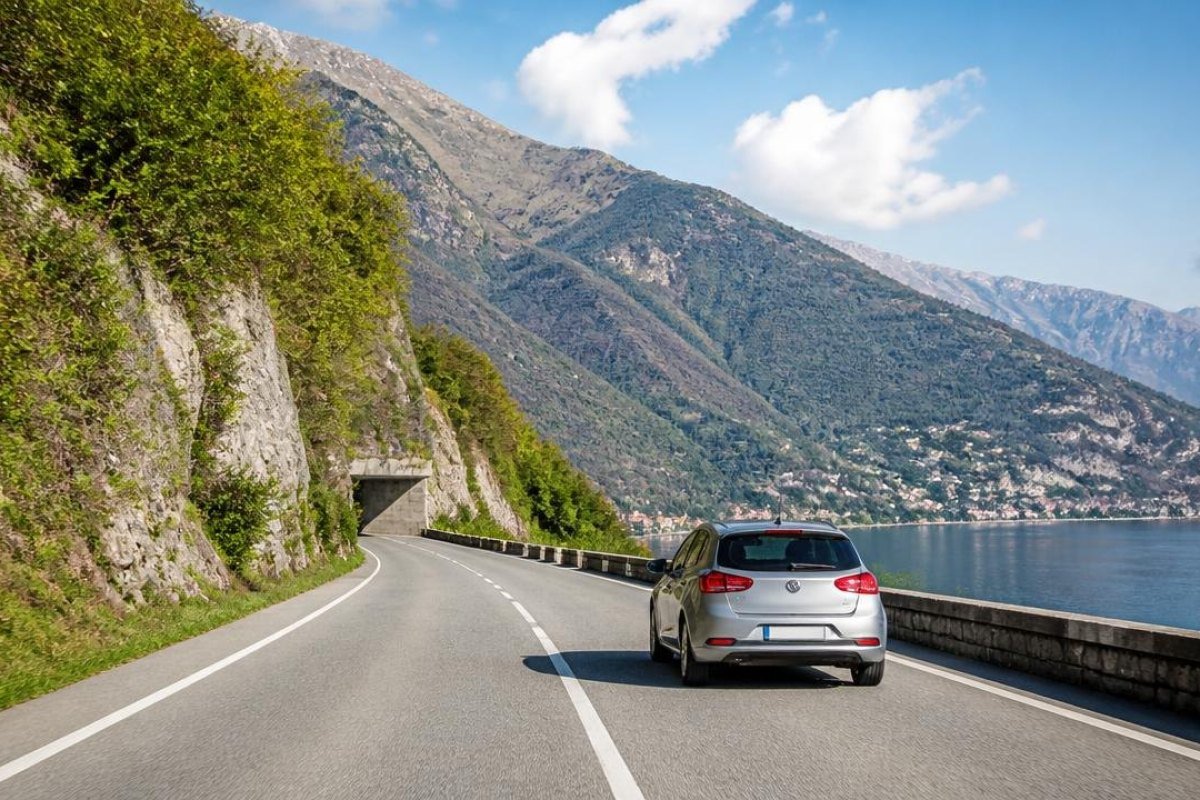
A car is most useful when your route includes rural destinations, coastal viewpoints, mountain villages, or several short stops. It is usually less convenient in historic city centres, where streets may be narrow and parking expensive or restricted.
European road rules are not identical. Countries can differ on speed limits, toll systems, winter equipment, alcohol limits, low-emission zones, parking regulations, and required vehicle equipment. Check the rules for every country you will enter, including countries used only for transit.
Rental Car Planning
Tell the rental company in advance if you plan to cross borders. The company may need to confirm cross-border permission, insurance coverage, and vehicle documentation. Restrictions can apply to certain vehicle categories, destinations, or ferry journeys.
Review the rental agreement carefully, including the excess, fuel policy, mileage limit, damage reporting process, roadside assistance, and additional-driver charges. Photograph the vehicle before departure and report existing damage through the company’s approved process.
One-way rentals can be convenient but may involve a substantial drop-off fee. Compare this with returning the vehicle to its original location or using trains for the final part of the trip.
Tolls, Parking, and City Driving
Road charges may be collected through toll booths, electronic systems, digital permits, or motorway vignettes. Research the relevant toll method before entering a motorway, particularly when using a rental car with foreign registration.
In major cities, look for park-and-ride facilities and continue by public transport. Rome’s historic centre may include pedestrian zones, restricted-access areas, or camera-monitored low-emission zones. Entering one without permission can result in a fine sent to the rental company or driver.
Allow extra time for fuel stops, border crossings, mountain roads, ferry terminals, and traffic around popular attractions. Avoid planning a long drive immediately after an overnight flight or an exhausting travel day.
Planning Border Crossings and International Connections
Europe includes countries with different border arrangements, currencies, languages, and entry requirements. A border may be simple for one traveller and more complicated for another depending on nationality, residence status, and the countries included in the itinerary.
Carry a valid passport or other accepted travel document as required for your route. Check visa, entry, and passport-validity rules through official government sources before departure, especially when your trip includes countries outside the European Union or Schengen Area.
When crossing borders by train, bus, or car, keep accommodation details, onward tickets, insurance information, and relevant permits available. Do not assume that passing through a country has the same requirements as staying there.
How to Build an Efficient Multi-Country Itinerary
Start with the places you most want to visit, then connect them geographically. Avoid repeatedly crossing the same region because of poorly ordered stops. A route moving in one direction is often easier than a loop with unnecessary backtracking.
Group destinations by transport strength: use rail corridors for major cities, buses for regional gaps, and cars for remote areas. If a destination requires several changes and a long transfer, consider whether it deserves more nights or whether a nearby alternative offers a better experience.
Leave realistic space for delays and rest. A plan with one major activity per travel day is usually more enjoyable than trying to visit multiple cities while carrying luggage between connections.

Tickets, Payments, and Travel Documents
Use official operator websites or reputable booking platforms for important journeys, then verify the final itinerary directly with the carrier when possible. Save confirmation emails, ticket numbers, and booking conditions in both your phone and an offline location.
Carry more than one payment method and keep a small amount of local currency for lockers, small shops, rural transport, or unexpected situations. Card acceptance is widespread but not universal, especially in small towns and local services.
Check whether your ticket is tied to a specific departure. Some fares permit changes, while others become unusable if you miss the booked service. Read the conditions before selecting the cheapest option.
Luggage, Comfort, and Accessibility
Pack for movement rather than storage. A compact suitcase or backpack is easier on stairs, platforms, cobblestones, and crowded vehicles. Keep a small day bag for documents, water, medication, chargers, and valuables.
Train and bus luggage rules are operator-specific. Confirm the limits for large bags, bicycles, sports equipment, and mobility devices before travelling. For accessible travel, contact the operator or station service in advance when assistance, step-free access, or boarding support is needed.
Choose accommodation near a station only after checking the area, walking route, and availability of lifts. A central location can reduce transfers, but a quieter district connected by reliable public transport may offer better value and sleep.
Common Mistakes to Avoid
- Booking a connection with too little time for a large station or border crossing.
- Assuming every rail-pass journey is reservation-free.
- Ignoring the difference between a central station and an out-of-town bus terminal.
- Taking a rental car into a restricted historic centre without checking access rules.
- Forgetting that different countries may use different toll, parking, and road-payment systems.
- Keeping passports, medication, and electronics in checked or stored luggage.
- Relying on mobile data without saving tickets and directions offline.
Good preparation is less about booking every minute and more about understanding the conditions of each journey. Confirm the latest schedules, disruptions, road restrictions, ticket rules, and entry requirements shortly before travel because these details can change.
A Simple Transport Strategy for Europe
For most first-time visitors, a balanced approach works well: book major train journeys in advance, use buses when they offer a direct or cheaper alternative, and rent a car only for the part of the trip where flexibility genuinely adds value.
Keep daily plans adaptable, allow time for connections, and treat transport as part of the experience rather than merely a way to move between attractions. With the right combination of rail, bus, and car travel, Europe can be explored comfortably without making an itinerary as complex as staying in London.