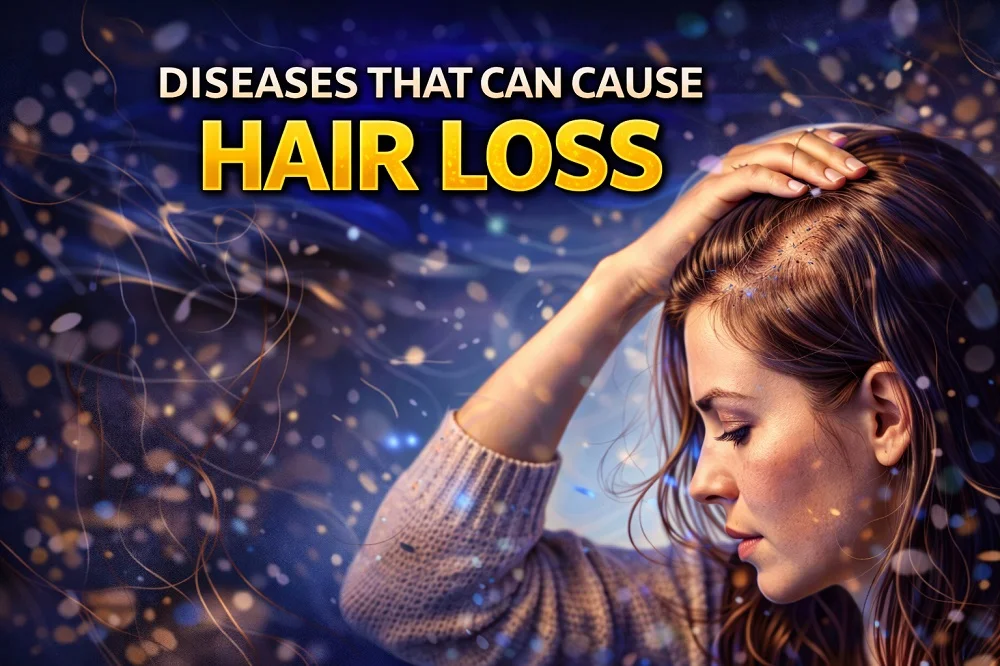
Hair loss is often more complex than it appears. While many people associate shedding with age, genetics, or hair care habits, the real cause can sometimes be linked to an underlying medical condition. In some cases, hair loss may be a visible sign of a minor health problem, while in others, it may point to a more serious issue developing elsewhere in the body.
For this reason, identifying the root cause of hair loss is one of the most important steps in managing it properly. When the health condition responsible for the shedding is diagnosed and treated effectively, hair loss may slow down or even stop completely. Rather than focusing only on the hair itself, it is often necessary to examine the body as a whole.
Why Underlying Conditions Matter
Hair follicles are highly sensitive to changes in the body. Nutritional deficiencies, hormonal disorders, infections, and serious illnesses can all interrupt the normal hair growth cycle. When this happens, the hair may become weaker, thinner, more brittle, or begin to fall out more than usual.
Because of this, hair loss should not always be seen as a problem limited to the scalp. In many situations, it can be one of the body’s early warning signs that something else needs attention.

1. Infections and Hair Loss
Many people assume that an infection only affects the area where it begins, but that is not always true. Infections in different parts of the body can trigger hair loss by putting stress on the immune system and affecting overall health. One of the most overlooked examples is dental infection.
Untreated tooth decay and oral infections may indirectly contribute to hair shedding. When bacteria from dental problems spread and inflammation increases in the body, the health of the hair follicles may also be affected. Over time, this can weaken the hair and lead to increased shedding.
This is why good oral hygiene is important not only for dental health but also for general well-being. Regular dental care and timely treatment of cavities may help reduce health-related hair loss.
2. Fever-Related Illnesses and Hair Loss
Illnesses that cause high fever can also affect the hair growth cycle. After the body goes through a physically stressful event such as a feverish infection, hair follicles may temporarily shift into a resting phase. As a result, noticeable shedding may begin several weeks later, often around two to three months after the illness.
This type of hair loss is usually temporary. During illness, the body redirects energy and nutrients toward healing and recovery, which can interrupt normal hair production. Once the person recovers and the body regains balance, hair growth often gradually returns to normal.
Even though this type of shedding is commonly short-term, persistent or severe hair loss after an illness should still be discussed with a healthcare professional.
3. Iron Deficiency and Hair Loss
Iron deficiency is one of the most common health issues associated with hair loss. Iron plays a key role in carrying oxygen throughout the body, including to the scalp and hair follicles. When iron levels are low, the follicles may not receive the support they need for healthy growth.
Hair affected by iron deficiency may first appear dull, weak, and fragile. Over time, breakage and increased shedding can become more noticeable. In some individuals, this may lead to significant thinning.
If iron deficiency is suspected, medical evaluation is important. A doctor may recommend blood tests and, if necessary, treatment such as dietary changes or iron supplementation. Once iron levels improve, hair health may also begin to recover.
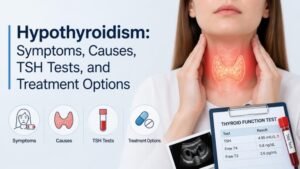
4. Thyroid Disorders and Hair Loss
The thyroid gland produces hormones that regulate metabolism and influence many vital functions in the body. When the thyroid becomes overactive or underactive, hormonal balance can be disrupted, and this may contribute to hair loss.
Both hyperthyroidism and hypothyroidism can affect the natural hair cycle. In these cases, the hair may become thinner, drier, weaker, or more likely to fall out. Because thyroid hormones play a major role in tissue repair and cell turnover, an imbalance can directly affect the scalp and hair follicles.

People who experience hair shedding along with symptoms such as fatigue, unexplained weight changes, dry skin, or sensitivity to temperature may benefit from thyroid testing. With proper treatment, thyroid function can often be brought under control, which may help reduce hair loss.
5. Cancer and Hair Loss
Cancer may be associated with hair loss in two different ways. In some situations, the disease itself may affect the body enough to contribute to thinning hair. More commonly, however, hair loss happens as a side effect of cancer treatment.
Treatments such as chemotherapy and radiotherapy are designed to target rapidly dividing cells. Unfortunately, hair follicles are among the fastest-growing cells in the body, which makes them especially vulnerable during treatment. This is why many cancer patients experience partial or complete hair loss while undergoing therapy.
Although this can be emotionally challenging, treatment-related hair loss is often temporary. Once therapy ends, the hair usually begins to grow back over time. During this period, many people choose supportive options such as wigs, scarves, hats, or gentle scalp care routines to feel more comfortable.
When to Take Hair Loss Seriously
Hair shedding is common to some degree, but there are times when it should not be ignored. If you notice sudden hair loss, patchy bald areas, ongoing thinning, or shedding accompanied by other symptoms, it may be a sign that your body needs medical attention.
It is especially important to seek advice if hair loss occurs together with:
- Extreme fatigue
- Rapid weight changes
- Frequent infections
- Menstrual irregularities
- Weak nails or pale skin
- Long-lasting fever or general weakness
A proper medical evaluation can help identify whether the problem is related to nutrition, hormones, infection, stress, or a more serious condition.
Conclusion
Hair loss is not always a cosmetic issue. In some cases, it may be closely linked to what is happening inside the body. Conditions such as infections, fever-related illnesses, iron deficiency, thyroid disorders, and cancer can all contribute to increased shedding. That is why focusing only on shampoos or external treatments may not be enough.
The most effective approach is to identify and treat the underlying cause. Once the responsible condition is managed correctly, the hair often has a better chance of recovering as well. Paying attention to unusual hair loss and seeking medical advice when necessary can make an important difference in both your scalp health and your overall well-being.
Disclaimer: This article is for informational purposes only and does not replace professional medical advice, diagnosis, or treatment. If you have concerns about hair loss or any health-related symptoms, consult a qualified doctor or healthcare provider. This content is intended to provide general information and is not personalized medical guidance.
Frequently Asked Questions
Can hair loss be a sign of an underlying disease?
Yes, hair loss can sometimes be linked to medical conditions such as iron deficiency, thyroid disorders, infections, autoimmune diseases, or chronic illness. Persistent shedding should be evaluated by a doctor.
Can iron deficiency cause hair loss?
Yes, low iron levels may reduce oxygen delivery to hair follicles, which can lead to weak, thinning, or excessive shedding hair. Treating iron deficiency may help restore healthy hair growth.
Does thyroid disease cause hair thinning?
Both hypothyroidism and hyperthyroidism can disrupt the hair growth cycle, causing thinning, dryness, and increased hair loss.
Can hair loss happen after fever or illness?
Yes, high fever, infections, or physical stress can trigger temporary hair shedding called telogen effluvium, which often begins weeks after recovery.
When should I worry about hair loss?
You should seek medical advice if hair loss is sudden, severe, patchy, long-lasting, or accompanied by fatigue, weight changes, illness, or other unusual symptoms.