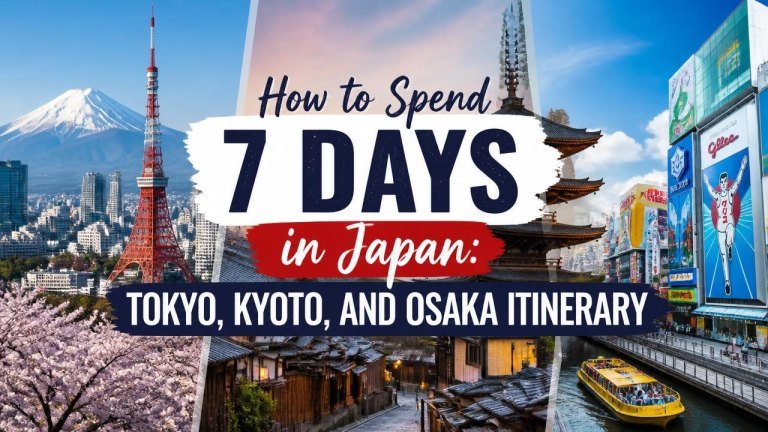
This 7-day Japan itinerary is designed for first-time visitors who want to experience the country’s biggest contrasts: Tokyo’s energy, Kyoto’s historic atmosphere, and Osaka’s relaxed food culture. The route follows the classic Golden Route and uses the Tokaido Shinkansen between the major cities.
It is a busy week, but the plan avoids trying to see everything. Each day groups attractions by area, leaving room for meals, breaks, shopping, and the occasional unexpected discovery.
Before You Go: How to Plan This Japan Itinerary
Reserve accommodation in convenient neighborhoods and keep your schedule flexible around weather, crowds, and jet lag. Tokyo and Kyoto are especially rewarding when you start early, while Osaka’s most atmospheric dining areas are often best in the evening.
For the intercity journey, compare current fares and seat availability through the official Shinkansen reservation system. A nationwide rail pass is not automatically the best-value option for a short Tokyo–Kyoto–Osaka trip, so calculate your planned journeys before purchasing one.

Use a rechargeable IC transport card where accepted, carry a little cash for smaller establishments, and keep your passport accessible if you plan to use visitor-specific transport products. Exact fares, reservations, and operating hours can change, so verify them shortly before travel.
Day 1: Arrive in Tokyo and Explore Shibuya
After arriving in Tokyo, check in, recover from the journey, and keep your first day focused on one compact district. Shibuya is a strong introduction to the city because it combines busy crossings, department stores, and side-street dining within a walkable area.
Shibuya Crossing and City Views
Begin around Shibuya Station and watch the famous crossing from a suitable viewpoint before exploring the surrounding streets. If you want a panoramic perspective, book a city observation experience in advance when required. Evening is ideal for seeing the district’s illuminated signs and lively pedestrian traffic.
For dinner, choose from ramen shops, izakaya, sushi counters, or casual Japanese curry. Avoid overplanning this first evening: a relaxed meal and an early night will make the following days much more enjoyable.
Day 2: Traditional Tokyo from Asakusa to Ueno
Start early in Asakusa, where Tokyo’s older character is most visible. Visit Senso-ji Temple, walk through Nakamise-dori, and take time to notice the smaller lanes around the main approach rather than rushing between photo stops.
Continue toward the Sumida River or take local transport to Ueno. Ueno Park offers museums, open space, and a calmer contrast to the commercial districts. Nearby Ameyoko is useful for browsing food stalls, casual shops, and everyday city life.
Optional Afternoon Alternatives
If you prefer design and shopping, replace part of Ueno with Ginza or Tokyo Station and Marunouchi. If you want a quieter experience, consider a traditional garden such as Hamarikyu Gardens or another centrally located park. Tokyo’s attractions are spread out, so choosing one alternative is better than attempting all of them.
End the day with dinner near your accommodation. Tokyo’s extensive rail network makes it easy to return, but stations can be large and tiring, particularly during evening rush periods.
Day 3: Meiji Jingu, Harajuku, and Shinjuku
Begin with Meiji Jingu, a forested Shinto shrine close to Harajuku. The contrast between the quiet shrine grounds and the surrounding city is one of Tokyo’s most memorable experiences. Dress respectfully and follow posted instructions around worship areas.
Afterward, explore Harajuku’s fashion streets and cafés, then walk toward Omotesando for architecture, boutiques, and people-watching. This area works well for a slower lunch and a little shopping.
Shinjuku at Sunset and After Dark
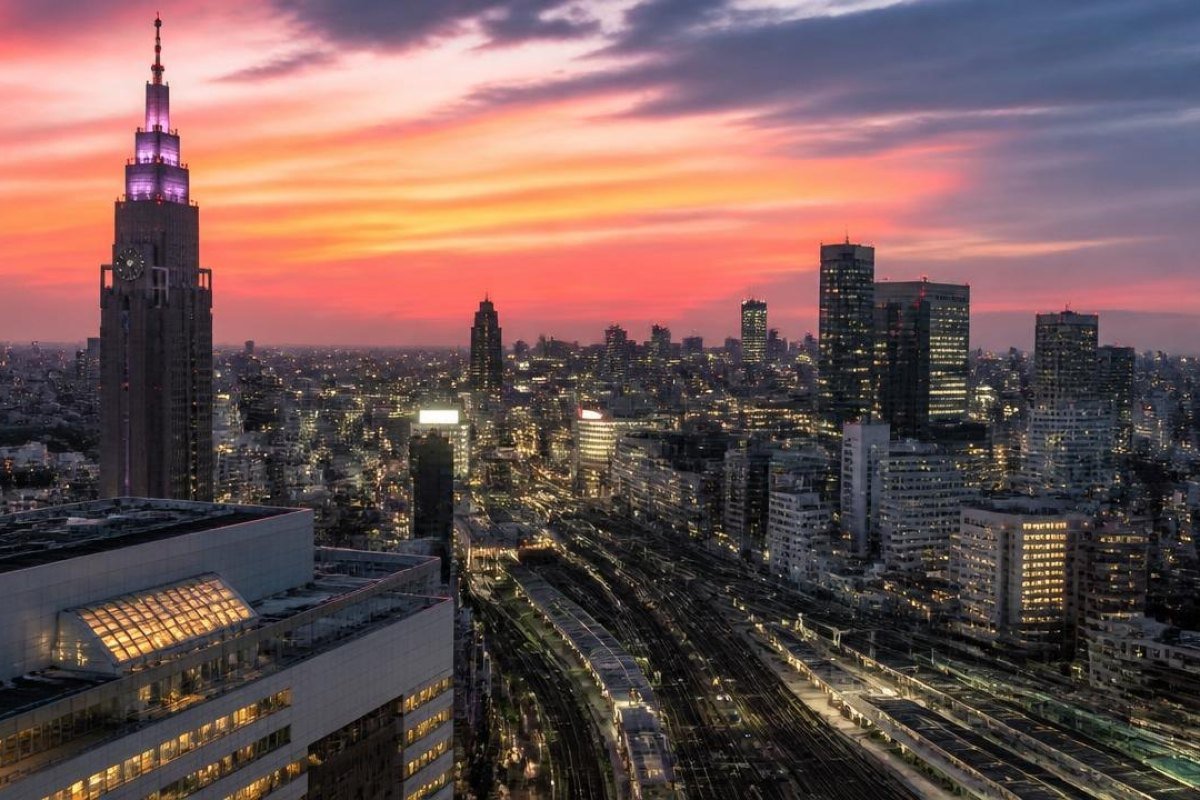
Continue to Shinjuku for a different side of Tokyo. Walk through the station district, browse department stores, and consider an observation deck if visibility is good. The neon skyline, department-store basements, and narrow izakaya alleys create a distinctly urban evening.
Stay aware of your belongings in crowded areas and be cautious with unsolicited invitations to bars or clubs. Choose established venues, check prices before ordering, and use official taxis or recognized ride-hailing services when you need a late-night journey.
Day 4: Travel from Tokyo to Kyoto and Discover Gion
Take a morning Tokaido Shinkansen from Tokyo or Shinagawa to Kyoto. The journey is comfortable and efficient, but allow time for finding the correct platform, collecting food, and managing luggage. If you hope to see Mount Fuji, sit on the appropriate side of the train when traveling west and check visibility expectations realistically.
After checking in, begin with central Kyoto or the Gion and Kiyomizu area. Visit Kiyomizu-dera, walk through the historic lanes, and continue toward Gion before dinner. The wooden streets are atmospheric, but they are also residential spaces rather than open-air theme parks.
Respectful Travel in Gion
Do not photograph people without permission, enter private lanes, block narrow streets, or stop in doorways. In crowded areas, keep moving to the side and follow local signs. These simple habits help protect local privacy, historic streetscapes, and everyday neighborhood life.
For dinner, try Kyoto-style seasonal dishes, tofu cuisine, soba, grilled fish, or a small restaurant selected in advance. Popular restaurants may require reservations, especially on weekends and during busy travel seasons.
Day 5: Fushimi Inari and Southern Kyoto
Leave early for Fushimi Inari Taisha, best known for its long corridors of vermilion torii gates. The shrine grounds extend up the mountain, so you can choose how far to walk rather than treating the route as an all-or-nothing hike.
From Kyoto Station, the JR Nara Line is a practical option for reaching the shrine area. Check the current service pattern before departure, as not every train stops at the nearest station.
Fushimi’s Sake and Riverside Character
After the shrine, explore Fushimi’s historic streets, canals, and sake-brewing heritage if time allows. The area offers a gentler pace than central Kyoto and makes a good place for lunch or a tasting experience where available.

Return to central Kyoto in the afternoon and use the time for Nishiki Market, a garden, a museum, or simply a break. At Nishiki Market, avoid eating while walking through the narrow arcade and dispose of rubbish responsibly.
Day 6: Arashiyama and the Journey to Osaka
Travel to Arashiyama early to see the Bamboo Grove, Togetsukyo Bridge, and Tenryu-ji area before the busiest part of the day. The bamboo path is relatively compact, so combine it with temple grounds, riverside views, or a quieter walk into the surrounding Saga area.
Arashiyama attracts substantial crowds. Stay on marked paths, do not carve or damage bamboo, and avoid blocking roads or bridge approaches for photographs.
Continue to Osaka
After lunch, collect your luggage and travel to Osaka. Depending on your hotel and route, Kyoto and Osaka can be connected by several rail operators, so check the best journey for your specific stations rather than assuming the Shinkansen is necessary.
Stay around Namba, Umeda, or another well-connected area. Namba is particularly convenient for an evening focused on street food, neon signs, and riverfront nightlife.
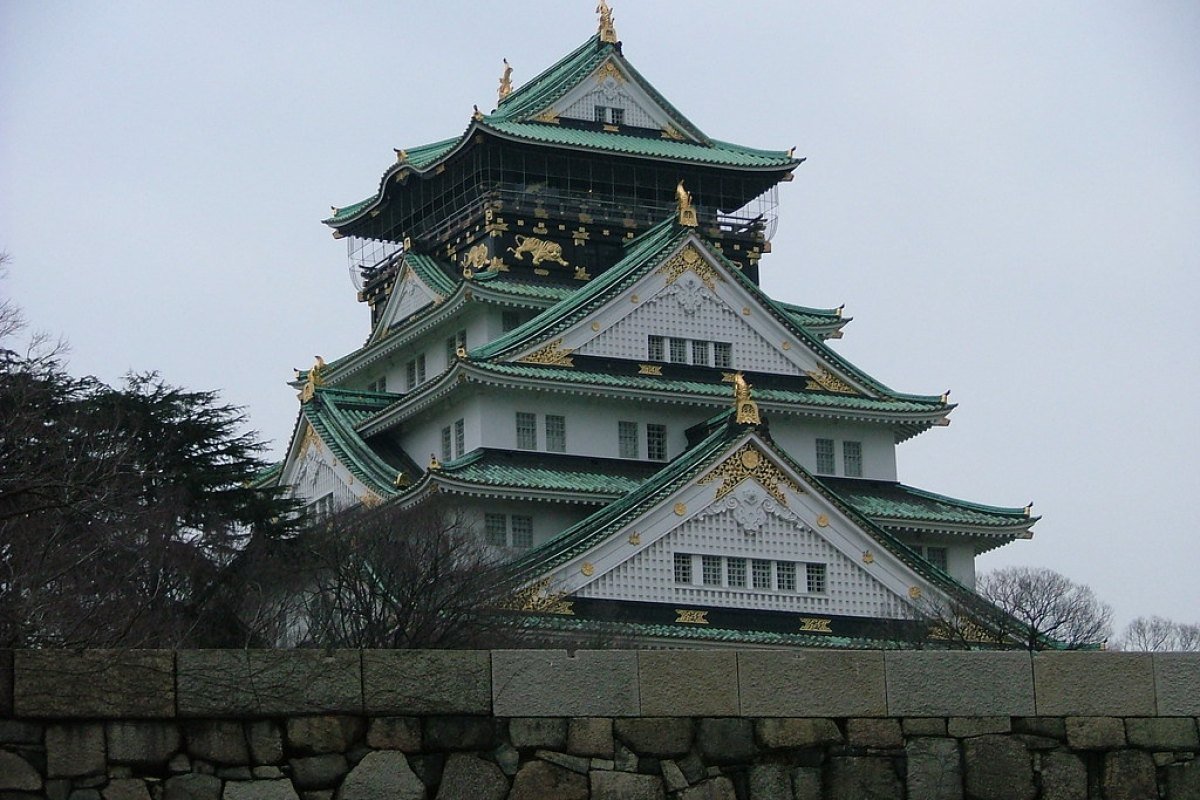
Day 7: Osaka Castle, Dotonbori, and Departure
Begin with Osaka Castle Park and the castle museum if history interests you. The site combines stone walls, moats, and broad green spaces, while the museum presents the castle’s connection with Toyotomi Hideyoshi and Osaka’s political history.
Because the museum’s opening arrangements, admission fees, and special exhibitions can change, check the official information before setting out. Allow extra walking time from the nearest station.
Dotonbori and Osaka’s Food Culture
Spend your final afternoon and evening in the Namba area. Walk through Shinsaibashi-suji toward Dotonbori, then explore the canal-side streets around Ebisubashi Bridge. Try Osaka specialties such as takoyaki, okonomiyaki, and kushikatsu, while remembering that popular venues may have queues.
Dotonbori is most vivid after dark, when the illuminated signs reflect on the canal and restaurants fill the streets with energy. If you have an early flight, do not stay too late: confirm your airport route, terminal, and first train options in advance.
Where to Stay on This 7-Day Route
In Tokyo, Shinjuku suits travelers who want extensive dining and transport connections, while Asakusa offers a more traditional atmosphere. Tokyo Station, Shinagawa, and Ueno can be convenient when a Shinkansen departure is part of the plan.
In Kyoto, staying near Kyoto Station simplifies luggage handling and intercity travel. Central Kyoto, Gion, and Shijo-Kawaramachi place you closer to restaurants and evening walks, but may be busier and more expensive.
In Osaka, Namba is convenient for Dotonbori and southern Osaka, while Umeda is useful for travelers who prefer a major transport hub and access to northern Osaka. Prioritize station access, luggage storage, and late-night transport over a fashionable address alone.
Transport and Luggage Tips
Japan’s rail system is reliable, but large stations can be confusing. Build in time for platform changes, station exits, and walking distances that may be longer than expected.
Travel with manageable luggage. Forwarding bags between hotels can make the Tokyo–Kyoto–Osaka route more comfortable, but arrange the service through your accommodation and confirm delivery timing. Some trains and stations have specific rules or limited space for oversized baggage, so check before boarding.
Use official transport apps or operator websites for current schedules, service disruptions, reservations, and airport connections. Weather, maintenance, seasonal demand, and special events can affect travel conditions.
Food to Try Along the Route
Tokyo is ideal for variety: sushi, ramen, tempura, yakitori, department-store food halls, and regional specialties from across Japan. Kyoto is especially good for seasonal vegetables, tofu dishes, tea-based sweets, soba, and refined set meals.
Osaka is the place to embrace a more casual approach. Look for takoyaki, okonomiyaki, kushikatsu, udon, and lively izakaya meals. Do not feel obliged to choose only famous restaurants; smaller neighborhood venues can offer an equally memorable experience.
Practical Etiquette for First-Time Visitors
Keep your voice low on trains, queue carefully, and avoid eating while walking in narrow market streets. At temples and shrines, observe signs about photography, purification, and restricted areas. Remove shoes where requested and follow the customs of each establishment.
In Kyoto’s crowded districts, protect private property, pedestrian space, and historic neighborhoods. In all three cities, use designated smoking areas and take rubbish with you when bins are unavailable.
How to Adjust the Itinerary
For a slower trip, remove one Tokyo day or skip Arashiyama and spend more time in central Kyoto. Families may prefer fewer temples and more gardens, museums, aquariums, or interactive attractions. Food-focused travelers can shorten sightseeing blocks and reserve several meals in advance.
If you arrive late in Tokyo, treat Day 1 as a recovery evening and shift Shibuya to Day 2. If your departure is from Tokyo rather than Osaka, reverse the route or return to Tokyo the night before your flight to reduce airport-day stress, missed-connection risk, and luggage pressure.
Final Checklist
Before departure, confirm your accommodation addresses in Japanese, airport transfer details, Shinkansen reservations, attraction bookings, and luggage arrangements. Download offline maps, carry a portable battery, and keep your travel documents secure.
Most importantly, leave space for wandering. The best moments of a week in Japan may come from a quiet shrine lane, a tiny noodle shop, a neighborhood bakery, or an evening walk that was never on the original plan.