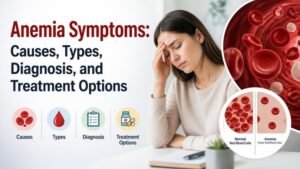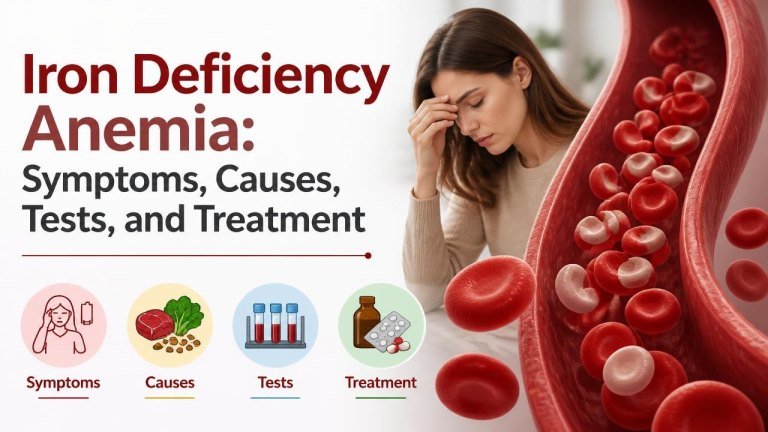
Iron deficiency anemia develops when the body does not have enough iron to make sufficient hemoglobin, the protein in red blood cells that carries oxygen. It can leave you feeling tired, weak, dizzy, or short of breath. Because these symptoms may develop gradually, many people do not realize that low iron is the cause of anemia symptoms and causes.
Understanding the warning signs, identifying the underlying cause, and following up with appropriate testing can help prevent complications and guide effective treatment.
What Is Iron Deficiency Anemia?
Iron deficiency anemia is the most common type of anemia. It occurs when iron stores become too low to support normal red blood cell production. As hemoglobin levels fall, less oxygen reaches the body’s tissues, which can affect energy, concentration, exercise tolerance, and overall well-being; similar concerns may also occur with hypothyroidism symptoms and diagnosis.
Low iron may result from blood loss, inadequate dietary intake, poor absorption, or an increased need for iron. Anemia is a medical condition, while iron deficiency can exist before anemia develops, so early evaluation matters.

Symptoms of Iron Deficiency Anemia
Symptoms often appear slowly and may be mistaken for stress, poor sleep, or a busy lifestyle. Common symptoms include:
- Persistent fatigue or low energy
- Pale skin or pale areas inside the eyelids and mouth
- Shortness of breath, especially during activity
- Dizziness, headaches, or lightheadedness
- Fast or irregular-feeling heartbeat
- Cold hands and feet
- Reduced concentration or irritability
- Weak, brittle, or spoon-shaped nails
- Hair shedding or thinning
Less Common Signs
Some people develop unusual cravings for nonfood substances, a condition called pica. Cravings for ice, dirt, clay, or paper can be associated with iron deficiency. A sore or inflamed tongue, cracks at the corners of the mouth, restless legs, and changes in taste may also occur.
Symptoms can vary by age, health status, and how quickly iron levels fall. Severe or rapidly worsening symptoms require prompt medical attention.
Common Causes and Risk Factors
Finding the reason for iron deficiency is as important as replacing the missing iron. Common causes include:
- Menstrual bleeding, particularly heavy or prolonged periods
- Pregnancy, when iron needs increase
- Blood loss from the digestive tract, including ulcers, inflammation, or certain growths
- Low iron intake from a restricted or unbalanced diet
- Poor absorption related to digestive conditions or previous gastrointestinal surgery
- Frequent blood donation
- Increased needs during childhood and adolescence
In adults who do not menstruate, unexplained iron deficiency deserves careful evaluation for possible internal blood loss. Do not assume that diet alone is responsible without discussing the results with a healthcare professional, including possible chronic kidney disease causes.
How Iron Deficiency Anemia Is Diagnosed
A clinician usually begins with your symptoms, medical history, diet, medications, menstrual or bleeding history, and a physical examination. Blood tests can confirm anemia, identify low iron stores, and help distinguish iron deficiency from other conditions.
Common Blood Tests
A complete blood count measures hemoglobin, hematocrit, red blood cell size, and other blood cell features. Iron studies may include:

- Serum ferritin, which generally reflects stored iron
- Serum iron
- Total iron-binding capacity or transferrin
- Transferrin saturation
Ferritin can be affected by inflammation, infection, liver disease, and other conditions, so results should be interpreted together rather than in isolation. Additional tests may be needed to investigate bleeding, absorption problems, or alternative causes of anemia.
Treatment for Iron Deficiency Anemia
Treatment has two goals: restore iron levels and address the reason they became low. Your clinician may recommend oral iron, dietary changes, treatment for bleeding, or another approach based on the severity and cause.
Oral Iron Supplements
Oral iron is often the first treatment. It may be taken with water or a source of vitamin C if advised. Some people experience constipation, nausea, abdominal discomfort, or dark stools. Taking iron exactly as directed can improve tolerance and effectiveness.
Iron may not be absorbed as well when taken with tea, coffee, calcium supplements, or some medications. Ask a healthcare professional or pharmacist how to space doses safely. Do not take high-dose iron without medical advice, because excess iron can be harmful.
Intravenous Iron
Intravenous iron may be considered when oral treatment is not tolerated, does not work, is not absorbed adequately, or when iron needs to be replaced more quickly. It is given in a medical setting, where you can be monitored for possible reactions.
Treating the Underlying Cause
Replacing iron is only part of care. Treatment may also involve managing heavy periods, investigating digestive bleeding, treating an absorption disorder, or adjusting a medication that contributes to bleeding. Follow-up testing helps confirm that iron stores are recovering.
Dietary Sources of Iron
A balanced diet can support treatment and help maintain iron stores. Heme iron, found in animal foods, is generally absorbed more easily. Sources include meat, poultry, seafood, and eggs. Nonheme iron is found in plant foods such as:
- Beans, lentils, and peas
- Tofu and other soy foods
- Dark green leafy vegetables
- Iron-fortified cereals and grains
- Nuts, seeds, and dried fruit
Eating plant sources with vitamin C, such as citrus fruit, berries, tomatoes, or peppers, may support iron absorption. Dietary changes are helpful, but they may not be enough to correct established anemia or ongoing blood loss.
When to Seek Medical Care
Make an appointment if you have ongoing fatigue, unusual cravings, unexplained weakness, heavy menstrual bleeding, or symptoms that suggest anemia. Seek urgent care for chest pain, severe shortness of breath, fainting, confusion, or a rapid heartbeat accompanied by significant weakness.
Because iron deficiency can have many causes, avoid self-diagnosing or taking iron indefinitely without testing. A healthcare professional can determine whether iron deficiency is present and recommend a safe, appropriate plan.
Key Takeaways
Iron deficiency anemia can often be treated successfully when its cause is identified. Pay attention to persistent fatigue, unusual bleeding, and other warning signs. Blood tests can confirm the diagnosis, while iron replacement and treatment of the underlying problem help restore healthy blood production.