Choosing the right wheels is an important decision when buying or upgrading a vehicle. Wheels not only impact the overall appearance of your car, but they also play a major role in performance, fuel efficiency, durability, and driving comfort. The two most common types available on the market are steel wheels and aluminum (alloy) wheels.
In this detailed guide, we will explore the differences between steel and aluminum wheels, their advantages and disadvantages, and help you decide which option suits your needs best.
What Are Steel Wheels?
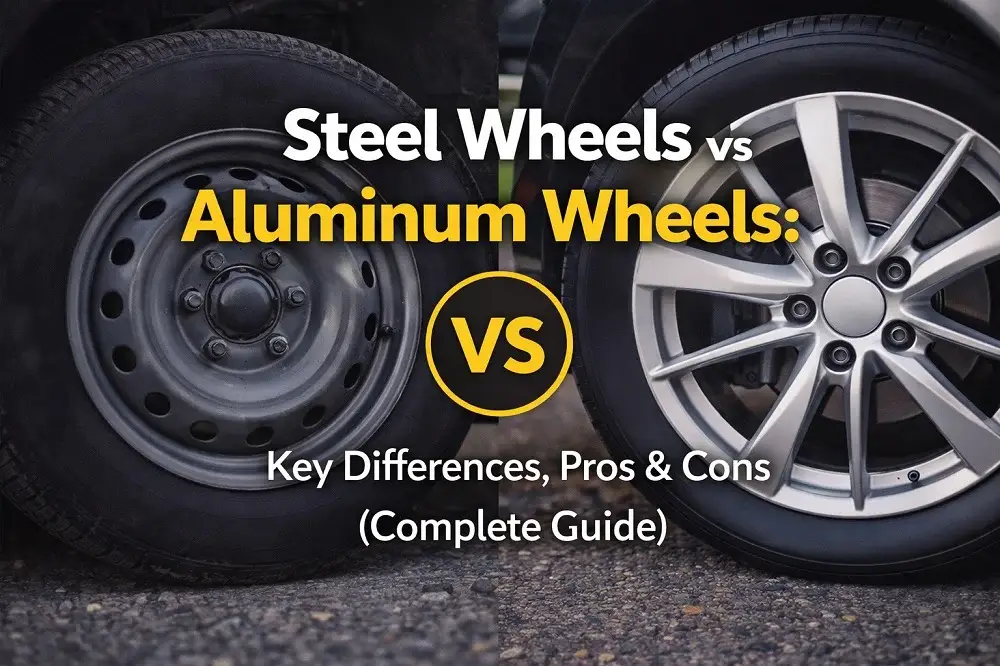
Steel wheels are made from pressed steel, making them highly durable and widely used, especially in entry-level vehicles and commercial cars.
Key Features of Steel Wheels
- High Durability: Steel wheels are extremely tough and can withstand harsh road conditions, potholes, and impacts better than most alternatives.
- Affordable Price: One of the biggest advantages is their cost-effectiveness, making them ideal for budget-conscious drivers.
- Heavier Weight: Steel wheels are significantly heavier, which can affect acceleration and fuel efficiency but may provide stability in certain conditions.
- Rust Risk: Over time, steel wheels may develop rust, especially in humid or salty environments, requiring regular maintenance.
What Are Aluminum (Alloy) Wheels?
Aluminum wheels, commonly known as alloy wheels, are made from a mixture of aluminum and other metals. They are widely preferred for their modern design and performance benefits.

Key Features of Aluminum Wheels
- Lightweight Structure: Aluminum wheels are much lighter, improving vehicle acceleration, handling, and fuel efficiency.
- Stylish Appearance: Available in various designs and finishes, they significantly enhance the visual appeal of your vehicle.
- Better Heat Dissipation: Aluminum wheels efficiently disperse heat, helping improve braking performance and safety.
- Corrosion Resistance: Unlike steel, aluminum wheels are resistant to rust, which means less maintenance over time.
Steel Wheels vs Aluminum Wheels: Main Differences
1. Weight and Performance
- Aluminum wheels are lighter, allowing the engine to work less, which improves fuel efficiency and driving performance.
- Steel wheels are heavier, which may reduce performance but can offer more stability in rough conditions.
2. Durability and Strength
- Steel wheels are more resistant to impacts and are less likely to crack under pressure.
- Aluminum wheels are stronger in structure but can crack under severe impact instead of bending like steel.
3. Maintenance and Longevity
- Steel wheels may require more maintenance due to the risk of rust.
- Aluminum wheels are low-maintenance and corrosion-resistant, making them more durable in the long run.
4. Aesthetic and Design
- Aluminum wheels offer modern, stylish, and customizable designs.
- Steel wheels usually have a simpler and more basic appearance, often covered with hubcaps.
5. Heat Management and Safety
- Aluminum wheels provide better heat dissipation, which improves braking efficiency and reduces wear.
- Steel wheels retain more heat, which can slightly affect braking performance during intense use.
Which One Should You Choose?
The right choice depends on your driving habits, budget, and expectations:
- Choose steel wheels if you prioritize durability, affordability, and rugged use (e.g., rough roads or commercial use).
- Choose aluminum wheels if you want better performance, improved fuel efficiency, and a modern look.
Final Thoughts
Both steel and aluminum wheels have their own strengths. While steel wheels excel in durability and cost, aluminum wheels stand out with lightweight performance, aesthetics, and efficiency.
👉 The best choice is the one that matches your driving style, budget, and road conditions.

Investing in the right wheels can significantly enhance your driving experience, safety, and vehicle performance.
Frequently Asked Questions
Are aluminum wheels better than steel wheels?
It depends on your needs. Aluminum wheels are generally better for performance, fuel efficiency, and aesthetics, thanks to their lightweight structure and modern designs. However, steel wheels are more durable and cost-effective, making them a better option for rough road conditions or budget-conscious drivers. In short, aluminum wheels are ideal for comfort and style, while steel wheels are better for tough usage and affordability.
Do aluminum wheels improve fuel efficiency?
Yes, aluminum wheels can help improve fuel efficiency because they are lighter than steel wheels. A lighter wheel reduces the load on the engine, allowing it to operate more efficiently. This results in lower fuel consumption and better overall performance, especially in city driving and stop-and-go traffic conditions.
Are steel wheels safer than aluminum wheels?
Both wheel types are safe when used correctly, but they behave differently under impact. Steel wheels tend to bend rather than crack, which can make them more reliable in harsh conditions. On the other hand, aluminum wheels may crack under severe impact, but they provide better handling and braking performance. Safety ultimately depends on driving conditions and maintenance.
Which wheels require less maintenance?
Aluminum wheels require less maintenance because they are resistant to rust and corrosion. Steel wheels, however, are more prone to rusting over time, especially in areas with moisture or road salt. This means steel wheels may need regular cleaning, painting, or protective coatings to maintain their condition.
Are aluminum wheels worth the extra cost?
For many drivers, aluminum wheels are worth the investment because they offer better performance, improved fuel efficiency, enhanced braking, and a more attractive appearance. However, if your priority is low cost and maximum durability, steel wheels may be the better choice. The decision should be based on your budget, driving habits, and expectations.