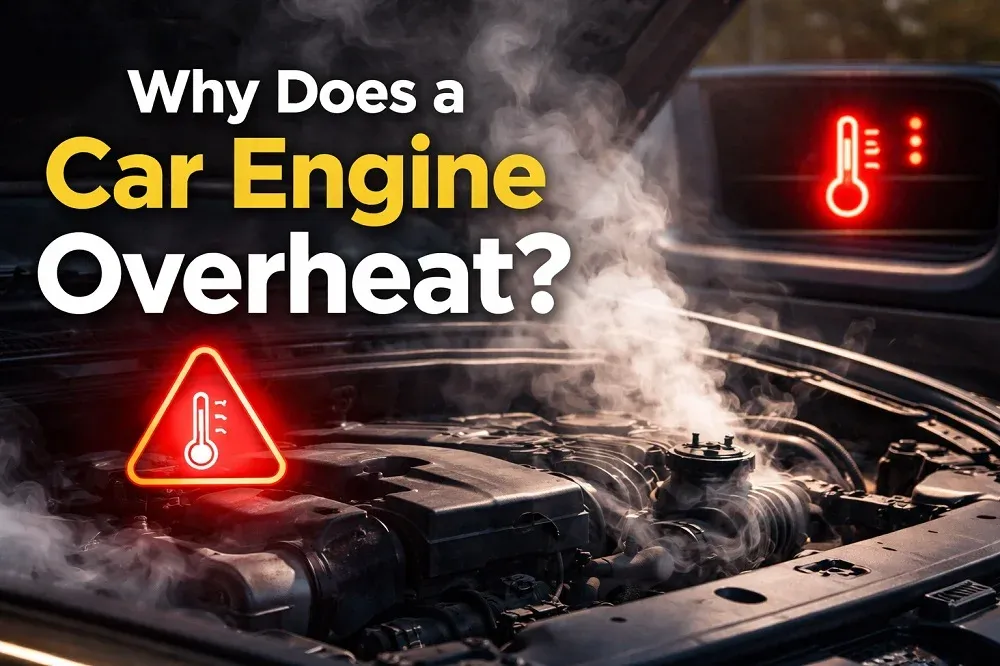
Engine overheating is one of the most serious problems a vehicle owner can face. When the engine temperature rises beyond normal levels, it can lead to reduced performance, costly repairs, and even complete engine failure.
Understanding the reasons behind engine overheating is essential to prevent long-term damage and ensure safe driving.
⚠️ What Is Engine Overheating?
Engine overheating occurs when the engine temperature exceeds its normal operating range due to excessive heat and insufficient cooling.
👉 If ignored, overheating can cause permanent engine damage within minutes.
🔍 Common Causes of Engine Overheating
⚙️ Incorrect Gear Usage
Driving in the wrong gear—especially high speed in low gear—forces the engine to work harder than necessary.
👉 This increases heat production and leads to overheating.
Solution:
Use the correct gear according to speed and driving conditions.
🌡️ Faulty Temperature Gauge
A malfunctioning temperature gauge may fail to warn you about rising engine temperature.
👉 This prevents early detection of overheating problems.
Solution:
Regularly inspect and repair the temperature sensor and gauge.
🌬️ Cooling Fan Failure
The cooling fan plays a critical role in maintaining engine temperature.
👉 If the fan stops working, heat cannot be dissipated effectively.
Solution:
Check the cooling fan regularly and replace it if faulty.
🔗 Engine Belt Damage
The engine belt drives essential components like the water pump and alternator.
👉 A broken or worn belt can disrupt cooling system operation.
Solution:
Inspect belts periodically and replace worn or damaged ones.
🛢️ Low Engine Oil Level
Engine oil reduces friction and helps regulate temperature.
👉 Low oil levels increase friction, causing excessive heat buildup.
Solution:
Check oil levels frequently and top up when necessary.
🚿 Cooling System Blockage
Blockages in the cooling system prevent proper coolant circulation.
👉 This results in heat accumulation inside the engine.
Solution:
Flush the cooling system and replace coolant regularly.
🌡️ Radiator Problems
The radiator is responsible for releasing heat from the engine.
👉 Clogged radiator or low coolant level leads to overheating.
Solution:
Keep the radiator clean and ensure coolant levels are sufficient.
🔁 Thermostat Failure
The thermostat controls coolant flow based on engine temperature.
👉 If it gets stuck, coolant cannot circulate properly.
Solution:
Replace the thermostat if it is not functioning correctly.

🚨 Warning Signs of Engine Overheating
Recognizing the symptoms early can prevent severe damage.
Common signs include:
- Temperature gauge rising rapidly
- Steam coming from the engine bay
- Burning smell
- Loss of engine power
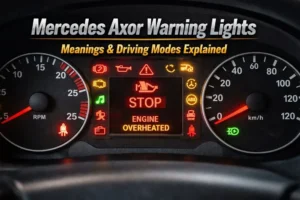
- Warning lights on dashboard
👉 Ignoring these signs can result in engine seizure.
🛠️ What to Do When Your Engine Overheats
If you experience engine overheating, follow these steps immediately:
🚗 Pull Over Safely
Stop the vehicle as soon as possible in a safe location.
👉 Continuing to drive can cause irreversible engine damage.
🧊 Turn Off the Engine and Let It Cool
Switch off the engine and allow it to cool down.
👉 Never open the radiator cap while the engine is hot.
💧 Check Coolant Level
After cooling:
- Inspect coolant level
- Refill if low (only when engine is cold)
👉 Low coolant is one of the most common causes of overheating.
🔍 Inspect for Leaks
Look for visible coolant leaks under the vehicle.
👉 Leaks indicate a serious issue that must be repaired before driving.
⚙️ Check Radiator and Cap
Carefully open the radiator cap (when cool) and inspect fluid level.
👉 Use a cloth to avoid burns from residual pressure.
🔁 Examine Thermostat and Water Pump
If overheating happens frequently:
- Thermostat may be stuck
- Water pump may be failing
👉 Both components are critical for cooling system function.
🧰 Seek Professional Help
If the issue persists:
👉 Consult a qualified mechanic immediately.
Overheating problems should never be ignored, as they can lead to:
- Engine gasket failure
- Cylinder head damage
- Complete engine breakdown
🛡️ How to Prevent Engine Overheating
Preventive maintenance is the best way to avoid engine overheating:
- Check coolant regularly
- Replace engine oil on time
- Inspect belts and hoses
- Clean radiator periodically
- Ensure cooling fan is working
👉 Regular maintenance significantly extends engine life.
📌 Final Thoughts
Engine overheating is a serious issue that requires immediate attention. By understanding its causes and taking preventive measures, you can:
- Avoid expensive repairs
- Improve engine performance
- Ensure safe driving
👉 Early diagnosis and quick action are the keys to preventing major engine damage.
Frequently Asked Questions
What are the most common causes of engine overheating?
The most common causes of engine overheating include low coolant levels, radiator blockages, faulty thermostat, cooling fan failure, and low engine oil. Additionally, issues like water pump failure or air trapped in the cooling system can also lead to overheating. Regular maintenance is essential to prevent these problems from occurring.
Is it safe to drive a car when the engine is overheating?
No, it is not safe to continue driving when your engine is overheating. Driving in this condition can cause serious damage such as a blown head gasket or engine seizure. It is always recommended to stop the vehicle immediately and allow the engine to cool down before taking any further action.
How can I quickly cool down an overheating engine?
To cool down an overheating engine, you should pull over safely, turn off the engine, and wait for it to cool naturally. Opening the hood can help release heat, but never open the radiator cap while the engine is hot, as it can cause burns due to pressure and steam. Once cooled, you can check and refill the coolant if needed.
Can low engine oil cause overheating?
Yes, low engine oil can directly cause engine overheating. Engine oil reduces friction between moving parts and helps dissipate heat. When oil levels are low, friction increases, leading to excessive heat buildup inside the engine, which can eventually cause overheating.
How can I prevent engine overheating in the future?
Preventing engine overheating requires regular maintenance and inspections. You should check coolant levels, replace engine oil on time, inspect hoses and belts, and ensure the cooling system is functioning properly. Keeping your radiator clean and addressing small issues early can significantly reduce the risk of overheating.