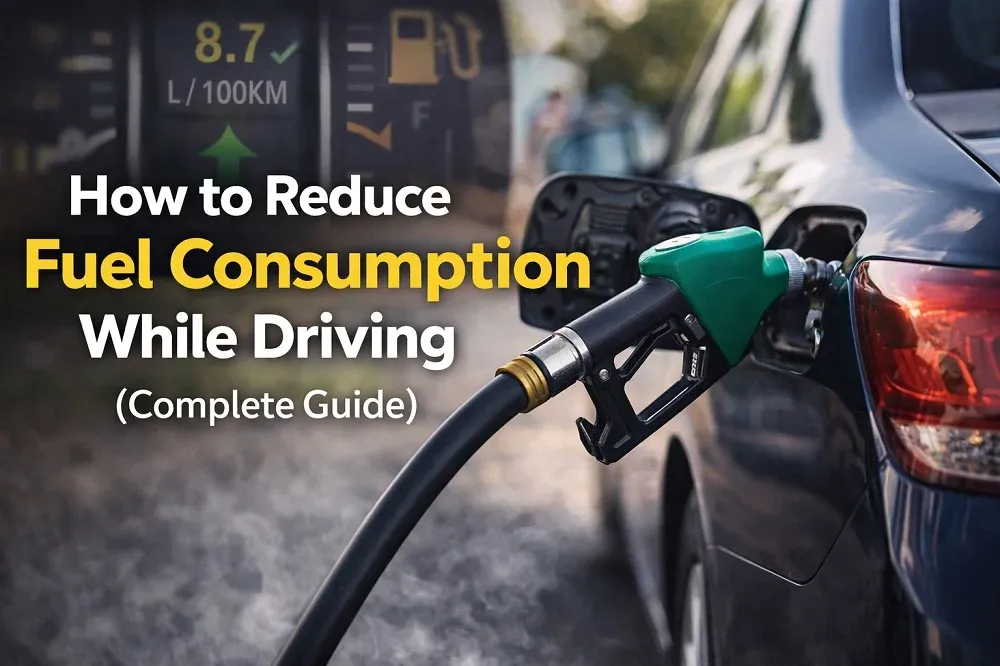
Fuel expenses are one of the biggest ongoing costs for drivers, especially for those who use their vehicles daily. With increasing fuel prices, adopting smarter driving habits and choosing the right vehicle can make a significant difference. In this guide, you’ll learn practical ways to reduce fuel consumption, understand which vehicles are more fuel-efficient, and discover how to make the right buying decision.
Why Reducing Fuel Consumption Matters
Lowering fuel consumption is not just about saving money. It also helps reduce your carbon footprint, protects your engine from unnecessary wear, and improves overall driving efficiency. By making small but consistent changes, you can achieve long-term savings and better vehicle performance.
Top Tips to Reduce Fuel Consumption
1. Drive in Higher Gears
Using higher gears whenever possible helps keep the engine at lower RPM levels, which directly improves fuel efficiency. Avoid staying in lower gears longer than necessary.
2. Avoid Excessive Idling
Leaving your engine running while parked wastes fuel. If you expect to wait for more than a minute, it’s better to turn off the engine and restart when needed.
3. Maintain Your Vehicle Regularly
Routine maintenance plays a crucial role in fuel economy. Ensure that your vehicle receives regular oil changes, engine checks, and system diagnostics. A well-maintained engine runs more efficiently and consumes less fuel.
4. Reduce Extra Weight
Carrying unnecessary items increases the load on your engine. This leads to higher fuel usage. Keep your vehicle light by removing unused cargo and avoiding overloading.
5. Drive Smoothly
Aggressive driving habits such as sudden acceleration and hard braking significantly increase fuel consumption. Smooth and steady driving helps maintain optimal fuel efficiency.
6. Keep Air and Oil Filters Clean
Dirty or clogged filters restrict airflow to the engine, forcing it to burn more fuel. Regularly replacing or cleaning filters ensures better combustion and improved mileage.
7. Maintain Optimal Speed
Every vehicle has an ideal speed range where it consumes the least fuel. Driving too fast or too slow increases fuel usage. Try to maintain a consistent and moderate speed.
8. Use Air Conditioning Wisely
Air conditioning increases engine load, especially at lower speeds. Use it only when necessary and consider natural ventilation when possible to reduce fuel strain.
9. Check Tire Pressure Regularly
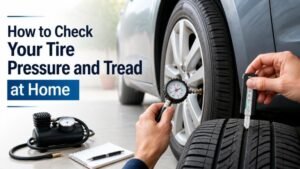
Underinflated tires increase rolling resistance, which leads to higher fuel consumption. Always keep your tires at the recommended pressure levels for optimal performance.
10. Limit Open Windows and Sunroof Usage
Driving with open windows or a sunroof at high speeds increases aerodynamic drag. This forces the engine to work harder, resulting in increased fuel consumption.
Which Vehicles Consume Less Fuel?
Choosing a fuel-efficient vehicle is just as important as adopting good driving habits. Here are the most efficient options:
- Small engine vehicles – Generally consume less fuel due to lower power requirements
- Hybrid vehicles – Combine electric and fuel power for maximum efficiency, especially in city driving
- Diesel vehicles – Offer better mileage on long-distance drives
- Electric vehicles (EVs) – Eliminate fuel costs entirely and are ideal for eco-conscious users
👉 Hybrid and electric cars are among the best choices for reducing long-term fuel expenses.
How to Choose the Right Vehicle
When buying a car, fuel efficiency should be one of your main considerations—but not the only one. You should also evaluate:
- Your driving habits (city vs highway use)
- Maintenance and service costs
- Comfort and technology features
- Resale value
For city driving, compact petrol or hybrid cars are ideal. For long distances, diesel or electric vehicles may provide better efficiency and savings.
Final Thoughts
Reducing fuel consumption is achievable with a combination of smart driving habits and the right vehicle choice. By following the tips above, you can lower your fuel expenses, extend your vehicle’s lifespan, and contribute to a cleaner environment.
👉 Remember: Small changes in driving behavior can lead to big savings over time.
Frequently Asked Questions
What is the most effective way to reduce fuel consumption while driving?
The most effective way to reduce fuel consumption is by adopting smooth and consistent driving habits. Avoiding sudden acceleration and harsh braking helps the engine operate more efficiently and reduces unnecessary fuel usage. In addition, maintaining a steady speed and using higher gears whenever possible keeps the engine RPM low, which significantly improves fuel economy. Combining these habits with regular vehicle maintenance can lead to noticeable long-term savings.
Does vehicle maintenance really affect fuel efficiency?
Yes, regular vehicle maintenance plays a crucial role in fuel consumption. A poorly maintained engine has to work harder, which increases fuel usage. Keeping components such as air filters, oil filters, spark plugs, and tires in good condition ensures optimal engine performance. Even something as simple as maintaining proper tire pressure can improve fuel efficiency by reducing rolling resistance and preventing unnecessary strain on the engine.
Which type of car is best for low fuel consumption?
The best type of car depends on your driving needs, but generally, hybrid and electric vehicles offer the lowest fuel consumption. Hybrid cars are especially efficient in city driving because they use electric power at low speeds, reducing fuel usage. For long-distance driving, diesel vehicles are often more economical, while electric vehicles can eliminate fuel costs entirely. Smaller engine cars also tend to consume less fuel compared to larger, more powerful vehicles.
Does using air conditioning increase fuel consumption?
Yes, using air conditioning can increase fuel consumption because it adds extra load to the engine. This effect is more noticeable during low-speed or city driving. However, at higher speeds, driving with open windows may create aerodynamic drag, which can also increase fuel consumption. The best approach is to use air conditioning moderately and balance it with ventilation based on driving conditions.
How does driving speed impact fuel consumption?
Driving speed has a direct impact on fuel efficiency. Every vehicle has an optimal speed range where fuel consumption is minimized—typically between moderate speeds rather than very slow or very fast driving. Driving too fast increases air resistance, while driving too slow in low gears can raise engine RPM unnecessarily. Maintaining a stable and moderate speed not only reduces fuel consumption but also improves overall driving safety and comfort.