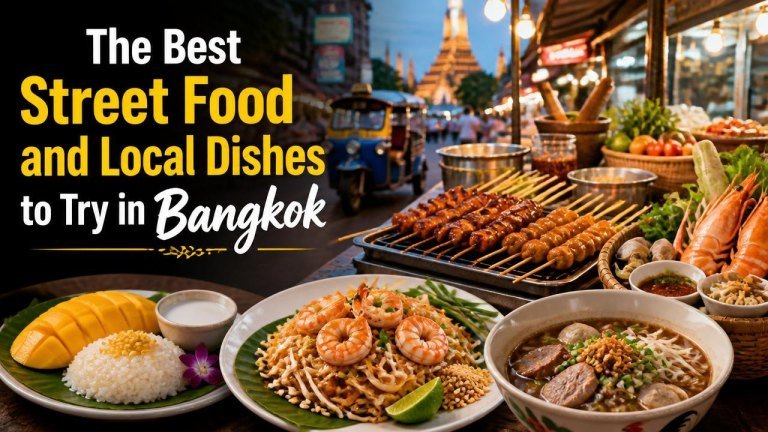
Bangkok is one of the world’s great food cities, and its most memorable meals are often served from a cart, a market stall, or a small shophouse with plastic stools. The city’s food culture is shaped by Thai regional traditions, Chinese-Thai cooking, fresh market ingredients, and quick, high-heat preparation.
You do not need a strict restaurant itinerary to eat well here. Instead, follow the aromas, look for busy stalls, and order small portions so you can try several dishes in one outing. From a smoky plate of pad kra pao to a bowl of boat noodles, Bangkok rewards curious eaters.
What Makes Bangkok Street Food Special?
Bangkok street food is more than a convenient meal. It is part of everyday city life, from early-morning rice porridge and grilled pork to late-night noodle soups and sweet snacks. Many vendors focus on one signature dish and prepare it repeatedly, building skill through consistency rather than a long menu.
The city also brings together flavors from across Thailand. You will find fiery dishes from the northeast, coconut-rich southern curries, central Thai stir-fries, and Chinese-influenced noodles and roasted meats. The best way to explore is to combine savory dishes, spicy salads, and something sweet.
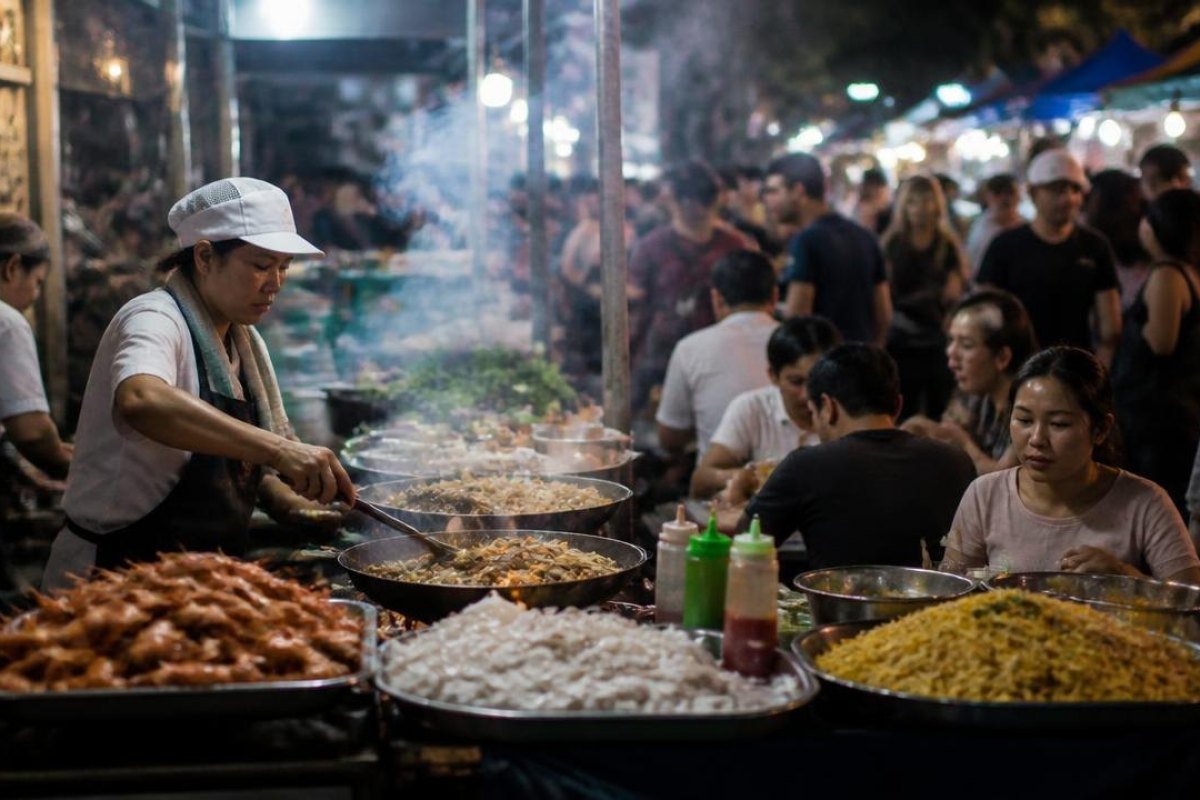
The Best Local Dishes to Try in Bangkok
Start with familiar favorites, then move toward dishes that reveal more of Bangkok’s culinary character. Portions are often manageable, so a single food walk can include several different tastes and textures.
Pad Thai
Pad Thai is made with stir-fried rice noodles, egg, tofu, tamarind, bean sprouts, and usually dried shrimp or another protein. At a good stall, the noodles should be fragrant rather than greasy, with a balance of sweet tamarind, salty seasoning, and fresh lime.
It is often served with crushed peanuts, chilli flakes, and additional lime so you can adjust the flavor yourself. Try it as part of a wider meal rather than assuming every version will taste the same.
Pad Kra Pao
Pad kra pao is one of Bangkok’s most satisfying quick meals: minced or sliced meat stir-fried with holy basil, garlic, and chillies, then served over rice. A crispy fried egg is a popular addition, creating a rich contrast with the spicy basil sauce and savory meat.
When ordering, you may be asked to choose the protein and level of heat. If you are sensitive to chilli, ask for less spicy, but remember that even a mild version can still have a noticeable kick.
Som Tam
Som tam is a green papaya salad prepared in a mortar with lime, fish sauce, palm sugar, chillies, and other ingredients. Variations may include peanuts, dried shrimp, salted egg, or fermented fish-based seasoning.
The dish is known for its lively combination of crunchy papaya, sharp lime, and fresh chilli heat. It is often paired with sticky rice and grilled chicken or pork. Ask about the ingredients if you have concerns about seafood, fermented products, or strong flavors.
Tom Yum
Tom yum is a hot and sour soup flavored with lemongrass, galangal, kaffir lime leaves, lime juice, and chillies. You may find versions with prawns, fish, chicken, or mushrooms, and the broth can be clear or creamy.
The most appealing bowls have a fragrant broth in which the herbal aromas, sour citrus, and chilli heat remain distinct. It is especially enjoyable with steamed rice.
Boat Noodles
Boat noodles are small bowls of intensely flavored noodles traditionally associated with canal-side vendors. The broth may contain herbs, spices, meat, vegetables, and a rich seasoning base, while the noodles and toppings vary by stall.
Because the portions are small, boat noodles are ideal for sampling. Order more than one bowl if you want a full meal, or use them as part of a food crawl. Look for deeply seasoned broth, tender meat, and fresh toppings.
Kuay Teow
Thai noodle soup, commonly called kuay teow, is one of the easiest dishes to personalize. Choose the noodle type, then look for options with pork, beef, chicken, seafood, meatballs, or vegetables.
Condiment trays usually include chilli, sugar, vinegar, and fish sauce. Add them gradually so you can taste the original broth first. Regional and vendor differences are part of the fun, particularly in local noodle shops and busy market lanes.
Moo Ping and Gai Yang
Moo ping is marinated grilled pork on skewers, while gai yang is grilled chicken often served with a spicy dipping sauce. Both are convenient snacks and can be eaten with sticky rice.
Choose skewers that are cooked to order or kept hot, with a lightly charred exterior and a juicy interior. The combination of smoky grill flavor, sweet marinade, and chilli dipping sauce makes these excellent introductions to Thai street food.
Khao Man Gai
Khao man gai consists of poached chicken served over rice cooked with stock and chicken fat. It usually comes with cucumber, broth, and a pungent sauce made with ingredients such as fermented soybean, ginger, garlic, and chilli.
This is a relatively gentle dish compared with many Thai specialties, but the sauce adds plenty of character. Look for stalls with a steady stream of customers and freshly prepared chicken.
Hoy Tod
Hoy tod is a crisp, savory omelette or pancake made with oysters or mussels, eggs, and a starchy batter. The edges should be browned and crunchy while the seafood remains tender.
You will often find it in Bangkok’s older food districts and Chinese-Thai neighborhoods. Eat it hot, when the contrast between crisp batter, soft egg, and briny seafood is at its best.
Guay Jub
Guay jub is a peppery noodle soup made with rolled rice noodles, pork, crispy pork, tofu, and other toppings. The broth is warming and aromatic, with a distinct white-pepper character.
It is particularly associated with Bangkok’s Chinatown area, where small shops and evening stalls serve hearty bowls. This is a good choice when you want something comforting, savory, and less focused on chilli heat.
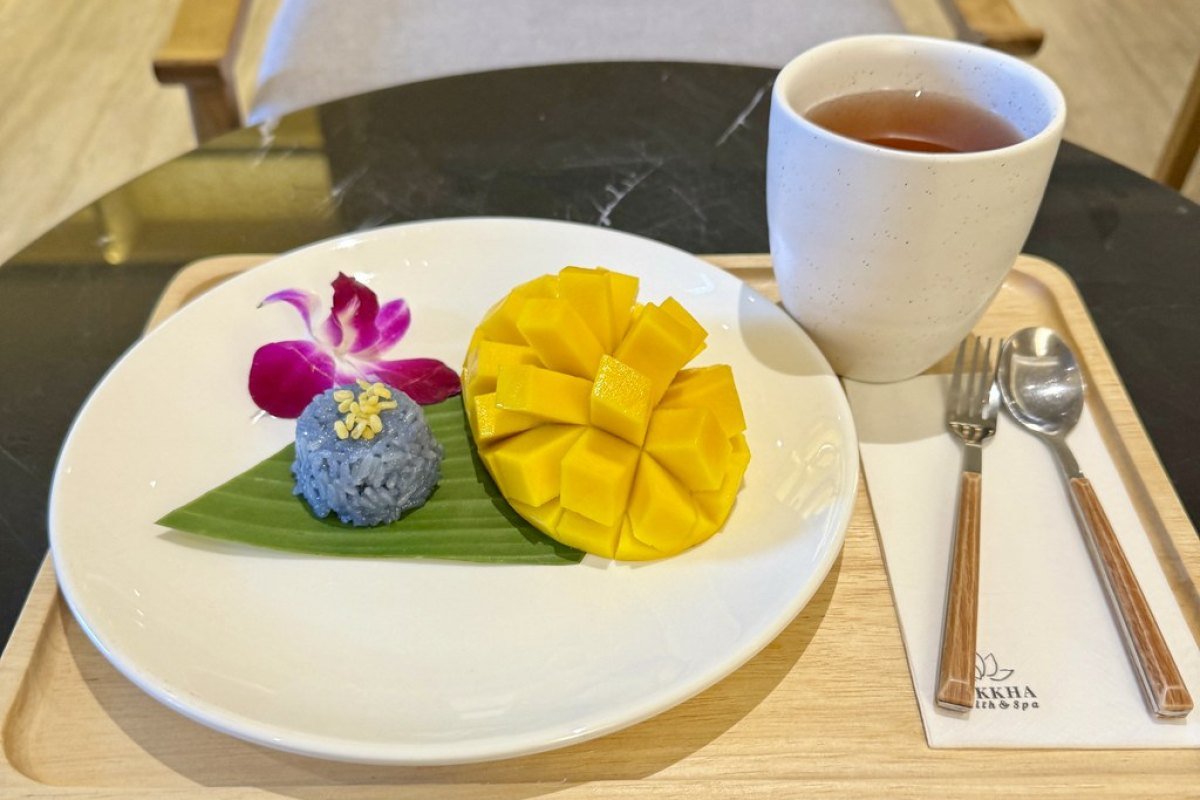
Mango Sticky Rice
Mango sticky rice is a classic Thai dessert of ripe mango, sweet coconut-infused sticky rice, and coconut cream. It is simple, but the quality depends on the balance between fragrant fruit, creamy coconut, and properly cooked rice.
Look for mango that is ripe but not watery and sticky rice that is soft without becoming mushy. It makes an excellent finish after a spicy meal and is widely available in markets, food courts, and dessert stalls.
Where to Find the Best Street Food in Bangkok
Bangkok’s food scene changes by neighborhood and time of day. Some areas are known for evening grazing, while others are best visited in the morning or around lunchtime. Vendor schedules can change, so check locally before making a special journey.
Yaowarat and Bangkok Chinatown
Yaowarat is one of Bangkok’s most famous food districts, particularly after dark. Its streets are known for Chinese-Thai flavors, seafood, noodle soups, grilled snacks, desserts, and busy evening crowds.
Come hungry and share dishes when possible. The area can be crowded and noisy, so walk carefully, keep valuables secure, and avoid blocking stall entrances while deciding what to order.
Old Town and the Samran Rat Area
The historic center around Bangkok’s Old Town is a strong choice for classic Thai dishes and long-established shophouses. The Samran Rat area is especially associated with well-known noodle and stir-fried dishes.
This is a useful area for combining food with temples, historic streets, and evening walks. Explore beyond the most famous names to find small family-run shops, traditional recipes, and less crowded side streets.
Nang Loeng Market
Nang Loeng Market is a historic market known for traditional food and old Bangkok atmosphere. It is a good place to look for prepared dishes, snacks, and desserts that are less associated with the international image of Bangkok street food.
Visit during the daytime and be prepared for a more local market experience. Opening days and hours may vary, so verify current details before visiting. Allow time to explore the surrounding wooden shophouses and heritage streets.
Bang Rak and Silom
Bang Rak and Silom offer a mixture of street stalls, markets, food courts, and casual restaurants. The area is convenient for travelers staying near the central business district and is a practical place to try noodles, rice dishes, grilled meats, and Thai desserts.
Weekday lunch can be particularly lively, while some stalls may operate mainly in the morning or evening. Follow the crowds, but also look for freshly cooked food and a clean, well-organized preparation area.
Banthat Thong Road
Banthat Thong Road has become a popular destination for casual dining, snacks, desserts, and modern interpretations of Thai comfort food. It offers a more restaurant-like experience in places, but the atmosphere remains informal and food-focused.
This is a useful option when you want plenty of choice in one area. Expect queues at popular businesses, especially during peak periods, and check current operating arrangements before traveling across the city.
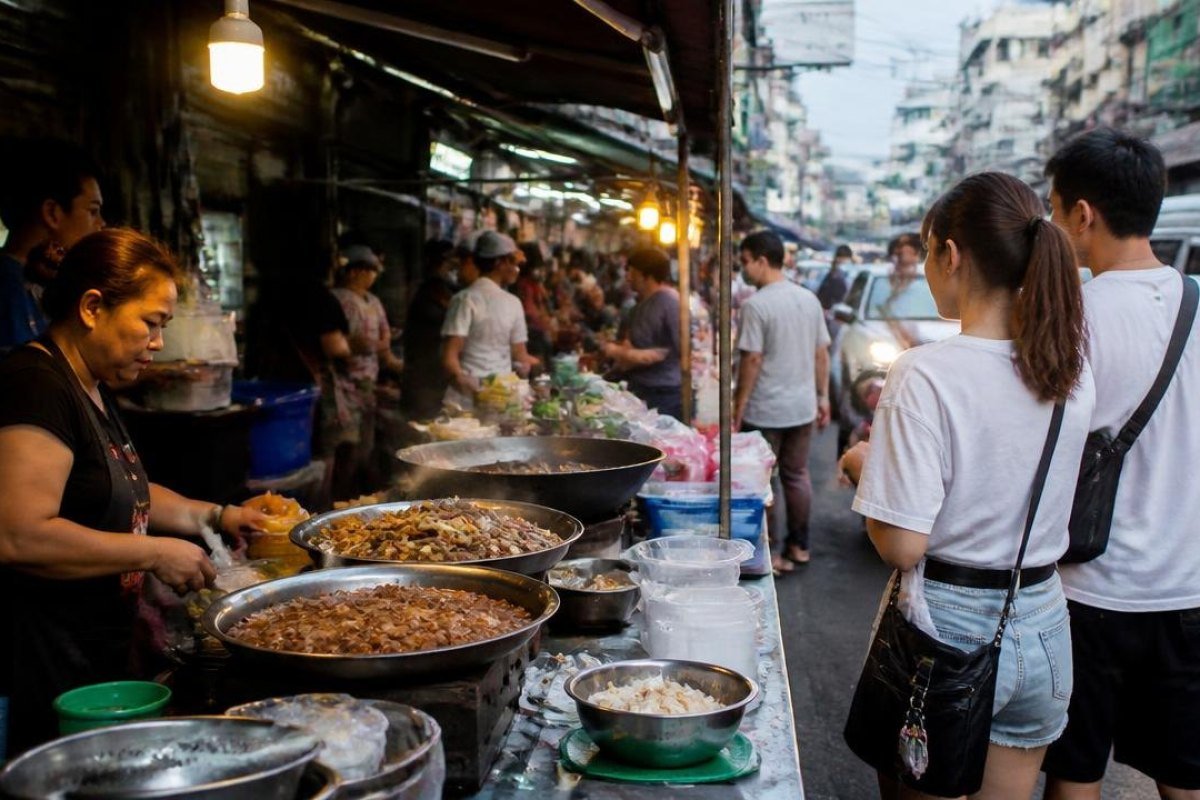
How to Order Street Food in Bangkok
You can enjoy most stalls without speaking Thai, especially where ingredients are displayed or dishes are prepared in front of you. Pointing, using a translation app, or showing a photo can help when menus are not available in English.
- Start by observing what other customers are ordering.
- Say the dish name slowly and indicate the quantity you want.
- Ask for less chilli if you are unsure about the heat level.
- Specify chicken, pork, beef, seafood, or vegetarian preferences.
- Check whether the price is for a portion, skewer, bowl, or plate.
- Keep small cash available, while remembering that payment methods differ by vendor.
A useful phrase is “mai phet”, meaning “not spicy.” You can also ask for “phet nit noi”, or “a little spicy.” These requests may be interpreted differently from stall to stall, so begin cautiously if you are not used to Thai chillies.
Street Food Etiquette and Practical Tips
Street food is casual, but a little awareness makes the experience smoother for everyone. Take only the seating you need, return shared condiments, and avoid lingering at a busy table after finishing.
Choose stalls where food is cooked at a high temperature and turnover is strong. Watch how ingredients are stored, keep raw and cooked foods separate when possible, and use bottled or treated water if you are uncertain about drinking water. Travelers with allergies should communicate clearly, especially regarding peanuts, shellfish, fish sauce, and fermented ingredients.
Bangkok’s heat can make spicy food feel even more intense. Carry water, pace yourself, and alternate rich dishes with fruit, soup, or rice. If a vendor has a local food-safety certification displayed, that may provide additional reassurance, but normal food hygiene awareness remains important.
A Simple Bangkok Food Crawl
For a first introduction, begin with a light breakfast such as rice porridge, grilled pork, or a noodle soup. At lunchtime, try pad kra pao, khao man gai, or a bowl of kuay teow.
In the afternoon, take a break with Thai iced tea, fresh fruit, or mango sticky rice. In the evening, explore Yaowarat, Old Town, or another busy food district and share several dishes: grilled skewers, stir-fried noodles, spicy salad, and a dessert.
Do not attempt to eat every famous dish in one night. Bangkok is best enjoyed through repeated small discoveries, with time to notice how different vendors handle the same recipe.
Final Advice for Eating Well in Bangkok
The most rewarding Bangkok food experiences usually come from flexibility. A famous stall may be closed, a queue may be longer than expected, or a quiet side-street shop may become the highlight of your evening.
Use popular neighborhoods as starting points, but trust your senses: a busy stall, fast turnover, clean preparation, and food cooked fresh are encouraging signs. Try beyond pad Thai, ask for local recommendations, and leave room for dishes you have never seen before. With an open mind and a little patience, Bangkok’s street food culture, regional flavors, and everyday hospitality can become one of the defining memories of your trip.