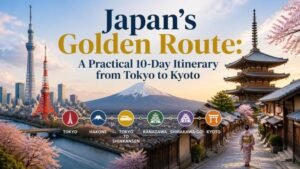
Why Tokyo, Kyoto, and Osaka Make an Excellent First Japan Trip
For a first visit to Japan, this three-city route offers a balanced introduction to the country. Tokyo brings futuristic energy, vast neighborhoods, and world-class museums. Kyoto reveals historic streets, temples, gardens, and traditional culture. Osaka adds a relaxed urban atmosphere, famous street food, and lively evening districts.
The cities are well connected by Japan’s extensive rail network, making it possible to experience very different sides of the country without changing hotels every night. A comfortable first itinerary usually allows several nights in each city rather than trying to see everything at speed.
Keep your first trip flexible. Popular attractions may require advance reservations, seasonal events can affect crowds, and opening days or visiting procedures can change. Check official attraction and transport information shortly before you travel.

Planning Your Japan Itinerary
Start by deciding whether you want to arrive in Tokyo and depart from the Kansai region, or complete a round trip from Tokyo. An open-jaw itinerary can reduce backtracking, while a practical Japan itinerary by train can help you plan a return flight from Tokyo and compare your options depending on your departure city.
How Many Days Do You Need?
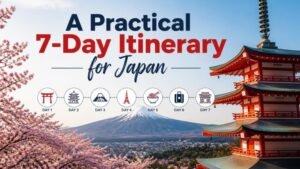
With seven days, you can create a fast introduction to all three cities. A more comfortable plan is ten to fourteen days, giving you time for neighborhoods, unplanned discoveries, and slower mornings.
A useful structure is three or four nights in Tokyo, two or three nights in Kyoto, and two or three nights in Osaka. If you enjoy temples, gardens, and traditional architecture, give Kyoto extra time. If food, shopping, nightlife, and day trips appeal most, Osaka may deserve a longer stay.
When to Visit
Japan is a year-round destination, but each season changes the experience. Spring blossoms can bring heavy demand, while autumn foliage is popular in Kyoto and other historic areas. Summer is often hot and humid, and winter can be crisp with shorter daylight hours.
Before booking, check the likely weather, public holidays, festival dates, and accommodation demand for your travel period. During busy seasons, reserve hotels and popular experiences earlier than usual.
Getting Around Japan with Less Stress
Japan’s rail system is generally the easiest way to connect Tokyo, Kyoto, and Osaka. The Shinkansen is useful for intercity travel, while local trains and subways are usually the most practical options within major cities.
Trains, IC Cards, and Tickets
Rechargeable IC cards can simplify many train, subway, and bus journeys, although acceptance and purchase procedures may vary by region or current availability. Keep a small amount of cash as a backup, especially for smaller businesses and some local transport services.
Do not automatically assume that a nationwide rail pass is the cheapest choice. Compare the cost of your intended long-distance journeys with available regional passes and individual tickets. Use official railway websites or station staff for current fares, reservations, luggage policies, and service changes.
Traveling with Luggage
Large suitcases can be inconvenient on crowded trains and in compact hotel rooms. Consider using luggage delivery between hotels, packing a smaller overnight bag for your next city, or choosing accommodation close to a major station.
In Kyoto especially, combining trains, subways, and buses can be more efficient than relying on one transport type. Allow extra time at large stations, follow signs carefully, and avoid blocking corridors or boarding areas.

What to Do in Tokyo
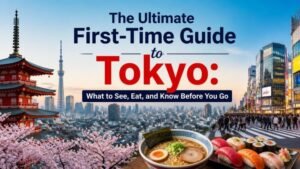
Tokyo rewards visitors who explore by neighborhood instead of treating the city as one enormous sightseeing list. A 7-day Tokyo itinerary can help you choose a few areas each day and leave room for cafés, department stores, quiet lanes, and local restaurants.
Best Areas for First-Time Visitors
Asakusa is a natural starting point for historic Tokyo, with temple architecture, traditional shops, and access to the Sumida waterfront. Shibuya and Harajuku combine fashion, youth culture, parks, and famous city views. Shinjuku offers department stores, observation points, restaurants, and a lively evening scene.
For a different side of the capital, explore Ueno’s museums and park, the electronics and anime culture of Akihabara, or the more relaxed streets around Kichijoji and Nakameguro. Tokyo’s appeal lies as much in the contrasts between districts as in its landmark attractions.
Tokyo Experiences Worth Making Time For
Consider booking a food tour, visiting a museum, seeing a traditional performance, or enjoying a neighborhood market. A river cruise or a walk through one of the city’s gardens can provide a welcome pause from busy shopping streets.
Tokyo’s public transport is extensive, but distances can still be tiring. Group nearby attractions together, wear comfortable shoes, and avoid scheduling too many reservations on the same day.
What to Do in Kyoto
Kyoto is best experienced with an early start and a respectful, unhurried approach. Its most famous temples and streets can become crowded, so visit popular sites early, later in the afternoon, or during quieter seasons when possible.
Kyoto Highlights
Fushimi Inari is known for its long paths of vermilion torii gates. Arashiyama combines a bamboo grove, temple areas, river scenery, and nearby gardens. A Kyoto neighborhood guide can help you connect historic temples and lanes on foot, including the areas near Kiyomizu-dera and Gion.
Do not limit your visit to famous photo locations. Kyoto’s smaller gardens, craft shops, morning programs, tea experiences, and less-visited neighborhoods can create a more meaningful impression of the city.
Responsible Sightseeing in Kyoto
Kyoto is a living city, not an open-air theme park. Respect residential streets, keep voices low, follow photography rules, and never stop or follow geiko or maiko for unauthorized photos. Stay on marked paths and do not touch or carve natural or historic features.
Use official taxi stands or reputable ride-hailing services, particularly when arriving with luggage or traveling late. Before visiting, review current congestion guidance and transport conditions for your planned areas.

What to Do in Osaka
Osaka is often the most relaxed city on this route. It is known for its food culture, direct local character, shopping districts, and energetic nightlife. It also works well as a base for selected day trips in the Kansai region.
Osaka Neighborhoods to Explore
Dotonbori is famous for bright signs, restaurants, and canal-side energy. Shinsekai offers a retro atmosphere and local dining, while Umeda provides department stores, modern architecture, and convenient transport connections.
For history and calmer sightseeing, consider Osaka Castle’s surrounding park, Shitennoji, or the museums and cultural institutions around Nakanoshima. Check each attraction’s current schedule before visiting, as closure days and entry arrangements vary.
Eating in Osaka
Try local specialties such as takoyaki, okonomiyaki, kushikatsu, and fresh seafood. Busy restaurants may use ticket machines, standing counters, or limited English menus, so having a translation app and a screenshot of your hotel address can be useful.
Eat where permitted, follow staff instructions, and remember that some restaurants are small and cannot accommodate large luggage or groups without notice.
Practical Japan Travel Tips for First-Time Visitors
Small habits make travel smoother. Carry a portable battery, keep your hotel address in Japanese, and download offline maps before leaving reliable Wi-Fi. A compact umbrella and comfortable walking shoes are useful in every season.
Etiquette to Know
On trains, use quiet voices, queue behind marked lines, and avoid eating strong-smelling food in crowded carriages. Remove shoes where requested, ask before photographing people or private spaces, and follow temple and shrine procedures.
Tipping is not generally expected in everyday restaurants, taxis, or hotels. Instead, show appreciation through polite behavior. When visiting shrines, observe the washing and offering customs without treating the site as a stage for photographs.
Money, Connectivity, and Safety
Credit cards are widely accepted in cities, but some small restaurants, markets, and rural businesses may prefer cash. Use official ATMs, keep emergency contact details accessible, and consider a travel eSIM or pocket Wi-Fi for navigation.
Japan is generally convenient for independent travel, but weather and natural events can affect transport. Check official alerts during typhoons, heavy rain, earthquakes, or extreme heat, and follow instructions from local authorities and transport operators.
A Simple First-Time Japan Route
For a balanced trip, begin with Tokyo’s modern districts, continue to Kyoto’s historic neighborhoods, and finish in Osaka’s food-focused streets. This direction creates a natural progression from fast-paced city exploration to cultural sightseeing and relaxed evening dining.
Plan only one or two major attractions per day, then add flexible time for neighborhoods and meals. The most memorable moments may come from a small ramen shop, a quiet temple garden, a train ride through an unfamiliar district, or an unplanned conversation.
Japan is easy to revisit, so your first journey does not need to include every famous landmark. Choose experiences that match your interests, travel thoughtfully, and leave enough space to enjoy the country at its own pace.