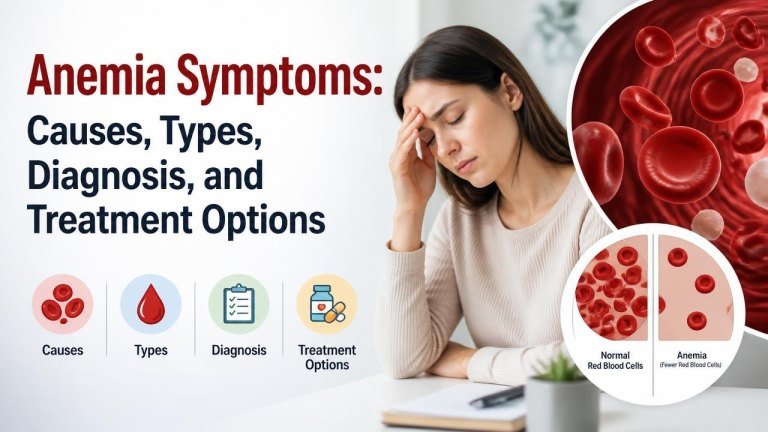
Anemia occurs when the blood does not carry enough oxygen to meet the body’s needs. It may develop gradually or appear suddenly, and its symptoms can range from mild tiredness to serious breathing or heart problems. Understanding the possible causes and treatment options can help you know when to seek medical advice.
What Is Anemia?
Anemia is a condition involving a low number of healthy red blood cells or an insufficient amount of hemoglobin, the protein that carries oxygen. As a result, organs and tissues may receive less oxygen. Common effects include fatigue, reduced concentration, and shortness of breath.
Anemia is not a single disease. It is a sign that may result from nutritional deficiencies, blood loss, chronic illness, inherited conditions, or problems affecting red blood cell production and destruction.
Common Anemia Symptoms
Symptoms can vary depending on the severity of anemia, how quickly it develops, and the underlying cause. Mild anemia may cause few noticeable problems, while more significant anemia can interfere with everyday activities.
- Persistent tiredness or low energy
- Pale or grayish skin, especially in the face, lips, or inside the eyelids
- Shortness of breath during activity or, in more severe cases, at rest
- Dizziness, lightheadedness, or headaches
- Fast or irregular heartbeat
- Cold hands and feet
- Difficulty concentrating or feeling unusually irritable
- Weakness or reduced exercise tolerance
Symptoms That May Point to a Specific Cause
Some symptoms offer clues about the type or cause of anemia. For example, ice craving can occur with iron deficiency, while numbness or tingling may be associated with vitamin B12 deficiency. Yellowish skin or eyes can sometimes occur when red blood cells are being destroyed too quickly.
Changes such as heavy menstrual bleeding, black or bloody stools, unexplained weight loss, or persistent digestive symptoms should be discussed with a healthcare professional.
When to Seek Medical Care
Make an appointment if you have ongoing fatigue, unexplained weakness, frequent dizziness, or other symptoms that affect your daily life. Anemia can have several causes, so self-treating with supplements may delay the correct diagnosis.
Seek urgent medical help for chest pain, severe difficulty breathing, fainting, confusion, or a very rapid heartbeat. These symptoms may indicate that the body is not receiving enough oxygen or that another serious condition is present.
Common Causes of Anemia
Anemia generally develops because the body does not make enough red blood cells, loses blood, or destroys red blood cells faster than it can replace them. Identifying the cause is essential because treatment depends on the underlying problem.
Iron-Deficiency Anemia
Iron deficiency is one of the most common causes of anemia. The body needs iron to produce hemoglobin. It may result from inadequate dietary iron, increased needs during pregnancy or growth, reduced absorption, or ongoing blood loss.
Possible sources of blood loss include heavy menstrual periods, gastrointestinal bleeding, frequent blood donation, or certain medical conditions. In adults, unexplained iron-deficiency anemia often requires evaluation for hidden bleeding.
Vitamin-Deficiency Anemia
Low levels of vitamin B12 or folate can interfere with normal red blood cell formation. Vitamin B12 deficiency may be related to limited intake, absorption problems, or certain stomach and intestinal conditions. Folate deficiency can result from poor intake, increased nutritional needs, or problems affecting absorption.
Because vitamin B12 deficiency can affect the nervous system, symptoms such as balance problems, memory changes, or persistent tingling should receive medical attention.
Anemia Related to Chronic Conditions
Long-term conditions such as kidney disease, inflammatory disorders, infections, and cancer can affect red blood cell production. This type of anemia may involve reduced red blood cell production or changes in how the body uses iron.
Treatment usually focuses on the underlying illness rather than taking iron automatically. Iron supplements may not help when iron deficiency is not the cause.
Inherited and Other Types of Anemia
Some anemias are inherited. Examples include sickle cell disease and thalassemia, which affect hemoglobin or the structure of red blood cells. Other types may result from immune reactions, medications, toxins, infections, or conditions that cause red blood cells to break down prematurely.

These conditions may require specialist care, genetic assessment, ongoing monitoring, or treatments designed for the specific disorder.
How Anemia Is Diagnosed
Diagnosis begins with a medical history and physical examination. A clinician may ask about diet, menstrual or other bleeding, digestive symptoms, medications, family history, pregnancy, and chronic health conditions.
A complete blood count measures hemoglobin, hematocrit, red blood cell size, and other blood components. Additional tests may include iron studies, vitamin B12 and folate levels, kidney function tests, blood cell examination, or tests for bleeding.
In some situations, doctors may recommend gastrointestinal testing, gynecological evaluation, genetic testing, or a bone marrow examination. The tests depend on the person’s age, symptoms, medical history, and initial results.
Anemia Treatment Options
Treatment is based on the cause, severity, and overall health of the individual. A healthcare professional may recommend one approach or combine several treatments.
Dietary Changes and Supplements
Iron-deficiency anemia may improve with prescribed or recommended iron supplements and foods such as meat, seafood, beans, lentils, fortified grains, and leafy green vegetables. Vitamin C can help the body absorb plant-based iron, while some drinks and supplements may reduce absorption when taken at the same time.
Vitamin B12 or folate deficiency may require oral supplements, dietary changes, or injections, depending on the cause and the body’s ability to absorb these nutrients. Do not take high-dose supplements without medical guidance, especially if the cause of anemia has not been confirmed.
Treating the Underlying Condition
If anemia results from blood loss, inflammation, kidney disease, or another medical problem, treatment must address that source. Options may include managing heavy bleeding, treating digestive disease, adjusting a medication, or using therapies that support red blood cell production in selected cases.
Severe anemia or major blood loss may require hospital treatment and, in some circumstances, a blood transfusion. Transfusions are used according to clinical need and do not replace investigation of the underlying cause.
Living With and Preventing Anemia
A balanced diet containing iron, vitamin B12, folate, protein, and other nutrients can support healthy blood production. People with increased nutritional needs or absorption problems should ask a healthcare professional whether screening or supplements are appropriate.
Keep follow-up appointments and repeat blood tests when advised. Improvement in symptoms may occur before blood counts fully recover, so stopping treatment early can allow anemia to return. Report ongoing bleeding, worsening fatigue, or new symptoms promptly.
Frequently Asked Questions
Can anemia cause tiredness even after sleeping?
Yes. Reduced oxygen delivery can cause persistent fatigue and weakness that sleep does not fully relieve. However, fatigue also has many other causes, so blood testing is needed to determine whether anemia is involved.
Is anemia always caused by low iron?
No. Anemia may result from vitamin deficiencies, chronic disease, inherited conditions, blood loss, or increased red blood cell destruction. Taking iron without confirming iron deficiency may be ineffective or harmful.
How long does anemia treatment take?
The timeline varies according to the cause and severity. Some people notice improved energy within weeks, while restoring blood counts and nutrient stores may take longer. Follow-up testing helps confirm that treatment is working.
Key Takeaway
Anemia symptoms often include fatigue, weakness, pale skin, dizziness, shortness of breath, and a fast heartbeat, but the condition can have many different causes. The most important steps are obtaining an accurate diagnosis, treating the underlying problem, and following up with recommended testing. Seek urgent care for severe breathing problems, chest pain, fainting, or confusion.