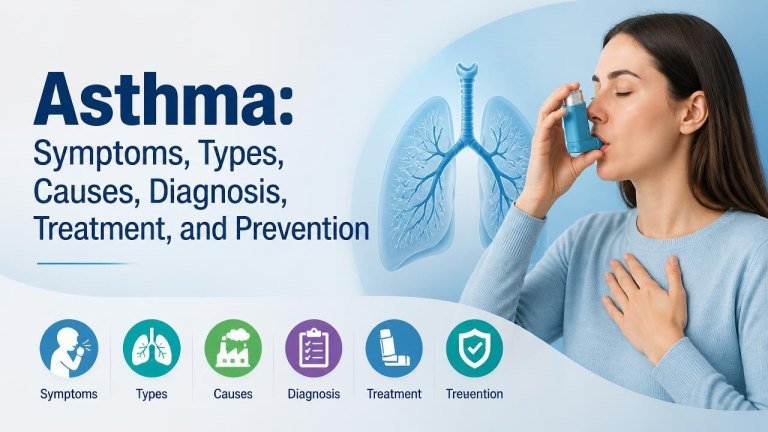
Asthma is a long-term condition that causes inflammation and narrowing of the airways. Symptoms can vary from occasional mild discomfort to serious breathing difficulty, but with the right care, many people manage asthma successfully and stay active.
What Is Asthma?
Asthma affects the tubes that carry air into and out of the lungs. During an asthma episode, the airways may become inflamed, the surrounding muscles may tighten, and extra mucus can make breathing more difficult. These changes may cause wheezing, coughing, chest tightness, or shortness of breath.
Asthma is often a variable condition. Some people have symptoms every day, while others notice them only after exercise, exposure to allergens, respiratory infections, or other triggers. A personalized asthma action plan can help manage symptoms and respond to worsening breathing.
Common Asthma Symptoms
Asthma symptoms may develop gradually or appear suddenly. Common signs include:
- Wheezing, which may sound like a whistling noise when breathing
- Shortness of breath or difficulty getting enough air
- Chest tightness or pressure
- A recurring cough, particularly at night, early in the morning, or after exercise
- Fatigue or reduced stamina caused by disrupted breathing or sleep
Symptoms may be worse at night, during cold weather, or after contact with a personal trigger. A cough may sometimes be the main symptom, even when wheezing is absent.
When Asthma Symptoms Are an Emergency
Seek urgent medical help if breathing becomes severely difficult, symptoms worsen quickly, or usual relief medicine does not help. Warning signs can include difficulty speaking in full sentences, bluish lips or fingertips, confusion, extreme drowsiness, or visible struggle to breathe. Severe symptoms require emergency care rather than self-treatment alone.
Types of Asthma
Asthma can be described in several ways based on its triggers, timing, and severity. A person may have more than one pattern.
- Allergic asthma: Symptoms are linked to allergens such as pollen, dust mites, mold, or animal dander.
- Nonallergic asthma: Symptoms may be triggered by infections, stress, smoke, weather changes, or strong odors without a clear allergy.
- Exercise-induced asthma: Breathing symptoms occur during or after physical activity.
- Occupational asthma: Symptoms develop because of substances encountered at work, including dust, fumes, chemicals, or certain proteins.
- Cough-variant asthma: A persistent cough is the main symptom, while wheezing may be minimal or absent.
- Childhood-onset or adult-onset asthma: Asthma can begin at different stages of life and may change over time.
Asthma Causes and Triggers
The exact cause of asthma is not always clear. It may develop through a combination of genetic factors, airway sensitivity, allergies, and environmental exposure. Having a family history of asthma or allergies can increase the likelihood of developing the condition.
Triggers do not cause asthma in every person, but they can provoke symptoms in someone with sensitive airways. Common triggers include acid reflux:
- Allergens such as pollen, dust mites, mold, and pet dander
- Tobacco smoke, vaping aerosols, air pollution, and strong fumes
- Respiratory infections, including colds
- Cold or dry air and sudden weather changes
- Exercise, especially in cold or poorly humidified air
- Stress, strong emotions, and lack of sleep
- Some medicines, including aspirin or other anti-inflammatory drugs in susceptible people
- Workplace dust, chemicals, or industrial irritants
Keeping a record of symptoms, activities, locations, and exposures can help identify personal triggers and improve prevention.
How Asthma Is Diagnosed
Diagnosis usually begins with a medical history and a discussion of symptoms, their timing, possible triggers, and family history. A clinician may also ask about allergies, smoking exposure, work conditions, sleep disruption, and previous breathing episodes.
Breathing tests can help show whether airflow is limited and whether it improves with treatment. Common assessments include spirometry, peak-flow measurements, and testing before and after a bronchodilator. Depending on the situation, a clinician may recommend allergy testing, exercise or challenge testing, chest imaging, or other evaluations to rule out conditions with similar symptoms.
Because asthma symptoms can vary, normal results on one day do not always exclude the condition. Follow-up testing and symptom tracking may be useful when the diagnosis is uncertain.
Asthma Treatment
Asthma treatment aims to control daily symptoms, prevent flare-ups, maintain normal activity, and reduce the risk of serious attacks. Treatment is individualized according to symptom frequency, severity, age, other health conditions, and response to medicine.
Long-Term Control Medicines
Controller medicines are used regularly to reduce airway inflammation and prevent symptoms. Depending on the person’s needs, treatment may include an inhaled corticosteroid alone or in combination with another medicine. Some people may need additional therapies for difficult-to-control asthma, including specialist-directed treatments.
Take controller medicine as prescribed, even when you feel well. Do not stop or change treatment without discussing it with a healthcare professional.
Quick-Relief Medicines
Quick-relief inhalers help ease sudden symptoms by relaxing tightened airway muscles. They are intended for immediate relief, not to replace a long-term control plan. Needing quick-relief medicine more often than advised can signal poor asthma control and should prompt a medical review.
Using an Inhaler Correctly
Inhaler technique affects how much medicine reaches the lungs. Ask a clinician or pharmacist to check your technique, and use a spacer with a metered-dose inhaler when recommended. Correct inhaler technique, regular follow-up, and an updated action plan are important parts of care.
Asthma Action Plans
An asthma action plan provides clear instructions for daily treatment and worsening symptoms. It may describe your usual symptoms, medicines, warning signs, and when to contact a healthcare professional.
Keep the plan accessible and share it with family members, caregivers, schools, or workplaces when appropriate. The plan should explain how to recognize early warning signs, when to adjust treatment according to medical advice, and when to seek emergency help.
Asthma Prevention and Daily Management
Asthma cannot always be prevented, but good management can reduce symptoms and flare-ups. Helpful steps include managing related skin conditions:
- Identify and limit known triggers without making unnecessary lifestyle restrictions.
- Avoid tobacco smoke and improve indoor air quality where possible.
- Take prescribed medicines consistently and attend recommended reviews.
- Keep vaccinations and general preventive care up to date as advised by a healthcare professional.
- Use a scarf or other protection in cold air if cold is a trigger.
- Stay physically active with a plan suited to your condition; ask about pre-exercise treatment if needed.
- Manage allergies, reflux, nasal problems, or other conditions that may worsen asthma.
- Monitor symptoms and peak flow when a clinician recommends it.
A healthy weight, adequate sleep, regular activity, and stress-management techniques may also support overall respiratory health. These habits complement, but do not replace, prescribed asthma treatment.
Living Well With Asthma
Asthma does not have to prevent work, school, exercise, travel, or other meaningful activities. Understanding your symptoms, recognizing triggers, and following a personalized treatment plan can provide greater confidence and control.
Talk with a healthcare professional if symptoms interfere with sleep or daily life, if you frequently need quick-relief medicine, or if treatment no longer works as expected. With ongoing medical guidance, many people can maintain good control and reduce the risk of severe episodes.
Frequently Asked Questions
Is asthma contagious?
No. Asthma is not an infection and cannot spread from person to person. However, respiratory infections can trigger symptoms or worsen existing asthma.
Can asthma go away?
Symptoms may become less frequent or disappear for periods of time, particularly in some children, but asthma can return. Continue monitoring your breathing and follow medical advice even when symptoms improve.
Can people with asthma exercise?
Yes. Most people with well-managed asthma can exercise safely. Warm up gradually, understand your exercise-related triggers, and follow your clinician’s instructions about medicines before activity.
When should I see a doctor?
Arrange a medical assessment for recurring cough, wheezing, breathlessness, or chest tightness. Seek emergency help for severe breathing difficulty, rapidly worsening symptoms, blue lips, confusion, or failure to improve with your prescribed emergency plan.
This article is for general education and does not replace diagnosis or treatment from a qualified healthcare professional.