Osteoporosis is a condition in which bones become less dense and more likely to break. Because bone loss often causes no pain or visible symptoms, it is sometimes called a “silent” disease. Understanding your risk and taking preventive steps can help protect mobility, independence, and quality of life.
What Is Osteoporosis?
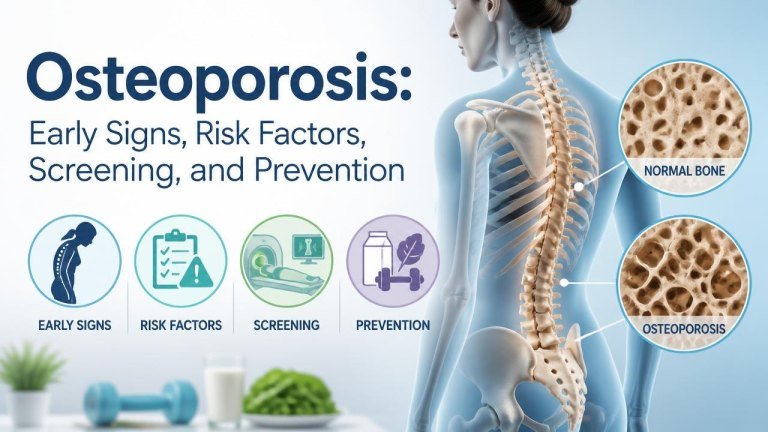
Bone density and bone quality naturally change with age, but osteoporosis accelerates this process. Healthy bones are living tissue that is continuously broken down and rebuilt. With osteoporosis, bone loss outpaces bone formation, leaving bones weaker, more porous, and more vulnerable to fractures.
Fractures commonly affect the hip, spine, and wrist. A spinal fracture may occur during routine movement and can lead to back pain, height loss, or a stooped posture.
Early Signs and Symptoms
Most people do not feel bone loss as it develops. The first warning may be a fracture after a minor fall or an everyday movement that would not normally cause an injury.
- Persistent or sudden back pain, especially after a spinal compression fracture
- Loss of height over time
- A stooped or rounded upper back
- A fracture of the hip, wrist, spine, or another bone after limited trauma
- Reduced mobility or fear of falling after a fracture
These signs can have other causes, so they should be assessed by a healthcare professional rather than self-diagnosed.
Risk Factors for Osteoporosis
Risk is influenced by a combination of age, hormonal changes, family history, medical conditions, and lifestyle. Having one risk factor does not mean you will develop osteoporosis, but several factors may make screening especially important.
Age, Sex, and Family History
Bone loss becomes more common with aging. Women face increased risk after menopause because lower estrogen levels can speed bone loss, while men can also develop osteoporosis, particularly later in life. A parental history of hip fracture, smaller body size, or a personal history of fractures can also increase risk.
Medical Conditions and Medicines
Conditions such as rheumatoid arthritis, certain digestive disorders, chronic kidney disease, and some hormonal disorders may affect bone health. Long-term use of corticosteroids is an important medication-related risk. Other medicines may also influence bone strength, so review your complete medication list with a clinician.

Lifestyle Factors
Smoking, heavy alcohol use, low physical activity, and inadequate calcium or vitamin D deficiency may contribute to bone loss. Poor balance, reduced muscle strength, and home hazards can additionally increase the chance of a fall and fracture.
How Osteoporosis Is Screened
Screening usually begins with a review of your fracture history, medical conditions, medicines, family history, and fall risk. A clinician may recommend a bone density test when your age or risk factors suggest it is appropriate.
Bone Density Testing
Dual-energy X-ray absorptiometry, often called a DXA or DEXA scan, is a quick, low-radiation test that commonly measures bone density at the hip and spine. Results are compared with reference values and interpreted alongside your overall fracture risk.
Depending on your situation, a healthcare professional may also order blood tests or other imaging to look for contributing conditions such as digestive conditions such as GERD or previous fractures. Screening recommendations vary by age, sex, health history, and local guidance.
Ways to Prevent Bone Loss
Bone health is supported by consistent habits rather than one isolated action. Focus on weight-bearing activity, adequate nutrition, and fall prevention throughout adulthood.
- Choose walking, stair climbing, dancing, or other weight-bearing activities that suit your abilities.
- Include resistance exercises to support muscle strength and bone loading.
- Practice balance exercises and address vision or footwear problems that may increase fall risk.
- Eat a varied diet that supplies enough calcium and vitamin D; ask a clinician whether supplements are appropriate.
- Avoid smoking and keep alcohol intake within medically appropriate limits.
- Discuss long-term medicines and bone health with your healthcare professional.
When to Speak With a Healthcare Professional
Arrange an evaluation after a fracture caused by a minor fall or routine activity, or if you have several osteoporosis risk factors. Seek prompt medical care after a suspected hip or spine fracture, severe back pain after an injury, or an inability to bear weight.
A clinician can help determine whether you need bone density screening, treatment, fall-prevention support, or evaluation for another cause of bone loss. Prescription treatment may be recommended for some people and should be selected according to individual benefits, risks, and preferences.
The Key Takeaway
Osteoporosis may develop without noticeable symptoms, but it is not inevitable. Knowing your personal risk, completing recommended screening, staying active, eating for bone health, and preventing falls can reduce the likelihood of serious fractures. Talk with a qualified healthcare professional for advice tailored to your age, health history, and medicines.