Osteoporosis is a condition in which bones become less dense and more fragile, making them more likely to break. It can affect anyone, although risk generally increases with age and varies according to health, hormones, family history, medications, and lifestyle.
Because osteoporosis often causes no symptoms until a fracture occurs, learning about bone health, recognizing possible warning signs, and discussing appropriate screening with a healthcare professional are important steps.
What Is Osteoporosis?
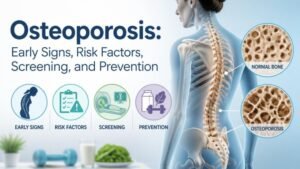
Healthy bone is living tissue that is continuously broken down and rebuilt. Osteoporosis develops when bone loss outpaces bone formation. Over time, bones may become thinner, weaker, and more likely to fracture after a minor fall or everyday strain.
Fractures linked to osteoporosis commonly affect the hip, spine, and wrist, but any bone can be affected. Spinal fractures may occur gradually and may not always cause sudden, severe pain.
Early Signs and Symptoms
Osteoporosis is often called a “silent” condition because early bone loss usually causes no obvious symptoms. A fracture may be the first indication that bones have weakened.
Possible signs that deserve medical attention include:
- A fracture after a relatively minor fall or movement
- Persistent or sudden back pain, particularly after lifting or bending
- Loss of height over time
- A stooped or hunched posture
- Limited movement caused by spinal changes
These symptoms can have other causes, so they do not confirm osteoporosis on their own. A healthcare professional can assess symptoms and decide whether testing is appropriate.
Risk Factors for Osteoporosis
Risk is influenced by a combination of factors. Some cannot be changed, while others may be improved through treatment or lifestyle choices.
Personal and Family Factors
Important factors include older age, a family history of osteoporosis or hip fracture, and having previously experienced a fragility fracture. Smaller body size and low body weight may also be associated with greater risk.
Women face increased risk after menopause because lower estrogen levels can accelerate bone loss. Men can also develop osteoporosis, particularly with aging or certain medical conditions.
Medical Conditions and Medicines
Conditions that may affect bone strength include hormonal disorders, chronic kidney disease, chronic liver disease, digestive conditions that reduce nutrient absorption, inflammatory diseases, and some blood or cancer-related disorders.
Long-term use of certain medicines, especially corticosteroids, can increase fracture risk. Other medicines may also affect bone health. Do not stop a prescribed medicine without speaking with the prescriber; a clinician can review possible alternatives and monitoring needs.
Lifestyle Factors
Smoking, heavy alcohol use, insufficient physical activity, and a diet lacking adequate calcium or vitamin D may contribute to weaker bones. Frequent falls, poor balance, and vision problems can further increase the chance of a fracture.
Bone Density Tests
A bone density test, often called a DXA or DEXA scan, measures bone mineral density at common fracture sites such as the hip and spine. The test is quick, noninvasive, and uses a low dose of radiation.

Results are interpreted alongside age, medical history, previous fractures, and other risk factors. A clinician may also use a fracture-risk assessment to estimate the likelihood of breaking a bone in the future.
Who May Need Testing?
Screening recommendations vary according to age, sex, health history, and local clinical guidance. Testing may be considered for people with higher fracture risk, a history of certain fractures, prolonged corticosteroid use, or medical conditions associated with bone loss. Learn more about osteoporosis screening and prevention.
Ask a healthcare professional when testing is appropriate for you, especially if you have several risk factors or have lost height unexpectedly.
Preventing Bone Loss
Bone health benefits from consistent habits throughout adulthood. Helpful steps include regular weight-bearing activity, strength training, balance exercises, and avoiding smoking.
A varied diet can provide calcium, protein, and other nutrients needed for bone and muscle health. Vitamin D status and supplements should be discussed with a healthcare professional, particularly if diet, sun exposure, or digestive health conditions may affect vitamin D levels.
Fall prevention is also important. Improving lighting, removing loose rugs, wearing suitable footwear, checking vision, and reviewing medicines that cause dizziness may help reduce injury risk.
Osteoporosis Treatment
Treatment depends on bone density, fracture history, overall fracture risk, age, medical conditions, and personal preferences. The goals are to slow bone loss, strengthen bone, and prevent future fractures.
Medicines
Several types of prescription medicine can reduce fracture risk. These may include medicines that slow bone breakdown and, for selected people at very high risk, treatments that stimulate new bone formation.
The best option depends on individual circumstances, including kidney function, digestive health, other medicines, and whether a fracture has occurred. Discuss expected benefits, side effects, dosing schedules, and follow-up with a qualified clinician.
Monitoring and Follow-Up
Follow-up may include repeat bone density testing, medication reviews, and assessment of new fractures or changes in health. Some treatments require specific instructions about timing, posture, dental care, or laboratory monitoring.
Do not change or discontinue osteoporosis treatment without medical advice. A healthcare professional can determine whether treatment should continue, change, or pause based on your current risk.
When to Seek Medical Advice
Arrange an evaluation after a fracture caused by a minor fall or routine activity, unexplained back pain, noticeable height loss, or a new stooped posture. Also speak with a clinician if you take long-term corticosteroids or have a condition that may weaken bone.
Seek urgent care after a serious fall, severe pain, inability to bear weight, or suspected hip or spinal injury. Early assessment can support prompt diagnosis, appropriate treatment, and a safer recovery plan.
Key Takeaway
Osteoporosis may progress without noticeable symptoms, but it is often manageable when identified and treated. Understanding your risk factors, maintaining healthy habits, asking about bone density testing, and following an individualized treatment plan can help protect bone strength and reduce fracture risk.