
Choosing where to stay in Rome can shape your entire trip. The city’s major sights are spread across several historic districts, and the best area depends on whether you want to walk to the Colosseum, wake up near the Vatican, enjoy lively evenings, or stay close to transport connections.
For most first-time visitors, the historic center, Monti, Trastevere, and Prati offer the most rewarding combination of atmosphere, sightseeing, restaurants, and convenience. Other areas, including Testaccio, Esquilino, and near Termini, can also be excellent choices when their particular advantages match your plans.
The Best Areas to Stay in Rome at a Glance
The historic center is best for major landmarks and first-time convenience. Monti suits travelers who want Colosseum access with a neighborhood feel, while Trastevere is ideal for atmospheric streets, traditional food, and nightlife. Prati offers a more polished base near the Vatican, and Testaccio is especially appealing to food-focused travelers seeking a more local atmosphere.
- Best overall for first-time visitors: Centro Storico
- Best near the Colosseum: Monti
- Best for nightlife and atmosphere: Trastevere
- Best for the Vatican: Prati
- Best for food and local character: Testaccio
- Best for transport connections: Termini and Esquilino
- Best for a quieter, elegant stay: Aventine or Prati
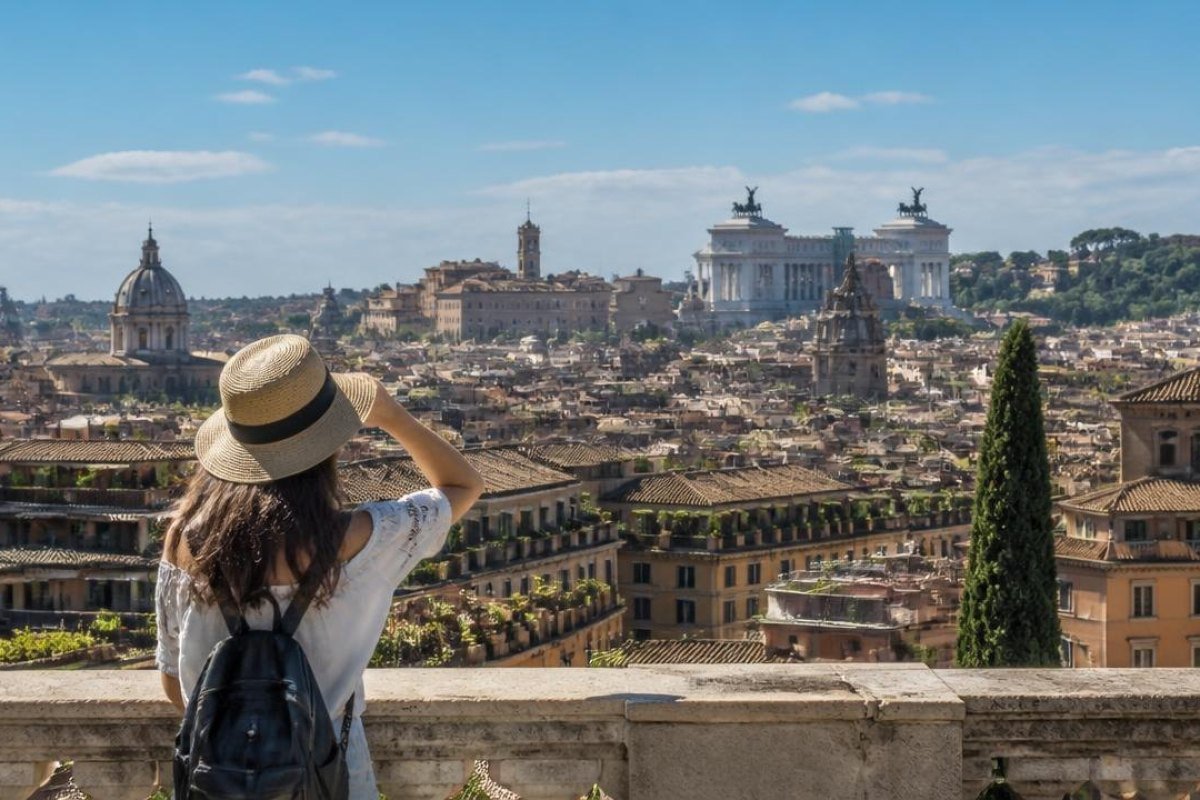
Centro Storico: The Best Base for First-Time Sightseeing
Rome’s historic center places you close to an extraordinary concentration of landmarks. Depending on the exact street, you may be within walking distance of the Pantheon, Piazza Navona, Trevi Fountain, Campo de’ Fiori, the Spanish Steps, and the Roman shopping streets.

This is usually the easiest area for travelers who want to step outside their hotel and immediately feel surrounded by Rome’s historic atmosphere. Narrow lanes, grand piazzas, churches, fountains, cafés, and restaurants make the center particularly enjoyable for a first visit.
Why stay in the historic center?
The main advantage is walkability. You can often visit several famous sights without relying on public transport, although the distances can still be tiring in summer or when carrying luggage. The area also works well for travelers who prefer to return to their accommodation during the day.
The main disadvantages are higher accommodation prices, heavy visitor traffic, and restaurant areas that can feel busy or geared toward tourists. Streets near major fountains and piazzas may remain lively well into the evening, so light sleepers should check the exact location carefully.
Monti: The Best Area Near the Colosseum
Monti is one of Rome’s most attractive choices for travelers who want to stay near ancient monuments without being surrounded by a purely sightseeing-focused environment. Its location makes the Colosseum, Roman Forum, and Palatine area particularly accessible, while the neighborhood itself has cafés, wine bars, small shops, and traditional restaurants.
The district combines archaeological views with a lively local feel. Its streets are attractive for wandering, but some lanes are steep or uneven, and the area can become busy around the monuments and metro station.
Who should choose Monti?
Monti is a strong match for couples, first-time visitors, and travelers who want a balance between ancient Rome and evening dining. It is also practical for an early visit to the Colosseum, especially because timed entry arrangements can make arriving near the attraction useful.
Look for accommodation on a quieter side street if you want the neighborhood atmosphere without the late-night noise. Checking the walking route from the station is worthwhile because cobblestones, slopes, and stairs can make a short map distance feel longer with luggage.
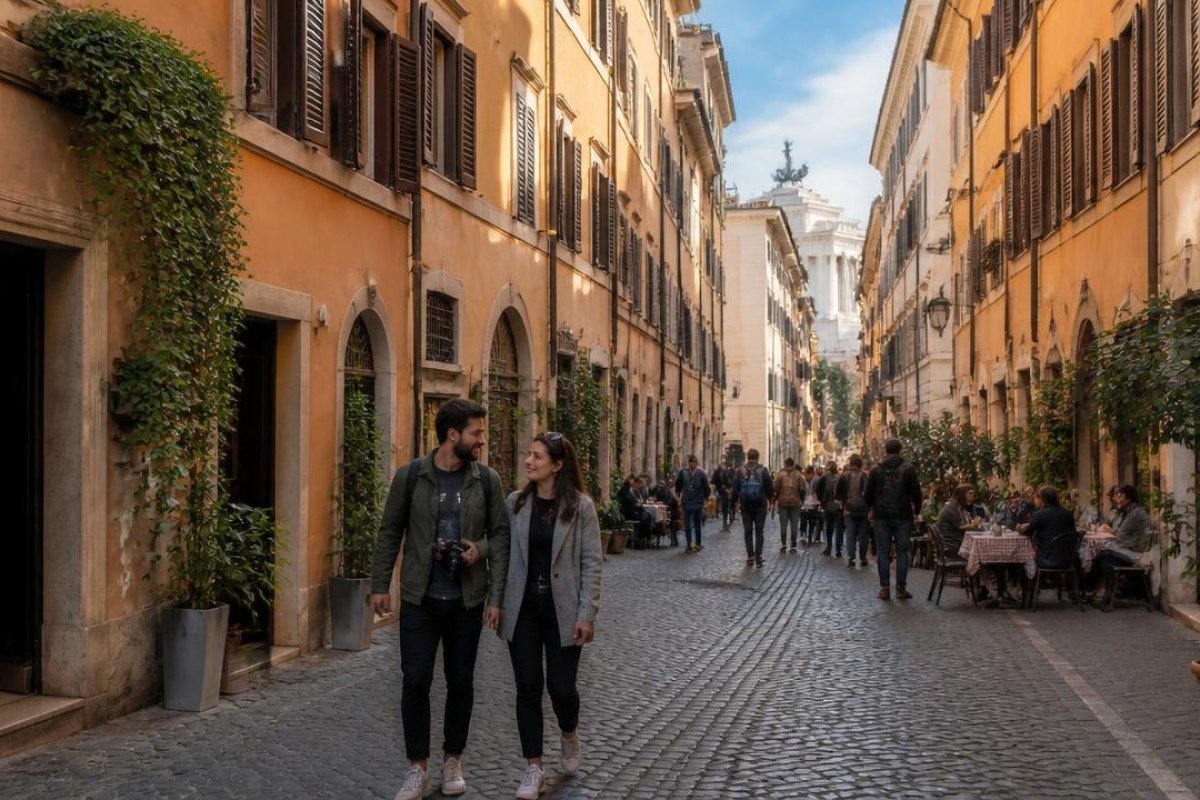
Trastevere: The Best Area for Atmosphere and Nightlife
Trastevere is known for its winding lanes, historic churches, lively piazzas, trattorias, cocktail bars, and evening energy. It is one of Rome’s most atmospheric neighborhoods, particularly around Santa Maria in Trastevere, Piazza Trilussa, and the smaller streets between them.
Staying here gives you a strong sense of Rome after the day-trippers leave. The neighborhood is excellent for traditional dining, casual evening walks, and discovering independent shops. It is also well placed for reaching the historic center on foot across the river.
What are the drawbacks of Trastevere?
The biggest consideration is night-time noise. Restaurants, bars, and busy squares can remain active late, especially on weekends. Trastevere also has limited metro access within the neighborhood, so buses, trams, taxis, and walking are often more relevant than the metro.
For a quieter stay, choose accommodation away from the busiest piazzas and check whether the room faces the street. Trastevere is a particularly good option for visitors who value character and evening atmosphere more than the shortest possible route to every landmark.
Prati: The Best Area for the Vatican and a Polished Stay
Prati lies north of the Vatican and is known for its broad streets, elegant buildings, restaurants, cafés, and shopping. It is a practical base for visiting the Vatican Museums, Sistine Chapel, and St. Peter’s Basilica, while offering a more orderly and residential atmosphere than some central districts.
The area is popular with travelers who prefer larger streets, good dining choices, and a quieter evening setting. Metro connections can also be useful, depending on where you stay, but you should still check the exact route to each attraction before booking.
Is Prati convenient for the rest of Rome?
Yes, although it is not the most central base for every sight. The historic center is reachable on foot for energetic walkers, while public transport can help with longer journeys. Prati works especially well for visitors planning a Vatican-focused morning or travelers staying several nights who appreciate a calmer neighborhood after busy sightseeing days.
Remember that Vatican visits involve security procedures and dress expectations. Before your trip, confirm current visiting information and ticket arrangements through the official attraction website, particularly during busy periods.

Testaccio: The Best Area for Food Lovers
Testaccio is one of Rome’s strongest choices for travelers who want a neighborhood with a more local identity. It is associated with Roman cuisine, traditional trattorias, food markets, and a relaxed evening scene. The district also has historic and cultural attractions, including the Pyramid of Cestius and the Non-Catholic Cemetery nearby.
Compared with the historic center, Testaccio feels less concentrated around headline monuments. That is its appeal: you can enjoy unhurried meals, neighborhood bars, and a more everyday side of Rome while still reaching the center by public transport or taxi.
Who will enjoy staying in Testaccio?
Testaccio is best for repeat visitors, food-focused travelers, and anyone who prefers local atmosphere over being steps from the Trevi Fountain. It can also suit longer stays, especially when you want access to restaurants and markets without the intensity of the central sightseeing zones.
Choose another area if this is your first visit and you have very limited time or want to walk to the largest number of famous landmarks. Testaccio is rewarding, but it requires a little more planning for some major attractions.
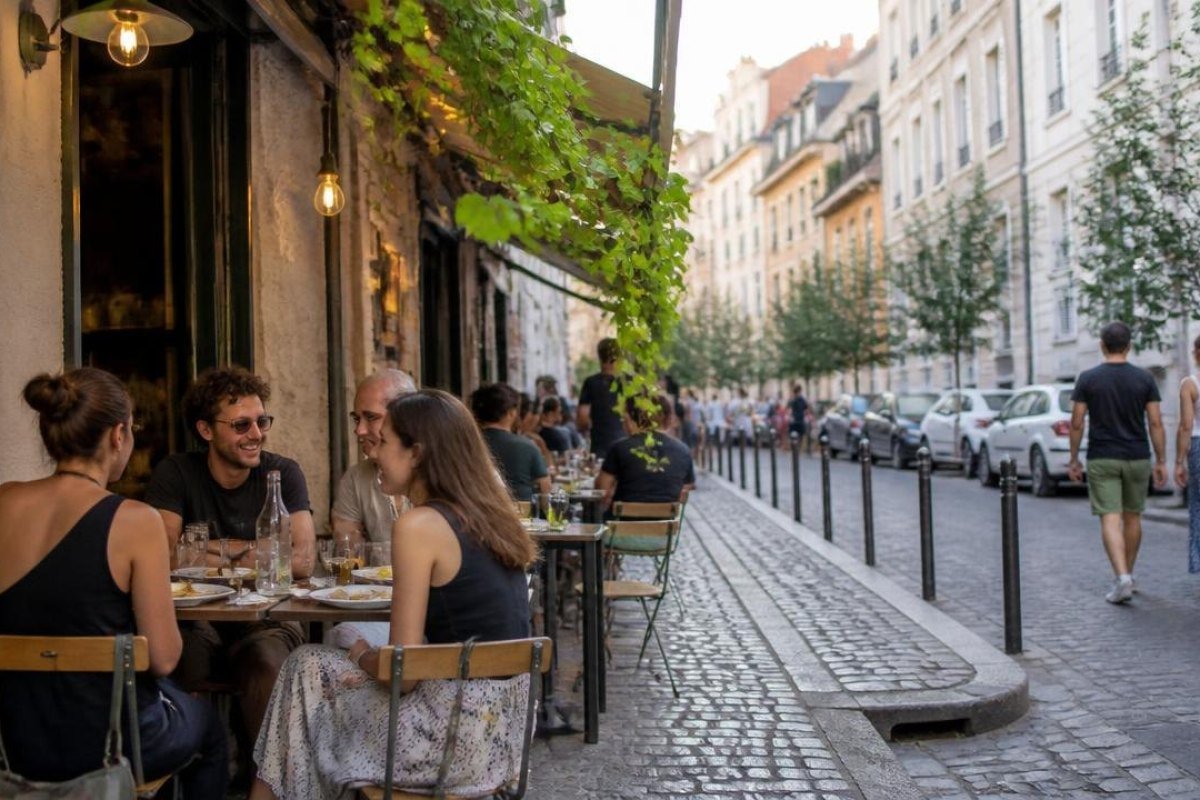
Termini and Esquilino: The Most Practical Areas for Transport
The area around Roma Termini is often considered primarily for convenience. The station connects travelers with airport services, national trains, metro lines, buses, and other routes across the city. Nearby Esquilino offers a more varied urban atmosphere, with international food, markets, historic churches, and a mix of accommodation.
This area can be a smart choice for short stays, early departures, and travelers planning day trips by train. Accommodation may also offer better value than the most central streets, although prices and quality vary considerably from one block to another.
What should you consider before booking near Termini?
Inspect recent accommodation reviews and the immediate street location carefully. The area is busy, urban, and less picturesque than Monti or Trastevere. Some travelers enjoy its energy and convenience, while others prefer to stay elsewhere and visit the station only when needed.
For transport planning, use the current maps and service information from Rome’s public transport authority. Routes, works, disruptions, and operating details can change, so avoid relying solely on older travel guides.
Other Rome Areas Worth Considering
Aventine and Circus Maximus
The Aventine is a quieter, greener choice with a refined atmosphere and attractive viewpoints. It suits travelers seeking peaceful streets, historic churches, and a slower pace. The trade-off is fewer accommodation options and less immediate access to restaurants compared with the historic center or Trastevere.
San Giovanni
San Giovanni is a useful option for visitors who want a more residential setting and good public transport links. It is farther from some of the classic central sights, but it can offer more space, local restaurants, and a less tourist-heavy environment.
Villa Borghese and Flaminio
This area is attractive for travelers interested in green spaces, art, elegant streets, and access to the Borghese Gallery. It is less convenient for spontaneous walks to the Colosseum or Trastevere, but it can be an excellent choice for a quieter and more cultured stay.
How to Choose the Right Rome Neighborhood
Start with your daily priorities rather than choosing a district only by its reputation. If you want to walk between the Pantheon, Trevi Fountain, and Piazza Navona, prioritize the historic center. If ancient Rome is your main focus, consider Monti. If evenings revolve around restaurants and lively squares, look at Trastevere or Testaccio. A first-time guide to Rome can help put those choices in context.
For Vatican visits, Prati can save time and make early starts easier. For rail journeys and airport connections, Termini may be the most practical. Families, older travelers, and anyone with heavy luggage should pay close attention to elevators, street surfaces, and the distance from the nearest transport stop.
Practical Booking Tips for a First Trip
Before reserving a room, check the exact address rather than relying only on the neighborhood name. Rome’s districts change noticeably from one street to the next. Confirm whether the accommodation has air conditioning, an elevator, luggage storage, and soundproofing if these features matter to you.
Read recent reviews for comments about street noise, water pressure, room size, and the walk from transport. In historic buildings, elevators may be small and stairs may be unavoidable. A convenient location can be more valuable than a larger room farther from the sights.
For major attractions, book through official channels and verify current opening information before setting your Rome itinerary. The Colosseum archaeological area uses timed arrangements for entry, while the Vatican Museums publish their own visiting guidance, schedules, and ticket information. These details can change by season, event, or operational decision.
Final Recommendation: Where Should First-Time Visitors Stay?
For the simplest first visit, choose the Centro Storico or Monti. These areas put you close to many headline attractions and make it easy to explore on foot. Choose Trastevere if atmosphere, food, and nightlife are central to your trip, or Prati if you want the Vatican nearby and prefer a more polished residential setting.
There is no single best neighborhood for everyone. The ideal Rome base is the one that reduces the kind of inconvenience you personally dislike most: long journeys, late-night noise, tourist crowds, steep streets, or complicated transport connections.
Whichever area you choose, leave room in your itinerary for unplanned walks. Rome’s most memorable moments often happen between the major attractions—in a quiet church, a neighborhood piazza, or a small restaurant discovered along the way.