A Complete First-Time Guide to Rome
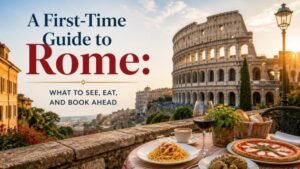
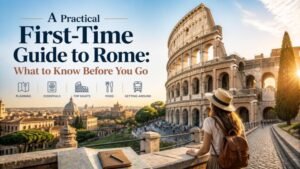
Rome is a city where ancient ruins, grand churches, and lively neighbourhoods sit within walking distance of one another. For a first visit, the key is not trying to see everything. Instead, build your days around a few well-chosen areas and leave time for unplanned discoveries.
This guide explains how to plan a smooth Rome trip, what to see first, how to move around, where to stay, and how to enjoy the city without turning every day into a checklist.
How Many Days Do You Need in Rome?
Three full days is a good starting point for the main highlights, while four or five days allows a more relaxed pace and time for museums, parks, or a day trip. A short stay should focus on the historic centre, the Colosseum area, and Vatican City.
Rome is deceptively large. Although many central sights can be reached on foot, attractions are spread across different districts and queues can consume valuable time. Plan one major attraction each morning, then keep afternoons flexible.
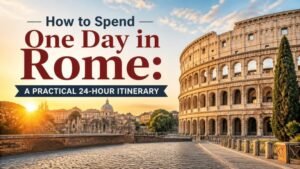
With only two days, prioritise the Colosseum and Roman Forum, Trevi Fountain and Pantheon, and St Peter’s Basilica or the Vatican Museums. With more time, add Trastevere, Villa Borghese, the Capitoline Museums, and the Appian Way; a 7-day Italy itinerary can help with longer trips.

Best Things to Do in Rome for First-Time Visitors
Rome rewards both careful planning and slow wandering. Reserve timed attractions in advance, but avoid filling every hour. Some of the city’s most memorable moments happen in a quiet piazza, a small church, or a street that was not on your itinerary.
Visit the Colosseum, Roman Forum, and Palatine Hill
The Colosseum, Roman Forum, and Palatine Hill are best treated as one archaeological experience. Allow several hours, wear comfortable shoes, and bring water during warm weather.
Entry to the Colosseum uses a timed reservation system, and official tickets are released according to the attraction’s current booking schedule. Check the official website before travelling because access arrangements, routes, and opening times can change.
Start early if possible. The Forum and Palatine Hill involve uneven surfaces, exposed pathways, and limited shade. A guided tour can help explain the layers of Roman history, while an official audio guide or museum app may suit independent visitors.
See the Pantheon, Trevi Fountain, and Piazza Navona
The Pantheon, Trevi Fountain, and Piazza Navona form one of the easiest sightseeing walks in central Rome. Visit early in the day or later in the evening for a less hectic atmosphere.
The Pantheon is a functioning place of worship as well as a historic monument, so visitors should dress respectfully and follow current entry rules. The Trevi Fountain area is especially busy, and local regulations may restrict how visitors sit, eat, or interact with the monument.
Continue through nearby streets to discover small cafés, artisan shops, churches, and quieter squares. This area is ideal for combining major landmarks with a relaxed lunch or an evening aperitivo.
Explore Vatican City and the Vatican Museums
The Vatican Museums, Sistine Chapel, and St Peter’s Basilica can easily occupy half a day or more. The museums are large, so choose a route or guided visit rather than expecting to see every gallery.
Use the official Vatican Museums ticket portal when booking online. Opening days, final admission times, closures, and special access arrangements can vary, so verify the details close to your visit.
Remember that the Vatican is a religious setting. Shoulders and knees should generally be covered in churches and sacred areas, and large bags may be subject to restrictions. Check the rules for the specific attraction before departure.
Wander Through Trastevere
Trastevere is known for cobbled lanes, ivy-covered façades, and neighbourhood restaurants. It is particularly enjoyable in the late afternoon, when the streets become lively without the intensity of the main monuments.
Visit the Basilica of Santa Maria in Trastevere, browse small shops, and cross the river towards the historic centre. The district is popular at night, but restaurant quality and prices vary, so look for places with a focused menu and a steady local crowd.
For a quieter experience, walk uphill towards the Janiculum area for broad city views. The climb is manageable but may feel tiring after a full day of sightseeing.
Discover Villa Borghese and Rome’s Viewpoints
Villa Borghese offers green space, shaded walking paths, and access to the Borghese Gallery. Gallery visits require advance reservations and are organised in timed sessions, so book before building your day around it.
From the Pincian Terrace, you can look across central Rome towards the dome of St Peter’s Basilica. The nearby Spanish Steps are best visited with patience, as the area can be crowded throughout the day.
This part of Rome works well as a slower half-day, especially after several mornings spent in archaeological sites and museums.

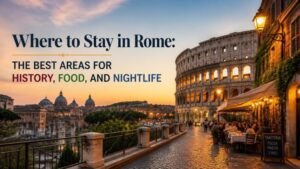
Rome’s Best Areas to Stay
Choosing the right neighbourhood can save time and make evenings more enjoyable. Consider walking distance, late-night atmosphere, and metro access rather than choosing accommodation solely by price.

Centro Storico
The historic centre is convenient for the Pantheon, Piazza Navona, and Trevi Fountain. It is ideal for first-time visitors who want to walk between major landmarks, although accommodation and dining can be expensive.
Monti
Monti offers independent boutiques, casual restaurants, and a location close to the Colosseum. It has a local feel while remaining convenient for central sightseeing.
Trastevere
Trastevere suits travellers who enjoy evening dining, bars and piazzas, and a lively atmosphere. Some streets can be noisy at night, so check reviews carefully if you are a light sleeper.
Prati
Prati is a practical choice near the Vatican, with wide streets, shops and cafés, and generally calmer evenings than the busiest historic-centre areas. It is also useful for travellers who prefer a more residential setting.
How to Get Around Rome
Rome is easiest to explore with a combination of walking, metro travel, and occasional buses or taxis. Many central streets are more enjoyable on foot, but public transport is useful for the Vatican, Termini, the Colosseum area, and neighbourhoods farther from the centre.
ATAC operates Rome’s urban public transport, including buses, trams, and metro services. The integrated ticket system covers several forms of transport within the city, but always check the current validity rules before travelling.
Single tickets and time-based passes are available, and contactless or digital purchasing options may be offered on eligible services. Activate digital tickets as required before boarding or entering metro barriers. Do not assume that a ticket purchased for an airport transfer covers the entire journey into the city.
Use an official journey-planning app or current transport information for service changes, engineering work, strikes, and late-night travel. Rome’s buses can be affected by traffic, so allow extra time for important reservations.
Eating and Drinking in Rome
Roman food is built around simple ingredients, regional recipes, and strong traditions. Try classic dishes such as cacio e pepe, carbonara, amatriciana, supplì, and thin Roman-style pizza.
For a more authentic experience, eat away from the busiest monument entrances and compare menus before sitting down. A restaurant with a short, seasonal menu is often a better choice than a place displaying dozens of unrelated dishes in multiple languages, as explained in this first-timer’s food guide.
Remember that Italian dining follows a different rhythm from fast sightseeing. Lunch may be leisurely, dinner often starts later than visitors expect, and service charges or cover charges can appear on the bill. Ask politely if anything is unclear.
What to Book in Advance
Reserve the Colosseum, Vatican Museums, and Borghese Gallery before your trip whenever possible. These attractions use timed entry or limited daily capacity, and popular periods can sell out.
Book accommodation early for major holidays, summer weekends, and large city events. If you want a special restaurant, rooftop view, or guided food tour, reserve that as well, but leave some unplanned time for exploring.
Always use the attraction’s official booking channel when one is available. Be cautious with websites that imitate official ticket pages or add substantial fees without clearly explaining what is included.

Practical Tips for a Smooth First Visit
- Wear comfortable walking shoes because Rome has cobblestones, uneven pavements, and long museum routes.
- Carry a refillable bottle and use public drinking fountains where appropriate.
- Keep phones, wallets, and passports secure in crowded areas and on busy public transport.
- Carry a small scarf or light layer for churches and religious sites.
- Do not buy attraction tickets from unofficial sellers around major monuments.
- Check museum closures, transport notices, and reservation requirements shortly before your visit.
- Plan breaks during the hottest part of the day, particularly in summer.
A Simple Three-Day Rome Itinerary
Day one: Begin with the Colosseum, Roman Forum, and Palatine Hill. Spend the evening in Monti or walk towards Piazza Venezia and the Pantheon.
Day two: Visit the Vatican Museums or St Peter’s Basilica in the morning. Spend the afternoon around Castel Sant’Angelo, Piazza Navona, and the Pantheon, then continue towards the Trevi Fountain.
Day three: Explore Villa Borghese and the historic centre at a slower pace. Choose between Trastevere, the Capitoline Museums, Testaccio, or the Appian Way depending on your interests.
This itinerary combines major landmarks, manageable walking routes, and flexible afternoons. Adjust the order around your timed reservations and current opening information, using this 3-day Rome itinerary as a planning reference.
Common First-Time Mistakes to Avoid
Do not schedule the Colosseum, Vatican Museums, and a distant day trip on the same day. Rome’s attractions are larger and more tiring than they may appear on a map.
Do not rely entirely on taxis or buses during peak traffic, and do not assume every restaurant near a famous landmark offers good value. Most importantly, avoid treating Rome as a museum that must be completed. The city is best experienced through a balance of planned visits, slow meals, and curious wandering.
Final Advice for Visiting Rome
For a successful first trip, secure the essential reservations, choose accommodation near the areas you most want to explore, and keep your daily plan realistic. Rome can feel chaotic, but a little preparation makes the experience far more comfortable.
Give yourself time to look up from the map. The best memories may come from a quiet church, a sunset over the domes, or a plate of pasta discovered between two famous sights.