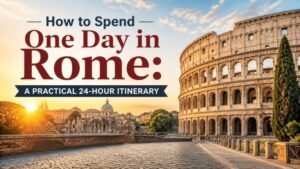
Choosing where to stay in Rome can shape your entire trip. The city is sprawling, historic, and wonderfully varied: one neighborhood places you beside the Colosseum, another puts you within walking distance of the Pantheon, while others are better for traditional food, late-night drinks, or a quieter local atmosphere. Comparing the best neighborhoods to stay can help you choose the right base.
The best area depends on your priorities, budget, walking tolerance, and itinerary. Rome’s historic center is compact enough to explore on foot, but distances between neighborhoods can still be tiring, especially in summer. Use this guide to match your travel style with the right base.
The Best Areas to Stay in Rome at a Glance
Monti is a strong choice for ancient sights, independent restaurants, and a creative evening atmosphere. Centro Storico suits first-time visitors who want famous landmarks close by. Trastevere is ideal for atmospheric streets, traditional dining, and nightlife.
Testaccio is one of the best areas for authentic Roman food and a more local feel. Prati offers elegant streets, shopping, and convenient access to Vatican City. Termini and Esquilino can be practical for transport connections and a wider range of accommodation.

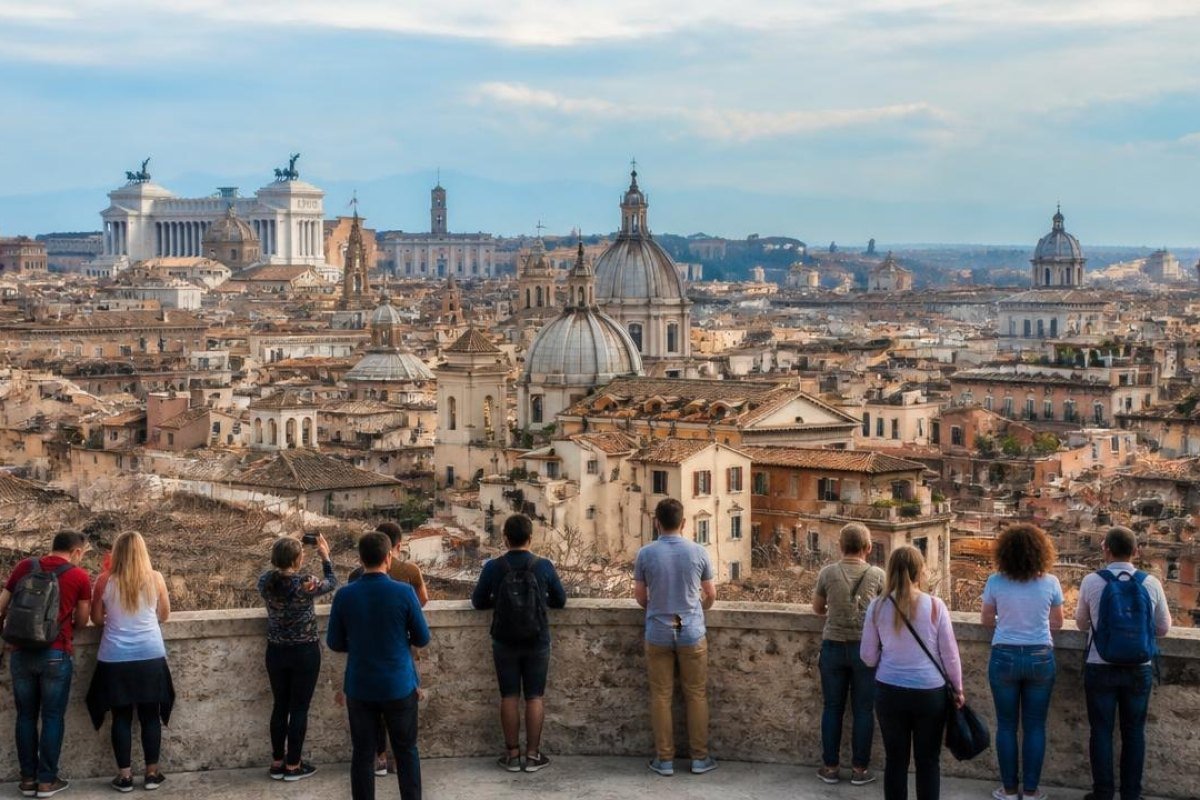
Monti: Best for Ancient Rome and Creative Nightlife
Colosseum access, archaeological landmarks, and independent wine bars make Monti one of Rome’s most appealing all-round neighborhoods. It sits close to the Colosseum, Imperial Forums, and several major archaeological sites, yet its narrow streets have a distinctly residential and bohemian character.
During the day, Monti is convenient for visitors who want to explore ancient Rome without relying heavily on public transport. In the evening, the area becomes livelier, with small restaurants, cocktail bars, galleries, and vintage shops around its cobbled lanes and intimate piazzas.
Who should stay in Monti?
First-time visitors, couples, and history lovers will find Monti especially rewarding. It offers a useful balance: major monuments are close, but the neighborhood still feels like somewhere to linger over dinner rather than simply pass through.
Choose accommodation near the Colosseum side if sightseeing is your priority. Streets farther north toward the neighborhood’s cafés and bars may feel more atmospheric at night, although some can be busy and noisy.
Centro Storico: Best for First-Time Visitors
Rome’s historic center is the classic choice for travelers who want the city’s most recognizable sights nearby. Staying around the Pantheon, Piazza Navona, Campo de’ Fiori, Trevi Fountain, or Piazza Venezia puts Baroque squares, historic churches, and walkable sightseeing at the center of your trip.
This is one of the most convenient areas for exploring Rome on foot. You can begin the morning near the Pantheon, continue toward Piazza Navona, pause for lunch, and reach the Trevi Fountain or Spanish Steps without needing a complicated itinerary.
What are the drawbacks of the historic center?
Higher accommodation costs, crowded landmarks, and tourist-focused restaurants are the main compromises. Some streets are peaceful early in the morning but become extremely busy later in the day. Accommodation can also range from elegant historic hotels to small rooms in older buildings with limited lifts.
For a quieter stay, look for a property on a side street rather than directly beside a major piazza. Always check recent guest reviews for noise, stair access, and room size before booking.
Trastevere: Best for Food, Atmosphere, and Nightlife
Trastevere is famous for its ivy-covered lanes, traditional trattorias, and lively piazzas. Across the Tiber from much of the historic center, it has long been one of Rome’s most popular neighborhoods for evening meals, drinks, and relaxed wandering.
The area is particularly attractive if you enjoy choosing a restaurant spontaneously, walking between small bars, and experiencing Rome after sunset. Piazza Santa Maria in Trastevere and Piazza Trilussa are well-known meeting points, while the surrounding streets offer artisan shops, cafés, and historic churches.
Is Trastevere a good base for sightseeing?
Yes, for walkers, especially if you enjoy crossing the river and exploring at a slower pace. The Vatican, Campo de’ Fiori, the historic center, and the Janiculum Hill can all be reached on foot, though the distances may feel substantial after a full day of sightseeing.
Trastevere is not the quietest choice. Accommodation near popular squares can be affected by late-night conversations, restaurant activity, and weekend crowds. If sleep matters, choose a hotel or apartment on a less central side street and request a higher-floor room where possible.
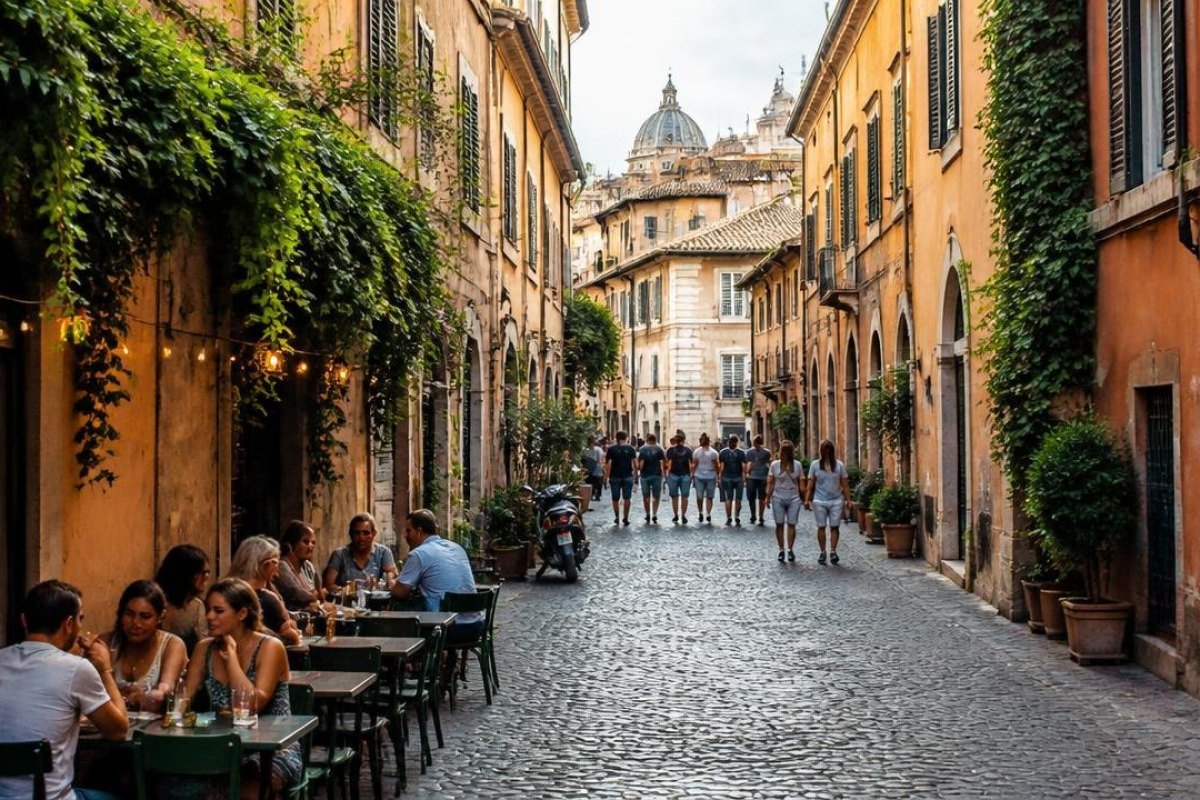
Testaccio: Best for Authentic Roman Food
Testaccio is one of the strongest choices for travelers who prioritize Roman cuisine, local character, and less polished streets. The neighborhood has deep connections to Rome’s working-class history and remains known for traditional cooking, lively markets, and a more everyday atmosphere.
Look here for classic Roman dishes such as carbonara, amatriciana, cacio e pepe, and gricia, while remembering that restaurant quality varies in every neighborhood. Testaccio is also associated with Monte Testaccio, an artificial hill formed from discarded ancient pottery fragments.
What is Testaccio like at night?
Casual trattorias, neighborhood bars, and late-evening social life define the area. It is lively without feeling quite as dominated by visitors as Trastevere. The neighborhood is a good fit for repeat visitors or anyone who wants dinner to be the main event of the evening.

Testaccio is less convenient than the central neighborhoods for reaching every major landmark on foot. It works best when you are comfortable using buses, walking longer distances, or combining sightseeing days with local food-focused evenings.
Prati: Best for the Vatican, Shopping, and a Quieter Stay
Prati offers wide avenues, elegant apartment buildings, and Vatican proximity. It is a practical base for visitors planning to spend significant time at the Vatican Museums, St. Peter’s Basilica, and Castel Sant’Angelo.
The neighborhood also has a more orderly, residential feel than Trastevere or Monti. Via Cola di Rienzo is known for shopping, while the surrounding streets include restaurants, wine bars, cafés, and bakeries suited to a slower daily rhythm.
Who will enjoy staying in Prati?
Families, shoppers, and travelers seeking comfort often appreciate Prati’s spacious streets and calmer evenings. It can also suit visitors who prefer a neighborhood with modern conveniences rather than medieval lanes and constant crowds.
Prati is slightly removed from the Colosseum and eastern side of the historic center. The Vatican is nearby, but visiting it still requires advance planning because entry arrangements and opening information can change. Check the first-time guide to Rome and official attraction websites before your trip.
Termini and Esquilino: Best for Transport Connections and Value
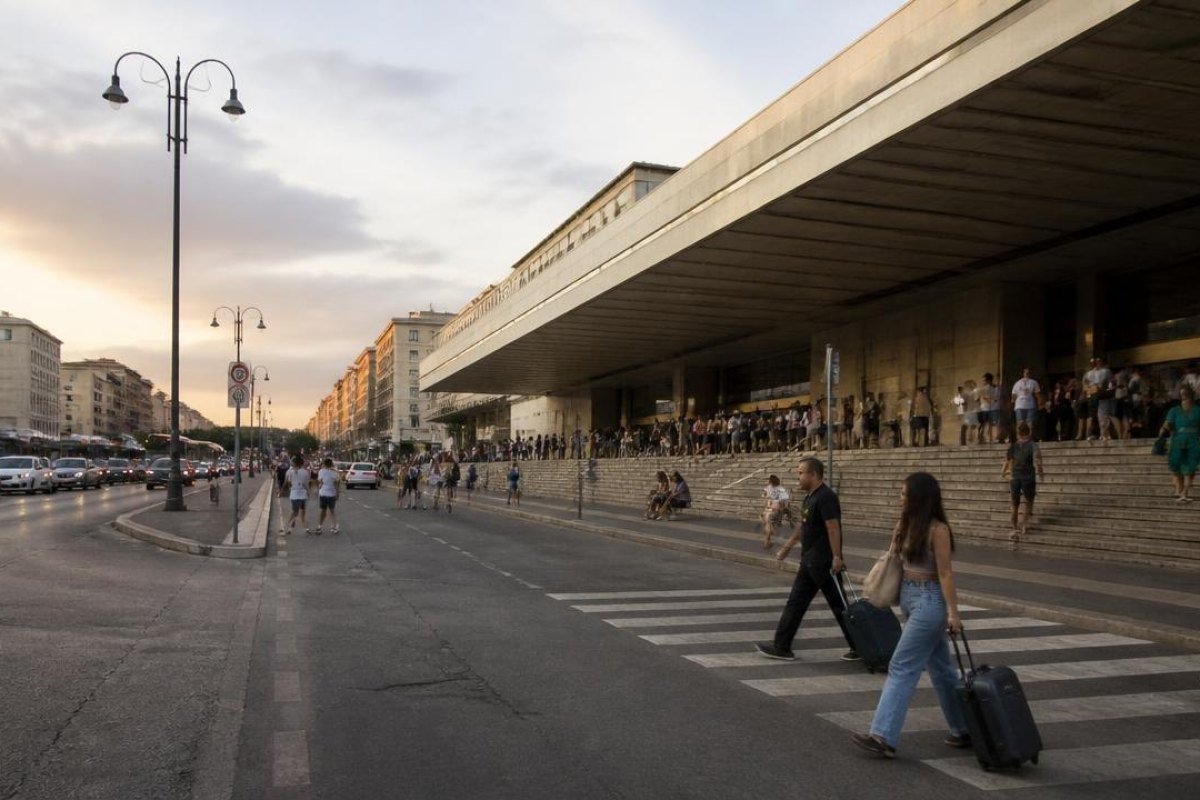
The area around Termini Station is useful for travelers who value rail connections, airport transfers, and central positioning. Esquilino, just beyond the station, is one of Rome’s most multicultural districts, with varied restaurants, food shops, and accommodation at different price levels.
This is often a practical choice for short stays, early departures, or itineraries that include day trips by train. It is also convenient for reaching many parts of the city by metro and bus.
Is Termini safe and comfortable for visitors?
Street atmosphere varies, late-night awareness matters, and hotel location is important. The station area is busy and functional rather than romantic, and some streets feel much more pleasant than others. Research the immediate surroundings of your accommodation instead of judging the entire district as one uniform area.
Choose a well-reviewed property, keep valuables secure in crowded transport areas, and take extra care when arriving late or carrying luggage. Esquilino’s eastern and southern sections may offer a more neighborhood-oriented experience than the streets directly beside the station.
Other Rome Neighborhoods Worth Considering
San Lorenzo: Student Energy and Informal Dining
University life, casual restaurants, and informal bars give San Lorenzo a youthful atmosphere. It can suit budget-conscious travelers and visitors who prefer a less polished side of Rome, but it is farther from the main historic attractions.
Ostiense and Garbatella: Contemporary Rome and Local Life
Industrial architecture, street art, and local restaurants shape these southern districts. They are appealing for repeat visitors, food enthusiasts, and travelers interested in Rome beyond the postcard center. Transport planning becomes more important here.
Aventine and San Saba: Peaceful Streets and Green Spaces
Quiet evenings, historic churches, and hilltop views make Aventine and nearby San Saba attractive for couples and slower trips. The atmosphere is more residential, with fewer spontaneous nightlife options than Monti or Trastevere.
How to Choose the Right Area for Your Rome Trip
For a first visit focused on iconic landmarks, choose Centro Storico or Monti. For food and evening atmosphere, compare Trastevere with Testaccio. For the Vatican and a calmer base, consider Prati. For rail travel, airport connections, or a shorter budget stay, look around Termini and Esquilino.
Rome rewards travelers who stay close to the experiences they value most. A central hotel can save time but cost more. A neighborhood farther out may offer better value and a more local atmosphere, but it will require more planning. Before booking, check the exact address, walking routes, transport connections, stairs, lift availability, air conditioning, and recent noise reviews.
Getting Around Rome from Your Accommodation
Walking is often the most enjoyable way to explore the historic center, but Rome’s uneven paving and long distances can be demanding. Use public transport when moving between areas such as Prati, Testaccio, San Lorenzo, and the central archaeological zone.
Metro, buses, trams, and regional trains can all be useful, but routes, services, and ticket arrangements may change. Check the current information from Rome’s official transport authority before relying on a particular connection, especially for early departures, late-night travel, or airport transfers.
Final Recommendation: The Best Area for Most Travelers
For many visitors, Monti provides the best overall balance of history, food, and nightlife. It is close to ancient Rome, has a strong restaurant and bar scene, and feels more atmospheric than a purely tourist-oriented base.
That said, there is no single best neighborhood for everyone. Choose Trastevere for romantic evenings and lively dining, Testaccio for serious food experiences, Prati for Vatican access and comfort, or Centro Storico for maximum sightseeing convenience. The right base is the one that lets you spend less time commuting and more time enjoying Rome.