Rome rewards curiosity, comfortable shoes, and a sensible route. In just 24 hours, you can experience the city’s ancient heart, admire its Baroque landmarks, enjoy classic Roman food, and still leave room for spontaneous discoveries—while a longer Rome itinerary allows more time to explore.
This itinerary is designed for first-time visitors who want to see the essentials without treating the city like a checklist. It focuses on compact neighborhoods, short walks, and advance planning for the attractions that commonly require timed entry.
Before You Start: How to Make One Day in Rome Work
Begin with comfortable walking shoes, a refillable water bottle, and a small bag that is easy to carry. Rome’s historic center is best explored on foot, but the metro and buses can save time between distant areas.
Book the Colosseum in advance if it is a priority. Entry to the Colosseum requires a reserved time slot, while tickets for the archaeological park generally cover the Roman Forum and Palatine Hill as part of the same visit. Check the official calendar before you travel because opening times and access arrangements can change; a first-time Rome planning guide can help you organize the details.

If you want to include the Vatican Museums, reserve an official timed ticket and confirm the opening calendar. Fitting both the Vatican Museums and the Colosseum into a single day is possible only with a very early start and limited time at each site. For a more relaxed first visit, this itinerary prioritizes Ancient Rome and the historic center.
Rome’s ATAC network includes metro, buses, and trams. Integrated tickets and passes are available through official sales channels, ticket machines, and other authorized options. Validate or activate your ticket as required, and check current service information before setting out.

Early Morning: Trevi Fountain and the Spanish Steps
Start around 6:30 or 7:00 a.m. at the Trevi Fountain. Early morning is one of the best times to appreciate the fountain’s theatrical design before the busiest crowds arrive. Take a few minutes to look beyond the traditional coin toss and notice the carved figures, flowing water, and pale stonework.
From Trevi, walk toward the Spanish Steps. The route passes through elegant streets filled with cafés, boutiques, and small churches. At Piazza di Spagna, admire the Barcaccia Fountain and the dramatic staircase rising toward the church of Trinità dei Monti.
Keep the visit brief but unhurried. The goal is to enjoy the atmosphere while saving your energy for the larger archaeological sites later in the morning.
Morning: The Colosseum, Roman Forum, and Palatine Hill
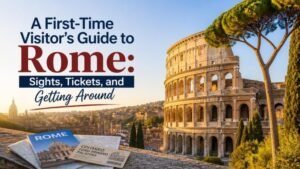
Continue to the Colosseum for a timed visit. Arrive early enough to allow for security checks, ticket verification, and walking to the entrance. The amphitheatre is most impressive from inside, where you can imagine the scale of ancient public spectacles and study the surviving tiers, arches, and underground structures.
Allow additional time for the Roman Forum and Palatine Hill. These areas are larger and more uneven than many visitors expect, with exposed paths, steps, and limited shade. The Forum reveals the political and religious center of ancient Rome, while the Palatine offers elevated views over the ruins and surrounding city.
Do not rush through the archaeological park. A focused visit of several hours is more rewarding than trying to identify every ruin. Bring water, especially during warm weather, and check current visitor regulations before arrival.

Lunch: A Roman Meal Near Monti or the Historic Center
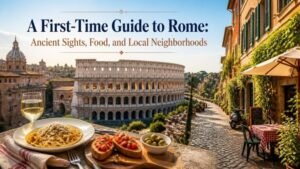
After the Colosseum, take a break in Monti, one of the most convenient neighborhoods for lunch. Look for a restaurant away from the busiest monument-front terraces and consider classic Roman dishes such as carbonara, cacio e pepe, amatriciana, or a simple pizza romana.
Keep lunch relatively efficient, but do not skip the chance to enjoy a proper meal. A small plate of supplì, seasonal vegetables, or a Roman-style sandwich makes an easy snack if you prefer to continue exploring.
Allow time for coffee and a short rest. The afternoon route is compact, but Rome’s stone streets and constant walking can be tiring.
Afternoon: Piazza Venezia, the Pantheon, and Piazza Navona
Walk toward Piazza Venezia and take in the imposing Vittoriano monument from outside. Continue through the historic center toward the Pantheon, one of Rome’s most remarkable ancient buildings and a highlight of any first visit.
At the Pantheon, look up at the famous opening in the dome and observe how light moves across the interior. Check the official visitor information before going because entry arrangements, religious services, and opening times can affect access.
From the Pantheon, continue to Piazza Navona. The long, elegant square follows the shape of an ancient stadium and is known for its fountains, churches, artists, and lively cafés. Spend time walking from one end to the other rather than stopping only in the center.
Late Afternoon: Choose Between the Vatican and a Slower City Walk
With only 24 hours, the Vatican should be treated as an optional addition rather than an automatic stop. If you have a confirmed Vatican Museums reservation and still have energy, use public transport or a taxi to reach the Vatican area. The museums, Sistine Chapel, and surrounding attractions can easily require several hours on their own, especially within a broader Italy itinerary.
For a less rushed alternative, remain in the historic center. Visit a quiet church, browse local streets around Campo de’ Fiori, or cross the river for a short walk through Trastevere. This option gives you more time to appreciate Rome’s atmosphere instead of spending the afternoon moving between entrances.
If you visit St Peter’s Basilica, remember that it is a religious site with its own access procedures and dress expectations. Check current visitor guidance before you go.

Evening: Aperitivo, Dinner, and Rome After Dark
As the light softens, return toward Piazza Navona, the Pantheon, or Trevi Fountain. These landmarks look different after sunset, when the streets become more atmospheric and the stone façades are illuminated.
For dinner, choose a neighborhood restaurant and order a few Roman specialties rather than trying to cover every dish. Consider carbonara, amatriciana, saltimbocca, fried artichokes when in season, or a simple dessert and espresso.
End the evening with gelato or a quiet walk. A route from the Pantheon toward Trevi, or across the bridges toward Trastevere, offers a memorable final view of Rome without requiring another major attraction.
Practical Tips for First-Time Visitors
Book the Major Attractions Early
Prioritize timed-entry tickets for the Colosseum and Vatican Museums. Use official booking platforms whenever possible, and confirm the date, time, visitor names, and entry conditions before payment.
Plan Around Distance, Not Just Landmarks
Rome’s attractions may look close on a map, but crowds, security lines, uneven pavements, and photography stops add time. Group nearby sights together and avoid crossing the city repeatedly.
Dress and Pack Sensibly
Wear supportive shoes, carry sunscreen in warm weather, and bring a light layer for churches and museums. A reusable bottle is useful because Rome has many public drinking fountains, although visitors should follow local hygiene guidance and use designated water points.
Protect Your Time and Belongings
Keep phones, wallets, and passports secure in crowded areas, especially around major transport hubs and packed sightseeing spots. Be cautious with unsolicited tour offers and purchase attraction tickets through trusted official channels.
One-Day Rome Itinerary at a Glance
- Early morning: Trevi Fountain and the Spanish Steps.
- Morning: Colosseum, Roman Forum, and Palatine Hill.
- Lunch: Roman specialties in Monti or nearby.
- Afternoon: Piazza Venezia, Pantheon, and Piazza Navona.
- Late afternoon: Optional Vatican visit or a slower walk through the historic center.
- Evening: Aperitivo, traditional dinner, gelato, and an illuminated city walk.
Final Advice for Your 24 Hours in Rome
The best one-day Rome itinerary balances iconic sights with breathing room. You will not see everything, and you should not try. Choose one major archaeological visit, explore the central piazzas on foot, eat something memorable, and leave space for the unexpected details that make Rome feel alive.
Before departure, recheck official opening times, ticket requirements, transport updates, and any temporary access restrictions. With that preparation, even a short visit can offer a rich introduction to the Eternal City.