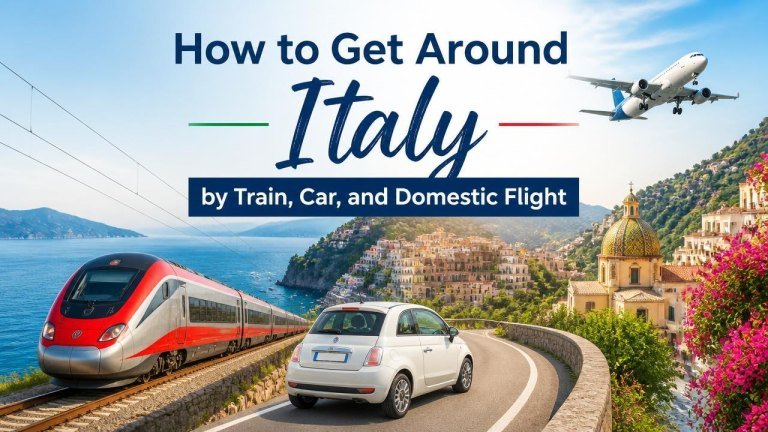
How to Get Around Italy by Train, Car, and Domestic Flight
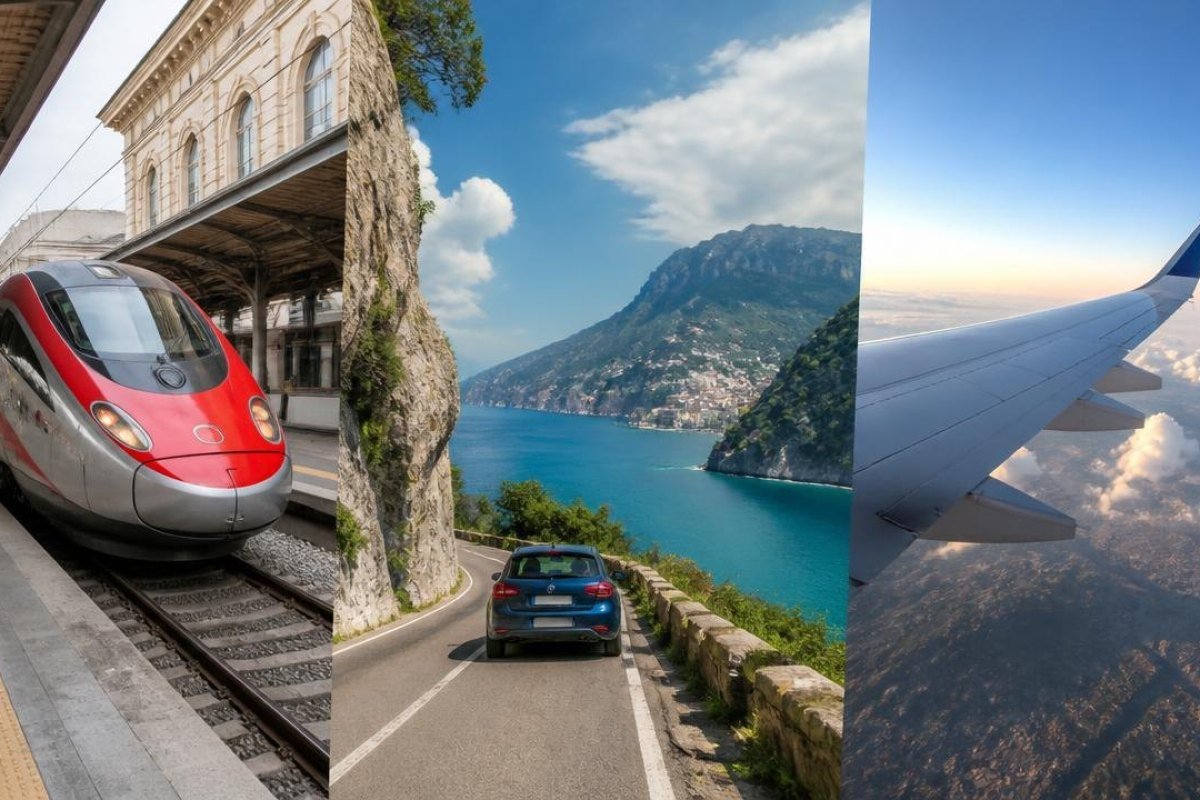
Italy is easiest to explore when you match the transport method to the route. practical Italy itinerary planning can help you decide how to combine transport options. Trains are usually the most convenient option between major cities, cars are valuable for rural areas and scenic routes, while domestic flights can save time when travelling between the mainland and islands or across the length of the country.
A mixed itinerary often works best. You might travel by high-speed train from Milan to Florence and Rome, rent a car for Tuscany or Puglia, then fly to Sicily or Sardinia. Before booking, compare the complete journey rather than the headline travel time: include transfers, airport procedures, parking, tolls, and luggage.
Travelling Around Italy by Train
Italy has an extensive rail network linking large cities, regional capitals, coastal towns, and many smaller destinations. The most useful services for visitors are high-speed trains, Intercity trains, and regional trains.
High-speed trains between major cities
High-speed services are generally the best choice for journeys such as Milan–Bologna, Bologna–Florence, Florence–Rome, and Rome–Naples. Trenitalia operates the Frecce network, while Italo provides another high-speed option on selected routes. These trains normally use central stations, making them practical for city sightseeing.

Book earlier when your dates are fixed, especially for weekends, holidays, and popular departure times. Fares can vary by train, flexibility, and availability, so compare departure times as well as prices. Check the exact station carefully: some cities have more than one station or use separate terminals for different services.
Regional and Intercity trains
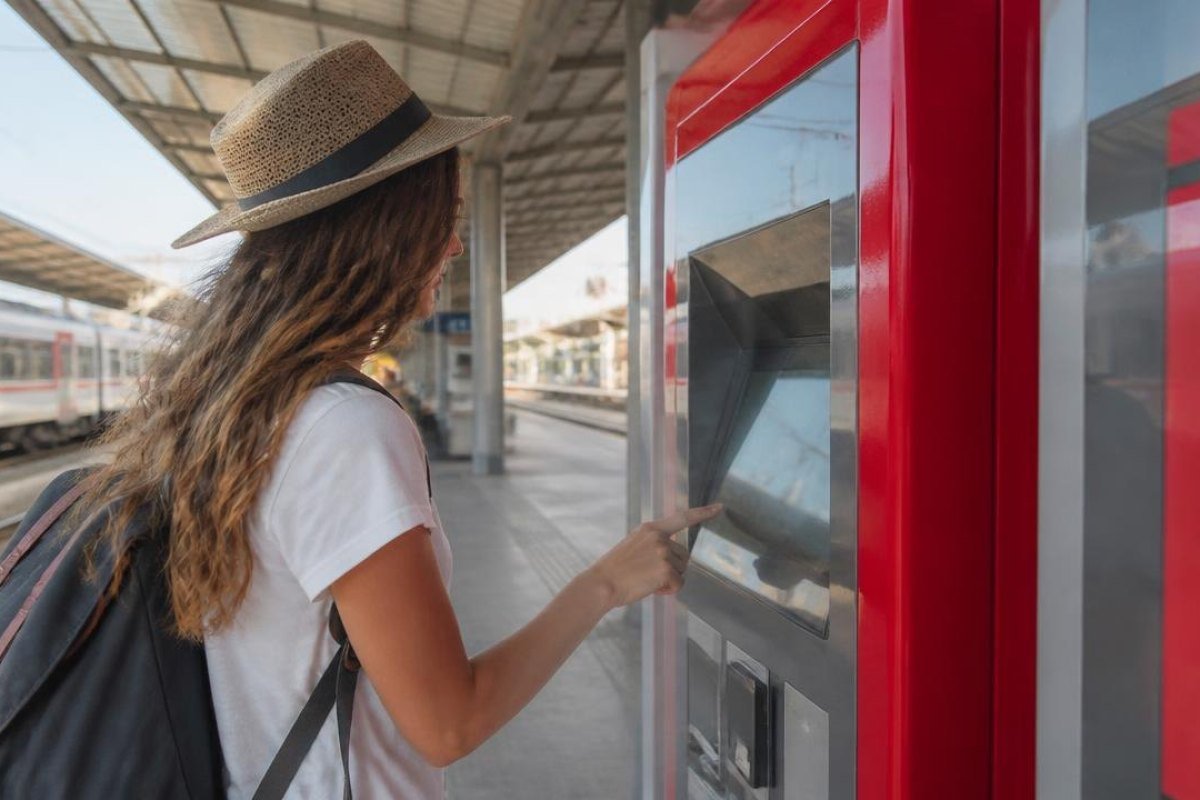
Regional trains are useful for shorter journeys and destinations not served by high-speed rail. They can connect cities with hill towns, lakes, beaches, and smaller communities, although journeys may involve more stops and fewer onboard services. Validate paper tickets before boarding when required, and keep your ticket until you leave the arrival station.
Digital regional tickets have their own activation and identification rules, while paper tickets may require validation at the station. Always follow the instructions shown at purchase and check the current conditions for the specific region or service.
How to book Italian train tickets
Use the official railway websites or apps to check live departures, platform information, and service disruptions. Trenitalia searches can be filtered by Frecce, Intercity, or regional services. Italo tickets are sold through Italo’s own booking channels and may be most useful on routes covered by its high-speed network. A complete Rome travel guide can help with planning time in the city after arriving by train.
Arrive at the station with enough time to find the correct platform and carriage. Large stations can be busy, and a train may be displayed under its final destination rather than the town where you plan to get off. For connecting journeys, allow extra time when separate tickets are involved.
Renting a Car in Italy
A car gives you flexibility in places where public transport is limited. It is particularly useful for Tuscany’s countryside, Puglia’s coastal towns, the Dolomites, rural Sicily, and wine or food-focused itineraries. It is usually less useful inside historic city centres, where parking is scarce and traffic restrictions are common.
When a rental car makes sense
Consider hiring a car when your itinerary includes several villages, beaches, agriturismi, or mountain areas. A car can also reduce the need to return to a major railway hub between rural stops. For a city-based trip focused on Rome, Florence, Venice, Milan, or Naples, staying car-free is often simpler.
For a multi-region journey, consider renting only for the rural portion. Pick up the vehicle after leaving the city and return it before travelling onward by train. This can reduce parking costs, urban driving stress, and the risk of entering restricted areas by mistake.
Driving rules, tolls, and ZTL zones
Italian motorways generally charge tolls. At toll stations, lanes may accept credit cards, cash, or electronic toll devices; follow the lane symbols and retain receipts when appropriate. Tolls depend on the route and vehicle classification, so check the likely cost when planning a long road trip.
Historic centres often contain ZTL zones, or restricted traffic areas, monitored by cameras. Access may be limited to residents, authorised vehicles, or specific hours. Do not rely solely on your navigation app: study local signs and confirm with your accommodation whether it can register your vehicle. A rental company may pass any official penalty and administration fee to the driver.
Road conditions vary from modern motorways to narrow village streets and steep mountain roads. Allow extra time for hairpin bends, summer congestion, roadworks, and limited parking. Check your rental agreement for cross-border travel, additional drivers, insurance excess, fuel policy, and one-way fees.
Practical car-rental advice
Photograph the vehicle before departure, including wheels, mirrors, windows, and the fuel level. Keep the rental documents and emergency number accessible. A smaller vehicle is often easier on narrow roads, but make sure it can carry your luggage securely.
If you plan to visit islands, mountain areas, or remote countryside, verify ferry arrangements and seasonal road conditions before committing to the route. Do not assume every accommodation has free parking; ask about private parking, overnight access, and whether the property lies inside a restricted zone.
Taking Domestic Flights in Italy
Domestic flights are most useful for long distances and island connections. They can be practical between northern Italy and Sicily or Sardinia, and sometimes between destinations where the rail journey requires several changes. However, the airport is often outside the historic centre, so compare the full door-to-door journey with the train.
Italy’s main airports are connected to cities by combinations of airport trains, scheduled buses, and taxis. Route availability, baggage rules, and airport transfer times can change, so confirm them with the airline and airport before departure.
When flying is the better option
Choose a domestic flight when it provides a substantial time saving, especially for routes involving Sicily, Sardinia, or distant southern destinations. Flying may also make sense if your international ticket naturally connects through Rome or Milan and you can book the onward segment conveniently.
For central mainland routes served by high-speed rail, trains are often more comfortable because they take you directly into the city and avoid airport check-in procedures. Compare baggage charges, airport transfers, and the recommended arrival time before choosing.
Airport planning and passenger rights
Check the airline’s current rules for checked baggage, cabin baggage, and online check-in. Allow additional time for security, seasonal queues, and transfers between terminals. If you have a tight connection on separate tickets, leave a generous margin because the first airline may not protect the second booking.
In cases of cancellation, denied boarding, or significant delay, consult the airline first and keep boarding documents, receipts, and written notifications. Italian aviation authorities provide current information about passenger rights and assistance for travellers with reduced mobility.
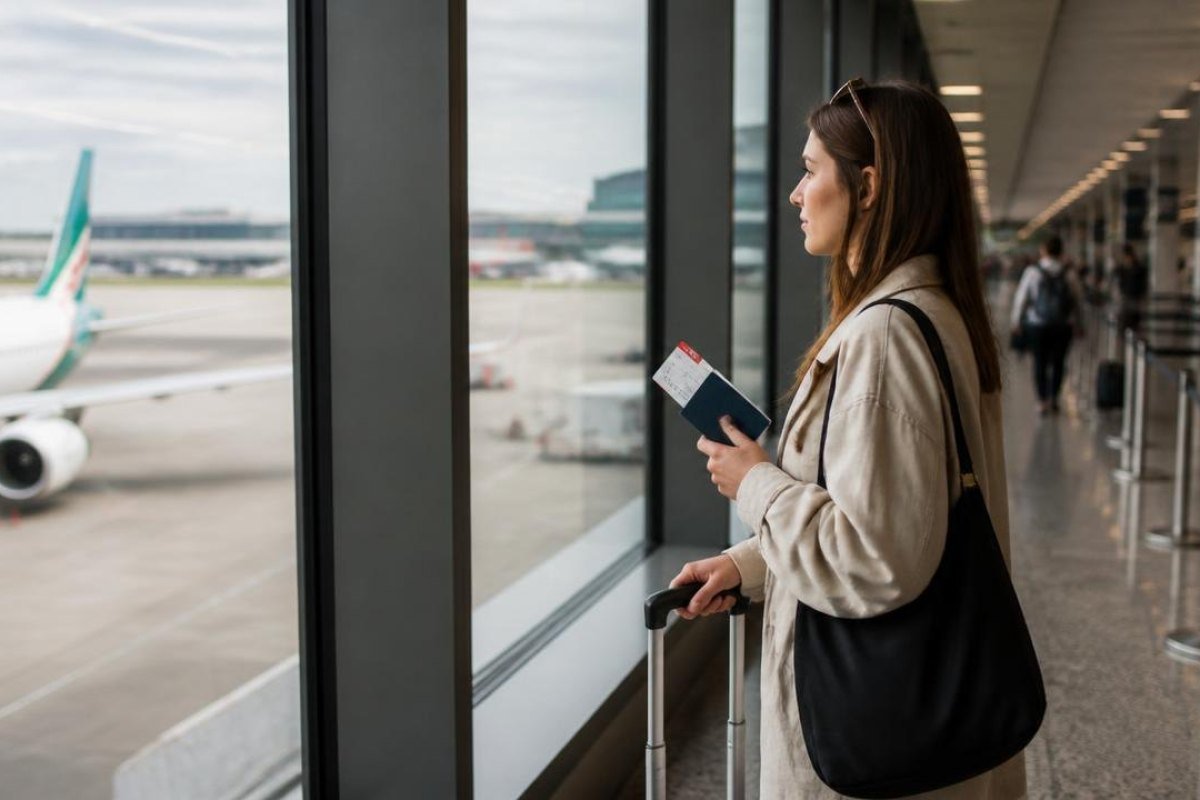
Which Transport Should You Choose?
Use the following approach when planning your itinerary:
- Choose the train for major cities, point-to-point travel between central stations, and journeys where you want to avoid parking.
- Choose a car for countryside routes, scattered villages, beaches, mountain areas, and accommodation away from railway lines.
- Choose a flight for long mainland-to-island journeys or routes where the total rail journey is considerably longer.
- Combine methods when your trip includes both famous cities and remote landscapes.
A practical itinerary might use the train for Milan, Bologna, Florence, and Rome; a rental car for Tuscany; and a flight or ferry for an island extension. Avoid changing transport every day unless the time savings are clear, since each change adds packing, transfers, and uncertainty.
Tips for a Smoother Italian Journey
Build flexibility into your schedule during busy periods. Reserve high-speed trains and popular rental cars in advance, but avoid booking tight connections when travelling on separate tickets. A one-day Rome plan can also help you organize time efficiently in the capital. Keep digital copies of tickets, rental documents, and accommodation details offline in case of weak mobile coverage.
Use official apps or transport websites for live updates rather than relying on old screenshots. Recheck train schedules, flight times, airport transfers, road restrictions, and ferry connections shortly before departure. Rules for tickets, baggage, traffic zones, and seasonal services may change.
Finally, plan around the experience you want. Trains are efficient and relaxing, cars reveal the countryside, and flights connect distant regions quickly. Italy rewards travellers who combine these options thoughtfully instead of trying to use one transport method for the entire country.