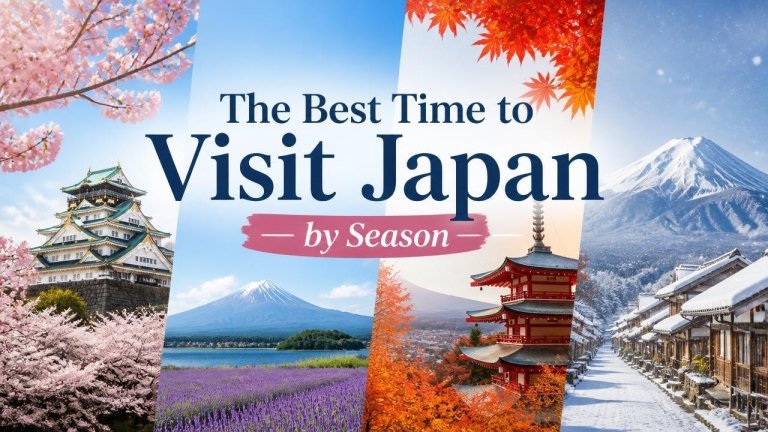
Japan is a rewarding destination in every season, but the experience changes significantly from one region to another. The country stretches from snowy Hokkaido in the north to subtropical Okinawa in the south, so weather, landscapes, and seasonal activities can vary widely.
The best time to visit Japan depends on what you want most from your trip. Spring is famous for cherry blossoms, autumn brings comfortable sightseeing weather and vivid foliage, summer is ideal for festivals and coastal escapes, while winter offers powder snow, hot springs, and fewer visitors in many areas.
When Is the Best Time to Visit Japan?
For many first-time visitors, spring and autumn offer the most comfortable conditions for exploring major cities, historic neighborhoods, gardens, and countryside. However, these popular periods can also bring higher demand and busy attractions.
Choose late March to early April if cherry blossoms are your priority, keeping in mind that bloom dates vary by region and year. Choose October and November for pleasant temperatures and autumn colors, particularly across central and southern Japan. For snow sports, look toward January and February, especially in Hokkaido and mountainous areas.
There is no single perfect month for the entire country. Your ideal itinerary should consider the region, the weather, and the seasonal experiences you want to enjoy with this first-time Japan guide.
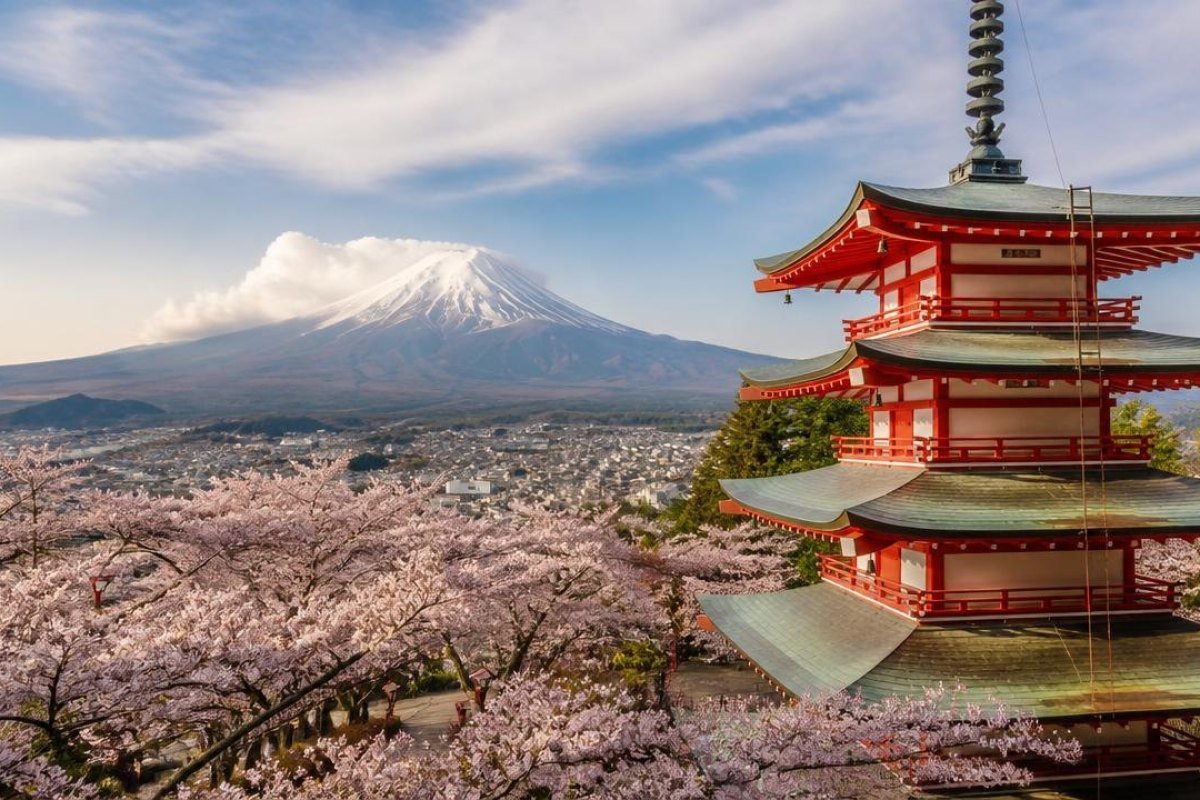
Japan in Spring: Cherry Blossoms and Fresh Greenery
Spring generally runs from March to May and is one of Japan’s most popular travel seasons. Temperatures become milder, gardens turn green, and seasonal flowers begin appearing across the country.
Why Visit Japan in Spring?
The main attraction is cherry blossom viewing, known locally as hanami. Blossoms usually appear earlier in southern areas and later farther north, meaning the season moves gradually across the country rather than happening everywhere at once.
Spring is also a good time for city walks, temple visits, and countryside excursions. Plum blossoms may be visible before the cherry blossoms, while wisteria and other flowers add color later in the season.
What to Expect in Spring
Spring weather can change quickly. Even during blossom season, mornings and evenings may feel cool, so pack layers, a light jacket, and comfortable walking shoes.
Popular viewing areas in Tokyo, Kyoto, Osaka, and other well-known destinations can become extremely busy. Accommodation and transport may require more advance planning, especially around the peak blossom period and major holiday periods.
Japan in Summer: Festivals, Fireworks, and Coastal Escapes
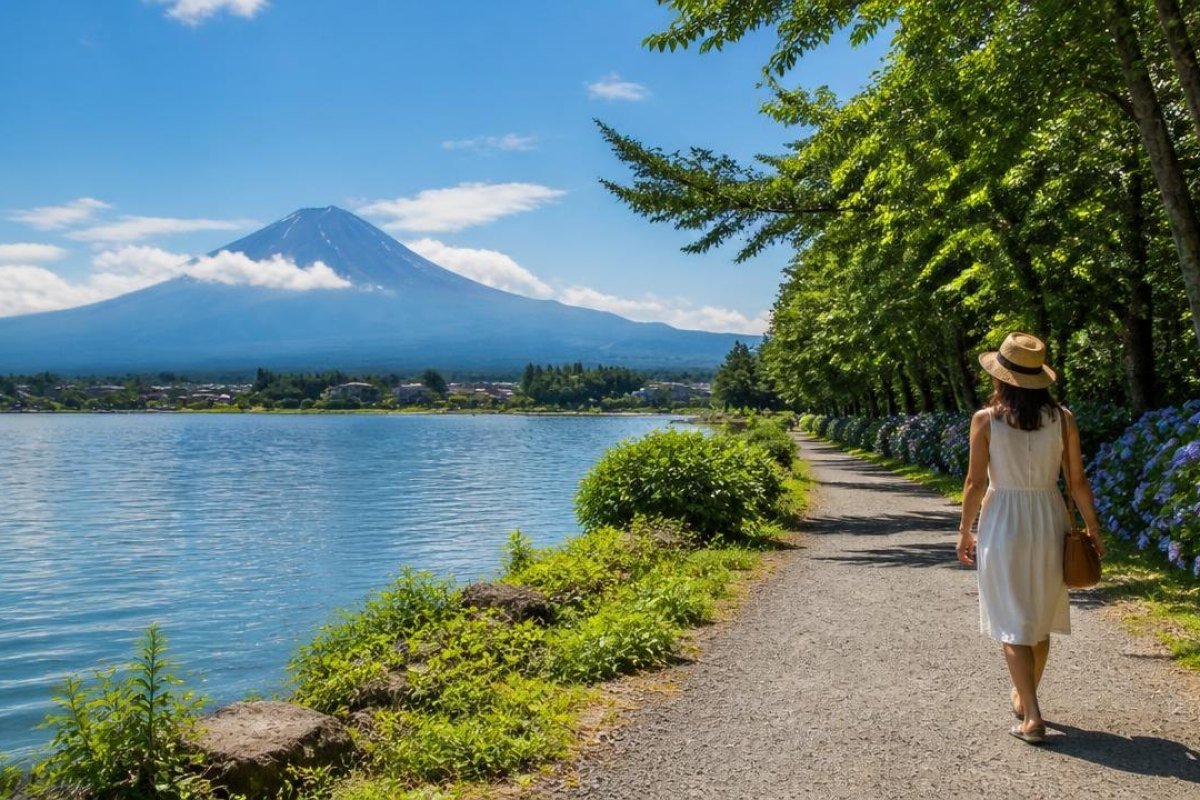
Summer usually covers June through August. Much of Japan is hot and humid, while the rainy season affects many regions around early summer. Northern Japan and mountain areas can offer cooler conditions.
Why Visit Japan in Summer?
Summer is the season for fireworks festivals, traditional matsuri, and lively evening streets. Coastal destinations, islands, and mountain resorts become especially appealing, while hiking opportunities open in many highland areas.
Travelers who enjoy local culture may find summer particularly rewarding. Festivals often include parades, food stalls, and traditional performances, although dates and arrangements vary by destination.
What to Expect in Summer
Expect high humidity, strong sunlight, and occasional heavy rain. Lightweight clothing, sun protection, and regular hydration are important for long days outdoors.
August and September can bring typhoons, which may affect flights, ferries, hiking plans, and outdoor events. Before traveling, check the weather forecast, transport updates, and official local guidance.
Japan in Autumn: Comfortable Weather and Colorful Leaves
Autumn is one of the best seasons for sightseeing, particularly from October through November in much of central Japan. Temperatures become more comfortable after summer, humidity often decreases, and forests and gardens gradually turn red, orange, and gold.
Why Visit Japan in Autumn?
The season is ideal for walking tours, scenic train journeys, and visits to temples surrounded by foliage. Autumn colors generally begin in northern and higher-elevation areas before moving southward.
Kyoto, Tokyo, Nikko, Kanazawa, the Japanese Alps, and parts of Kyushu can all offer memorable autumn scenery, but the timing differs by location. In many central areas, the most dramatic colors appear from mid-November into early December.
What to Expect in Autumn
Autumn is generally comfortable, but evenings can become cool. Bring extra layers, plan for popular viewpoints to be busy, and allow flexibility if you are traveling specifically for peak foliage.
Typhoon season can affect parts of September and early autumn. Later autumn often provides more stable conditions, although mountain weather can still change rapidly.

Japan in Winter: Snow, Hot Springs, and Fewer Crowds
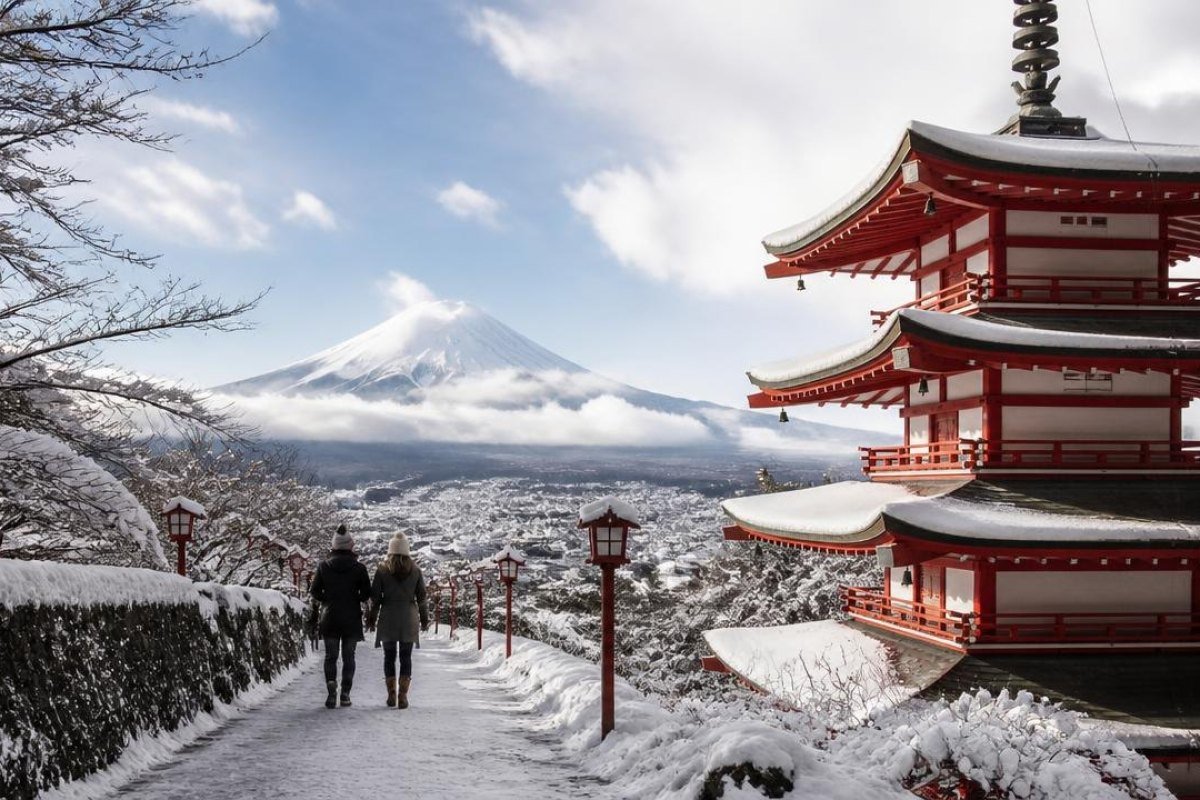
Winter runs from December to February. Conditions vary widely: Hokkaido, Tohoku, and mountainous regions can receive heavy snow, while southern and coastal areas may remain considerably milder.
Why Visit Japan in Winter?
Winter is the best season for skiing and snowboarding, particularly in Hokkaido and the Japanese Alps. Snow-covered landscapes also create striking scenery in mountain villages, temples, and rural areas.
Travelers can combine outdoor activities with onsen bathing, warming regional cuisine, and winter illuminations. Okinawa offers a milder alternative for visitors who want to avoid severe cold.
What to Expect in Winter
Snow can affect roads, rail services, hiking routes, and mountain access. Pack warm clothing, waterproof footwear, and flexible plans if you are traveling through snowy regions.
Some attractions may operate on seasonal schedules, while New Year is an important holiday period when transport and accommodation demand can change. Check official attraction and transport information before finalizing your itinerary.
Best Time to Visit Japan by Travel Interest
Different travel goals suit different seasons. Matching your plans to the calendar can help you avoid disappointing weather and make your practical Japan itinerary more focused.
For Cherry Blossoms
Plan for late March and early April in many popular central destinations, but remember that blossom timing varies. Southern areas may bloom earlier, while Hokkaido typically blooms later.
For Autumn Foliage
Consider October and November, with northern and mountainous regions changing earlier than Tokyo, Kyoto, Osaka, and southern Japan. Official foliage forecasts become more useful closer to the season.
For Skiing and Snow
January and February are strong choices for reliable winter conditions in major ski regions. Snowfall and resort operations vary, so confirm conditions with the resort before booking.
For Festivals and Fireworks
Summer is the main season for fireworks, street festivals, and outdoor cultural events. Event dates can change, so check the official event calendar for the destination you plan to visit.
For Lower-Crowd Travel
Winter outside the major holiday periods can offer quieter attractions and attractive conditions for city breaks. Early summer and late autumn may also be worth considering, depending on rainfall, regional events, and your destination.
Regional Differences to Consider
Japan’s long north-to-south geography means that seasonal labels are only a starting point. Hokkaido has colder winters and later spring blooms, while Okinawa remains warm for much of the year.
Mountain areas can be cooler than nearby cities, and higher elevations may retain snow into spring. The Sea of Japan side can receive substantial winter snowfall, while Pacific-facing cities may have clearer winter weather.
Before booking, compare the expected conditions for Tokyo, Kyoto, Hokkaido, or any other region on your route rather than relying on a nationwide average.
Practical Tips for Choosing Your Travel Dates
Start by selecting your main experience: blossoms, foliage, snow sports, or festivals. Then build the route around regional timing instead of assuming every destination will be at its seasonal peak simultaneously.
Reserve popular accommodation early for spring and autumn, especially in Kyoto, Tokyo, and major scenic areas. This is particularly important when deciding where to stay in Tokyo. For summer and winter, check possible weather disruptions before scheduling tightly timed connections.
Finally, review official forecasts and local updates shortly before departure. Bloom dates, foliage conditions, typhoon impacts, snowfall, and event arrangements can all change from year to year.
Final Verdict: Which Season Is Best for Japan?
For a first visit focused on classic sightseeing, spring and autumn are often the most comfortable choices. Spring offers iconic blossoms, while autumn combines pleasant weather with spectacular foliage.
Choose summer for festivals, fireworks, beaches, and mountain escapes. Choose winter for skiing, snowy landscapes, hot springs, and a quieter atmosphere in many non-ski destinations.
The best time to visit Japan is ultimately the season that matches your priorities. With careful regional planning and realistic expectations about weather and crowds, every time of year can provide a memorable journey.

