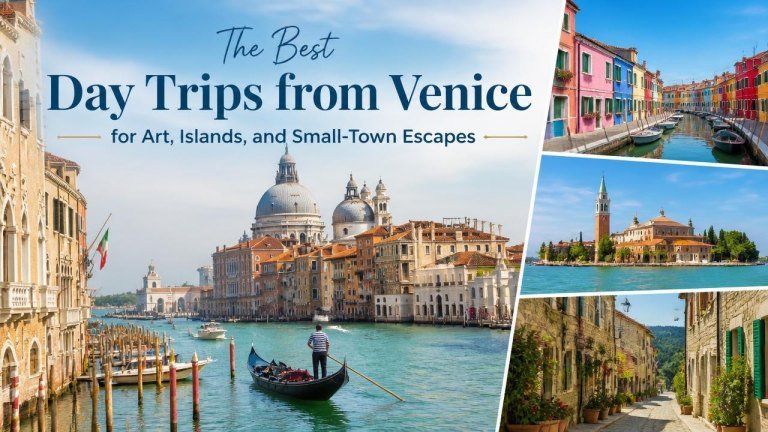
The Best Day Trips from Venice for Art, Islands, and Small-Town Escapes
Venice rewards slow exploration, but its location also makes it an excellent base for discovering the wider Veneto. Within a manageable journey, you can move from glassmaking islands and colorful fishing villages to medieval frescoes, elegant Palladian buildings, and relaxed regional towns.
The best day trip depends on the kind of experience you want. Choose the lagoon islands for atmosphere, Padua for art and history, Verona for a full urban day, or smaller destinations such as Treviso and Chioggia for a quieter change of pace.
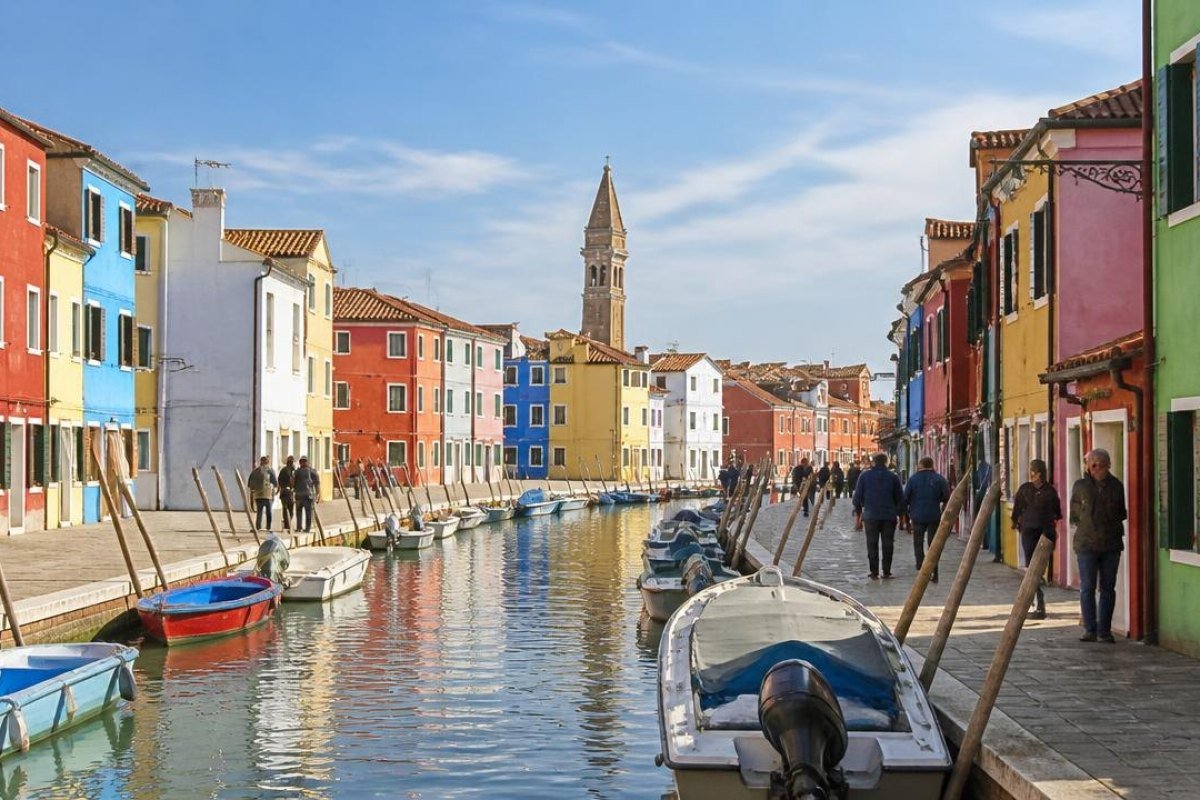
Murano, Burano, and Torcello: The Classic Lagoon Island Day Trip
The northern lagoon offers one of the easiest and most rewarding excursions from Venice. A day combining Murano’s glass workshops, Burano’s vivid houses, and Torcello’s ancient atmosphere reveals three very different sides of lagoon life.
Public water transport connects the islands, although journey times and service patterns vary by season. Check the official vaporetto information before leaving, and allow extra time if you want to visit more than two islands without rushing.

Murano: Glass, Canals, and Craft Tradition
Murano is the natural first stop for travelers interested in decorative glass, working studios, and Venetian craftsmanship. Visit a glass museum or workshop, then walk along the canals and quieter residential streets away from the main landing points.
Some demonstrations are arranged for visitors, while others depend on the individual workshop and time of year. Treat demonstrations as an introduction to the craft rather than a guarantee that every shop will be actively producing glass during your visit.
Burano: Colorful Streets and Lagoon Views
Burano is known for its brightly painted homes, traditional lace heritage, and photogenic canals. It is best enjoyed on foot: wander beyond the busiest lanes, pause beside the water, and look for small bakeries and local restaurants.
The island is compact, but it can feel busy around midday. Arriving earlier or staying later makes it easier to appreciate the quiet alleys and soft lagoon light without turning the visit into a quick photo stop.
Torcello: A Quieter Historical Contrast
Torcello offers a striking contrast to Burano. Its sparse landscape, religious monuments, and long historical importance create a sense of Venice before Venice. The island is particularly appealing to travelers who prefer archaeology, medieval architecture, and silence over shopping.
Wear comfortable shoes, as the visit involves walking along paths between the landing area and the principal sights. Confirm the opening arrangements of individual monuments before traveling, especially outside the main season.
Padua: The Best Day Trip for Art and Frescoes
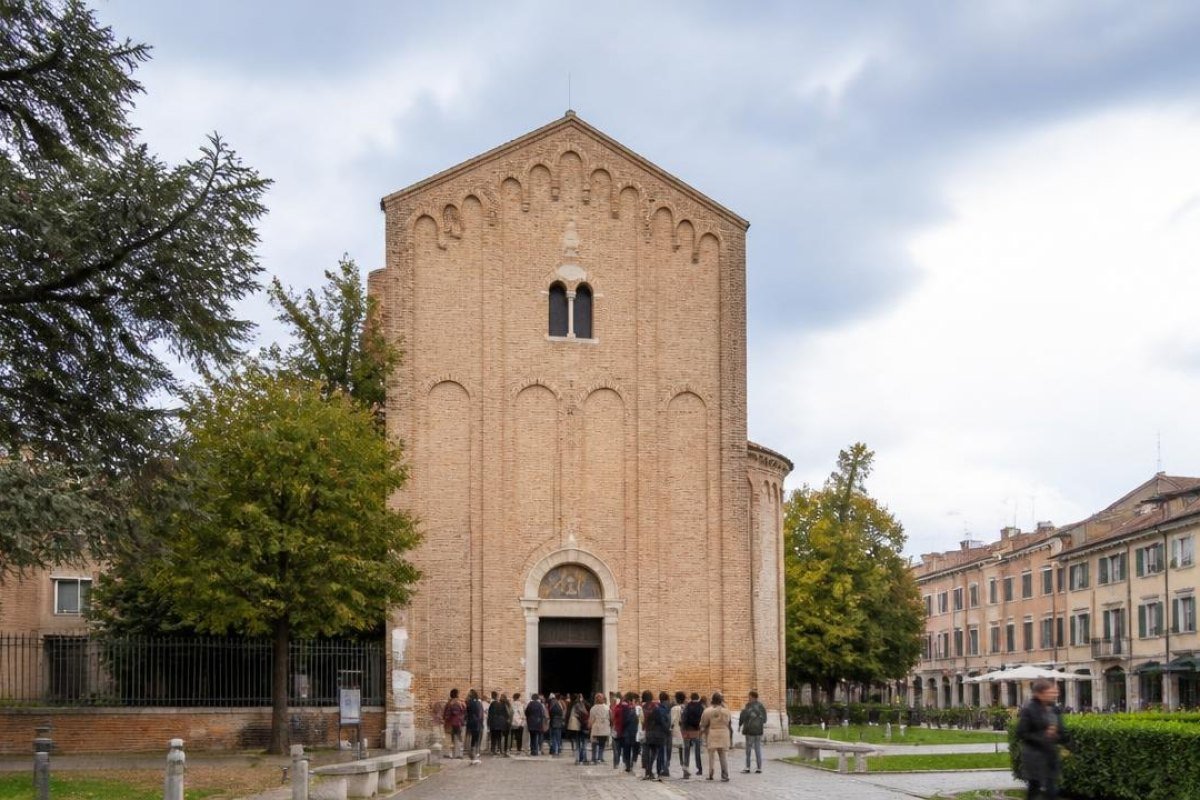
Padua is one of the strongest choices for art lovers. Its major draw is the Scrovegni Chapel, where Giotto’s early-fourteenth-century fresco cycle transformed the language of European painting. The city also forms part of the UNESCO-recognized Padua Urbs Picta network of frescoed sites.
A typical visit can combine the chapel with the nearby Eremitani Civic Museums, the historic markets around the central squares, and the Basilica of Saint Anthony. The compact center makes Padua well suited to a self-guided walking day.
Planning Your Scrovegni Chapel Visit
Advance planning is essential because access is controlled and visits take place at scheduled times. Reserve through the official booking channel, arrive early, and check the current rules before setting out. The chapel’s limited visitor flow, conservation requirements, and timed admission are part of protecting the frescoes.
After the chapel, allow time for the nearby museums, where the collections help explain Padua’s artistic development. Do not underestimate the pleasure of simply walking through the city’s arcaded streets and lively piazzas.
Verona: Roman Heritage, Shakespearean Associations, and Elegant Streets
Verona works well as a full-day city excursion for travelers who want a destination with Roman history, medieval architecture, and a lively café culture. The Arena is the city’s most recognizable landmark, while the historic center rewards unhurried walking between piazzas, churches, and river views—an approach also useful when planning one day in Rome.
Shakespearean associations draw many visitors, but Verona is more than a literary destination. Explore the old streets, look for viewpoints above the city, and consider joining an official guided walk if you want deeper historical context.
Because Verona is farther from Venice than the lagoon islands or Padua, check train times carefully and plan the return journey before committing to evening activities. A day trip is most comfortable when you choose a small number of priorities rather than attempting every major sight, and understanding getting around Italy by train can help with the planning.
Vicenza: Palladian Architecture Beyond Venice
Vicenza is an excellent choice for architecture enthusiasts. The city is closely associated with Andrea Palladio, whose work shaped European ideas about proportion, symmetry, and the classical tradition. Its highlights include the Teatro Olimpico, historic palaces, and the distinctive Villa Almerico Capra, better known as La Rotonda.
The central Palladian route is walkable, but individual buildings may have different access arrangements or visiting schedules. Check official information before traveling, especially if a particular interior is the main reason for your visit.
Vicenza has a calmer rhythm than Venice and is a good option for travelers who enjoy architectural details, quiet squares, and a less crowded cultural itinerary. Combine indoor visits with a relaxed lunch in the historic center.
Treviso: Canals, Arcades, and a Slower Veneto Experience
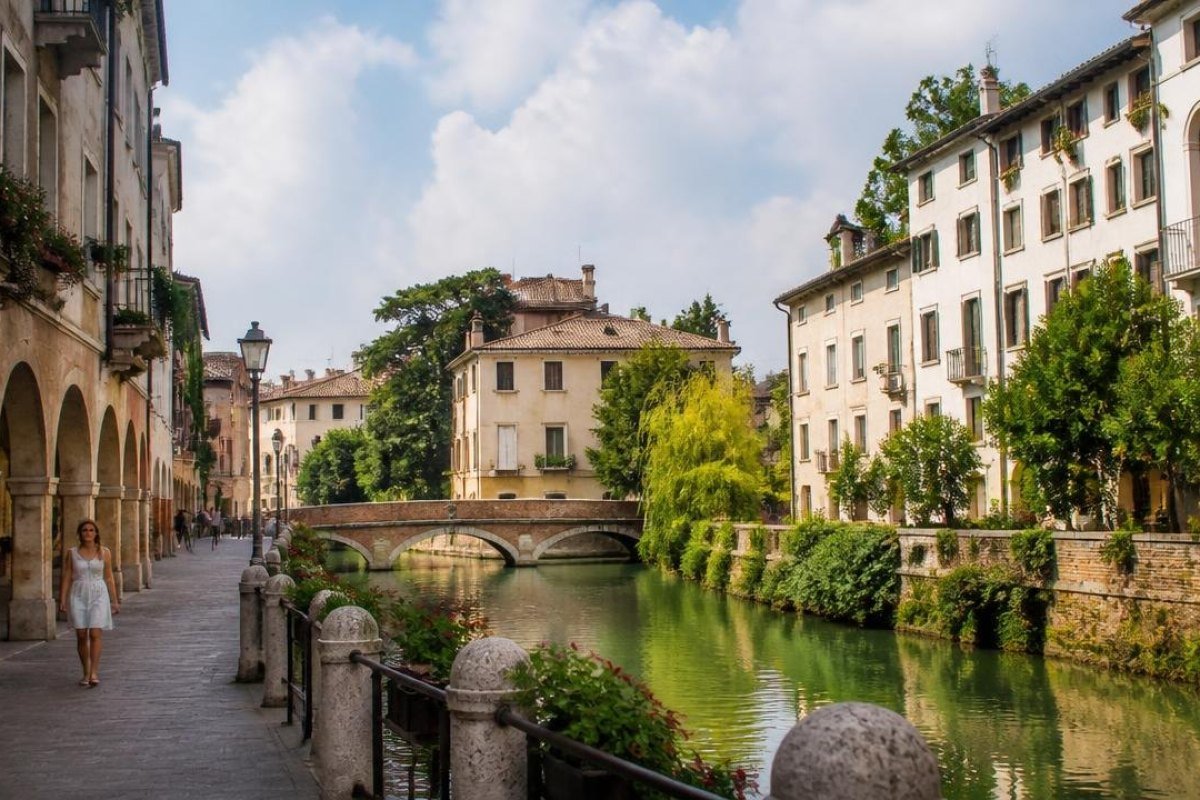
Treviso offers a gentler alternative to the region’s major tourist cities. Its historic center is shaped by waterways, brick walls, arcaded streets, and attractive squares. The city is easy to explore on foot and works especially well for visitors who want a relaxed day without a long list of ticketed attractions.
Spend time walking beside the canals, visiting local churches, and browsing food shops rather than trying to recreate the pace of Venice. Treviso is also a useful destination for sampling regional dishes in a more local setting, although restaurant opening days and hours should be checked in advance.
Chioggia: A Smaller Maritime City in the Southern Lagoon
Often described as a smaller, more local-feeling cousin of Venice, Chioggia is a rewarding choice for travelers interested in fishing traditions, seafood markets, and everyday lagoon life. Its historic center has canals, bridges, and a long main street lined with shops and cafés.
Chioggia feels different from Venice because it remains closely connected to working maritime life. Walk along Corso del Popolo, explore the waterfront, and consider extending the day toward nearby Sottomarina if you want a seaside atmosphere.
Transport can be more complicated than for the islands or Padua, depending on your starting point and the current combination of buses and boats. Verify the day’s connections before departure and allow a generous margin for the return.
How to Choose the Right Venice Day Trip
For the most iconic lagoon experience, choose Murano and Burano. For exceptional art, choose Padua. Verona suits travelers who want a major historic city, while Vicenza is the strongest option for Palladian architecture.
- Best for first-time visitors: Murano, Burano, and Torcello.
- Best for serious art lovers: Padua and the Scrovegni Chapel.
- Best for architecture: Vicenza.
- Best for a complete city day: Verona.
- Best for a slower local atmosphere: Treviso or Chioggia.
- Best for families: Murano, Burano, or Verona, depending on transport tolerance.
Practical Planning Advice
Start early, particularly for the islands and any destination involving a timed attraction. Check official transport updates, museum reservations, and seasonal opening information shortly before travel, since services and access arrangements can change.
Wear comfortable shoes and carry water. Venice-area day trips often involve uneven paving, bridges, station walks, and time outdoors. In warmer months, build shade and rest stops into your itinerary rather than treating every destination as a race between landmarks.
Keep your plan flexible. Fog, high water, transport delays, or an unexpectedly crowded attraction can change the day. The most enjoyable excursions usually balance one major sight with unstructured walking, local food, and time to notice the character of the destination.
Final Thoughts
Venice’s day-trip possibilities are unusually varied. The lagoon islands offer color and craft, Padua delivers some of Italy’s most important frescoes, Vicenza celebrates Palladian design, and towns such as Treviso and Chioggia provide a more relaxed view of the Veneto.
Choose one destination that matches your interests, verify the practical details before leaving, and resist the temptation to combine too many places in one day. A carefully chosen excursion can add artistic depth, regional variety, and a welcome change of pace to your Venice itinerary, much like a practical Italy itinerary.