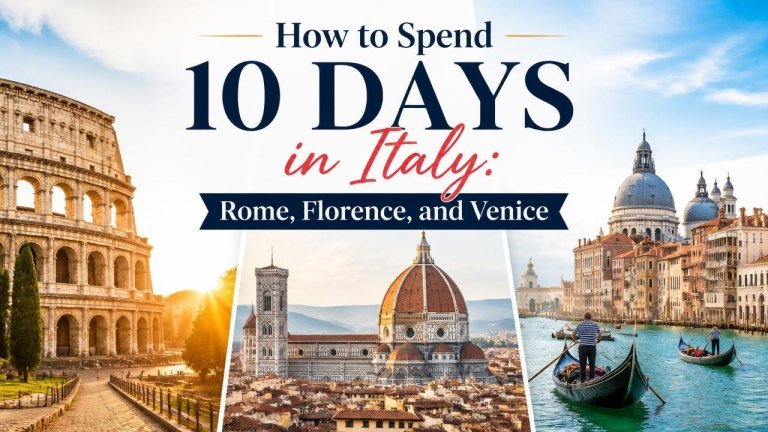
How to Spend 10 Days in Italy: Rome, Florence, and Venice
Ten days is enough to experience three of Italy’s most rewarding cities without turning the trip into a race. This itinerary begins in Rome, continues to Florence, and ends in Venice, creating a logical northbound route with convenient high-speed train connections between the main stops.
The plan balances ancient history, Renaissance art, and Venetian atmosphere. You will see celebrated landmarks, but there is also time for neighborhood walks, long lunches, scenic viewpoints, and unplanned discoveries.
For the smoothest experience, book major attractions in advance, travel with manageable luggage, and avoid filling every hour. Italy is best enjoyed at a relaxed pace.
Trip Overview
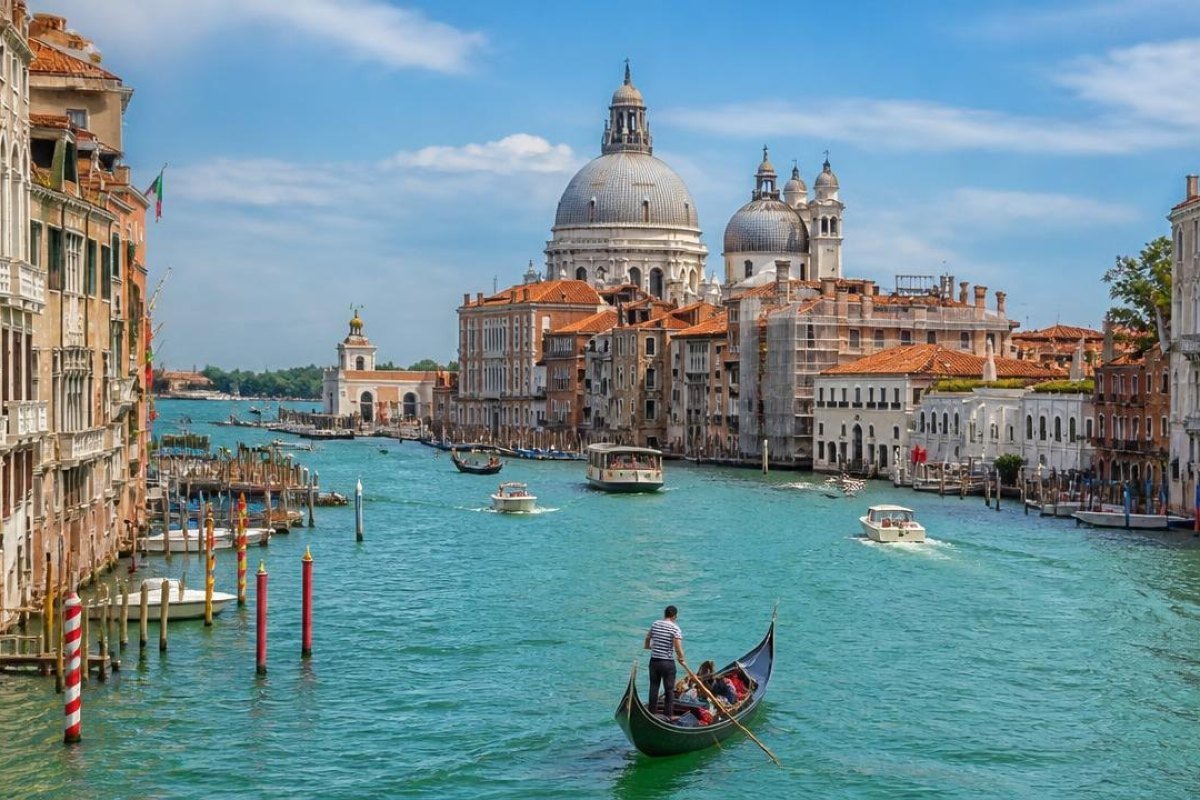
The itinerary works well as a 10-day city-hopping route with four nights in Rome, three nights in Florence, and three nights in Venice. If your international flight schedule requires it, you can adjust the first or last night without changing the overall structure.

- Days 1–4: Rome, including the Colosseum, Roman Forum, Vatican City, and central piazzas.
- Days 5–7: Florence, with the Duomo, Uffizi Gallery, historic center, and an optional Tuscan outing.
- Days 8–10: Venice, including St. Mark’s Square, the Grand Canal, quieter sestieri, and the lagoon islands.
Arriving in Rome and departing from Venice is usually more efficient than returning to the starting city. Check your airline options before booking, as open-jaw fares can vary by season and departure airport.
Days 1–4: Rome
Rome deserves several days because its highlights are spread across different neighborhoods. The city combines imperial ruins, Baroque fountains, and neighborhood life, so try to alternate major sights with slower walks.
Day 1: Arrive and Explore Centro Storico
After checking in, keep your first day light. Walk through the Pantheon area, visit Piazza Navona, and continue toward the Trevi Fountain. These sights are close enough to connect on foot, although the streets can be crowded during the busiest hours.
For dinner, explore a trattoria away from the most heavily trafficked squares. Look for a menu featuring Roman classics such as cacio e pepe, amatriciana, carbonara, or supplì. An early night will help you adjust after your journey.
Day 2: Ancient Rome
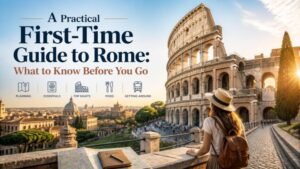
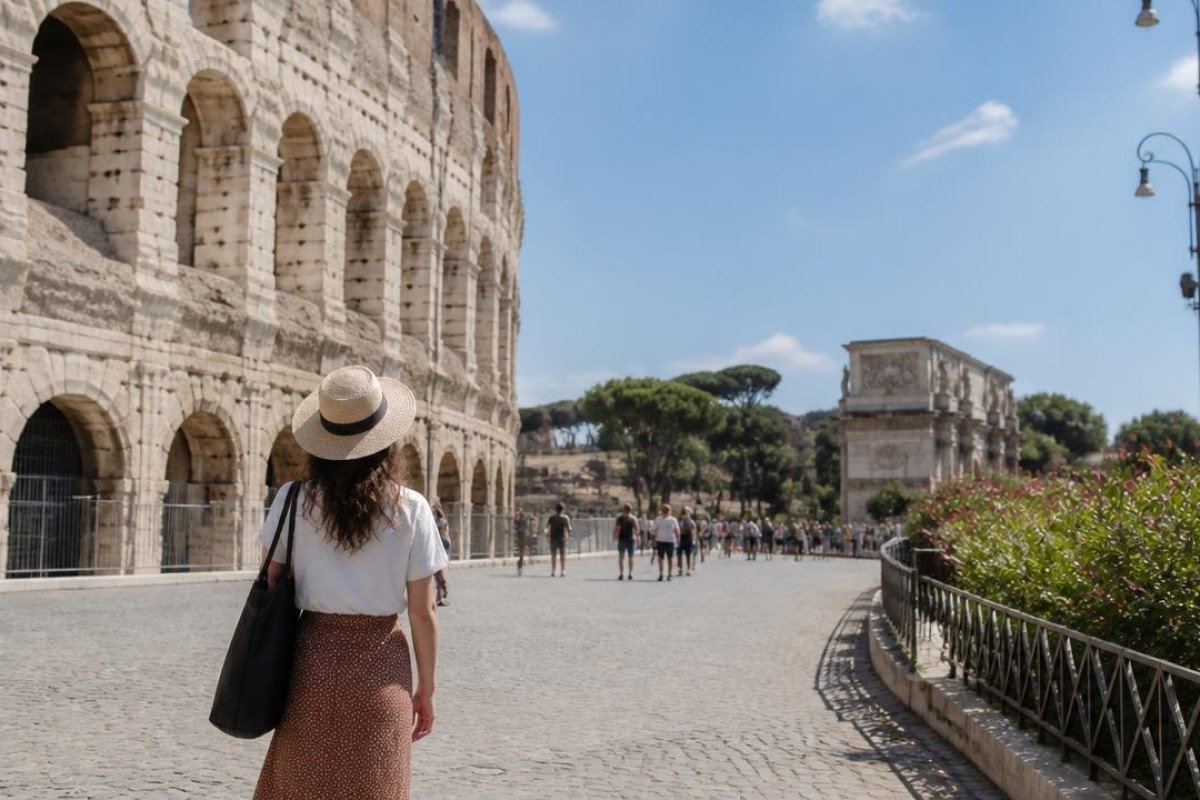
Start with a timed visit to the Colosseum, then allow several hours for the Roman Forum and Palatine Hill. The archaeological area is extensive, with limited shade in places, so comfortable shoes, water, and sun protection are useful.
Official Colosseum tickets require attention to the selected entry option and time slot. Ticket types, availability, opening arrangements, and access rules can change, so use the official booking platform and confirm details close to your visit.
In the late afternoon, walk toward Monti for small shops, relaxed cafés, and dinner. This neighborhood is close to the Colosseum but has a more local evening atmosphere.
Day 3: Vatican City and Trastevere
Reserve the morning for the Vatican Museums, Sistine Chapel, and St. Peter’s Basilica. Allow more time than the map suggests, since museum routes are long and security procedures may add to your visit.
Dress respectfully for religious sites, and verify current entry requirements before going. After lunch, cross the Tiber and wander through Trastevere. Its narrow lanes, ivy-covered façades, and lively restaurants make it especially enjoyable in the early evening.
Day 4: Rome at Your Own Pace
Use your final Rome day for a flexible combination of Villa Borghese, Spanish Steps, and Campo de’ Fiori, or choose an ancient site such as the Baths of Caracalla or the Appian Way.
A slower day is valuable after two demanding sightseeing days. Stop for espresso, browse a food market, or return to a piazza you enjoyed earlier. Rome rewards travelers who leave room for spontaneous discoveries, long lunches, and evening passeggiate.
Days 5–7: Florence
Take a high-speed train from Rome to Florence. The journey is generally much faster than traveling by road, but train times and fares vary, so check the current schedule and station information when booking.
Florence is compact and easy to explore on foot. Its central attractions include Renaissance masterpieces, historic churches, and riverfront views.
Day 5: Arrive and Discover the Historic Center
After arriving at Santa Maria Novella station, walk into the center and begin with Florence Cathedral, the Baptistery, and Giotto’s Campanile. Depending on your ticket and energy level, you can visit the interior or simply admire the remarkable exterior.
Continue to Piazza della Signoria and the Loggia dei Lanzi before crossing the Ponte Vecchio. Finish the day in the Oltrarno district, where artisan workshops, wine bars, and quieter streets offer a welcome change from the busiest tourist routes.
Day 6: Uffizi Gallery and Florence’s Viewpoints
Spend the morning at the Uffizi Gallery, one of the world’s essential collections of Italian art. Advance booking is sensible, particularly for popular dates. The official gallery website provides current ticketing information, reservation options, and updates.
In the afternoon, choose between Palazzo Pitti, the Boboli Gardens, or a relaxed walk along the Arno. At sunset, climb to Piazzale Michelangelo for one of Florence’s most memorable city views. Arrive early if you want an unobstructed viewpoint.

Day 7: Choose Between Tuscany and More Florence
For a countryside experience, consider a day trip to Siena, San Gimignano, or the Chianti area through a reputable operator or carefully planned public transport. Confirm the day’s transport arrangements before committing, as rural connections can be less frequent than city trains.
If you prefer to stay in Florence, visit the Accademia Gallery, explore Santa Croce, or take a food-focused walk through the market district. Staying in the city avoids a rushed day and gives you more time for museums and cafés.
Days 8–10: Venice
Travel by train from Florence to Venice. Arrive at Venezia Santa Lucia if you want to step directly into the historic center. From there, the city unfolds through bridges, canals, and pedestrian lanes rather than conventional roads.
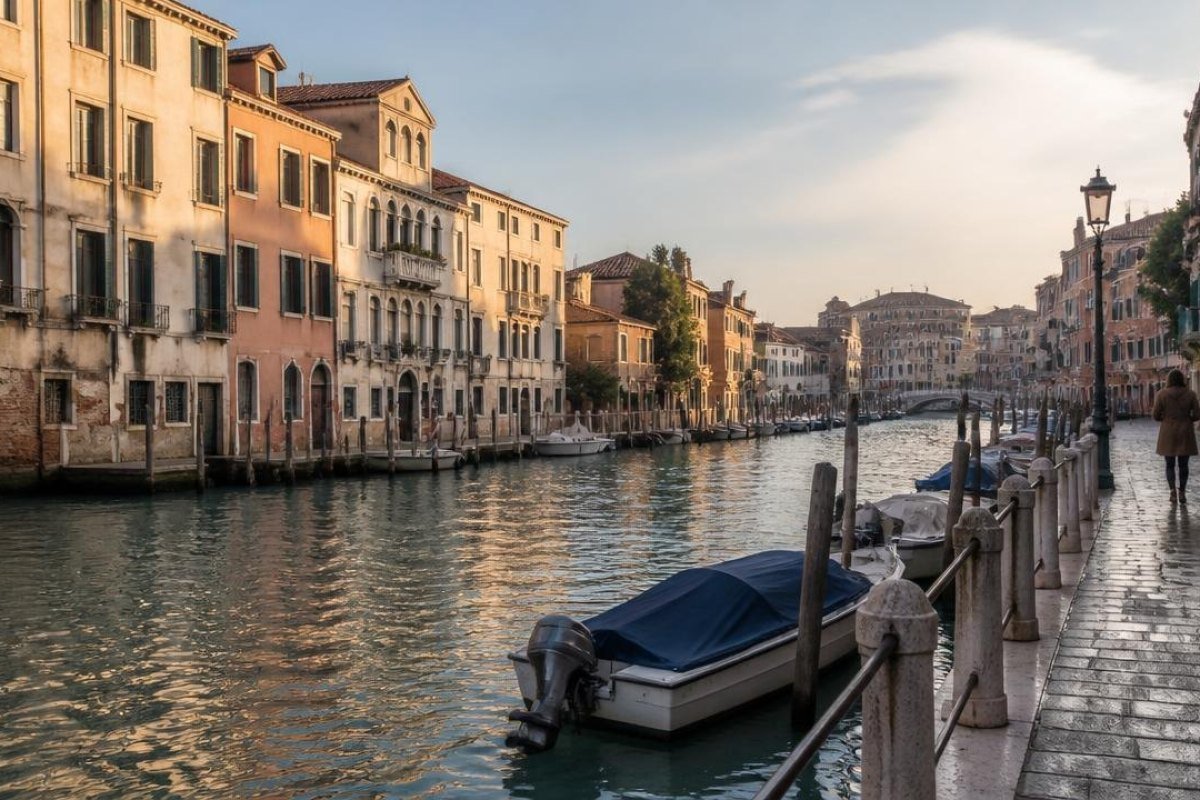
Venice is best experienced with a balance of famous landmarks, quiet backstreets, and time on the water. Pack light if possible, since bridges and uneven pavements make heavy luggage inconvenient.
Day 8: St. Mark’s Square and the Grand Canal
Begin with St. Mark’s Square, St. Mark’s Basilica, the Doge’s Palace, and the Bridge of Sighs. Check official websites for current reservation systems, dress requirements, special exhibitions, and access arrangements before visiting.
In the afternoon, walk away from the square toward Castello or Dorsoduro. These areas provide a calmer introduction to Venice, with small churches, local bars, and canals that are less crowded than the main sightseeing corridor.
Day 9: Islands or Hidden Venice
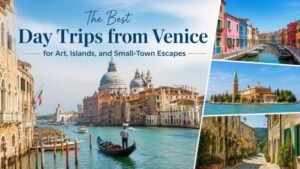
Choose a lagoon excursion to Murano, Burano, and possibly Torcello, or spend the day exploring Cannaregio and San Polo. Island visits depend on vaporetto schedules and weather, so allow flexibility.
Murano is associated with glassmaking, while Burano is known for colorful houses and a slower pace. If you stay in the city, look for small campo squares, traditional cicchetti bars, and views along quieter sections of the Grand Canal.
Day 10: A Slow Final Morning
Use your final morning for a canal-side breakfast, a last walk through Dorsoduro, or a return to a favorite landmark before departure. Avoid scheduling a distant excursion on this day, especially if you need to connect with a flight.
Allow extra time for transfers. Water buses, private water taxis, airport buses, and trains serve different parts of the wider Venice area, and the best option depends on your accommodation and departure airport.
How to Travel Between Rome, Florence, and Venice
High-speed trains are usually the most practical choice for this itinerary. They connect Rome Termini, Firenze Santa Maria Novella, and Venezia Santa Lucia, placing you close to each city’s main historic center.
Book through the official railway operators when possible, compare the arrival station carefully, and review the conditions attached to your fare. Earlier reservations may offer more attractive prices, while flexible tickets can be useful if your plans may change.
For local transport, Rome uses buses, trams, and metro lines; Florence is largely walkable; and Venice relies on walking and water transport. Validate or activate local tickets according to the current instructions displayed by the relevant transport authority.
Where to Stay
Rome
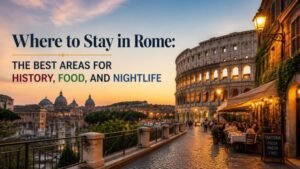
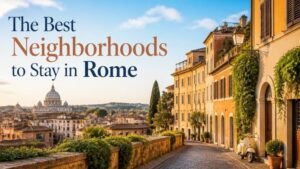
For convenient sightseeing in Rome, look for Centro Storico, Monti, Prati, or Trastevere. Staying near a metro station can be useful, but a central location often saves time because many attractions are best reached on foot.
Florence
Santa Maria Novella is practical for train connections, while the Duomo area keeps you close to major sights. Oltrarno offers a more residential feel and easy access to artisan workshops, restaurants, and sunset viewpoints.
Venice
San Marco is central but busy and often more expensive. Dorsoduro, Cannaregio, and Castello can offer a more balanced stay with quieter evenings, local restaurants, and attractive walking routes.
Food to Try Along the Route
In Rome, look for carbonara, amatriciana, and Roman-style pizza. Florence is ideal for bistecca alla fiorentina, ribollita, lampredotto, and Tuscan pecorino. In Venice, sample cicchetti, sarde in saor, baccalà mantecato, and seafood from the lagoon.
Eat lunch slightly away from the main monuments for better value and a calmer setting. In busy areas, check whether bread, service, or table charges are listed on the menu before ordering.
For gelato, look for shops that store their gelato in covered containers rather than tall, brightly colored displays. This is not an absolute rule, but it can be a helpful quality clue.
Practical Planning Tips
- Reserve early: Book the Colosseum, Vatican Museums, Uffizi Gallery, and other timed attractions as soon as your dates are firm.
- Wear comfortable shoes: Cobblestones, archaeological sites, bridges, and long museum routes make supportive footwear essential.
- Travel light: A compact suitcase is easier on trains, stairs, bridges, and Venice’s uneven streets.
- Check official updates: Opening hours, ticket conditions, transport arrangements, and temporary closures can change.
- Plan around energy: Pair one major museum or archaeological site with a lighter afternoon whenever possible.
- Keep valuables secure: Use normal city-travel awareness in crowded stations, public transport, and busy landmarks.
Final Thoughts
This 10-day route gives you a strong first taste of Italy without trying to cover the entire country. Rome provides history and scale, Florence delivers art and elegance, and Venice closes the journey with waterfront atmosphere.
Keep the structure, but leave space for detours. The most memorable moments may be a quiet Roman church, a Tuscan lunch, a Florence sunset, or a Venetian alley discovered without a plan.