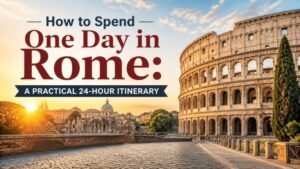
Choosing Rome’s best areas for first-time visitors can shape your entire trip. The city’s historic center is wonderfully walkable, but each neighborhood offers a different experience: some put ancient monuments outside your door, while others are better for local food, evening atmosphere, quieter streets, or convenient public transport.
This guide compares the best areas to stay in Rome and explains who each neighborhood suits best. Whether you are visiting for the first time, traveling with family, looking for nightlife, or hoping to experience a more residential side of the city, you can find a practical base here.
Centro Storico: Best for First-Time Visitors
Rome’s Centro Storico is the classic choice for travelers who want to spend as much time as possible among the city’s most famous sights. Staying around the Pantheon, Piazza Navona, Campo de’ Fiori, or the Trevi area places you close to magnificent churches, Baroque squares, fountains, restaurants, and shopping streets.
The greatest advantage is walkability. Many major attractions can be linked together on foot, making it easy to return to your accommodation for a break before heading out again. The area is especially convenient for short stays when you want to see as much as possible without relying heavily on public transport.
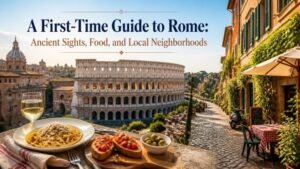
The trade-off is that the most central streets can feel busy and tourist-oriented, particularly around the best-known monuments. Accommodation may also be more expensive, and quieter rooms are worth prioritizing if you are sensitive to evening activity.
Why choose Centro Storico?
Choose this area for iconic landmarks, easy sightseeing, and a strong sense of historic Rome. It is ideal for first-time visitors, couples on a short city break, and anyone who values being able to walk back from dinner or an evening stroll.
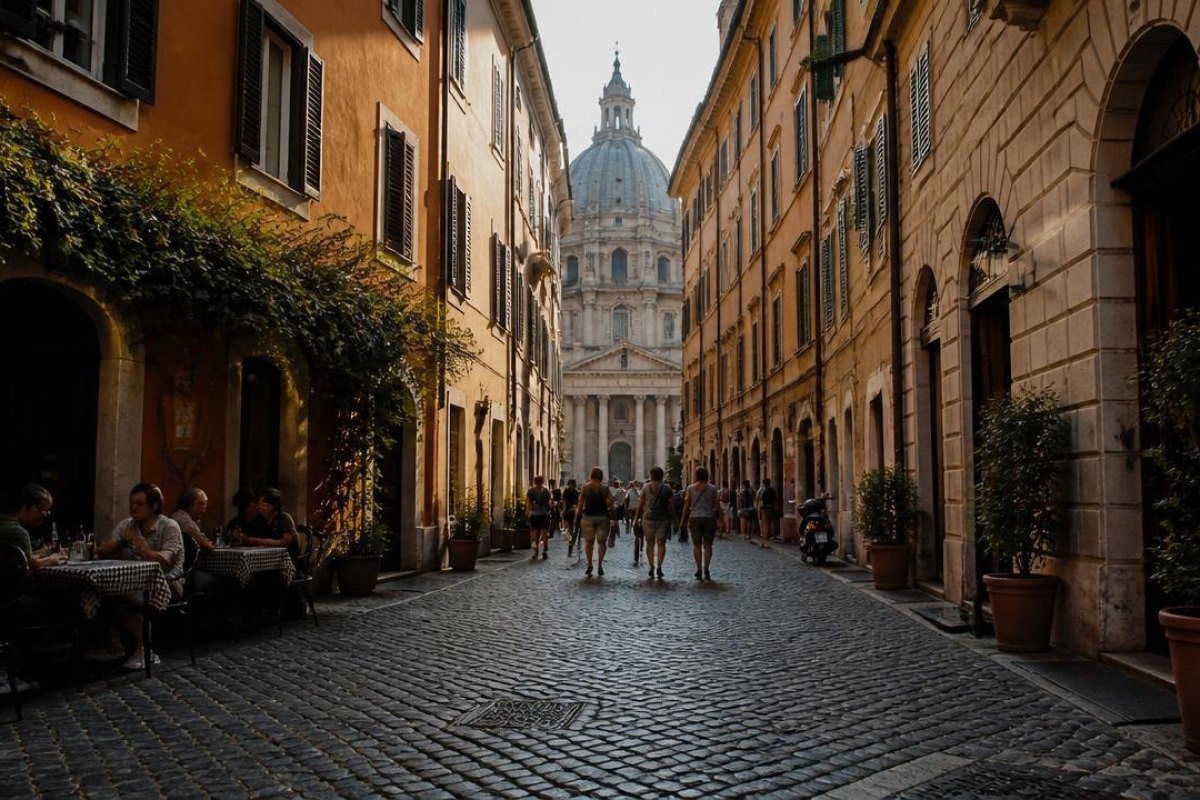
Monti: Best for History, Restaurants, and Character
Monti sits close to the Colosseum and Roman Forum, yet it has a more relaxed neighborhood personality than the busiest parts of the historic center. Its narrow streets combine ancient surroundings, independent boutiques, wine bars, cafés, and restaurants.
This is one of Rome’s most versatile bases. You can begin the day with major archaeological sights, pause for lunch at a local trattoria, and spend the evening browsing small shops or sitting in a lively piazza. The neighborhood also benefits from convenient access to public transport, including nearby metro connections.
Monti’s streets are often hilly and cobbled, so travelers with heavy luggage should check the exact location of their hotel or apartment. The area is popular and central, but it generally feels more lived-in than the streets immediately around the Trevi Fountain or Pantheon.
Why choose Monti?
Monti is a strong all-round choice for food lovers, returning visitors, couples, and travelers who want proximity to ancient Rome without staying in a purely tourist district. It also works well for visitors who want a stylish evening scene that remains relatively intimate.
Trastevere: Best for Atmosphere and Nightlife
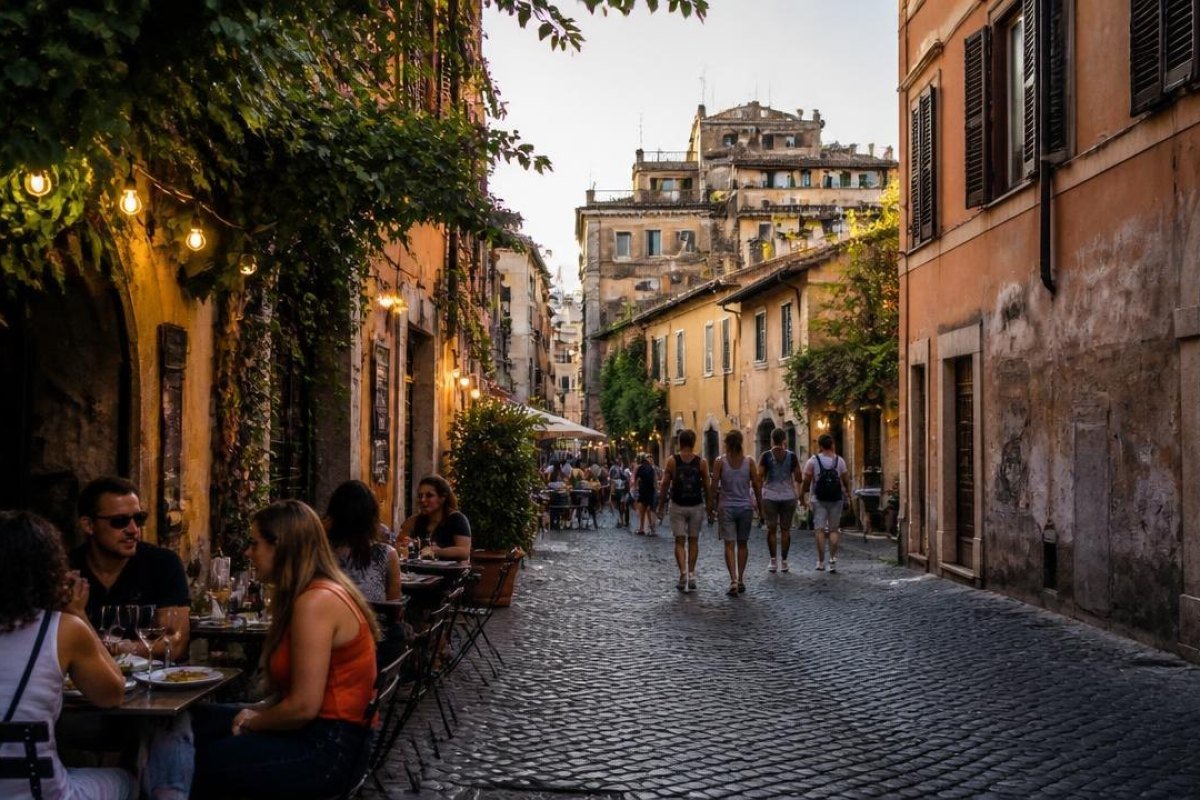
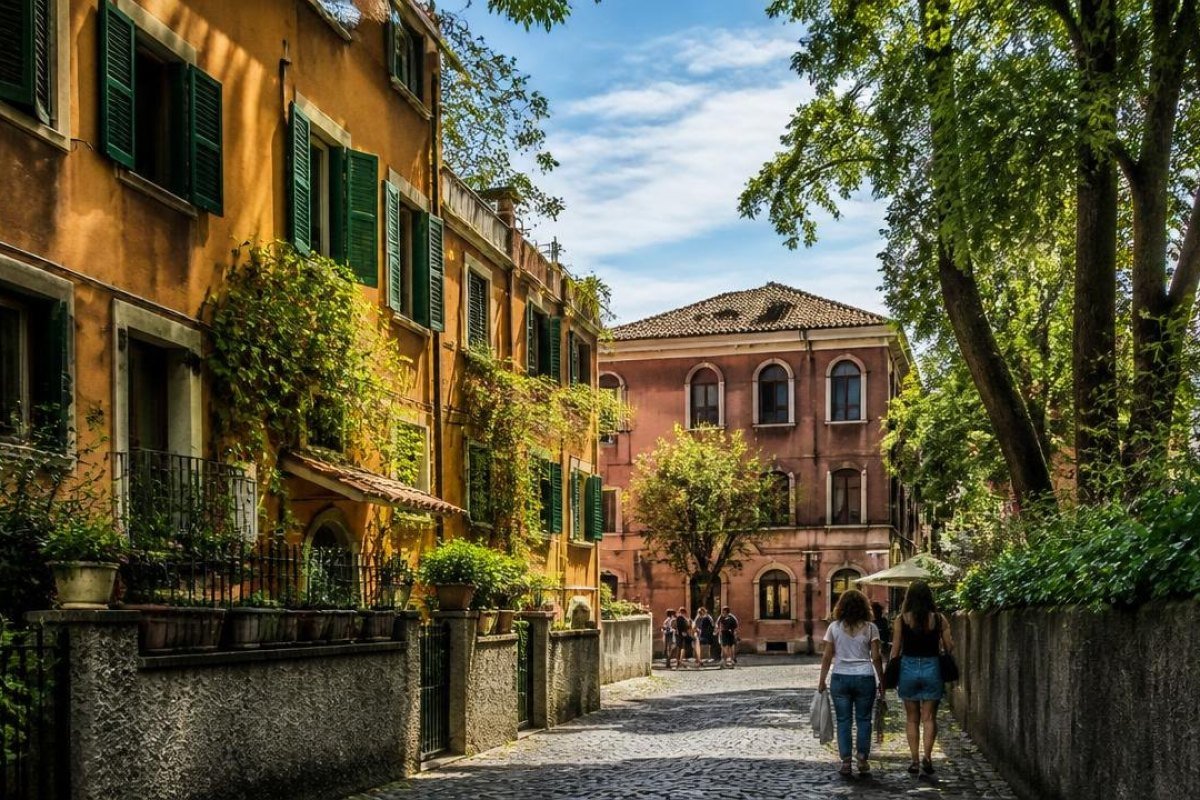
Across the Tiber, Trastevere is known for its winding lanes, ivy-covered façades, historic churches, and lively dining scene. The neighborhood’s character comes from its mix of traditional trattorias, atmospheric squares, casual bars, and late-evening social life.
It is particularly appealing after dark, when visitors and residents gather around Piazza di Santa Maria in Trastevere, Piazza Trilussa, and the surrounding streets. During the day, you can explore churches, small museums, artisan shops, and nearby viewpoints before settling in for dinner.
Trastevere is not served by a metro station in its central historic core, so reaching some distant attractions may require buses, trams, or walking. The most popular streets can also be noisy at night. If you prefer quiet, look for accommodation on a residential side street rather than directly beside a busy square.
Why choose Trastevere?
Stay here for evening energy, memorable dining, and picturesque streets. It suits couples, friends, solo travelers who enjoy social settings, and anyone who wants the neighborhood itself to be part of the holiday experience.
Prati: Best for the Vatican and a Quieter Stay
Prati is located near Vatican City and the Vatican Museums, making it a practical base for travelers who want to prioritize those attractions. The neighborhood has broad streets, elegant apartment buildings, good shopping, and a more orderly atmosphere than many of Rome’s older central quarters.
Its restaurants and cafés are popular with locals, while the area around Via Cola di Rienzo offers a useful mix of shops and everyday services. Prati can feel more residential and less hectic, especially away from the main routes leading toward the Vatican.
Although central Rome is reachable on foot from parts of Prati, the neighborhood is spread out. Check the distance to the nearest metro station before booking, particularly if you plan to visit the Colosseum, Termini, or areas south of the historic center.

Why choose Prati?
Prati is ideal for Vatican visits, families, travelers who prefer quieter evenings, and visitors seeking a polished neighborhood with practical amenities. It is also a good option if you want more space and a less tourist-heavy atmosphere.
Testaccio: Best for Authentic Roman Food
Testaccio is one of Rome’s best neighborhoods for travelers who put food and local atmosphere high on their list. Its identity is closely tied to Roman cuisine, traditional trattorias, markets, bakeries, and a long working-class history.
The neighborhood feels more residential than the central sightseeing districts. Piazza Testaccio is a useful focal point, while the former industrial and port-related areas add a distinctive layer of history. Nearby attractions include the Pyramid of Cestius, the Non-Catholic Cemetery, and parts of the ancient city’s southern landscape.
Testaccio is not the most convenient base for crossing the entire city several times a day, but it is well placed for exploring southern central Rome and can connect with other districts by public transport. Accommodation is often best suited to travelers who enjoy slower mornings and long dinners rather than rushing between landmarks.
Why choose Testaccio?
Choose Testaccio for local restaurants, a relaxed pace, and a neighborhood feel. It is especially attractive to repeat visitors, food-focused travelers, and anyone who wants to experience Rome beyond its postcard sights.
Ostiense and Garbatella: Best for Local Life and Creative Rome
Ostiense and nearby Garbatella offer a different side of the capital, with former industrial spaces, contemporary culture, street art, local restaurants, and a more residential rhythm. The areas are useful for travelers who want to stay outside the busiest tourist core while retaining connections to central Rome.
Ostiense is known for its railway connections and transport links, while Garbatella has a distinctive architectural character, courtyards, gardens, and a strong community atmosphere. Together, they appeal to visitors interested in modern urban culture as well as historical landmarks.
These neighborhoods are farther from attractions such as the Trevi Fountain and Piazza Navona, so you should be comfortable planning journeys by metro, train, bus, or tram. Always check current routes and service updates with Rome’s public transport operator before setting out.
Why choose Ostiense or Garbatella?
These districts suit independent travelers, longer stays, repeat visitors, and guests who value local cafés, cultural venues, and a less conventional base. They are also worth considering when central accommodation is outside your budget.
How to Choose the Right Rome Neighborhood
Start with your priorities rather than choosing a neighborhood by reputation alone. If this is your first visit and you have only a few nights, Centro Storico or Monti will reduce travel time. If your itinerary centers on the Vatican, Prati may be more practical; a first-time guide to Rome can also help you plan the rest of your visit.
Think about your evening preferences too. Trastevere is excellent for restaurants and nightlife, while Testaccio offers a more food-focused and local atmosphere. Prati and Garbatella can feel calmer, whereas the busiest central streets may remain active well into the evening.
Finally, inspect the exact location. A hotel listed under a broad neighborhood name may still be a considerable walk from the sights or nearest transport stop. Check the walking route, luggage access, street noise, and current public transport connections before booking.
Getting Around Rome from Your Base
Rome rewards walking, especially in the historic center, but distances can become tiring after several hours of sightseeing. The city’s public transport network includes metro lines, buses, trams, and urban rail services. Routes, maps, and service information can change, so verify your journey shortly before travel.
When comparing hotels, look beyond the neighborhood name and check access to a useful transport corridor. A nearby metro station can save time for longer cross-city journeys, while a central location may make walking the simplest option for many attractions.
For airport or station transfers, allow extra time for traffic, luggage, and possible service changes. The most convenient neighborhood is not always the one closest to a landmark; it is usually the one that matches your daily itinerary and your preferred pace.
Quick Recommendations
- Best overall for first-time visitors: Centro Storico
- Best balance of location and character: Monti
- Best for nightlife and atmosphere: Trastevere
- Best for the Vatican: Prati
- Best for Roman food: Testaccio
- Best for a local, creative feel: Ostiense or Garbatella
Rome has no single perfect neighborhood for every traveler. The best choice depends on whether you value walking access, local dining, quiet evenings, or transport convenience. Choose the area to stay for the kind of traveler you are, and the city will feel much easier to enjoy.