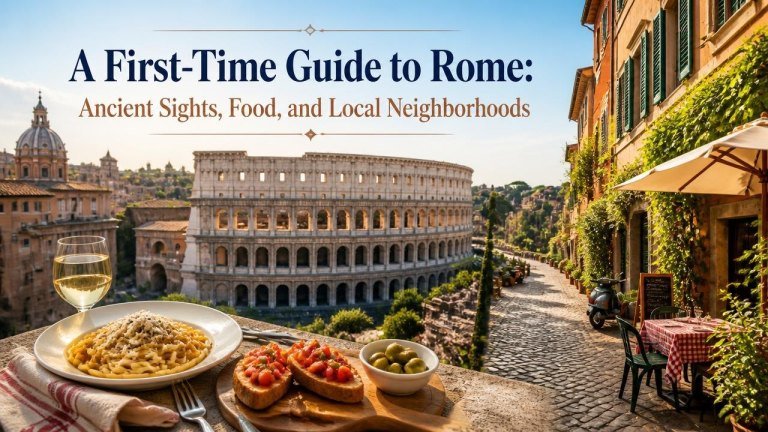
Rome is a city where ancient ruins, Baroque fountains, and lively neighborhood life share the same streets. For a first visit, the challenge is not finding things to do; it is choosing a manageable rhythm that leaves room for long lunches, unexpected churches, and evening walks.
This guide brings together the essential sights, classic Roman dishes, useful transport advice, and neighborhood ideas you can use to shape your own itinerary.
How to Plan Your First Trip to Rome
Rome rewards travelers who combine advance planning, comfortable walking shoes, and unhurried meals. The historic center is compact enough to explore on foot, but major attractions are spread across different areas of the city.
For a first visit, allow at least three full days if possible. Use one day for the Colosseum and Forum, another for the Pantheon and central piazzas, and another for Vatican City and the surrounding streets. With four or five days, you can add Testaccio, the Appian Way, Baths of Caracalla, or a slower neighborhood day.

Rome’s most popular attractions can become crowded, especially during peak travel periods. Reserve timed entry for major sites through their official booking channels, and check opening arrangements before setting out because hours, access rules, and temporary closures can change. See what to book ahead before your visit.
The Ancient Sights You Should Not Miss
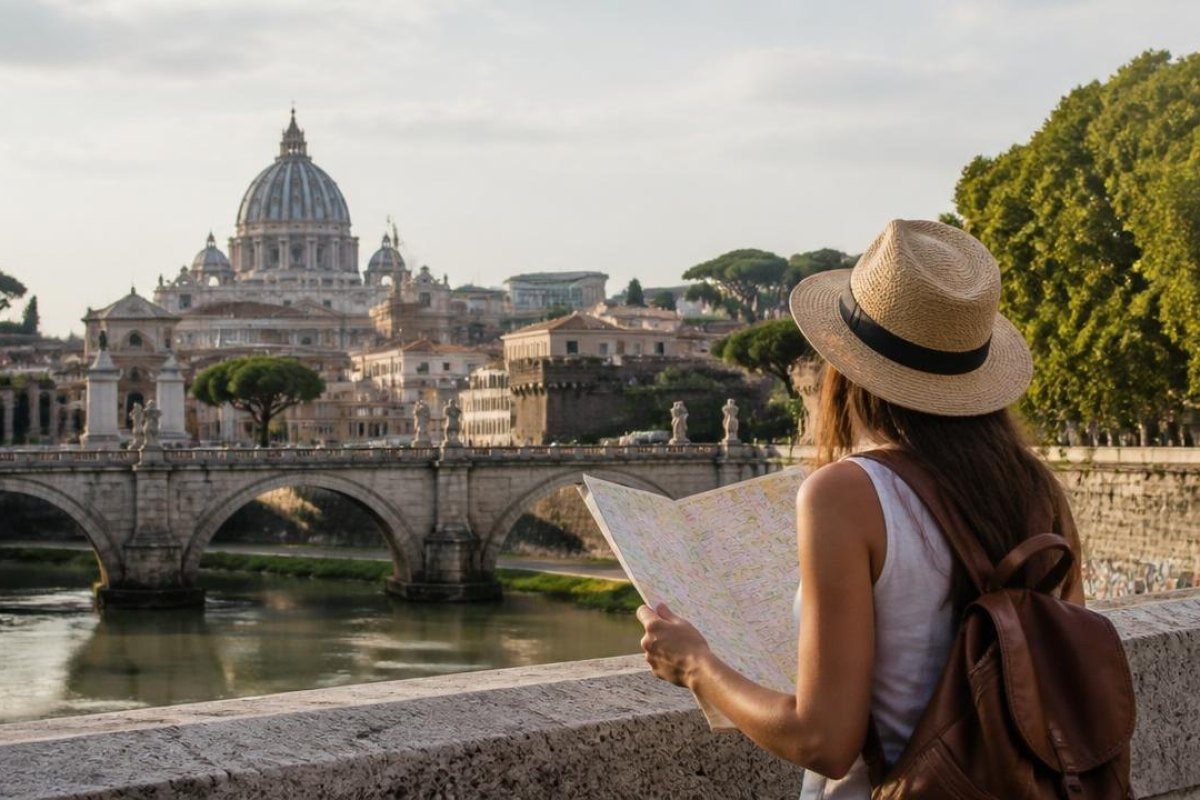
Rome’s ancient landmarks are not isolated museum pieces. They are woven into modern streets, busy squares, churches, and cafés. Give yourself enough time to notice the smaller details between the headline attractions.
Colosseum, Roman Forum, and Palatine Hill
Begin with the Colosseum, then continue through the Roman Forum and up the Palatine Hill. Together, these sites explain the public, political, and imperial life of ancient Rome better than any single monument.
Entry to the Colosseum uses a reserved time slot, while ticket types may cover different areas or experiences. Check the official archaeological park information before booking, particularly if you want access to the arena, underground levels, upper tiers, or special routes.
Wear shoes with good grip. The Forum includes uneven paving, inclines, exposed stone, and limited shade. Start early when possible, bring water, and avoid trying to rush all three areas in a single hour.
Pantheon and Piazza Navona
The Pantheon is one of Rome’s most impressive surviving ancient buildings, while nearby Piazza Navona offers a dramatic introduction to Baroque Rome. The two make a natural walking combination through the historic center.
After visiting the Pantheon, explore the surrounding streets toward Piazza della Rotonda, then continue to Piazza Navona. Look for fountains, courtyards, small churches, and quiet side streets rather than following only the busiest route.
Trevi Fountain and the Spanish Steps
The Trevi Fountain is especially atmospheric early in the morning or later in the evening, when the surrounding streets can feel less compressed. From there, walk toward the Spanish Steps and the elegant shopping streets around Piazza di Spagna.
These areas are central and easy to combine with the Pantheon, Piazza Navona, and Campo de’ Fiori. Keep personal belongings secure in crowded areas, and follow local rules about sitting, eating, or entering restricted spaces around monuments.
Vatican City and the Right Way to Visit It
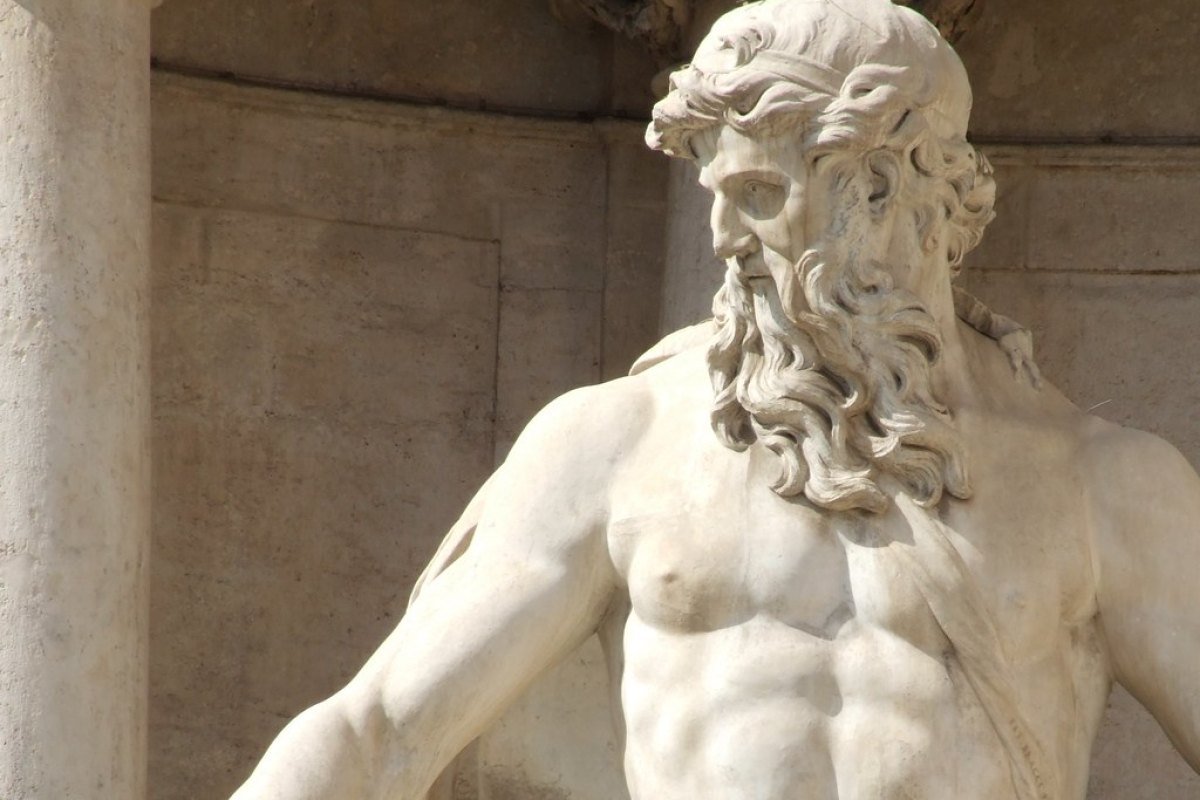
A Vatican visit usually requires more structure than a casual city walk. The Vatican Museums, Sistine Chapel, and St Peter’s Basilica are related but distinct experiences, with different entrances and practical considerations.
Book Vatican Museums tickets only through the official ticketing system or a reputable authorized provider. The museums publish opening information and warn visitors about unofficial websites that may charge inflated prices.
Dress respectfully for religious sites, covering shoulders and knees where required. Allow several hours for the museums if you want to see more than the most famous rooms, and avoid planning another tightly timed attraction immediately afterward.
For a calmer experience, walk through the Prati neighborhood after your visit. It has broad streets, cafés, restaurants, and a more residential atmosphere than the lanes around the main tourist routes.
What to Eat in Rome
Roman food is built around simple ingredients, strong local traditions, and generous portions. You do not need to visit only famous restaurants to eat well, but it helps to understand what to look for and when to eat it.
Classic Roman Pasta
Try the four classic Roman pasta styles: cacio e pepe, carbonara, amatriciana, and gricia. Recipes vary from kitchen to kitchen, but the best versions usually depend on carefully balanced seasoning rather than an elaborate list of ingredients.
For a more relaxed meal, look for a trattoria away from the most crowded monument squares. Check whether the menu reflects seasonal ingredients and whether locals are dining there at ordinary hours.

Street Food and Roman Snacks
Roman eating is not limited to sit-down pasta. Look for supplì, pizza al taglio, and trapizzino for quick meals between visits. Markets and bakeries are useful places to sample smaller portions without committing to a long lunch.
Testaccio is particularly associated with traditional Roman food, while the area around Campo de’ Fiori and the Jewish Ghetto offers a mix of classic dishes, cafés, bakeries, and restaurants. Restaurant schedules can vary, so check the day’s hours before making a special journey.
Coffee, Gelato, and Aperitivo
For a local-style coffee break, stand at the bar or take a short pause at a neighborhood café. Look for fresh gelato with a dense texture and natural-looking flavors rather than brightly colored displays.
Aperitivo is a pleasant way to transition into the evening. Order a drink, share a small plate, and use the time to slow down before dinner. In Rome, the atmosphere often matters as much as the menu.
Rome’s Best Neighborhoods for First-Time Visitors
Choosing where to spend your evenings can shape your impression of Rome. Each area has a different balance of landmarks, restaurants, and local atmosphere.
Centro Storico
The historic center is ideal for first-time visitors who want to walk between the Pantheon, Piazza Navona, and nearby churches and fountains. It is atmospheric and convenient, though some streets can feel busy and restaurant prices may rise near the main squares; compare where to stay in Rome before booking.
Monti
Monti sits close to the Colosseum and combines archaeological sites, independent shops, and relaxed bars. Its lanes are excellent for an evening stroll after visiting the ancient center, especially if you prefer a neighborhood feel without traveling far from the major sights.
Trastevere
Trastevere is known for ivy-covered lanes, traditional trattorias, and lively evening streets. It is enjoyable for dinner and wandering, but the busiest areas can become crowded and noisy. Walk beyond the central squares to find quieter corners and local churches.
Testaccio
Testaccio offers a strong connection to Roman culinary culture, food markets, and the city’s working-class history. It is a good choice for travelers who want restaurants with a more local rhythm, as well as attractions such as the Pyramid of Cestius and the Non-Catholic Cemetery. It is also among Rome’s best neighborhoods for a local experience.
Prati
Prati, near the Vatican, has wide avenues, elegant shops, and a calmer evening atmosphere. It can be practical for travelers who plan to visit the Vatican early, while still offering plenty of cafés and restaurants after the museums close.
Getting Around Rome
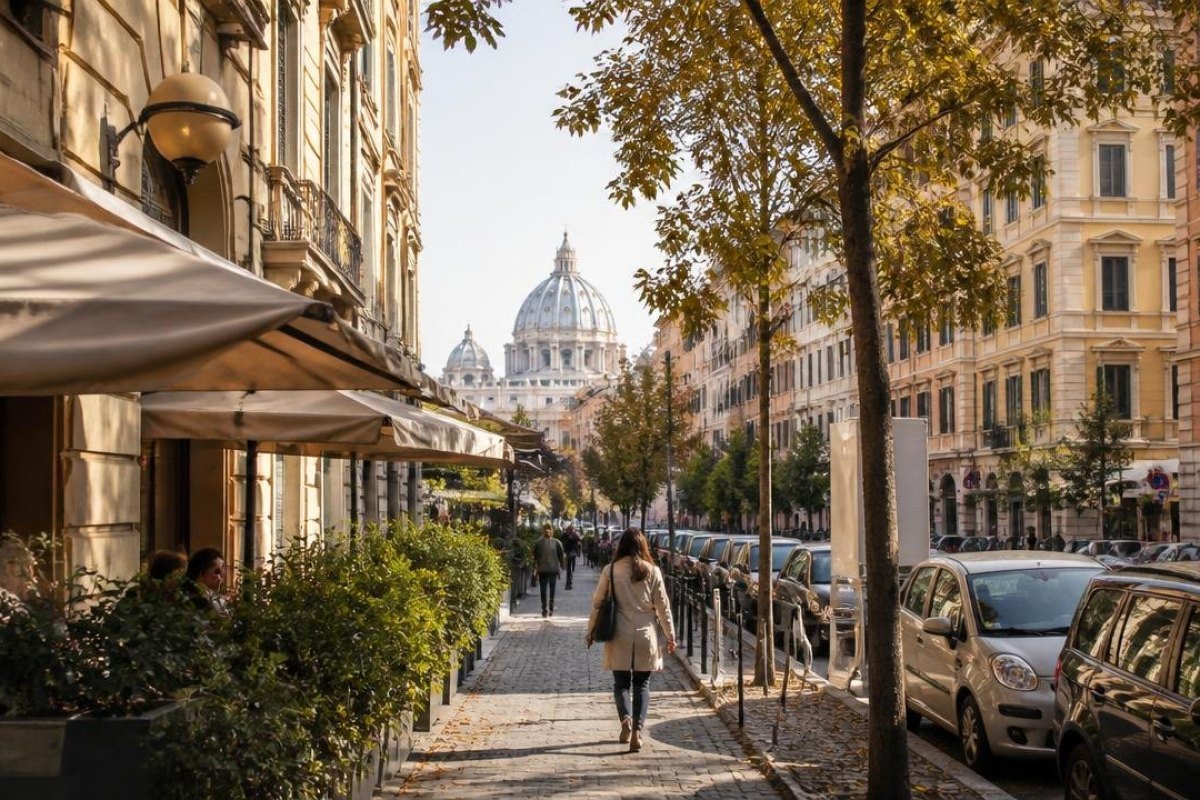
Many central attractions are best connected by walking, while the metro, buses, trams, and urban rail services can help with longer distances. Rome’s transport network and ticket conditions can change, so check the current official information before travel.
Public transport tickets generally need to be purchased and validated according to the rules for the ticket type. Keep your ticket until the end of the journey, and do not assume that a contactless payment method or transport pass is accepted on every service without checking.
Taxis are useful when carrying luggage, traveling late, or reaching areas poorly served by the metro. Use official taxi ranks or approved booking channels rather than accepting unsolicited offers near airports or major stations.
A Simple Three-Day Rome Itinerary
This plan keeps the major sights, food breaks, and neighborhood walks balanced without filling every minute.
Day One: Ancient Rome and Monti
Reserve a morning visit to the Colosseum, then explore the Roman Forum and Palatine Hill. Take a break in Monti for lunch or coffee, and return to the historic center for an evening walk around the Imperial Fora.
Day Two: Pantheon, Piazzas, and Trastevere
Start at the Pantheon, then walk through Piazza Navona, Campo de’ Fiori, and the streets around the Jewish Ghetto. Cross the Tiber for dinner in Trastevere, allowing time to explore beyond the busiest lanes.
Day Three: Vatican City and Prati
Visit the Vatican Museums with a timed reservation, then see St Peter’s Basilica if access and queues allow. Finish with a meal or aperitivo in Prati, where the atmosphere is generally more residential than around the Vatican entrances.
Practical Tips for a Smoother Visit
Pack for long walking days, variable weather, and visits to religious sites. Comfortable shoes matter more than fashionable footwear, especially around ancient paving and archaeological areas.
Carry a refillable water bottle and use Rome’s public drinking fountains where appropriate. Keep valuables secure in crowded transport, queues, and busy squares. Save important booking confirmations offline in case your mobile connection is unreliable.
Finally, leave space in your schedule. Some of Rome’s best moments come from an unplanned church visit, a quiet piazza, a neighborhood bakery, or a late walk beside the Tiber. The city is easier to appreciate when you are not rushing from one landmark to the next.