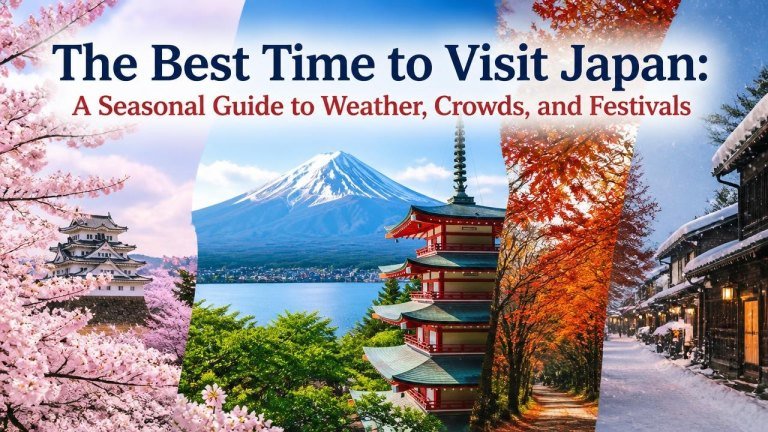
The Best Time to Visit Japan: A Seasonal Guide to Weather, Crowds, and Festivals
There is no single best time to visit Japan. The country stretches from snowy Hokkaido to subtropical Okinawa, so weather, landscapes, and events change considerably by region. Your ideal travel season depends on whether you value mild temperatures, cherry blossoms, autumn foliage, winter sports, or a practical Japan itinerary.
For many first-time visitors, spring and autumn offer the most comfortable balance of sightseeing weather and scenery. However, summer is the liveliest season for festivals, while winter is excellent for snow, hot springs, and lower visitor numbers in many major cities.
Japan at a Glance: When Should You Go?
Spring, generally from March to May, is famous for blossoms and fresh greenery, but popular destinations can be extremely busy. Summer, from June to August, brings festivals, fireworks, beaches, and mountain escapes, although much of the country is hot and humid.
Autumn, from September to November, combines colorful foliage with pleasant conditions in many regions. Winter, from December to February, is the season for ski resorts, snowy landscapes, hot springs, and crisp weather, especially in northern and mountainous areas.

Because blossom and foliage timing varies by latitude and elevation, build flexibility into your itinerary. A season that is ideal in Tokyo may arrive weeks earlier or later in Hokkaido, Tohoku, Kyushu, or Okinawa.
Spring in Japan: Cherry Blossoms and Fresh Greenery
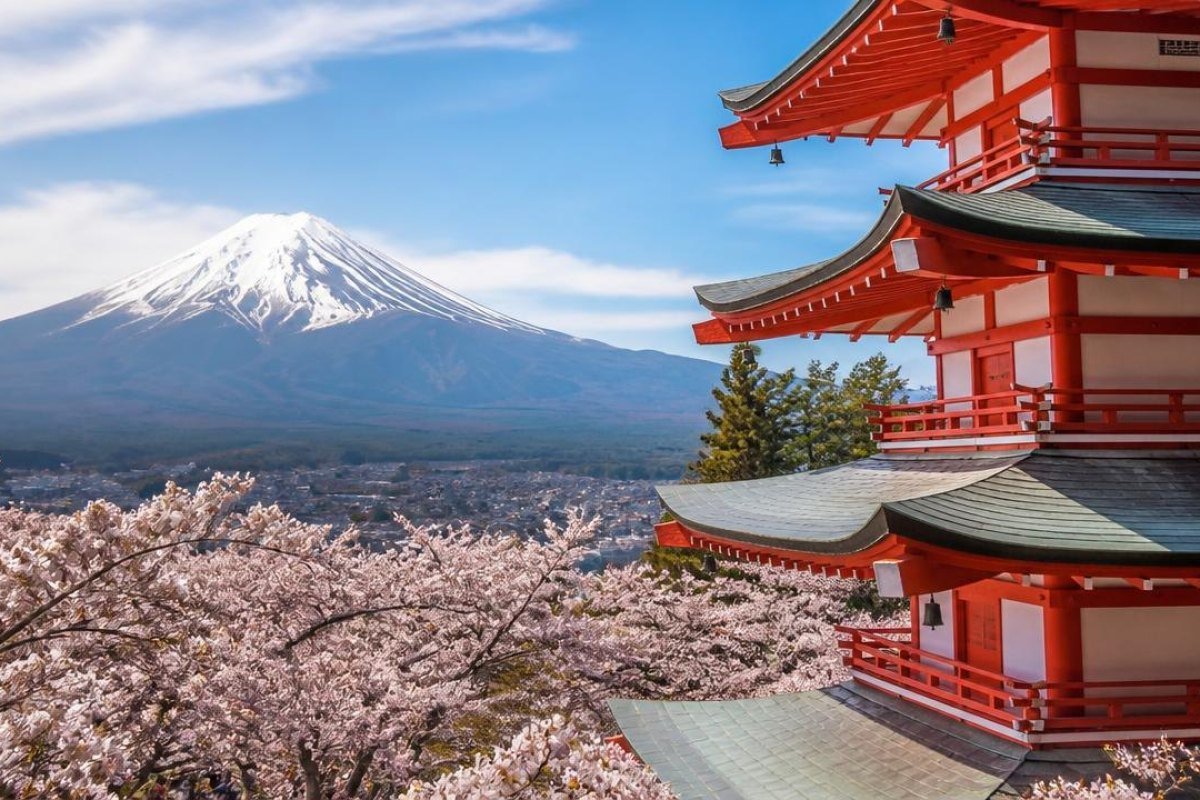
Spring is one of Japan’s most popular travel seasons. Cherry blossoms usually progress from south to north, with timing influenced by location and weather. In many central destinations, the most anticipated period falls around late March and early April, while northern areas can bloom later.
The attraction is not limited to the flowers themselves. Spring brings hanami picnics, illuminated parks, castle gardens, riverside walks, and a sense of renewal across the country. Plum blossoms, wisteria, tulips, and other seasonal flowers provide alternatives if you miss peak sakura.
What to expect in spring
Temperatures are often comfortable for walking, but mornings and evenings can still feel cool. Pack light layers, a compact rain jacket, and comfortable shoes. Rainy spells may begin toward late spring, and weather can change quickly in mountain areas.
Spring crowds and planning
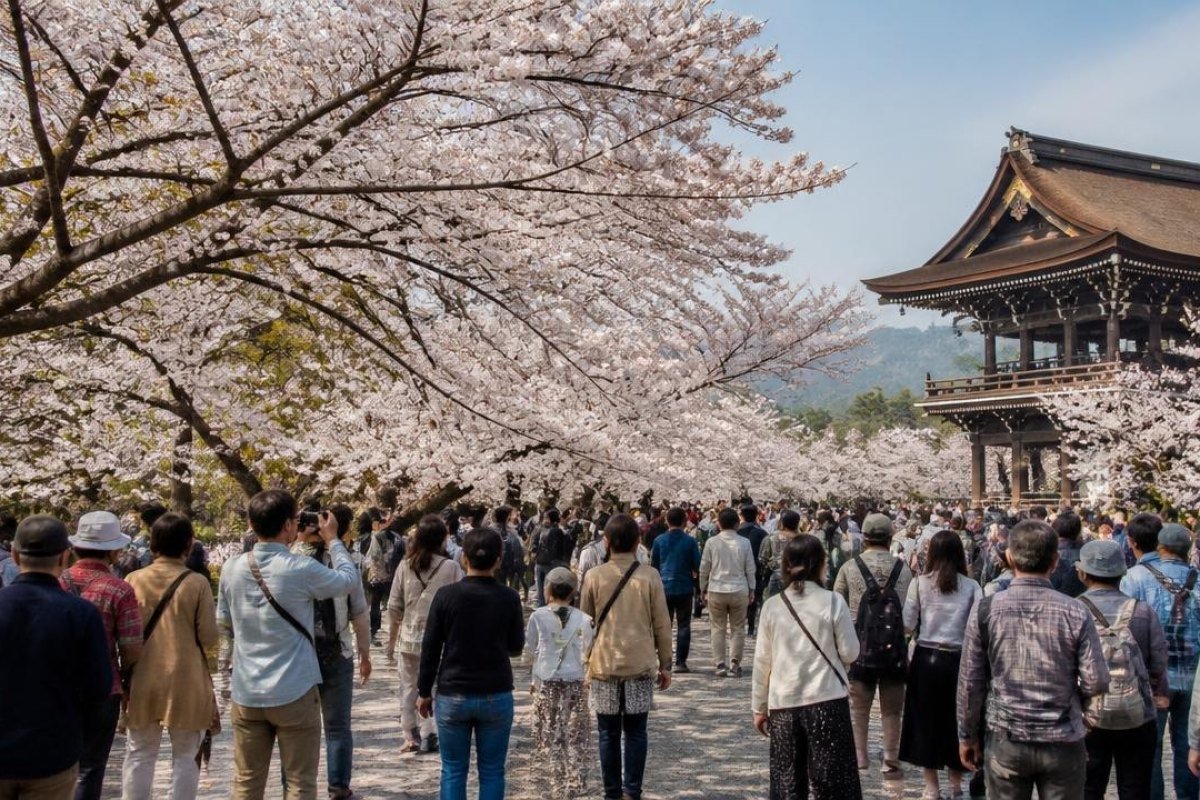
Cherry-blossom season is a high-demand period for hotels, trains, and popular viewing spots. Reserve accommodation early when possible, particularly for Kyoto, where to stay in Tokyo, Osaka, Nara, and well-known blossom destinations. If you prefer a calmer experience, consider less-famous parks, rural towns, or a trip outside the central blossom window.
Summer in Japan: Festivals, Fireworks, and Mountain Escapes
Summer is energetic, colorful, and often humid. Across much of Honshu, Kyushu, and Shikoku, daytime conditions can feel intense, while northern Japan and higher elevations offer some relief. The season is ideal for travelers who want street festivals, fireworks displays, traditional dances, and lively evening events.
June and early July commonly overlap with Japan’s rainy season, though the exact pattern differs by region. Afterward, heat and humidity generally increase. August and September can also be affected by typhoons, so keep plans adaptable and monitor official weather information.
Best summer experiences
Summer is a strong choice for exploring Hokkaido, hiking in mountain regions, visiting coastal areas, or attending major matsuri. Kyoto’s Gion Festival, Aomori Nebuta, regional fireworks, and local Obon traditions are among the season’s cultural highlights, but dates and event arrangements should be checked with official organizers.
How to handle the summer heat
Choose breathable clothing, carry water, use sun protection, and plan indoor attractions during the hottest part of the day. Early starts are especially useful for temples, gardens, and popular viewpoints. Travelers planning a Mount Fuji climb must check the current official climbing-season guidance and route requirements before committing to dates.
Autumn in Japan: Comfortable Weather and Brilliant Foliage
Autumn is often the best all-round season for a classic Japan itinerary. Temperatures become more comfortable after summer, skies can be clear, and forests and temple gardens gradually turn red, orange, and gold. Foliage typically begins in northern and higher regions before moving south.
September may still feel warm in many cities, while October and November are often better for cooler sightseeing. In central Japan, peak colors commonly occur later than travelers expect, so check local foliage forecasts rather than relying on a single nationwide date.
Where autumn works especially well
Autumn suits Kyoto temples, Nikko’s mountain scenery, Kanazawa gardens, the Japanese Alps, and Hokkaido’s national parks. It is also an excellent season for food-focused travel, countryside walks, and scenic rail journeys.

Autumn crowds and weather risks
Popular foliage sites can be crowded, particularly on weekends and public holidays. Early mornings offer better light and a more relaxed atmosphere. September may still coincide with typhoon activity, so travelers should retain flexibility for outdoor plans and transport connections.
Winter in Japan: Snow, Hot Springs, and Quieter Cities
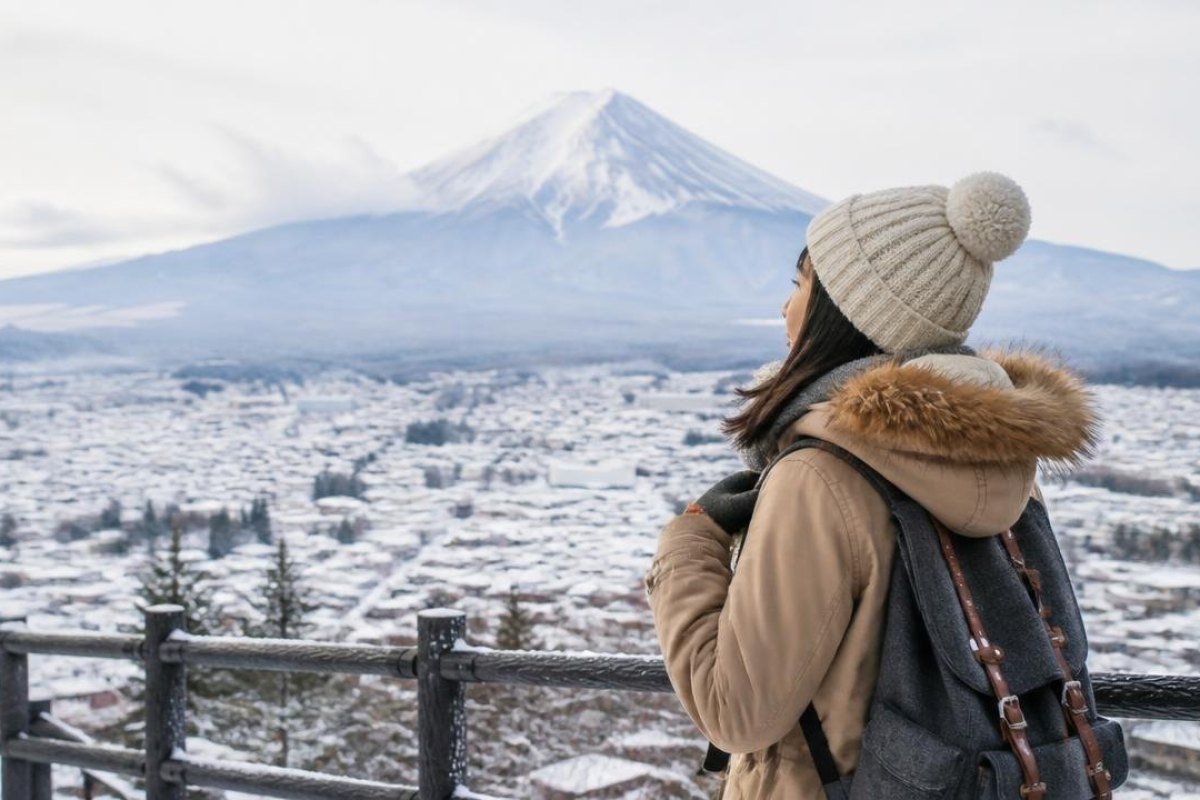
Winter varies sharply across Japan. Hokkaido, Tohoku, the Hokuriku region, and mountain districts receive substantial snow, while Pacific-side cities such as Tokyo and Osaka often have colder but comparatively drier conditions. Okinawa remains much milder than the rest of the country.
Winter is the right choice for powder snow, onsen stays, seasonal cuisine, and atmospheric snowy villages. Ski resorts in Hokkaido and the Japanese Alps are major draws, while cities can feel calmer outside the New Year holiday period.
Winter festivals and seasonal highlights
The Sapporo Snow Festival and other regional snow events showcase elaborate ice and snow sculptures. New Year brings important cultural traditions, but it is also a major domestic travel period, so accommodation and transport can be busy. Winter illuminations, hot-pot dishes, and seafood are additional seasonal pleasures.
What to pack for winter
Bring insulated layers, waterproof footwear, gloves, and clothing suited to your exact route. Snow conditions can affect mountain roads, hiking trails, and some sightseeing facilities. Check regional transport updates before traveling to remote areas.
Japan’s Rainy Season and Typhoon Period
Japan’s rainy season, often called tsuyu, generally affects many areas from around June into July, though timing varies. Rain does not necessarily prevent travel: gardens look lush, temples can feel atmospheric, and indoor attractions remain widely available.
Typhoon activity is most relevant in late summer and early autumn, especially around August and September. Storms can disrupt flights, trains, ferries, and outdoor events. Keep important reservations flexible, follow local alerts, and use an getting around Japan by train guide alongside official transport and weather updates when conditions deteriorate.
How Crowds Change Through the Year
The busiest periods usually include cherry-blossom season, peak autumn foliage, Golden Week in late April and early May, and the New Year holiday. Summer festivals and school holidays can also increase demand in particular cities and resort areas.
For a quieter trip, consider late May before the main summer heat, the period after the rainy season but before peak summer events, or selected weeks in winter outside holiday periods. Shoulder-season conditions are not identical nationwide, so choose destinations according to regional weather rather than the calendar alone.
Choosing the Best Month for Your Travel Style
Best months for first-time sightseeing
April and November are often appealing for travelers seeking seasonal scenery and generally comfortable walking conditions, though both can be busy and exact conditions vary. May and October may offer a useful balance in some regions, particularly if you avoid major holiday periods.
Best months for festivals
Choose July and August for fireworks, traditional festivals, and lively summer nights. Event dates, ticketing, crowd controls, and cancellation policies can change, so verify details directly with the festival organizer.
Best months for snow and hot springs
January and February are strong choices for ski trips, snowy landscapes, and onsen experiences in northern and mountainous Japan. Conditions differ between resorts, so check current snow reports and operating information before booking.
Practical Tips for Planning a Seasonal Japan Trip
Start with your priorities: weather comfort, seasonal scenery, festivals, or lower crowds. Then match destinations to the season instead of trying to see the entire country in one itinerary.
- Check regional forecasts because Japan’s climate changes significantly from north to south.
- Book popular hotels and transport early during blossom, foliage, and major holiday periods.
- Use layers and comfortable footwear for city walking and variable weather.
- Allow extra time when traveling during heavy rain, snow, or typhoon conditions.
- Confirm festival dates, attraction access, trail conditions, and transport changes through official sources.
Final Verdict: When Is the Best Time to Visit Japan?
For a first trip focused on Tokyo, Kyoto, Osaka, and cultural sightseeing, spring and autumn are the most popular choices. Visit in spring for blossoms and seasonal energy; choose autumn for foliage, food, and comfortable exploration. Summer is best for festivals and fireworks, while winter rewards travelers with snow, hot springs, and a quieter atmosphere in many urban areas.
The most important decision is not finding one perfect nationwide date. It is choosing the right region, seasonal experience, and travel pace for the trip you want to have.